As we navigate the established hybrid work landscape of 2026, the demand for flawless communication has never been higher. Video might capture the room, but poor audio ruins the meeting. For office managers, IT admins, and SMB owners, the challenge remains: how do you ensure everyone is heard clearly?
The biggest mistake organizations make is treating audio as a one-size-fits-all solution. A device built for a solo home office will fail miserably in a 15-person boardroom. Buying the wrong device leads to frustrating acoustic echoes, audio dead zones, and wasted IT budgets.
In this comprehensive guide, we break down how to evaluate a conference speakerphone based on your specific room size. We will highlight the best conference speakerphone for your scenario and show you how to future-proof your meeting rooms in 2026.
Why Room Size is the Deciding Factor for a Conference Room Speakerphone
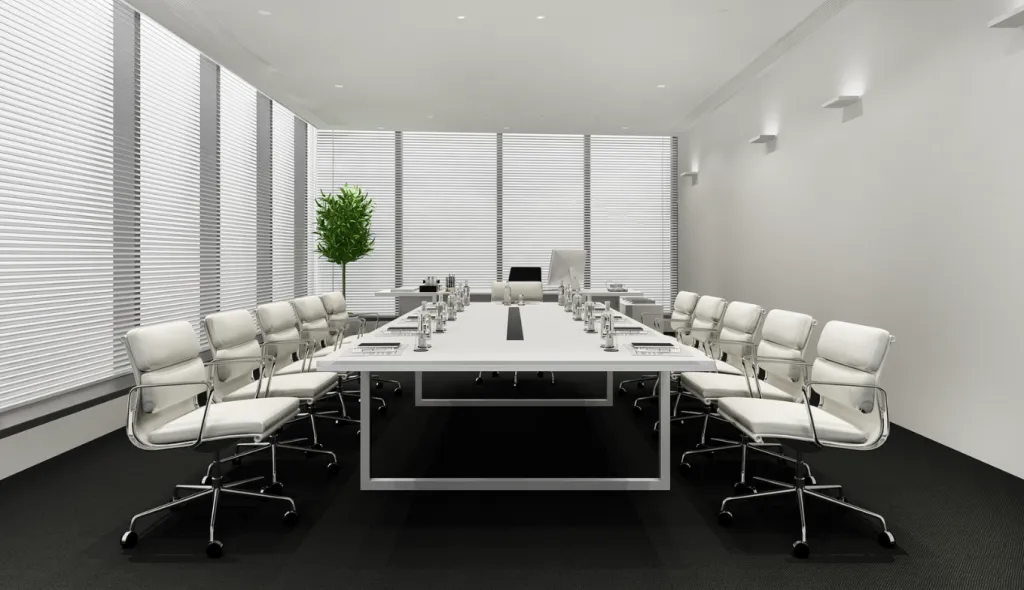
When selecting a conference room speakerphone, physical dimensions matter more than anything else. Room size directly dictates the complex physics of sound within that space.
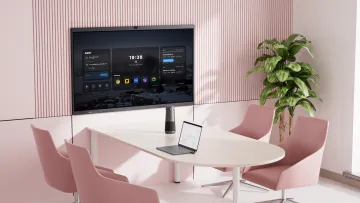
1. The Huddle Room Dilemma: Choosing a Compact Conference Phone
Small spaces (under 150 sq ft) often feature hard surfaces like glass walls and whiteboards. While you don't need a massive microphone pickup range, you desperately need powerful reverberation suppression. Without it, your conference speakerphone will sound hollow and "tinny" to remote participants.
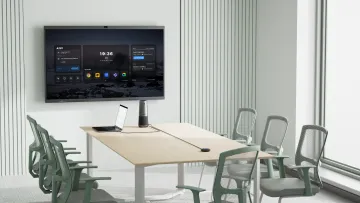
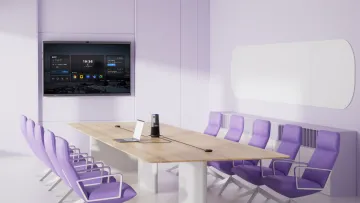
2. The Medium Room Challenge: Finding the Best Speakerphone Device for Groups
Medium rooms (150–300 sq ft) typically seat 6 to 12 people. In these rooms, participants at the ends of the table are often cut off by standard microphones. You need a conference speakerphone with beamforming microphones and advanced Automatic Gain Control (AGC) to equalize voice levels perfectly.
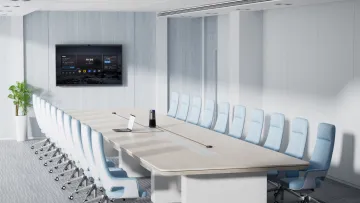
3. The Large Boardroom Solution: Scalable Conference Room Speakerphone Systems
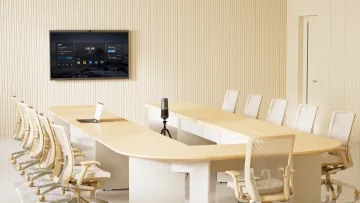
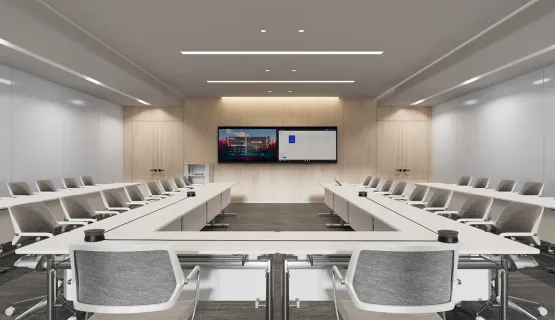
Large rooms (300+ sq ft) historically required tens of thousands of dollars in custom AV integration. The distance between the speaker and the microphone is simply too vast for a single central unit. The modern solution is "daisy-chaining"—linking multiple units to create a unified conference room speakerphone network.
5 Must-Have Features in a 2026 Conference Speakerphone
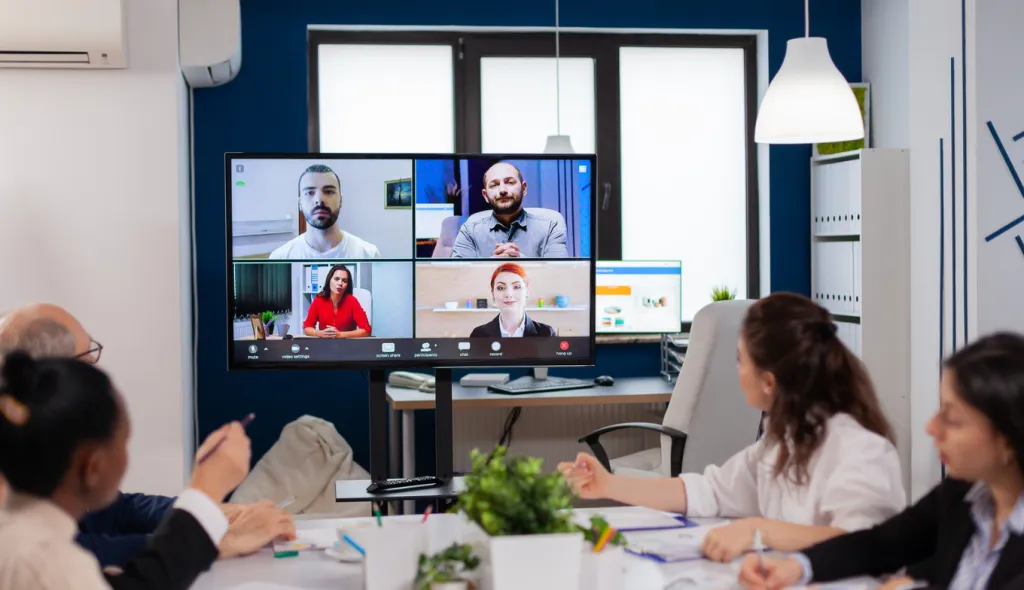
Before breaking down devices by room size, you must understand the technological baseline for 2026. If a conference speakerphone lacks these features, it is already obsolete.
1. AI-Powered Noise Suppression: Basic noise cancellation is no longer enough for a modern meeting room audio terminal. Deep-learning AI algorithms are now required to differentiate between a human speaking and background noise.
2. Full-Duplex Audio: A best conference speakerphone must allow multiple people to speak and be heard simultaneously without audio clipping.
3. Automatic Gain Control (AGC): This feature automatically boosts the volume of soft-spoken individuals while lowering the volume of loud talkers, ensuring equal meeting equity.
4. Daisy-Chain Expandability: This ensures you can easily scale your collaboration hardware from a small room to a large boardroom by linking units.
5. Universal UC Compatibility: Your conference room speakerphone must be a plug-and-play USB solution compatible with Zoom, Teams, and Google Meet.
Understanding Meeting Room Requirements by Size
To choose the right hardware, you must first understand the unique acoustic demands of your specific environment.
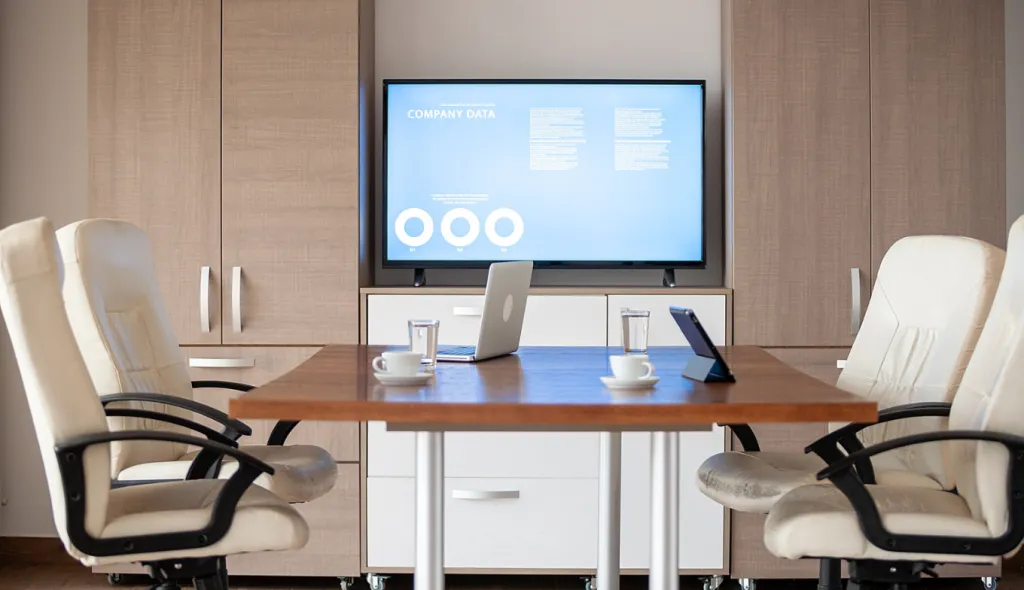
Small rooms are the most forgiving environment for any conference speakerphone. The focus here is simplicity, clarity, and fast setup.
Most users in this category are remote workers or small teams using Zoom or Microsoft Teams daily.
What matters most in small rooms
In compact spaces, you do not need extreme microphone range. Instead, you need:
- Plug-and-play USB or wireless setup
- Clear voice pickup within 1–2 meters
- Echo cancellation for close proximity speaking
- Compact, portable design
What to avoid
Avoid over-engineered systems designed for large conference rooms. They often introduce unnecessary complexity and cost.
A simple, well-optimized conference speakerphone performs better here than a high-end enterprise system.
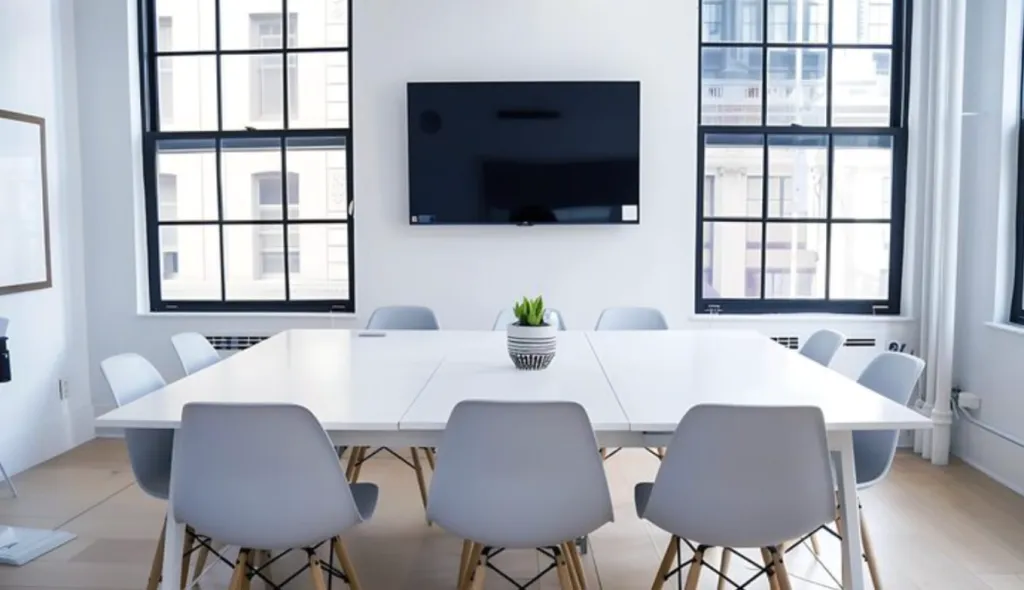
Medium-sized rooms are where most meeting friction happens. This is also where choosing the wrong conference room speakerphone becomes obvious.
People speak from different directions, seating is spread out, and background noise increases.
Key requirements for medium rooms
To perform well, your device should include:
- 360-degree microphone coverage
- Strong echo cancellation
- Multi-speaker voice balancing
- Pickup range of at least 3–5 meters
Why mid-size rooms are challenging
Unlike small rooms, voices do not originate from a single point. A standard microphone setup often fails to capture side or far-end participants.
This is why mid-tier conference speakerphone solutions are the most commonly upgraded category in businesses.
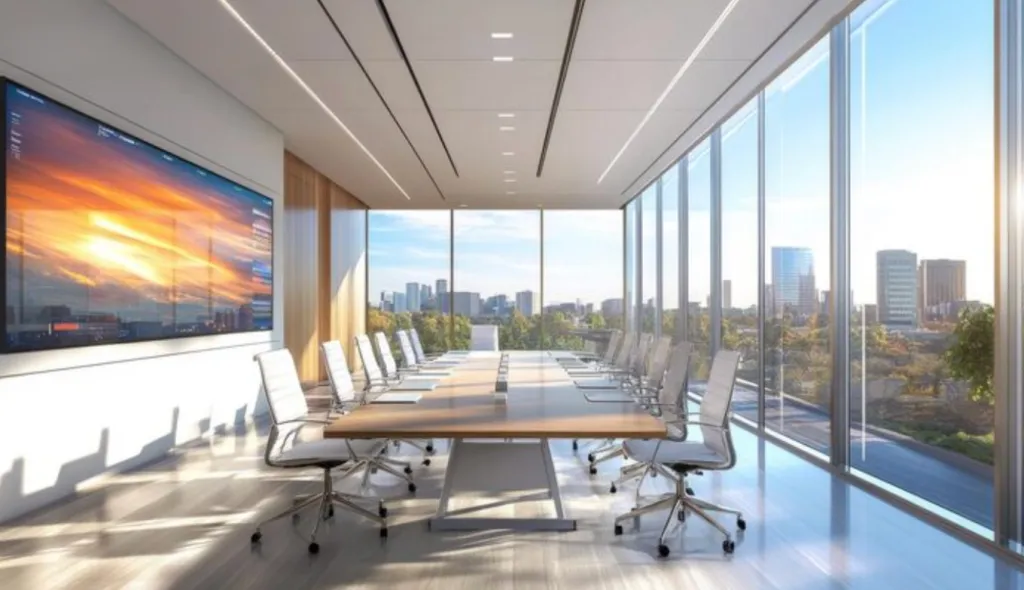
Large rooms demand a completely different level of performance. This is where many low-cost devices fail.
If your team regularly hosts board meetings, training sessions, or hybrid presentations, you need a professional-grade system.
What large rooms require
A proper conference speakerphone for large rooms must include:
- Extended microphone array or daisy-chain support
- High-output speakers for room-wide coverage
- Advanced noise suppression for echo-heavy environments
- Ability to integrate with external microphones or expansion units
Common failure point
Most devices fail in large rooms not because of speaker quality, but because of microphone reach limitations.
If even one participant is outside the pickup zone, the entire meeting experience degrades.
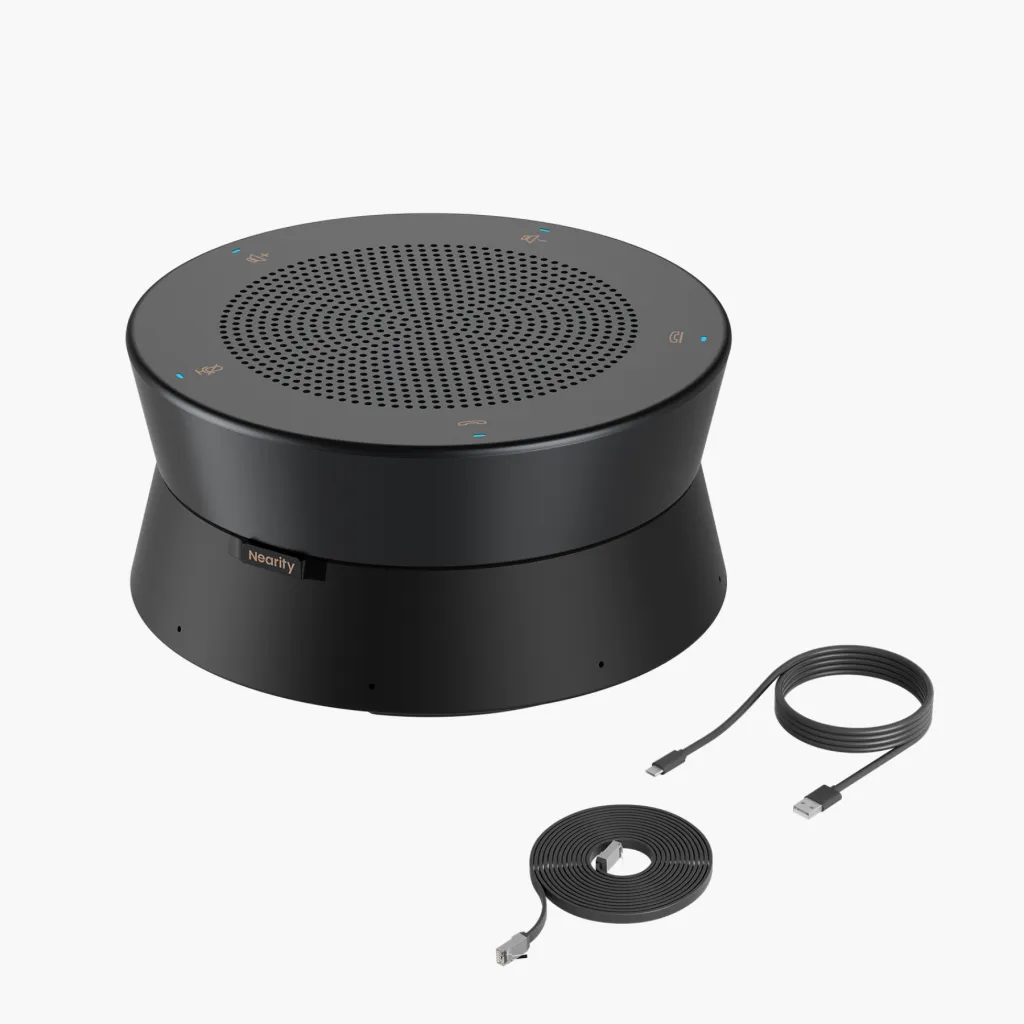
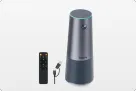
Recommended Solution: Nearity A20S for Modern Conference Rooms
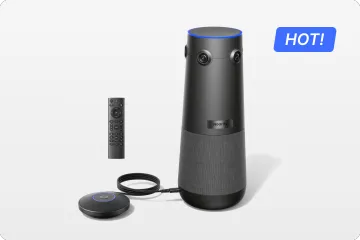
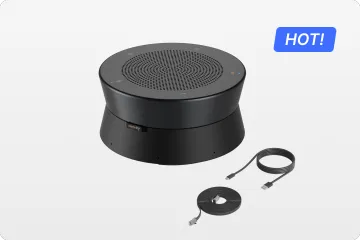
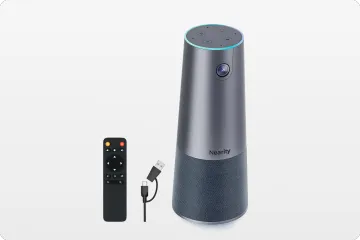
The Nearity A20S is designed as a modular powerhouse that solves the audio challenges of every room size mentioned above. This true plug-and-play solution is fully compatible with Zoom, Google Meet, and Microsoft Teams, allowing IT admins to standardize on the A20S to meet any demand without worrying about software hurdles.
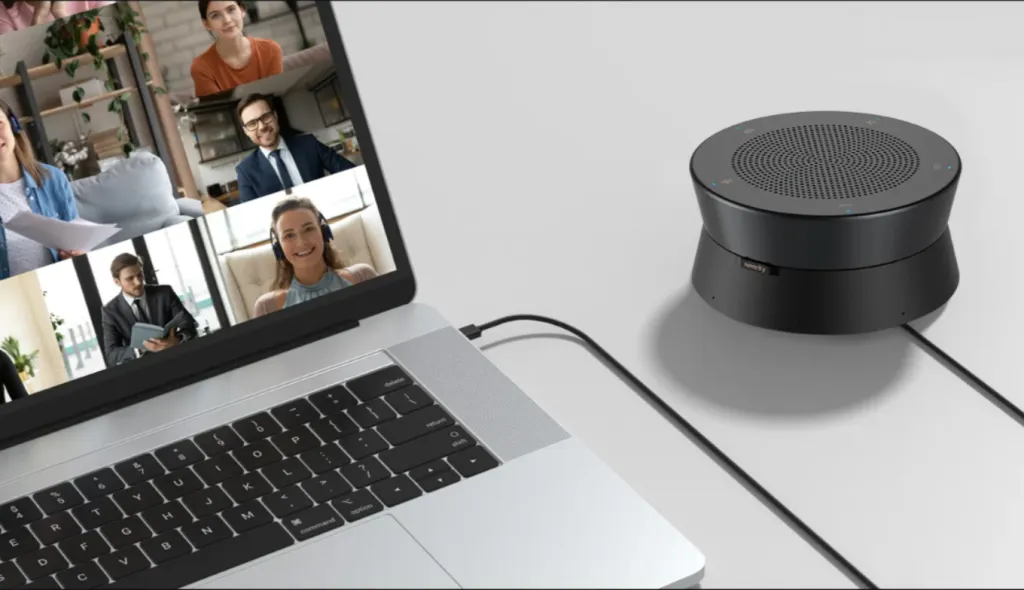
For Small Rooms: A Powerful Standalone Unit
In huddle spaces, a single Nearity A20S is all you need. Its 8 MEMS microphone array provides a massive 16ft (5m) pickup range, ensuring that even in a 4-person room, every whisper is captured with studio-grade clarity.
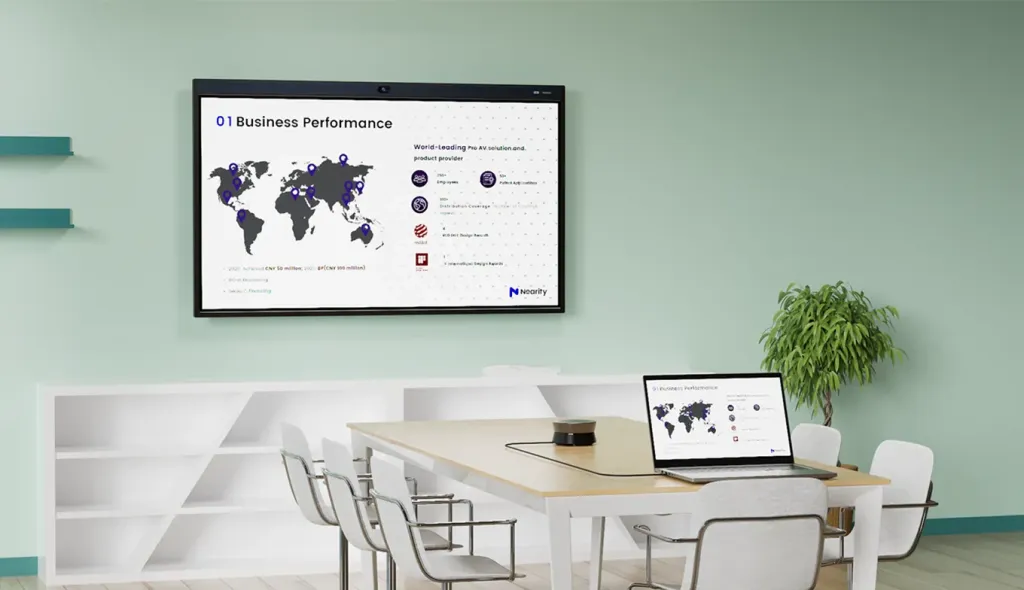
For Medium Rooms: Strategic 2-3 Unit Linkage
As tables get longer, a single unit might face "dead zones." By using the A20S's daisy-chain capability to link 2 or 3 units, you distribute the microphones and speakers across the table. This setup ensures that participants sitting 15 feet apart enjoy the same audio quality and volume.
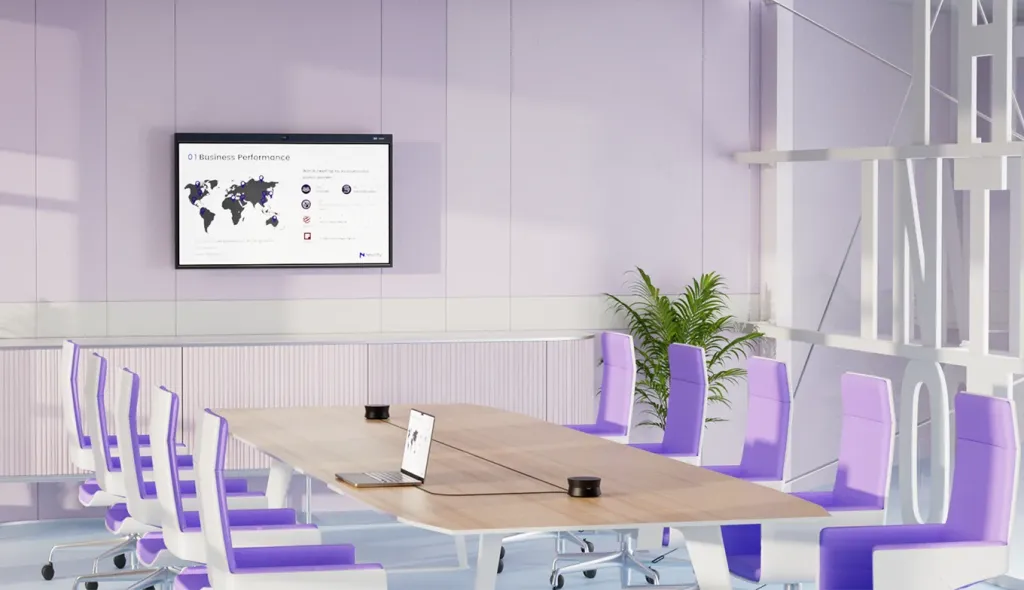
For Large Boardrooms: Maximum 6-Unit Daisy-Chain
For the most demanding environments, the Nearity A20S truly shines. You can link up to 6 units via daisy chains. This creates a high-density microphone grid (48 microphones total) that rivals the performance of $10,000 professional ceiling installations at a fraction of the cost.
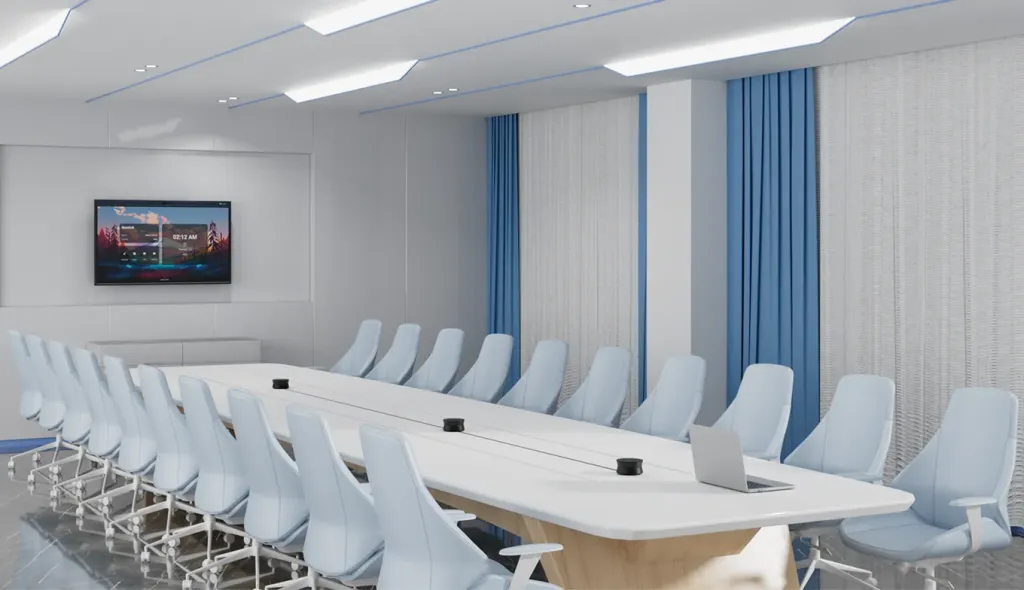
4 Costly Mistakes to Avoid When Buying a Conference Speakerphone
1. Relying on Bluetooth for a Conference Room Speakerphone
Bluetooth is prone to pairing issues and battery failure in shared spaces. Always choose a hardwired USB solution for your conference speakerphone.
2. Ignoring Acoustics When Selecting a Conference Speakerphone
Glass walls create echoes. Avoid devices without AI-powered de-reverberation, or your meetings will sound like they are taking place in a hallway.
3. Under-equipping a Long Table with One Speakerphone
Never expect one device to cover a 20-foot table. Always use a scalable conference room speakerphone system that can be expanded to fit the table's length.
4. Overpaying for Static Conference Room Speakerphone Systems
Modular systems like the A20S are future-proof. If you move to a larger office, you simply add another unit to the chain rather than replacing the entire system.
Best Practices: Setting Up Your Conference Room Speakerphone
- Central Placement: Place the units in the center of the seating area to maximize the 360-degree array.
- Clear the Line of Sight: Ensure no laptops or monitors block the acoustic path between the speaker and the device.
- Cable Management: Use the provided PoE connectivity for daisy-chaining to keep the table clean and professional.
Frequently Asked Questions (FAQ)
- What is the best conference speakerphone for small rooms?
While many prefer portable units, the Nearity A20S is the best conference speakerphone for dedicated small rooms due to its superior AI noise suppression and 16ft pickup range.
- How many Nearity A20S units do I need for a 20-person room?
Typically, 3 to 4 daisy-chained A20S units provide perfect coverage for a 20-person executive table.
- Is the Nearity A20S difficult to install?
No. It is a true plug-and-play device. One USB connection to your PC and simple Ethernet cables between units are all that's required.
- Can the A20S be used without a power adapter?
Yes. A single A20S unit can operate directly via USB without an external power supply. However, when using multiple units in a daisy-chain setup, the main A20S connected to your computer must be plugged into a power source to ensure stable performance across all devices.
- Does the A20s speakerphone require an external power supply?
Whether you need a power supply depends on your specific setup. When using a single A20s unit, no external power is required as it can draw all the energy it needs directly from your computer through the USB connection. However, when daisy-chaining multiple units (between 2 to 6 devices), an external power supply must be used for the entire chain. In this case, you only need to connect the power adapter to the "Master" unit that is plugged into your computer; the other units in the chain will receive their power through the daisy-chain cables, helping to keep your conference table clean and organized.
Conclusion: Investing in the Best Conference Speakerphone
Selecting the right conference room speakerphone in 2026 means choosing a system that scales with your needs. The Nearity A20S offers a unique modular approach that works for every scenario.
Whether you need a single unit for a huddle room or a 6-unit chain for a massive boardroom, the A20S delivers the premium audio and flexibility required for modern collaboration. Upgrade your conference room speakerphone today and ensure every voice is heard.