Introduction: Why Traditional Classrooms Are Struggling to Meet Modern Educational Needs
Education has changed dramatically over the last decade. Students now expect interactive, visual, and collaborative learning experiences that mirror the digital world they live in. At the same time, educators face increasing pressure to improve engagement, support diverse learning needs, facilitate hybrid instruction, and prepare students for technology-driven careers.
Yet many classrooms still rely on tools designed decades ago.
Teachers regularly run out of board space while explaining complex equations. Science instructors struggle to create safe, engaging laboratory experiences. Schools invest heavily in digital infrastructure only to discover that complicated technology discourages adoption. Hybrid learning environments often feel disconnected, while special education programs require more personalized and sensory-rich experiences than traditional teaching methods can provide.
These challenges are forcing schools to rethink their educational perspectives and explore technologies that make learning more accessible, collaborative, and effective.
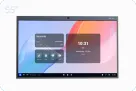
Interactive smartboards have emerged as one of the most powerful solutions, helping schools create engaging learning environments while simplifying the teaching experience. From STEM instruction and hybrid learning to special education and academic collaboration, interactive displays are reshaping what effective teaching looks like in the digital age.
Educational Perspectives: Why Classrooms Need More Than Just Digital Screens
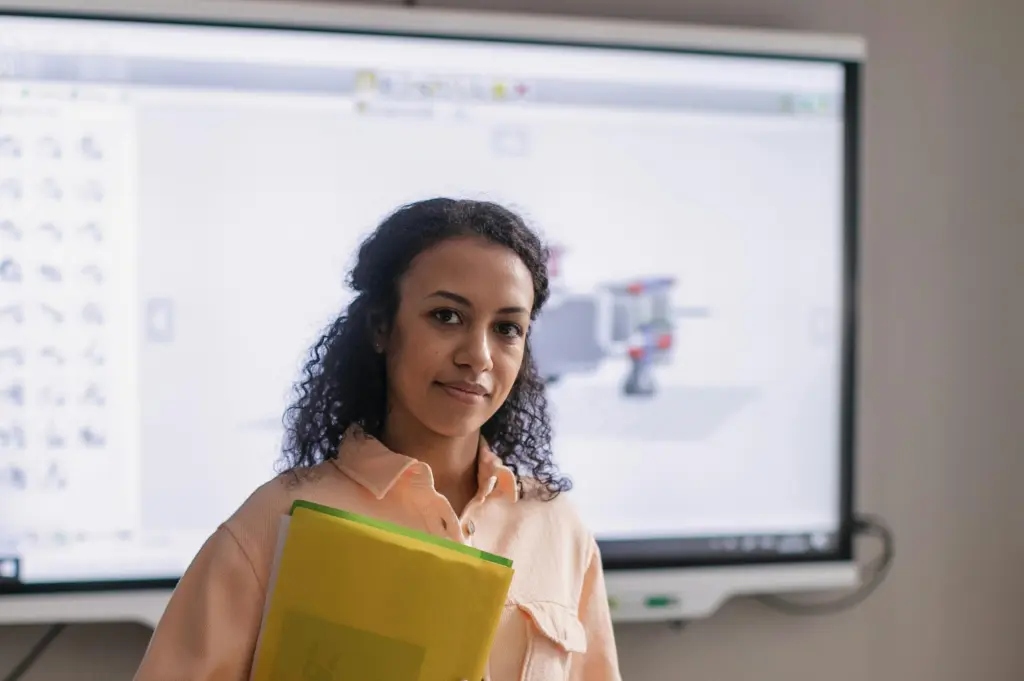
Modern education isn't simply about replacing chalkboards with touchscreens. The goal is to create learning environments that support critical thinking, collaboration, creativity, and real-time engagement.
Today's students learn through multiple channels simultaneously. They watch videos, collaborate online, interact with simulations, and consume information visually. As a result, educators need tools that accommodate these evolving learning styles.
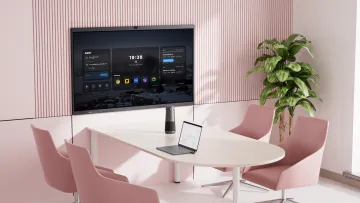
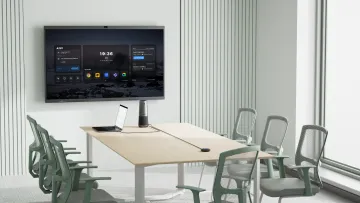
Interactive smartboards support these educational perspectives by combining visual learning, hands-on interaction, multimedia content, and collaborative participation into a single platform.
Unlike traditional displays, smartboards allow teachers to annotate content in real time, launch educational software, share screens wirelessly, and engage both in-person and remote learners. This creates a more dynamic classroom where students become active participants rather than passive observers.
The result is a learning experience that better aligns with modern educational goals while reducing the technological barriers that often frustrate teachers.
Effective Educators Need Unlimited Space for Complex STEM Learning
One of the biggest frustrations for STEM instructors is limited board space.
Whether teaching advanced calculus, physics derivations, engineering concepts, or chemical equations, educators often find themselves erasing previous work before students have fully processed the information. This interruption can break logical continuity and make it harder for students to follow complex problem-solving processes.
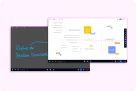
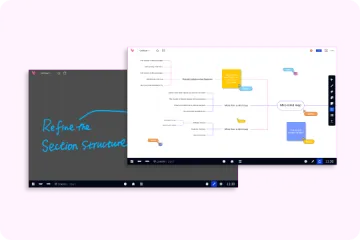
Interactive smartboards equipped with infinite canvas technology solve this challenge by providing virtually unlimited workspace. Teachers can zoom in on details, zoom out to review entire lessons, and maintain complete problem-solving workflows without deleting previous content.
This capability is particularly valuable in the science classroom, where complex concepts often require multiple layers of explanation and visualization.
Rather than focusing on board management, educators can dedicate more attention to instruction, discussion, and student understanding.
For effective educators, maintaining the continuity of thought throughout a lesson can significantly improve comprehension and retention.

Progressive Education Network: Bringing Virtual Labs into Everyday Learning
Hands-on experimentation is essential for STEM education, but physical laboratories often present challenges.
Equipment costs, safety concerns, limited resources, and scheduling constraints can reduce the frequency and quality of laboratory experiences. This is especially true for advanced experiments involving chemistry, physics, or engineering concepts.
A progressive education network increasingly relies on virtual laboratories to supplement traditional instruction.
Because many interactive smartboards run full Windows operating systems, teachers can access simulation platforms, laboratory software, and educational applications directly from the classroom display.
Students can observe chemical reactions, test engineering designs, manipulate scientific variables, and explore physical phenomena in real time without the risks associated with physical experimentation.
These immersive experiences promote inquiry-based learning while making complex scientific concepts easier to understand.
By integrating virtual labs into daily instruction, schools can expand access to meaningful STEM experiences without dramatically increasing costs.
Technology adoption remains one of the biggest obstacles in school digital transformation efforts.
Many districts invest heavily in educational technology only to discover that teachers avoid using it because the systems are too complicated. Lengthy setup procedures, confusing interfaces, and constant troubleshooting create frustration and reduce classroom efficiency.
This is why simplicity has become a defining factor in successful digital campuses.
The best tech tools for the classroom prioritize intuitive design, one-touch functionality, and minimal learning curves.
Features such as one-click meeting access, streamlined interfaces, and wireless connectivity allow educators to focus on teaching rather than technology management.
When technology becomes easier to use, adoption rates increase significantly. Teachers gain confidence, students experience fewer interruptions, and schools achieve a greater return on their digital investments.
In many ways, simplicity is the hidden factor behind successful educational innovation.
What Is Hybrid Learning and Why Student Engagement Matters
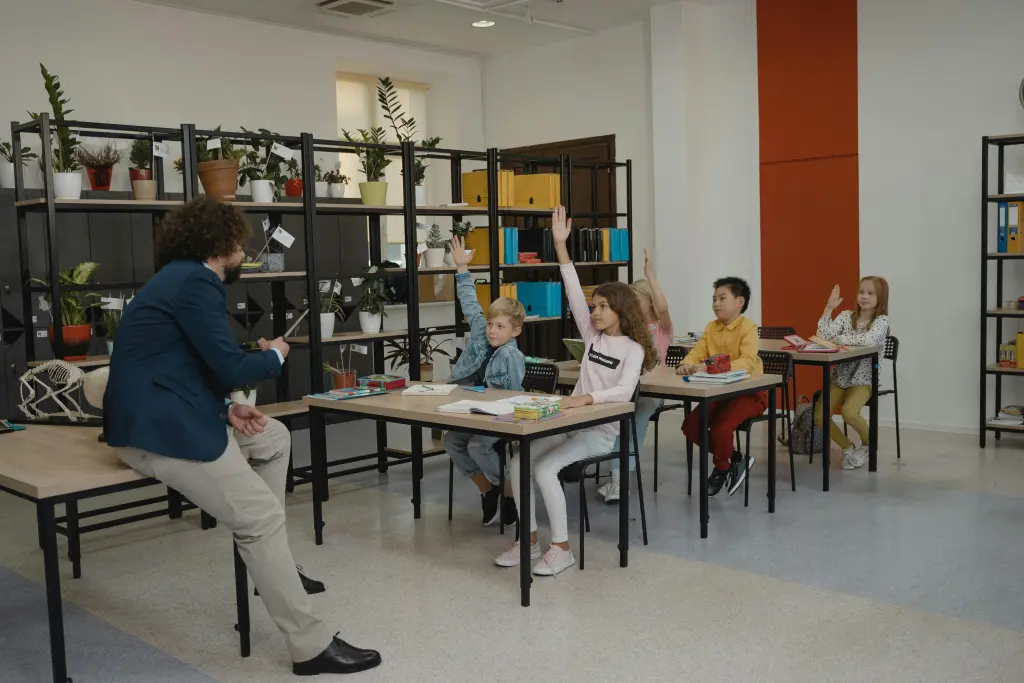
The rise of remote and hybrid instruction has transformed educational delivery models worldwide.
However, one persistent challenge remains: engagement.
Many instructors report feeling disconnected from remote students. Cameras are often turned off, participation decreases, and instructors struggle to assess understanding through traditional cues.
Understanding what is hybrid learning requires recognizing that engagement is just as important as content delivery.
AI-powered features such as Gallery View and Speaker Tracking help bridge the gap between physical and virtual classrooms.
By automatically focusing on active participants and displaying remote attendees more effectively, these technologies recreate many of the visual dynamics of face-to-face instruction.
Students feel more visible, instructors gain greater awareness of participation levels, and discussions become more natural and interactive.
As hybrid learning continues to evolve, technologies that enhance human connection will play an increasingly important role in educational success.
Modern Classrooms Help Build Trust with Students and Families
Educational institutions today compete not only on curriculum quality but also on learning experience.
Parents evaluating schools, tutoring centers, and training institutions often view technology integration as a reflection of educational quality and future readiness.
Modern learning spaces equipped with 4K interactive displays, wireless presentation tools, and collaborative learning technologies create strong first impressions during tours, demonstrations, and enrollment consultations.
These advanced learning environments communicate innovation, professionalism, and investment in student success.
Many institutions have found that showcasing technology-rich modern classrooms helps strengthen parent confidence and differentiate their programs from competitors.
For schools seeking to increase enrollment and improve brand perception, classroom technology can become a powerful strategic asset.

Special Education Classroom Solutions Require Multi-Sensory Learning Experiences
Every student learns differently.
For students with diverse learning needs, particularly those in a special education classroom, traditional instructional approaches may not provide sufficient sensory engagement.
Large interactive displays can support visual, auditory, and tactile learning simultaneously. High-resolution visuals capture attention, touch interaction encourages participation, and enhanced audio systems ensure instructions remain clear and accessible.
These features help create an inclusive learning environment where students receive multiple forms of feedback and engagement.
Research consistently shows that multi-sensory instruction can improve attention, participation, and information retention for many learners.
By incorporating interactive technologies into special education programs, schools can better support individualized learning needs while creating more equitable educational experiences.
Academic Networking Without Geographic Limitations
Research and innovation increasingly depend on global collaboration.
Faculty members, researchers, and graduate students frequently work across institutions, countries, and time zones. Yet sharing complex diagrams, formulas, datasets, and research notes remains challenging during traditional video meetings.
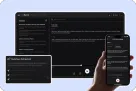
Interactive smartboards help overcome these barriers by enabling real-time collaborative whiteboarding, cloud-based annotation, and multi-device content sharing.
Through enhanced academic networking, researchers can jointly analyze data, develop models, and review findings regardless of physical location.
This capability accelerates knowledge sharing and supports the increasingly collaborative nature of modern scientific research.
As higher education becomes more globally connected, collaborative technologies will continue to play a vital role in advancing discovery and innovation.

Education Is the Most Powerful Weapon for Building Future-Ready Students
The famous belief that "education is the most powerful weapon" remains as relevant today as ever.
However, the tools used to deliver education must evolve alongside the skills students need for the future.
Critical thinking, digital literacy, collaboration, creativity, and adaptability have become essential competencies in modern workplaces. Educational technology can help foster these skills when implemented thoughtfully and strategically.
Interactive smartboards support active learning rather than passive consumption. They encourage collaboration, facilitate problem-solving, and provide access to rich multimedia experiences that deepen understanding.
Most importantly, they help educators create learning environments where students are engaged, empowered, and prepared for an increasingly digital world.
Frequently Asked Questions
What are the benefits of interactive smartboards in education?
Interactive smartboards improve engagement, collaboration, content visualization, and classroom flexibility. They allow educators to combine writing, multimedia content, video conferencing, and educational software on a single platform.
How do smartboards support STEM education?
Smartboards enhance STEM instruction through infinite canvas functionality, interactive simulations, virtual laboratories, real-time annotation, and collaborative problem-solving tools.
Are interactive displays useful for hybrid learning?
Yes. Features such as AI-powered camera tracking, Gallery View, wireless sharing, and integrated conferencing tools help maintain engagement between in-person and remote learners.
How can smartboards improve special education?
Interactive displays provide multi-sensory learning experiences through visual, auditory, and tactile interaction, helping support diverse learning needs and improve participation.
Why is ease of use important in educational technology?
Complex systems often lead to low adoption rates. User-friendly technology reduces training requirements, increases teacher confidence, and improves classroom efficiency.
Can interactive smartboards support research collaboration?
Absolutely. Cloud-based whiteboarding, real-time annotation, and multi-device collaboration make it easier for researchers and academic teams to work together across locations.
Conclusion
The future of education is not defined by technology alone—it is defined by how technology empowers teachers and students.
From supporting STEM instruction and virtual laboratories to enhancing hybrid learning, special education, institutional growth, and global research collaboration, interactive smartboards are helping schools overcome some of their most pressing challenges.
As educational institutions continue adapting to changing learner expectations, the most successful solutions will be those that combine innovation with simplicity, flexibility, and accessibility.

When implemented thoughtfully, interactive smartboards become far more than classroom devices. They become platforms for collaboration, engagement, creativity, and lifelong learning.