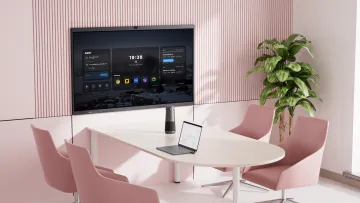
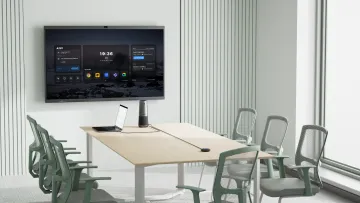
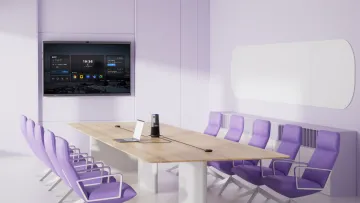
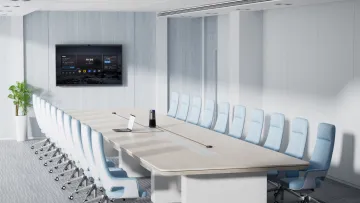
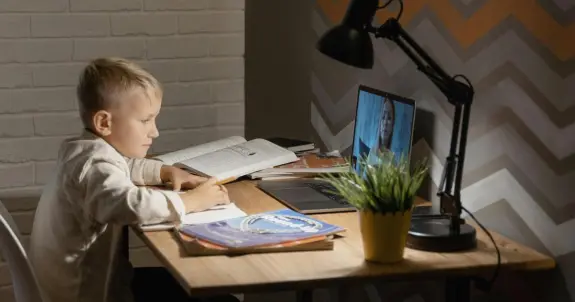
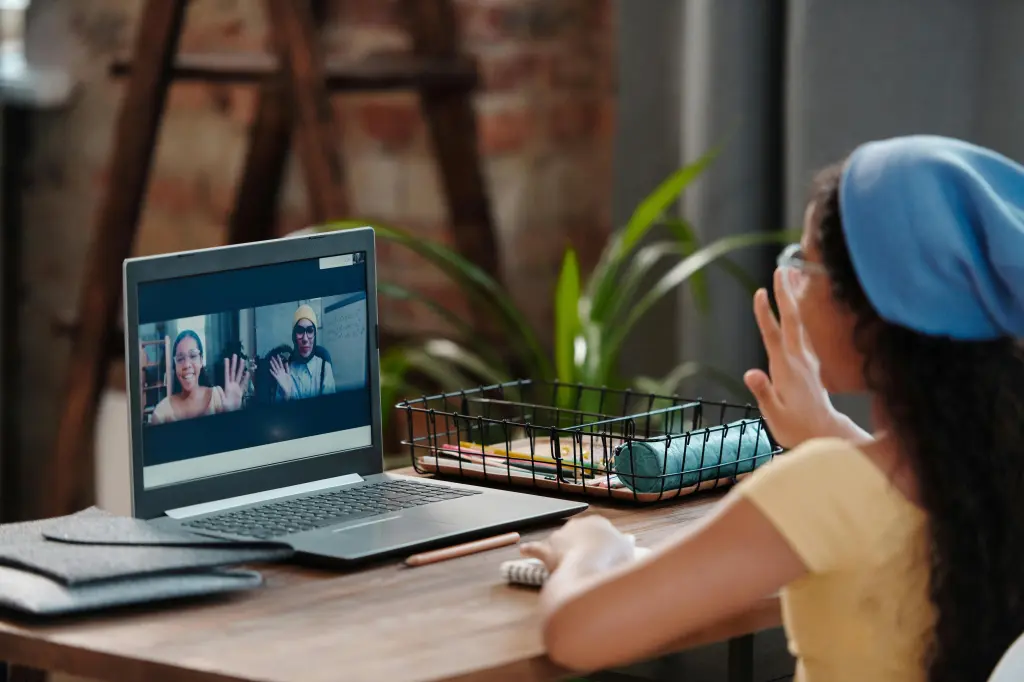
Remote learning promised flexibility, but for many professors, it also introduced a frustrating new reality: teaching to a wall of silent screens. Instead of reading facial expressions, noticing confusion, or encouraging participation, educators often find themselves staring at tiny boxes, blank avatars, or worse — the back of a student’s head.
In a traditional classroom, interaction happens naturally. Teachers can sense when students are engaged, distracted, confused, or eager to participate. But in hybrid learning environments, that human connection can disappear quickly.
This is exactly why AI-powered classroom technology is changing the future of education. Features like AI Gallery View and Speaker Tracking are helping educators recreate the feeling of a real classroom, even when students are joining remotely.
What Is Hybrid Learning and Why Does Engagement Matter?
So, what is hybrid learning exactly?
Hybrid learning combines in-person teaching with remote participation. Some students are physically in the classroom while others attend virtually from home or another location. This flexible learning model became especially common during the rise of online education, but it has now evolved into a long-term teaching strategy for schools, universities, and corporate training environments.
The challenge, however, is maintaining student engagement across both groups.
When instructors cannot clearly see remote students or follow classroom conversations naturally, participation drops. Students become passive listeners instead of active learners. Teachers lose the ability to “read the room,” making lessons feel disconnected and one-sided.
This issue becomes even more obvious during discussions, group activities, or presentations. Remote students often feel invisible, while in-person students may dominate classroom interaction simply because they are easier to see and hear.
That’s where AI-enhanced classroom technology steps in.
Teach Remotely Without Losing Classroom Interaction
One of the biggest concerns educators have when they teach remotely is the lack of real-time feedback.
In a physical classroom, instructors rely heavily on visual cues:
- Students nodding in agreement
- Confused facial expressions
- Raised hands
- Eye contact
- Small group reactions
These subtle interactions help teachers adjust pacing, clarify concepts, and keep students involved.
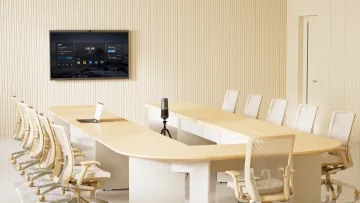
Traditional video conferencing setups often fail to capture this naturally. Static cameras usually focus on the front of the room, creating a distant, impersonal experience for remote learners. Students at home may only see the professor standing still behind a desk or a blurry wide-angle classroom shot.
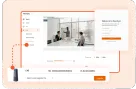
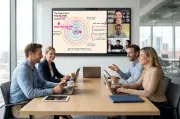
AI Gallery View solves this problem by intelligently framing participants individually. Instead of showing an awkward full-room camera angle, the system automatically detects faces and creates a dynamic gallery layout similar to modern video conferencing platforms.
This creates a far more immersive experience:
- Remote students can clearly see classmates
- Instructors can observe reactions more naturally
- Classroom conversations feel more balanced
- Participation becomes more inclusive
The result is a hybrid classroom that feels collaborative instead of fragmented.
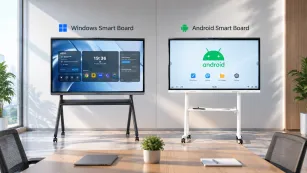
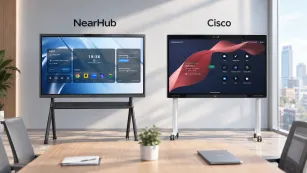
Modern teaching tools also work seamlessly alongside interactive technologies like a smartboard, allowing teachers to combine digital collaboration, annotation, and live engagement in a single learning environment.
AI Tracking Camera Technology Makes Teaching Feel Natural Again
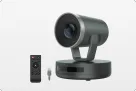
An effective ai tracking camera does more than simply record video.
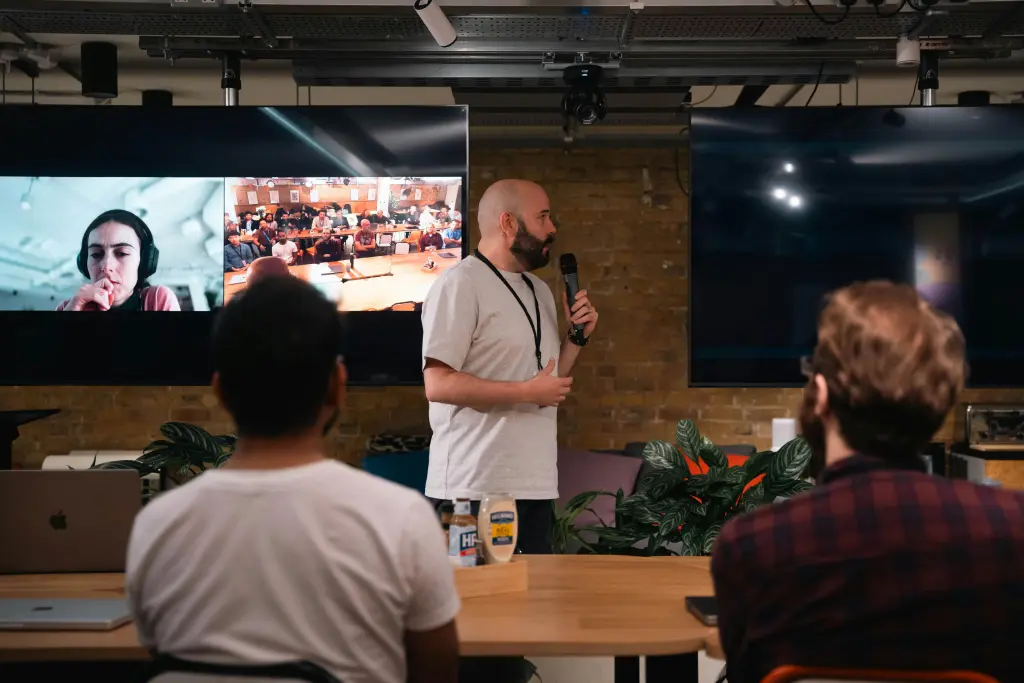
AI-powered speaker tracking uses intelligent motion detection and voice recognition to automatically follow whoever is speaking in the classroom. Instead of manually adjusting cameras or relying on fixed framing, the system dynamically shifts focus in real time.
For professors, this creates a much more natural teaching flow.
Imagine an instructor moving across the classroom while explaining a complex topic. With traditional cameras, the professor may walk out of frame or appear too small for remote students to follow effectively.
With speaker tracking:
- The camera follows the instructor automatically
- Remote students maintain eye-level visibility
- Classroom discussions become easier to follow
- Student presenters receive equal visibility
- The experience feels closer to sitting in the room
This technology is especially valuable during interactive lessons, debates, STEM demonstrations, and collaborative projects where movement matters.
AI camera systems can also support more engaging classroom layouts by working alongside carefully planned learning spaces. Choosing the right classroom whiteboard dimensions can significantly improve visibility for both in-person and remote students.
Student Engagement Improves When Students Feel Seen
Student engagement is not just about attendance. It is about attention, participation, and emotional connection.
Research consistently shows that students are more likely to engage when they feel acknowledged and included. Unfortunately, many remote learners experience the opposite during hybrid lessons.
They may hesitate to speak because they are unsure whether the instructor notices them. They may feel disconnected from classmates or excluded from spontaneous classroom moments.
AI Gallery View helps reduce this isolation by creating a stronger sense of presence.
Instead of being passive viewers, remote students become visible participants within the classroom ecosystem. Teachers can spot reactions faster, encourage quieter students, and maintain more balanced communication between physical and virtual attendees.
This becomes especially important in K-12 environments, where interactive teaching strategies play a major role in maintaining focus. Activities like classroom blackboard games or digital collaboration exercises can become much more engaging when all students remain visually connected throughout the lesson.
Even online learning activities such as free educational games for students become more effective when supported by AI-powered classroom interaction tools that keep students actively involved.
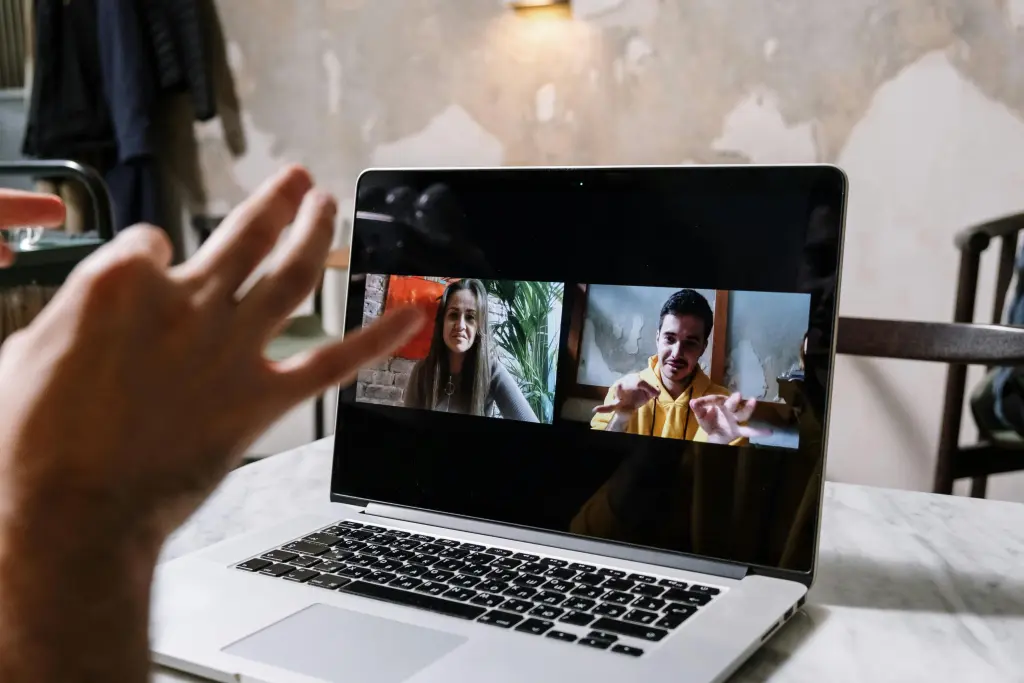
Beyond Video Calls: Creating a True Hybrid Classroom Experience
Many schools initially approached hybrid learning as simply “Zoom plus a classroom camera.” But educators quickly discovered that basic video conferencing tools alone cannot recreate authentic classroom interaction.
A true hybrid classroom requires technology designed specifically for education.
AI-powered classroom systems support:
- Dynamic lesson delivery
- Real-time collaboration
- Seamless transitions between in-person and remote instruction
- Better visibility for all participants
- Improved accessibility for diverse learning environments
This technology also reduces the cognitive burden on teachers. Instead of constantly managing cameras, checking chat windows, or worrying about visibility, instructors can focus on teaching itself.
That shift matters.
When technology fades into the background and supports natural communication, learning becomes more human again.
Why Schools Are Investing in AI-Powered Hybrid Learning Technology
Educational institutions are increasingly recognizing that hybrid learning is not a temporary solution. It is becoming a permanent part of modern education.
Universities are supporting international students remotely. K-12 schools are offering flexible learning options. Professional training programs are combining physical classrooms with online participation.
As expectations for digital learning rise, schools need classroom technology that supports both instructional quality and student engagement.
AI Gallery View and speaker tracking are quickly becoming essential features because they directly address one of the biggest weaknesses of remote education: the loss of human connection.
By making remote students more visible and classroom interaction more natural, these tools help educators reclaim the energy and responsiveness of face-to-face teaching.
Frequently Asked Questions
What is hybrid learning in education?
Hybrid learning is a teaching model that combines in-person classroom instruction with online participation. Some students attend physically while others join remotely through digital platforms.
How does AI Gallery View improve online classes?
AI Gallery View automatically detects and frames participants individually, creating a more interactive and visually engaging classroom experience. It helps instructors observe student reactions and encourages stronger participation.
What is an AI tracking camera?
An ai tracking camera uses artificial intelligence to automatically follow speakers or presenters during lessons. This keeps instructors and students properly framed without requiring manual camera adjustments.
Why is student engagement harder in hybrid classrooms?
In hybrid classrooms, remote students can feel disconnected due to limited visibility, reduced interaction, and lack of real-time feedback. AI-powered classroom tools help bridge this gap by improving communication and classroom presence.
Yes. Many AI classroom systems integrate smoothly with digital teaching tools such as interactive whiteboards and smartboards, helping educators combine collaboration, annotation, and video interaction in one environment.
Conclusion
Hybrid learning offers incredible flexibility, but flexibility should not come at the cost of connection.
When professors cannot see student reactions clearly or remote learners feel invisible, classroom engagement suffers. AI Gallery View and speaker tracking technology help restore the interaction, responsiveness, and presence that make learning effective.
By combining intelligent camera systems with interactive teaching tools, educators can create hybrid classrooms that feel less like disconnected video calls and more like real learning communities.
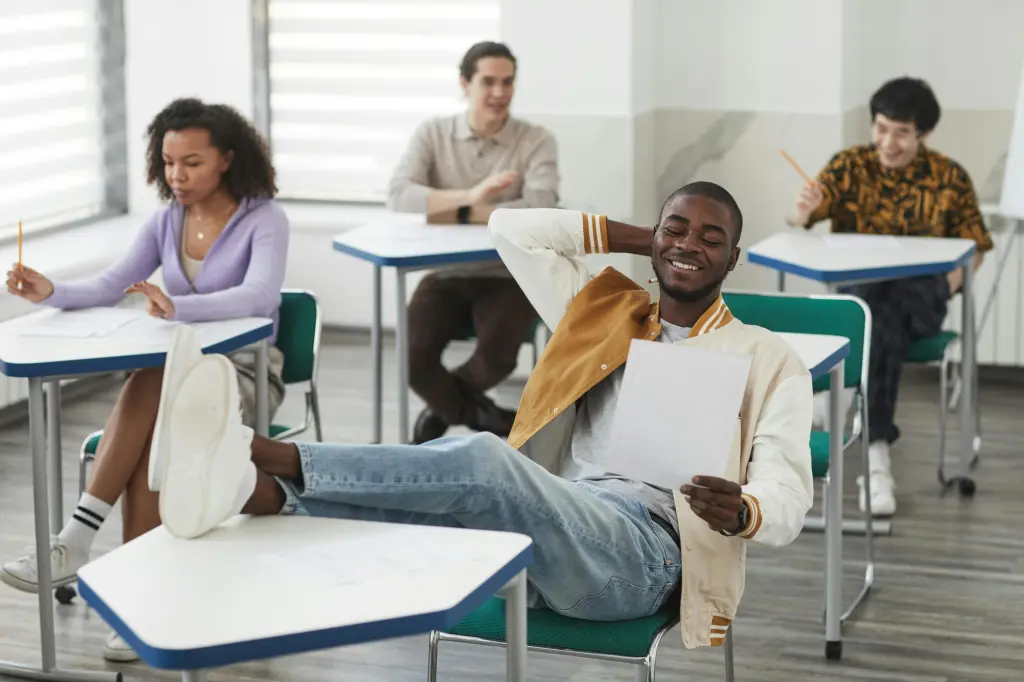
The future of education is not simply about teaching online. It is about making every student — whether remote or in-person — feel seen, heard, and fully involved.