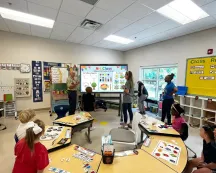
Special education is evolving. Today, educators have access to technology that can make learning more engaging, accessible, and effective for students with diverse learning needs. For many children with autism, ADHD, sensory processing differences, and other developmental challenges, maintaining attention in a traditional classroom can be difficult. Small displays, limited interaction, and unclear audio often create barriers to engagement.
One of the most effective ways to support these students is by creating a sensory-friendly learning experience that combines large visual displays, interactive participation, and crystal-clear audio feedback. Large interactive screens equipped with advanced microphones can help educators build more inclusive classrooms where every student has an opportunity to participate, communicate, and succeed.
In this article, we'll explore how interactive technology supports special education classrooms, enhances sensory learning, and helps schools create truly inclusive learning environments.
How Large Interactive Displays Improve the Special Education Classroom
A modern special education classroom requires tools that can capture and sustain student attention. Many students with special learning needs process information differently than their peers. They often benefit from stronger visual cues, immediate feedback, and hands-on engagement.
Large interactive displays provide several advantages over traditional teaching methods.
First, the larger screen size makes educational content easier to see from anywhere in the classroom. Bright visuals, clear text, and dynamic multimedia presentations help students stay focused on learning tasks.
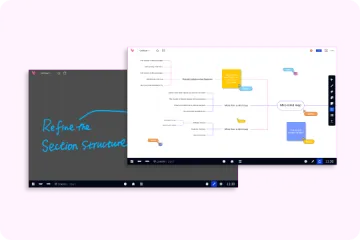
Second, touch-enabled interaction transforms passive learning into active participation. Instead of simply watching a lesson, students can touch, draw, move objects, and respond directly on the screen. This type of engagement can be particularly beneficial for students who learn best through movement and tactile experiences.
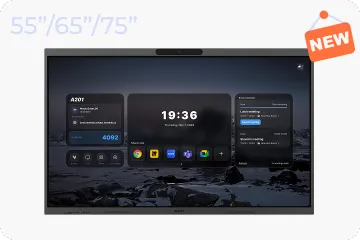
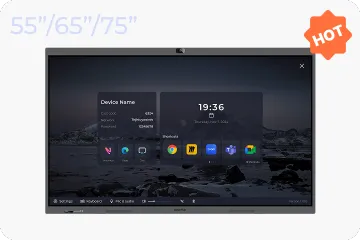
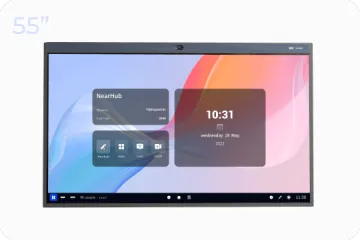
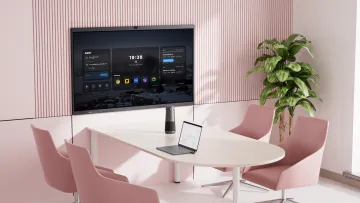
Schools looking to upgrade their learning spaces can explore advanced interactive solutions such as a smartboard that combines large-format displays with collaborative learning tools.
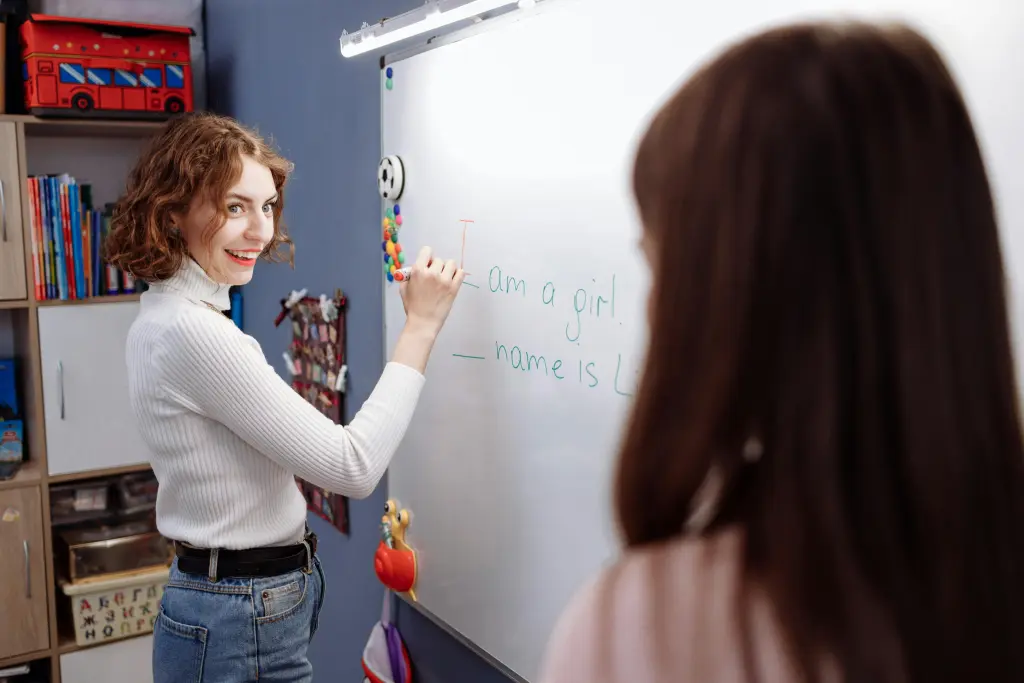
Creating an Inclusive Learning Environment Through Interactive Technology
An effective inclusive learning environment ensures that every student can access educational content regardless of their abilities or learning preferences.
Traditional classrooms often rely heavily on verbal instruction. However, students with special needs frequently require multiple forms of information delivery, including visual, auditory, and kinesthetic learning experiences.
Interactive screens help bridge this gap by presenting information through:
- Visual demonstrations
- Interactive activities
- Multimedia content
- Real-time collaboration
- Immediate feedback
Teachers can display videos, animations, visual schedules, and interactive exercises that accommodate various learning styles. Students who struggle with verbal instruction can rely more heavily on visual supports, while those who benefit from hands-on activities can directly engage with the content.
As schools continue adopting digital learning tools, many educators are exploring which technology helps create an intelligent classroom environment and supports diverse student populations. Modern interactive displays are becoming a key component of this transformation because they provide flexibility for differentiated instruction.
An intelligent classroom leverages technology to personalize learning experiences, improve accessibility, and foster greater student engagement. Interactive screens play a critical role in making this vision a reality.
Why Sensory Learning Matters for Students With Special Needs
Sensory learning is especially important in special education settings because many students process information more effectively when multiple senses are engaged simultaneously.
Research consistently shows that multi-sensory instruction can improve attention, comprehension, and memory retention. For students with sensory processing differences, carefully designed sensory experiences can help maintain focus and reduce classroom frustration.
Large interactive displays support sensory learning in several ways.

Visual Stimulation Supports Cognitive Engagement
Students with attention challenges often respond well to large, high-definition visual content. Clear images, vibrant colors, and dynamic animations can help direct attention toward key learning objectives.
Unlike traditional whiteboards, interactive displays can instantly switch between videos, diagrams, interactive activities, and educational games, creating a more stimulating learning environment.
Teachers can also optimize content visibility by selecting the appropriate display dimensions. Understanding the standard size of whiteboard for classroom can help schools choose screen sizes that maximize visibility and engagement for all learners.
Touch-Based Interaction Encourages Active Participation
Physical interaction can be highly beneficial for students who struggle with passive learning methods.
Interactive displays allow students to:
- Drag and drop objects
- Write directly on the screen
- Solve problems collaboratively
- Participate in educational games
- Engage with digital manipulatives
This immediate cause-and-effect relationship provides valuable sensory feedback that helps reinforce learning concepts.
Real-Time Responses Improve Motivation
Students often remain engaged longer when they receive immediate feedback on their actions.
Interactive learning activities provide instant visual responses, helping students understand whether they have completed a task correctly. This positive reinforcement can increase confidence and encourage continued participation.
The Role of Audio Feedback in Special Education Success
While visual engagement is important, clear communication is equally critical in a successful special education classroom.
Many students struggle to process verbal instructions when classroom audio is unclear or inconsistent. Background noise, poor acoustics, and large classroom spaces can make communication even more challenging.
This is where advanced audio feedback technology becomes particularly valuable.

How 24-Microphone Arrays Enhance Classroom Communication
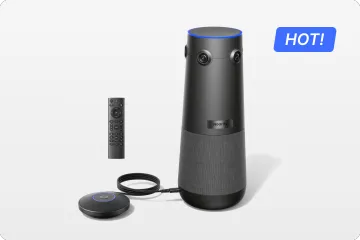
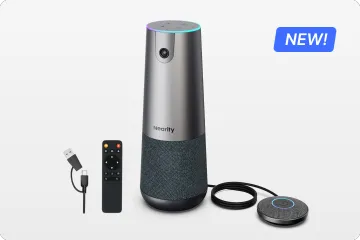
Modern interactive displays equipped with 24-microphone arrays can significantly improve audio clarity throughout the classroom.
These advanced microphone systems are designed to capture voices accurately from multiple directions, reducing the need for students or teachers to repeat themselves.
Benefits include:
- Improved speech recognition
- Clearer classroom discussions
- Better support for hybrid learning
- Enhanced accessibility for students with hearing challenges
- Reduced communication barriers
When every voice can be heard clearly, students are more likely to participate confidently in classroom activities.
Audio Feedback Supports Language Development
For students with speech and language challenges, hearing clear verbal models is essential.
High-quality audio systems allow teachers to provide consistent pronunciation, verbal prompts, and guided instruction. Students can hear instructions more clearly, improving comprehension and language acquisition over time.
Building Student Confidence Through Better Communication
Participation can be intimidating for students who already face communication challenges.
When classroom technology captures and amplifies student voices effectively, learners gain confidence knowing they can be heard and understood. This contributes to stronger classroom participation and a more inclusive educational experience.
Combining Sensory Learning and Audio Feedback for Better Outcomes
The greatest benefits occur when visual engagement and audio clarity work together.
Large interactive screens provide powerful visual stimulation, while advanced microphone systems ensure clear communication. Together, these technologies create a comprehensive learning environment that supports multiple sensory pathways.
For students with autism spectrum disorder, ADHD, dyslexia, developmental delays, or speech and language challenges, this multi-sensory approach can improve:
- Attention span
- Classroom participation
- Information retention
- Communication skills
- Collaborative learning
- Student confidence
Teachers also benefit by gaining more tools to differentiate instruction and accommodate individual learning needs.

Frequently Asked Questions
How do interactive displays support special education students?
Interactive displays provide large visual content, touch-based engagement, and immediate feedback that help students maintain attention and actively participate in lessons. These features are particularly valuable for students with autism, ADHD, and sensory processing differences.
Why is sensory learning important in special education?
Sensory learning engages multiple senses simultaneously, helping students process information more effectively. Multi-sensory instruction can improve focus, memory retention, and overall learning outcomes.
What is the role of audio feedback in an inclusive learning environment?
Audio feedback helps students hear instructions clearly and participate more confidently in classroom discussions. High-quality audio systems reduce communication barriers and improve accessibility for learners with diverse needs.
How does a 24-microphone array improve classroom communication?
A 24-microphone system captures voices from multiple directions with greater accuracy, ensuring that teachers and students can communicate clearly during lessons, group discussions, and hybrid learning sessions.
Can large interactive displays help create an intelligent classroom?
Yes. Large interactive displays are a key component of an intelligent classroom because they support collaboration, accessibility, personalized learning, and real-time engagement through advanced educational technology.
Conclusion
Creating an effective and inclusive educational experience requires more than simply providing access to learning materials. Students with special needs often require stronger visual engagement, meaningful interaction, and clear communication to remain focused and successful.
Large interactive displays combined with advanced 24-microphone audio systems offer a powerful solution. By enhancing sensory learning, improving audio feedback, and promoting active participation, these technologies help educators build more supportive and effective special education classrooms.

As schools continue investing in inclusive learning environments, interactive technology will play an increasingly important role in ensuring that every student has the opportunity to engage, communicate, and thrive.