Remote Insurance Sales: How Agents Can Use Real-Time Annotation to Eliminate Client Concerns About Policy Details
Introduction: The Hidden Challenge of Remote Insurance Sales
The insurance industry has undergone a significant digital transformation over the last several years. What once required multiple face-to-face meetings can now be completed entirely online—from policy presentations and needs assessments to document review and electronic signatures.
For insurance agents, this shift has unlocked tremendous opportunities. Virtual consultations allow professionals to serve clients across wider geographic regions, reduce travel time, increase productivity, and accelerate the sales cycle.
Yet despite these advantages, many insurance professionals encounter a recurring obstacle during remote policy reviews: trust.
When a client sits across the table from an agent, it's easy to point directly at policy clauses, explain exclusions, highlight coverage limits, and answer questions in real time. Clients can physically follow along, making them feel more confident about their purchasing decisions.
In virtual meetings, however, the experience is often very different.
A client may struggle to read small text on a shared screen. Important policy details can appear blurry. Complex coverage language may be difficult to locate. Even when agents provide thorough verbal explanations, clients may still wonder:
- "Am I missing something important?"
- "Where exactly does the policy say that?"
- "Can I trust that I'm understanding this correctly?"
- "What happens if I overlook a critical exclusion?"
These concerns create friction at the exact moment when agents need confidence and commitment.

Fortunately, advances in 4K screen sharing technology and real-time annotation tools are helping insurance professionals bridge this gap. By making policy documents easier to review and allowing agents to visually guide discussions, these technologies create a more transparent, collaborative, and trustworthy client experience.
Why Trust Matters More Than Ever in Digital Insurance
Insurance is fundamentally built on trust.
Unlike many products, insurance delivers value based on future promises rather than immediate tangible benefits. Clients are purchasing protection against uncertain events that may occur months or years later.
This means buyers must trust:
- The insurance carrier
- The policy itself
- The coverage recommendations
- The insurance agent explaining everything
When consultations happen remotely, building that trust becomes more difficult.
Research consistently shows that people rely heavily on visual cues during decision-making. In traditional meetings, clients observe body language, review printed materials, and engage directly with documents.
Digital consultations remove many of these trust-building elements.
As a result, even highly qualified agents can encounter hesitation when discussing:
- Policy exclusions
- Deductibles
- Waiting periods
- Coverage limits
- Beneficiary designations
- Premium increases
- Claims procedures
Clients aren't necessarily skeptical of the agent. They're often simply uncomfortable making important financial decisions without feeling fully informed.
This is why creating transparency during the policy review process has become one of the most important skills in modern digital insurance sales.

How 4K Screen Sharing Improves Insurance Policy Reviews
One of the most overlooked barriers in virtual insurance meetings is document readability.
Insurance contracts contain substantial amounts of information packed into dense legal language. Many clauses appear in small font sizes and require careful review.
Unfortunately, standard screen-sharing solutions can introduce several problems:
- Blurry text
- Pixelated documents
- Reduced readability on tablets
- Difficulty viewing side-by-side comparisons
- Frequent zooming and scrolling
These technical limitations can make clients feel disconnected from the review process.
Crystal-Clear Visibility Builds Confidence
With 4K screen sharing, every section of a policy remains sharp and easy to read.
Clients can clearly see:
- Coverage amounts
- Exclusion language
- Premium calculations
- Benefit schedules
- Riders and endorsements
- Claims conditions
Rather than relying solely on the agent's explanation, clients can verify information themselves.
This subtle shift dramatically increases confidence because the conversation becomes evidence-based rather than interpretation-based.
One of the biggest trust barriers in insurance sales is information asymmetry—the perception that the agent understands far more about the policy than the client.
When documents are difficult to read, that gap feels even larger.
4K screen sharing helps level the playing field.
Clients can independently review policy language while the agent explains key concepts, creating a more balanced and transparent discussion.

Improving Engagement During Virtual Consultations
Visual clarity also improves attention.
When clients can easily follow along, they remain engaged throughout the meeting rather than becoming passive listeners.
This often leads to:
- More questions
- Better understanding
- Higher participation
- Faster decision-making
- Increased trust
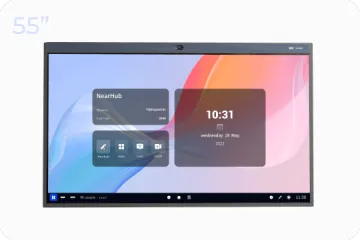
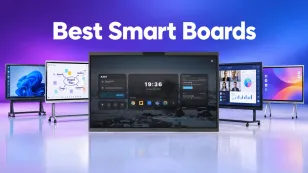
For agencies looking to modernize their client experience, investing in an interactive smartboard can significantly improve document presentation quality during virtual consultations.
Policy Review Best Practices Using Real-Time Annotation
While 4K screen sharing improves visibility, annotation tools transform how agents communicate.
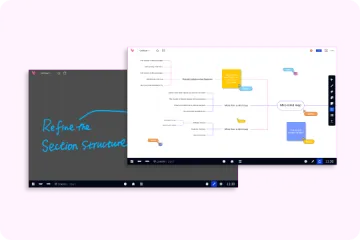
Real-time annotation allows professionals to draw, highlight, underline, circle, and mark important information directly on the screen while discussing it.
Instead of telling clients where to look, agents can show them instantly.
Highlight Coverage Limits in Real Time
Coverage limits often represent the most important section of any insurance policy.
Whether discussing life insurance, health insurance, disability coverage, commercial insurance, or property protection, clients want to know exactly what is covered.
During a virtual consultation, agents can use annotation tools to:
- Highlight maximum benefit amounts
- Circle payout figures
- Mark annual limits
- Emphasize deductible thresholds
This visual guidance helps clients quickly identify the information most relevant to their needs.
Rather than scanning multiple pages independently, they can focus on the highlighted sections being discussed.

Make Exclusions Easier to Understand
Exclusions are frequently the source of misunderstandings after policy purchase.
Clients may assume certain situations are covered when they are not.
The challenge for agents is explaining exclusions clearly without overwhelming prospects.
Real-time annotation helps simplify this process.
For example, an agent can:
- Highlight exclusion clauses
- Draw arrows connecting related sections
- Underline critical phrases
- Add notes explaining limitations
This creates a transparent conversation where clients feel informed rather than surprised.
Ironically, openly discussing exclusions often increases trust because clients recognize that the agent is prioritizing transparency over simply making a sale.
Compare Multiple Policy Options Side by Side
Many insurance buyers evaluate multiple coverage options before making a final decision.
Without visual tools, comparing policies can become confusing.
Annotation technology allows agents to place plans side by side and visually identify differences in:
- Premiums
- Coverage limits
- Waiting periods
- Co-pays
- Riders
- Deductibles
Clients can immediately see trade-offs and understand why one policy may be more suitable than another.
This consultative approach positions the agent as a trusted advisor rather than a salesperson.
How to Build Trust During Virtual Insurance Consultations
Trust is rarely established through a single statement or presentation.
Instead, it develops through a series of small interactions that consistently demonstrate transparency, competence, and professionalism.
Show, Don't Just Tell
One of the most effective trust-building principles is simple:
Show clients what you're explaining.
When discussing coverage limitations, display the clause.
When discussing benefits, highlight the relevant section.
When discussing exclusions, mark the exact language.
Visual confirmation reinforces verbal explanations and reduces uncertainty.

Encourage Questions Throughout the Review
Many clients hesitate to ask questions because they fear slowing down the meeting.
Real-time annotation creates a more collaborative environment.
Agents can invite clients to:
- Point out sections they want clarified
- Request additional explanations
- Compare alternatives
- Review specific clauses again
The more involved clients become, the more ownership they feel over their final decision.
Create a Shared Decision-Making Experience
Traditional sales presentations can sometimes feel one-sided.
Interactive policy reviews create a shared experience where both parties examine information together.
This collaborative approach significantly improves trust because clients feel they are participating in the decision rather than being persuaded into it.
The Role of Interactive Display Technology in Modern Insurance Agencies
As insurance sales become increasingly digital, agencies are investing in technology that supports more engaging client interactions.
Many organizations are implementing solutions such as a smart board for office environment to improve presentations, policy reviews, team training sessions, and remote consultations.
Interactive displays allow agents to:
- Annotate documents naturally
- Present policies more clearly
- Conduct virtual workshops
- Collaborate with clients remotely
- Improve internal training programs
The result is a more professional and client-focused experience.
When evaluating display solutions, agencies often compare features alongside overall smart board price considerations to identify the best return on investment.
For firms conducting frequent hybrid meetings, a dedicated smart board for conference room setup can further enhance communication between remote participants and in-office teams.

Digital Insurance Compliance and Documentation Benefits
Beyond improving client experience, annotation-supported policy reviews can strengthen compliance processes.
Insurance regulations increasingly emphasize transparency and informed consent.
By reviewing documents visibly and systematically, agents can demonstrate that clients were provided an opportunity to understand:
- Coverage terms
- Exclusions
- Premium obligations
- Claims requirements
- Disclosure statements
This creates a more defensible sales process and reduces the likelihood of future disputes.
Documentation of transparent review practices can also help agencies maintain consistent standards across teams.
The Future of Digital Insurance Sales
The future of insurance sales is unlikely to return to a fully in-person model.
Consumers increasingly prefer:
- Remote consultations
- Digital signatures
- Virtual policy reviews
- Online claims management
- Self-service account access
However, convenience alone will not drive long-term success.
The agencies that thrive will be those that successfully combine digital efficiency with human trust.
Technologies such as:
- 4K screen sharing
- Interactive displays
- Live annotation
- Collaborative document review
- AI-powered assistance
will continue shaping how insurance professionals educate, advise, and support clients.
Rather than replacing the agent, these tools enhance the agent's ability to communicate clearly and build stronger relationships.

Frequently Asked Questions
What is 4K screen sharing?
4K screen sharing refers to sharing content at ultra-high-definition resolution, providing significantly sharper images and text compared to standard screen-sharing methods. This makes insurance documents easier to review during virtual consultations.
Why is readability important during policy reviews?
Insurance contracts contain detailed legal language, coverage conditions, and exclusions. Clear readability helps clients fully understand what they are purchasing and reduces the risk of misunderstandings.
How does real-time annotation improve insurance sales?
Annotation tools allow agents to highlight key clauses, explain exclusions visually, compare plans, and answer questions more effectively. This creates a more engaging and transparent review process.
Can annotation technology improve client trust?
Yes. When clients can clearly see and verify information being discussed, they feel more informed and confident. Transparency is one of the strongest drivers of trust in digital insurance sales.
What display technology is best for remote insurance consultations?
Many agencies use professional interactive displays and smartboards that support 4K screen sharing, touch interaction, and real-time annotation capabilities to enhance client communication.
Conclusion: Trust Is Built Through Clarity
In the digital insurance era, successful agents must do more than explain policies—they must help clients confidently understand them.
The challenge isn't simply delivering information. It's making complex insurance documents accessible, transparent, and easy to navigate during remote consultations.
By combining 4K screen sharing with real-time annotation, insurance professionals can replicate many of the trust-building advantages of in-person meetings while maintaining the convenience of virtual sales. Clients gain a clearer understanding of policy details, agents communicate more effectively, and the entire review process becomes more collaborative.

As digital insurance continues to evolve, visual clarity and interactive communication will become essential competitive advantages. Agents who embrace these technologies will be better positioned to build trust, reduce objections, accelerate decision-making, and create stronger long-term client relationships.