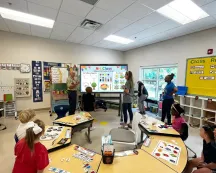
Importance of encouraging Children to Speak in Public
Encouraging children to speak in public is vital for their personal and social development. Public speaking helps build confidence, improve communication skills, and develop the ability to articulate thoughts clearly. It fosters critical thinking, as children learn to organize their ideas and present them logically. Speaking in public also enhances
emotional intelligence, teaching children to read their audience and respond appropriately. Furthermore, it prepares them for future academic and professional opportunities, where effective communication is often key to success. By learning public speaking skills early on, children will have essential tools for navigating diverse social situations and expressing themselves confidently.
Tips for Developing Public Speaking Skills for Children
Pre-Primary School
-
Storytelling: This activity not only helps them organize their thoughts but also allows them to express themselves in a coherent and engaging manner. Through storytelling, children learn to structure their narratives, use descriptive language, and captivate their audience.
-
Show and Tell: Create opportunities for children to participate in show-and-tell activities, where they can present their favorite toys or items. This exercise allows them to practice speaking in front of others, helping them become more comfortable with public speaking and improving their ability to convey information clearly and confidently.
-
Use of Puppets: Puppets can serve as a playful and imaginative medium for young children to express themselves. By using puppets, children can step into different characters, which can help them build confidence in speaking and explore various emotions and voices.
Primary School
-
Class Presentations: Integrate regular presentations into the curriculum to give children consistent opportunities to practice speaking in front of an audience. This experience helps them become more comfortable with public speaking, refine their communication skills, and learn how to present information clearly and effectively.
-
Debates and Discussions: Involve children in simple debates or discussions on age-appropriate topics. This activity encourages them to think critically, develop arguments, and express their opinions confidently. It also teaches them to listen to others, respond thoughtfully, and engage in respectful dialogue.
-
Drama and Role-Playing: Encourage participation in drama activities and role-playing exercises to enhance verbal communication skills and boost confidence. Acting out different roles allows children to explore various perspectives, express emotions, and develop their ability to convey messages through speech and body language.
Secondary School
-
Active Listening: Encouraging children to pay attention to what others are saying and respond thoughtfully. This skill involves more than just hearing words; it requires paying attention to the speaker's message, processing the information, and responding thoughtfully. In this process, students can grasp the nuances and emotions behind the words and foster a positive and respectful communication environmnet.
-
Non-verbal Communication: Teaching the importance of body language, facial expressions, and eye contact. Sometimes body language speaks louder that words and it leaves greater impressions on audiences. And it is even one of the signs differentiating good public speakers from great public speakers. Role-playing, video analysis of speeches, and mirror exercises are all other prctices to improve non-verbal communication skills.
-
Empathy and Emotional Intelligence: Empathy and emotional intelligence are crucial components of effective communication. Empathy allows students to relate to others' experiences and emotions, creating stronger interpersonal connections. Emotional intelligence equips students with the tools to manage conflicts constructively by understanding different perspectives and controlling their emotional responses.
How Can Parents Play a Role?
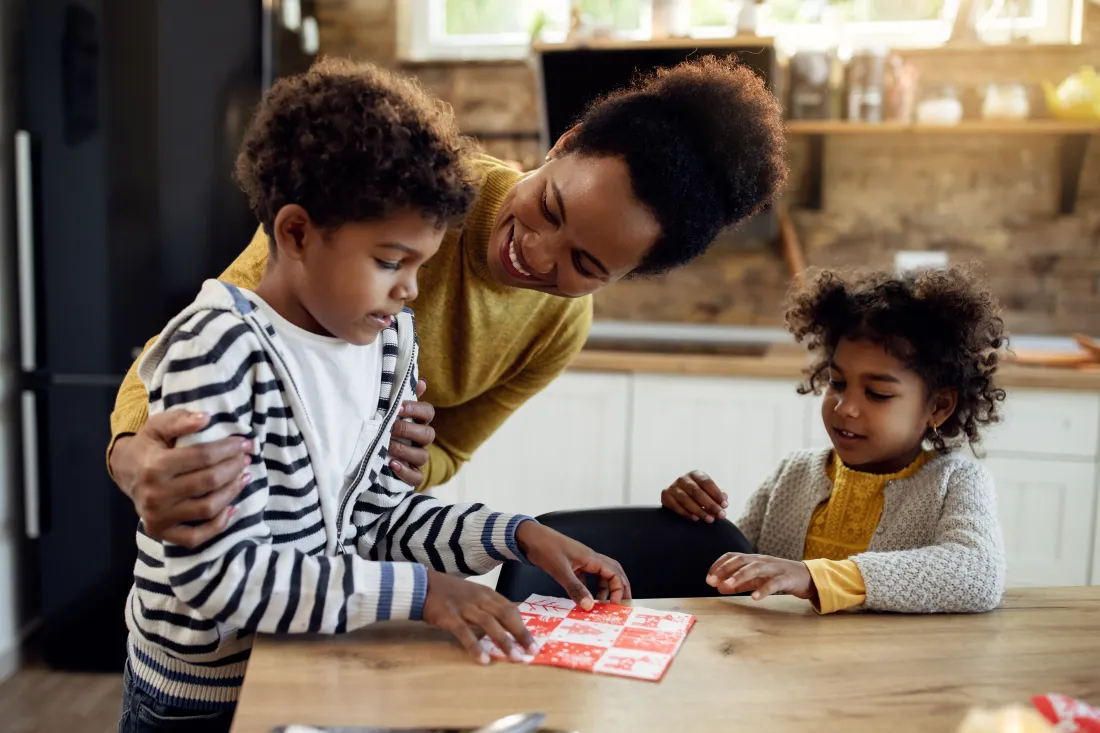
Parents have a significant impact in developing their children's public speaking skills. It is one of the requirements to have a supportive environment that encourages children to express themselves. They can:
-
Encourage Open Communication: Cultivate a supportive environment where children feel at ease expressing their thoughts and opinions. Encourage open dialogue, allowing them to share their ideas and experiences without fear of judgment, thereby fostering their confidence in speaking up.
-
Model Good Speaking Habits: Set a positive example by demonstrating effective communication skills through clear, articulate, and respectful conversations. Show the importance of listening actively, using appropriate tone and language, and maintaining eye contact, so children can emulate these habits.
-
Provide Constructive Feedback: Offer a blend of positive reinforcement and constructive criticism to guide children in improving their speaking abilities. Highlight their strengths to boost their confidence while providing specific suggestions for areas of growth, helping them refine their communication skills over time.
-
Read Aloud Together: Engage in reading books aloud together to enhance vocabulary and pronunciation, which are crucial for developing strong speaking skills. This activity not only improves their language abilities but also exposes them to different styles of expression and storytelling techniques, enriching their overall communication skills.
What Should Schools Take to Improve Children's Public Speaking Skills
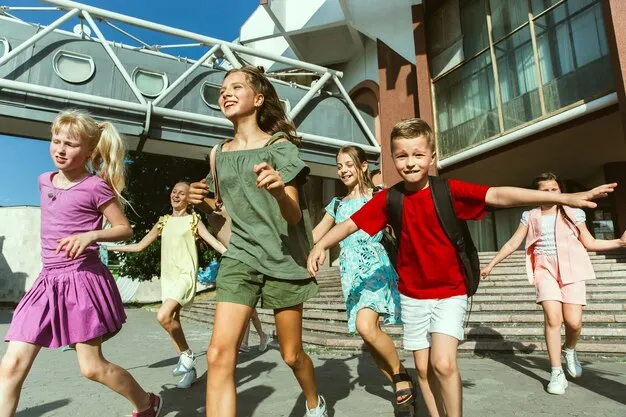
School is one of the places where students develop and grow. Schools can implement several strategies to support the development of public speaking skills:
-
Incorporate Public Speaking into the Curriculum: Embed speaking activities across various subjects to make public speaking an integral part of educational experience. This approach ensures that students regularly practice and develop their communication skills in diverse contexts, from literature presentations to science demonstrations.
-
Offer Specialized Courses: Provide dedicated courses or workshops focused on public speaking techniques and presentation skills. These specialized programs can delve into aspects such as voice modulation, body language, and persuasive speech, equipping students with the tools they need to excel in public speaking.
How Can Technology Help?
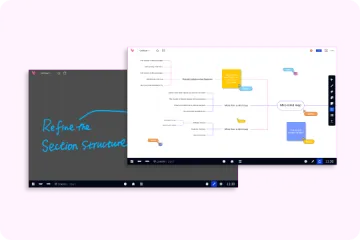
Technology serves as a powerful tool for helping children refine their public speaking skills. Interactive displays and tools like
NearHub's interactive whiteboard offer
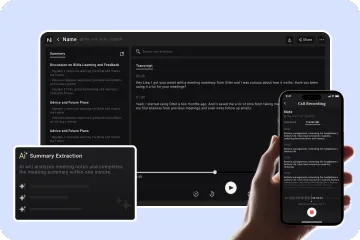
engaging platforms where kids can incorporate multimedia elements such as photos, videos, and interactive features into their presentations. These technologies also enable practice sessions, allowing children to record, review, and improve their performances. Additionally, they enhance audience interaction through real-time feedback and the use of
gamification elements makes learning more enjoyable.
Visual aids and
annotation tools further support learning and retention, making the experience both educational and memorable.
Conclusion
Developing public speaking skills in children is a crucial aspect of their overall education and personal growth. By starting early and providing continuous support, parents and educators can help children become confident and effective communicators. These skills will serve them well throughout their lives, enabling them to express themselves clearly and confidently in any situation.
NearHub is an all-in-one solution for meeting rooms and classrooms. NearHub possesses an
interactive digital Board with
cutting-edge whiteboard software. By combining your favorite programs with mess-free writing canvas and video conferencing, you can improve your interaction and productivity in the online meeting room or classroom. Besides, NearHub also provides
MagicPad S13 to improve digital learning and creativity.