In today's fast-paced and interconnected world, the importance of social-emotional learning (SEL) cannot be overstated. As educators, parents, and caregivers, we recognize that academic success is only part of the equation; fostering the social and emotional well-being of our children is equally crucial. Social-emotional learning activities provide invaluable opportunities for children to develop essential skills such as empathy, resilience, self-awareness, and relationship building. In this blog, we'll explore the significance of SEL activities and share some engaging ideas to incorporate into your daily routines.
What is social-emotional learning?
Social-emotional learning (SEL) is the process through which individuals acquire and apply the knowledge, attitudes, and skills necessary to understand and manage emotions, set and achieve positive goals, feel and show empathy for others, establish and maintain positive relationships, and make responsible decisions. SEL is essential for fostering emotional well-being, building healthy relationships, and promoting success in school, work, and life.
The power of social-emotional learning
Social-emotional learning (SEL) has gained widespread recognition for its profound impact on the holistic development of individuals. Rooted in the understanding that emotional intelligence and interpersonal skills are essential for success in all aspects of life, SEL programs and initiatives offer a plethora of benefits that extend far beyond the classroom. Here are some of the key benefits of social-emotional learning:
-
Research has consistently shown that students who participate in SEL programs demonstrate higher academic achievement, improved grades, and greater motivation to learn. By enhancing students' self-awareness, self-regulation, and relationship skills, SEL creates a conducive learning environment where students are better able to focus, engage, and succeed academically.
-
Enhanced social skills and relationships:
SEL equips individuals with the skills and competencies needed to navigate diverse social settings, form positive relationships, and collaborate effectively with others. Through activities that promote empathy, communication, and cooperation, SEL fosters a sense of belonging and connectedness, leading to healthier interpersonal relationships both inside and outside the classroom.
-
Reduced havioral issues and bullying:
SEL programs have been shown to reduce instances of behavioral problems, disciplinary issues, and bullying in schools. By promoting empathy, respect, and conflict resolution skills, SEL creates a positive school climate where students feel safe, valued, and supported. This, in turn, leads to a decrease in disruptive behaviors and fosters a culture of mutual respect and cooperation.
-
Positive mental health outcomes:
SEL plays a critical role in promoting positive mental health outcomes, such as increased self-esteem, reduced anxiety and depression, and improved overall well-being. By fostering emotional awareness, self-acceptance, and a growth mindset, SEL helps individuals develop a resilient and optimistic outlook on life, thereby reducing the risk of mental health issues and promoting a sense of happiness and fulfillment.
-
Preparation for success in life:
Perhaps most importantly, SEL prepares individuals for success in all aspects of life, beyond academic achievement. By cultivating skills such as empathy, communication, critical thinking, and problem-solving, SEL equips individuals with the tools they need to navigate the complexities of the modern world, build meaningful relationships, pursue their goals, and contribute positively to their communities.
10 engaging social-emotional learning activities
Here are ten engaging activities designed to cultivate emotional intelligence, empathy, and interpersonal skills:
-
Emotion charades
Encourage children to express different emotions through body language and facial expressions while playing a game of charades. This activity promotes emotional awareness and empathy as children learn to recognize and interpret various feelings.
-
Gratitude journal
Start a daily or weekly gratitude journal where children can write down things they are thankful for. This practice fosters a positive mindset, encourages reflection, and promotes appreciation for life's blessings.
-
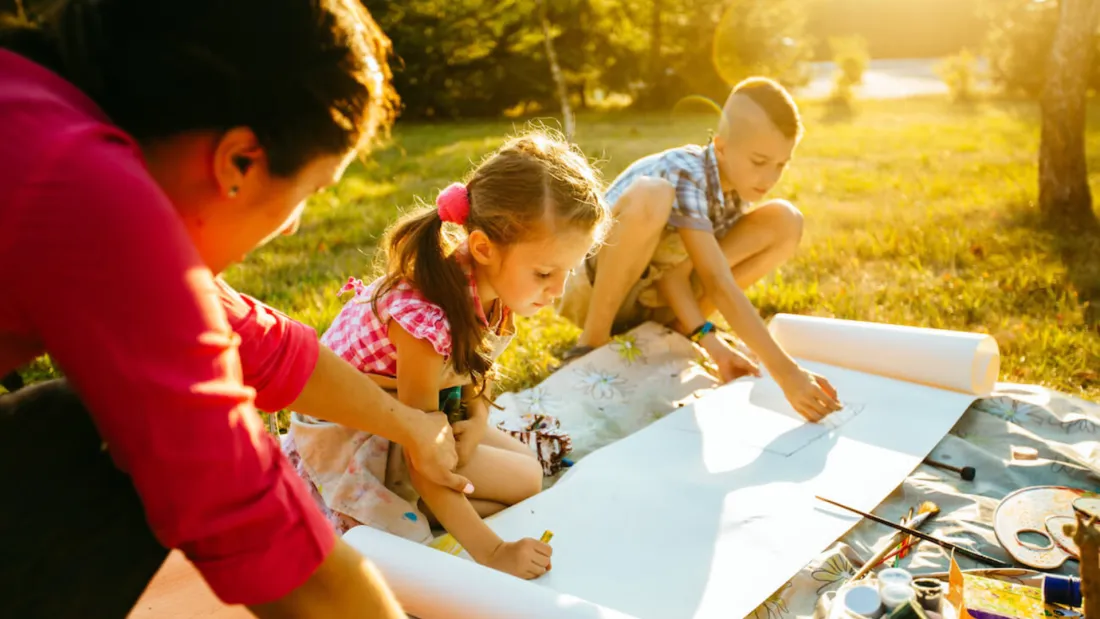
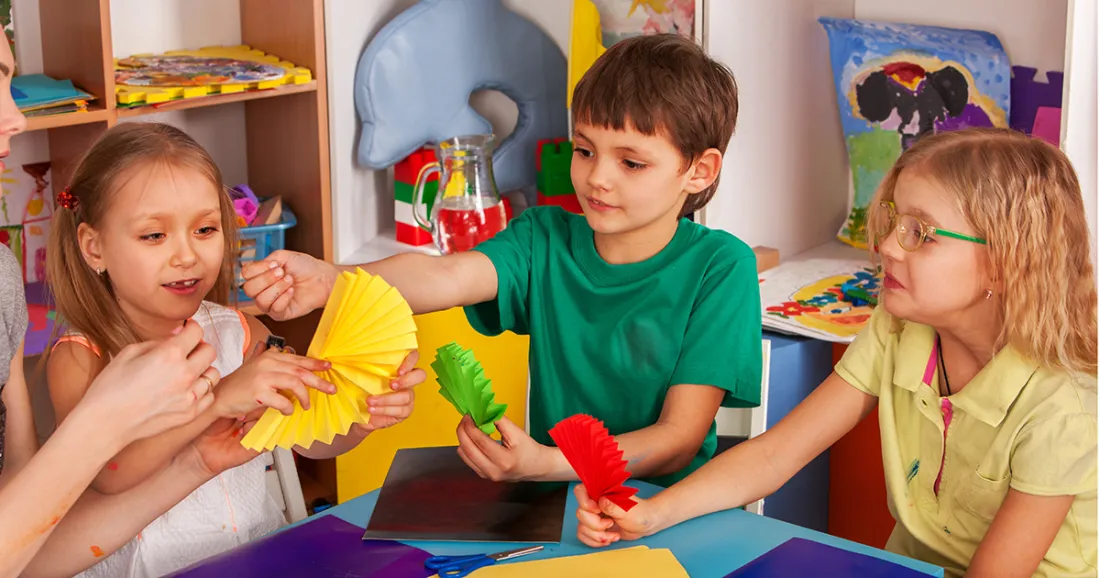
Collaborative art projects
Engage children in collaborative art projects that require teamwork, communication, and compromise. Working together to create something beautiful promotes cooperation and strengthens interpersonal skills.
-
Mindfulness exercises
Incorporate mindfulness exercises into daily routines, such as deep breathing exercises, guided imagery, or mindful walking. These practices help children develop self-regulation skills, improve focus, and reduce stress.
-
Role-playing scenarios
Create role-playing scenarios that allow children to practice problem-solving, conflict resolution, and effective communication skills. Encourage them to take on different roles and explore various perspectives.
-
Get involved in community service projects that allow children to contribute to the well-being of others. Volunteering promotes empathy, compassion, and a sense of social responsibility.
-
Emotion regulation techniques
Teach children practical techniques for regulating their emotions, such as counting to ten, taking deep breaths, or using positive self-talk. These strategies empower children to manage their emotions effectively in challenging situations.
-
Empathy building activities
Engage children in activities that promote empathy, such as storytelling, perspective-taking exercises, or discussing real-life scenarios. Encourage them to consider the thoughts and feelings of others and practice active listening.
-
Conflict resolution role-plays
Role-play common conflict scenarios and guide children through the process of resolving conflicts peacefully. Teach them strategies for active listening, expressing emotions constructively, and finding mutually beneficial solutions.
-
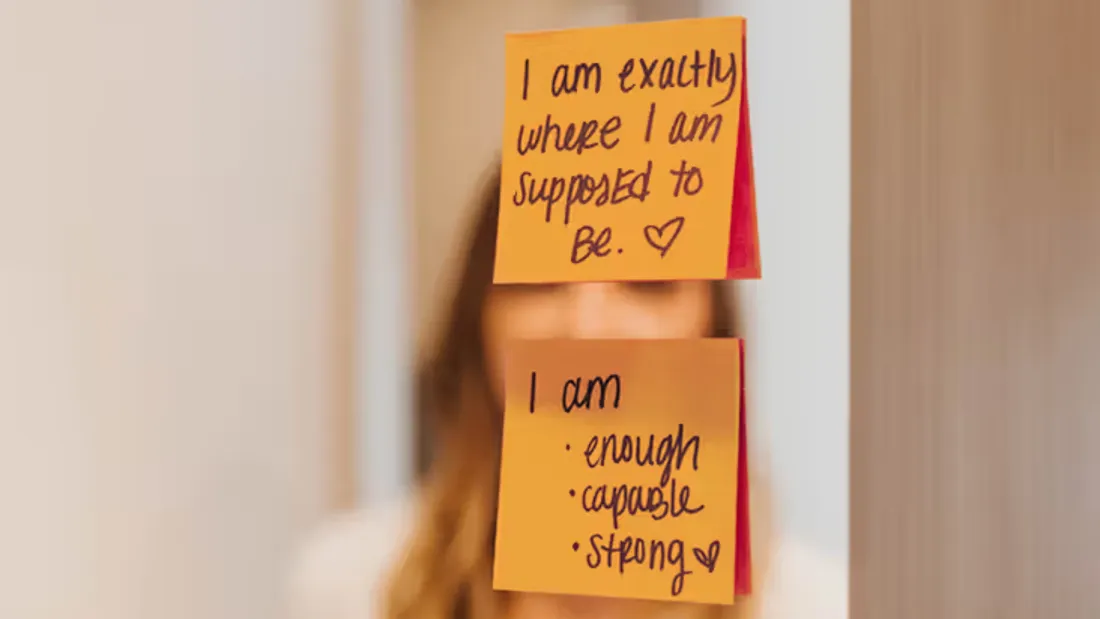
Positive affirmations
Encourage children to practice positive affirmations by repeating empowering statements about themselves, such as "I am capable," "I am worthy," or "I am resilient." These affirmations help boost self-esteem and foster a positive self-image.
By incorporating these engaging SEL activities into children's lives, we can empower them with the emotional intelligence and interpersonal skills needed to thrive in school, relationships, and life overall.
Conclusion
Social-emotional learning activities play a vital role in nurturing the holistic development of children. By integrating SEL into education and everyday life, we empower children to become compassionate, resilient, and socially competent individuals. With tools like Nearhub Board, we can amplify the impact of SEL initiatives, empowering children to become compassionate, resilient, and socially competent individuals.
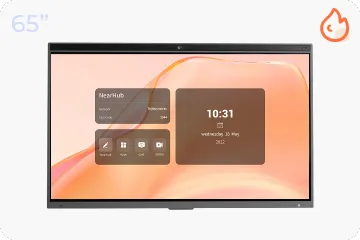
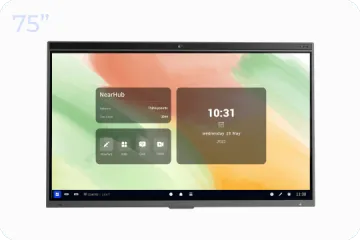
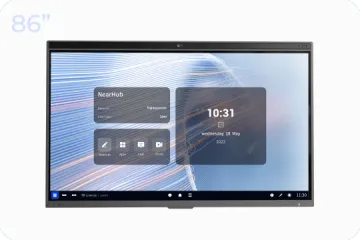
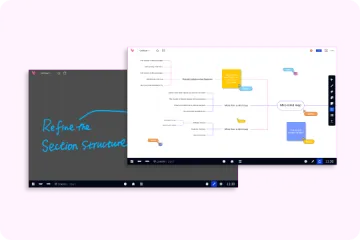
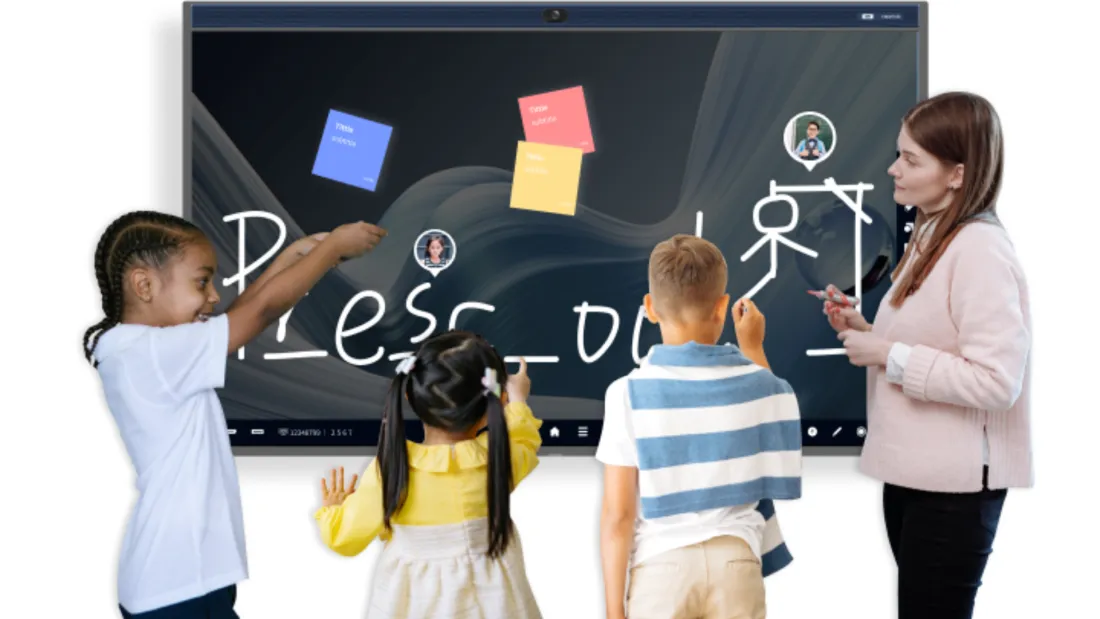
The Nearhub Board can serve as a dynamic platform for facilitating SEL activities, offering a versatile canvas to engage children in expressive arts, mindfulness practices, and collaborative projects. Through the Nearhub Board, educators and caregivers can seamlessly organize and showcase a myriad of SEL activities, fostering emotional intelligence and interpersonal skills in a fun and interactive manner.
Additionally, the Nearhub Board facilitates collaborative projects that encourage teamwork, communication, and empathy among children. Whether working together to create a gratitude journal or resolving conflicts through role-playing scenarios, the Nearhub Board provides a collaborative space where children can learn and grow together.
By harnessing the power of the Nearhub Board, we can maximize the impact of SEL activities, creating a more empathetic and harmonious society one child at a time. Let's commit to fostering the hearts and minds of our children through meaningful SEL activities today, knowing that we are shaping a brighter tomorrow for generations to come.
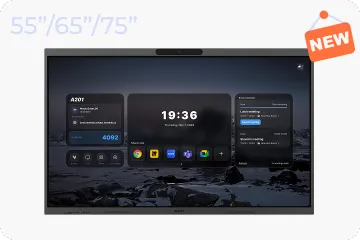
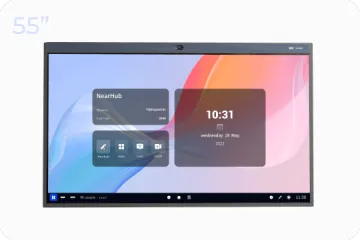
NearHub is an all-in-one solution for meeting rooms and classrooms. NearHub possesses an interactive digital Board with
cutting-edge smart software. By combining your favorite programs with mess-free writing canvas and video conferencing, you can improve your interaction and productivity in the online classroom. Besides, NearHub also provides
MagicPad S13 to improve digital learning and creativity. Click
here to view more on NearHub.