Embark on an exploration of personality intricacies in our latest blog, where we unravel the concepts of sensing and intuition according to the renowned
Myers-Briggs Type Indicator (MBTI). Are you curious about how your preferences for specifics or larger insights affects your work style? Join us as we navigate the subtleties of
S vs. N, helping you identify your preference and illustrating their impact in the workplace. Prepare for an interesting voyage into self-discovery and a better understanding of yourself!
What do sensing and intuition mean?
When it comes to the Myers-Briggs Type Indicator (MBTI), sense and intuition are key factors that impact how people interpret and digest data.
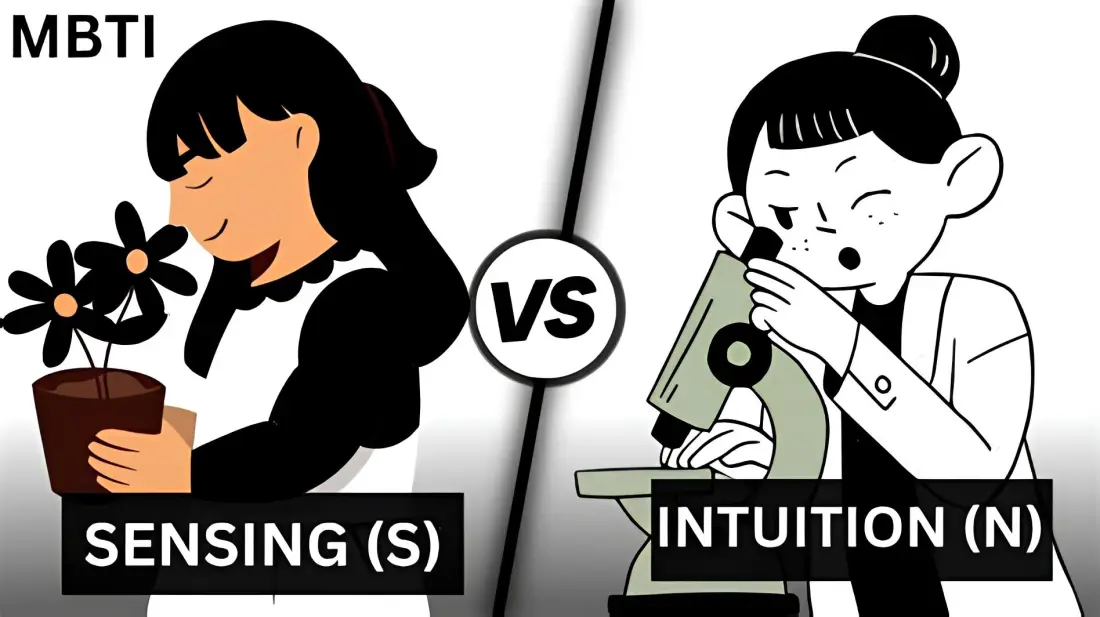
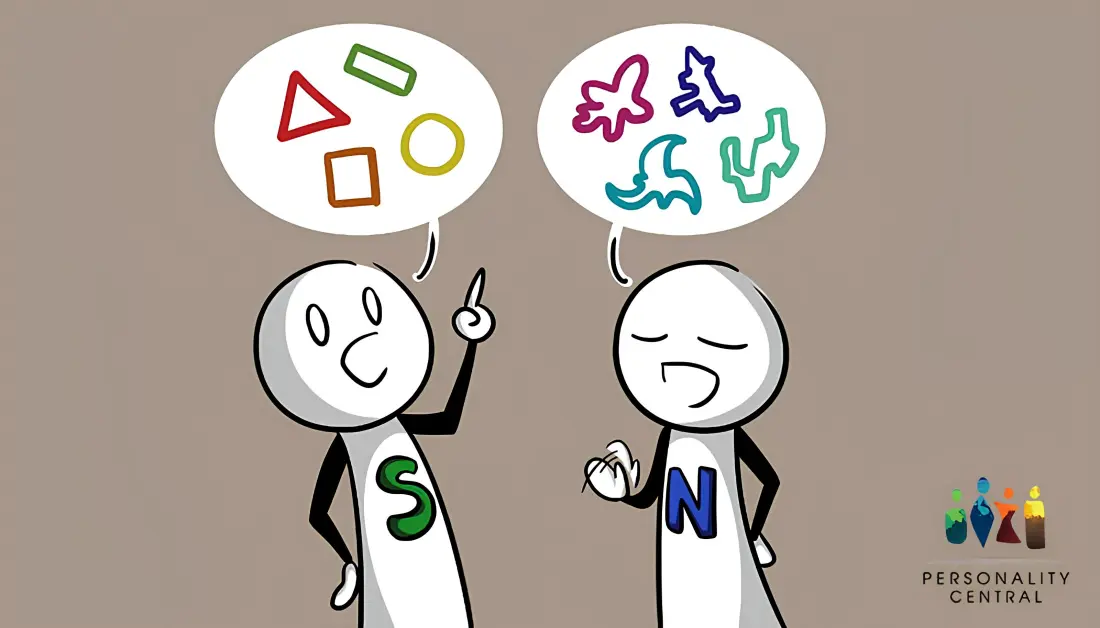
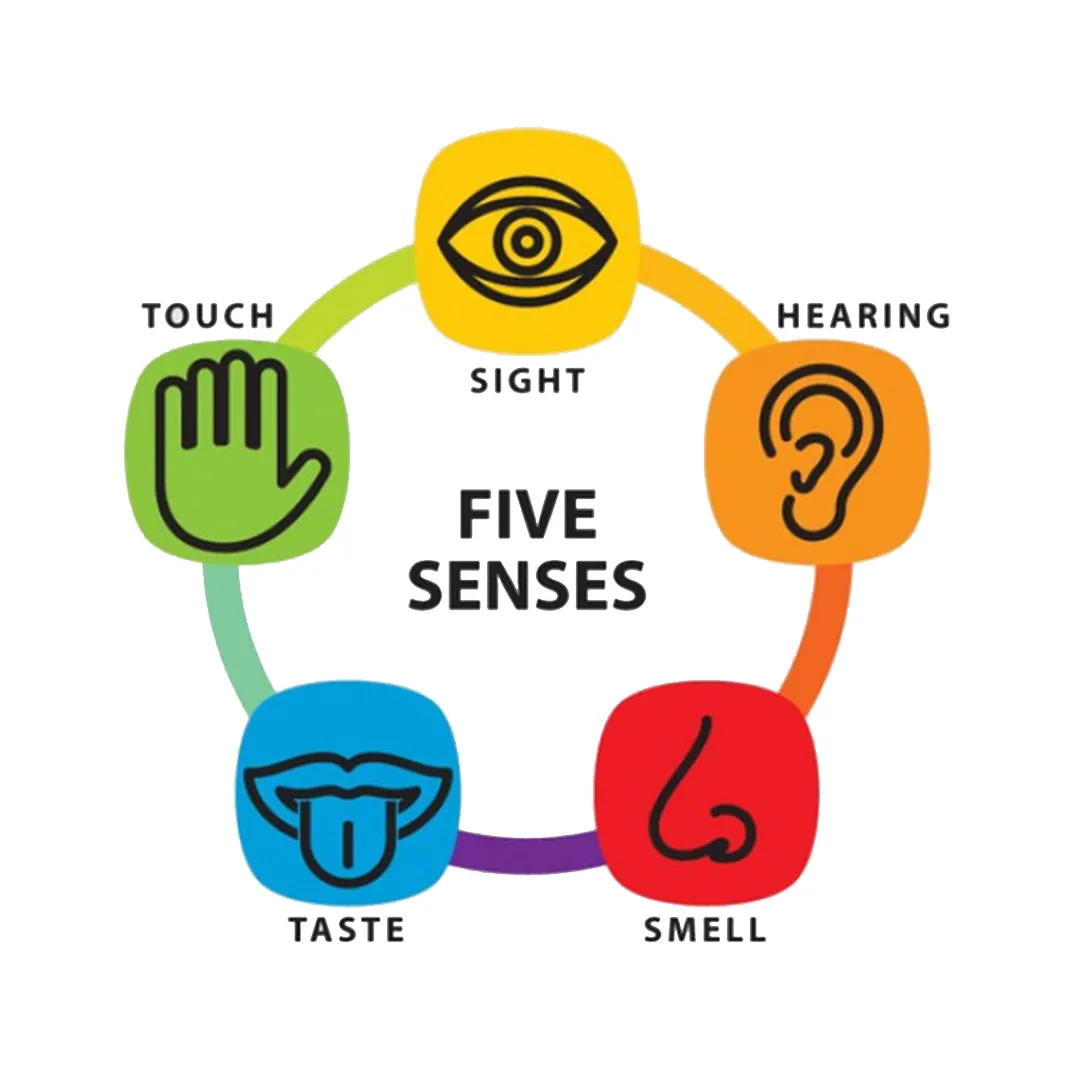
As a preference, sensing emphasizes being in the now via being skilled at obtaining information through the five senses. Sensing-oriented people are good at paying attention to details, following directions precisely, and handling tangible, solid information with ease.
On the other hand, intuition denotes a propensity for information collection from a forward-looking viewpoint using abstract notions and patterns. People who are intuitive tend to be good at seeing things from a broad perspective, thinking outside the box, and coming up with new ideas. Individuals' distinct cognitive landscapes are shaped by the interaction between these two cognitive processes, which have an impact on how people solve problems, make decisions, and interact with their environment.
Differences between sensing and intuition
1. Information Processing:
-
Sensing (S): Emphasizes tangible, concrete details perceived through the five senses, focusing on the present and practical aspects.
-
Intuition (N): Leans towards abstract concepts, patterns, and future possibilities, transcending the immediate.
2. Decision-Making:
3. Approach to Detail:
-
Sensing (S): Excels in attention to detail, thriving in precision and specifics.
-
Intuition (N): Balances details with a focus on connecting disparate elements and envisioning the broader picture.
4. Problem-Solving:
-
Sensing (S): Practical, step-by-step problem-solving grounded in real-world experiences.
-
Intuition (N): Recognizes patterns, makes creative leaps, and offers inventive solutions beyond conventional thinking.
How to determine your preference for S vs. N?
Understanding your cognitive preferences, specifically whether you lean towards Sensing (S) or Intuition (N), is a valuable step in gaining self-awareness. To navigate this exploration, consider the following approaches:
Reflect on natural tendencies
Begin by reflecting on your natural tendencies. Ask yourself probing questions such as: "Do I find myself drawn to concrete details, relying on my five senses to gather information?" Contemplate instances where your decision-making or problem-solving aligns with either a focus on the present and tangible details (S) or future-oriented patterns and possibilities (N).
Personality tests as a guide
Utilize personality tests like the MBTI as a structured guide. These assessments offer a comprehensive analysis of your personality traits, including the dichotomy of Sensing vs. Intuition. By answering thought-provoking questions, you can gain deeper insights into your cognitive preferences and how they shape your approach to various aspects of life.
Delve into how you process information. Evaluate whether you tend to rely on factual evidence, paying meticulous attention to specifics (S), or if you are more inclined to trust your instincts, looking at the bigger picture and exploring innovative ideas (N). Recognizing patterns in your information processing can provide insights into your cognitive preferences.
Using S vs. N in the workplace
In the dynamic world of business, understanding and leveraging the unique strengths of both sensing (S) and intuitive (N) individuals is crucial for fostering a productive and innovative work environment.
Now that you've learned about the different strengths of S and N individuals, let's take a look at how you can use them to improve your performance in the workplace.
For sensors:
 1. Embrace calculated change
While stability and predictability are essential for S individuals, it's important to recognize that not all change is detrimental. Approach change with a pragmatic mindset, seeking to understand the rationale behind it and actively participating in shaping its implementation.
2. Value the insights of intuitives
Open your mind to the perspectives of your intuitive colleagues. Their ability to envision future possibilities and their reliance on gut instincts can provide valuable insights and fresh perspectives.
3. Cultivate your inner dreamer
Nurture your creative spirit by engaging in activities that spark inspiration. Whether it's exploring new ideas through reading or immersing yourself in nature, allow yourself to dream and envision new possibilities for your work.
4. Embrace your wiring
Accept and embrace your sensory nature. Understand that not everyone excels in blue-sky brainstorming sessions, and that's okay. Recognize your strengths and find ways to contribute to the workplace based on your unique abilities and perspectives.
5. Business considerations
When considering branding and clientele, take your sensory wiring into account. If you prefer a more classic approach, incorporate elements of familiarity into your business. Authenticity is essential, and aligning your business with your personality can enhance your performance and satisfaction at work.
For intuitives:
1. Exercise cautious change
While innovation is your forte, avoid change for the sake of change. Evaluate the potential impact of proposed changes and ensure they align with long-term goals and strategic objectives.
2. Building trust with sensors
Recognize that colleagues with a preference for Sensing may require evidence and clarity to embrace change. Help them understand the logical processes behind your intuitive insights and demonstrate how similar ideas have worked in the past. By providing details and contingency plans, you can help sensors embrace necessary changes.
3. Bridge the gap with details
Balance your visionary ideas with a focus on practical details. Help S colleagues visualize the future by highlighting successful examples, mapping out action plans, and addressing potential concerns.
4. Visionary leadership
Embrace your role as a visionary in the workplace. Your ability to lead change and innovation is vital for the organization's growth. Cheerfully and competently lead the way forward by consistently presenting innovative ideas and working towards making improvements.
5. Business alignment
Consider your intuitive nature when shaping your business and branding. If your business values uniqueness and contemporary approaches, ensure that your branding reflects these qualities. Communicate your vision and expertise to clients to establish your business as a leader in innovation and originality.
How NearHub Board can help?
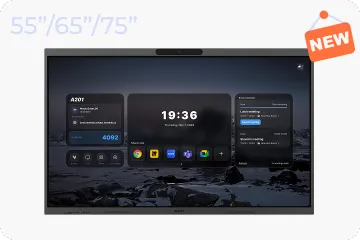
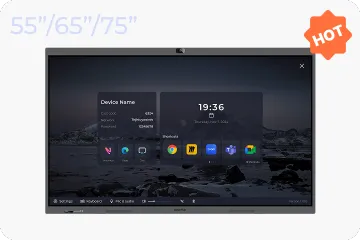
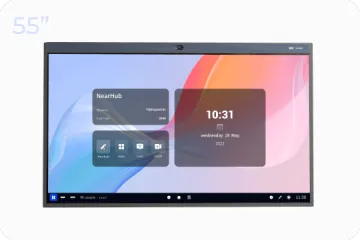
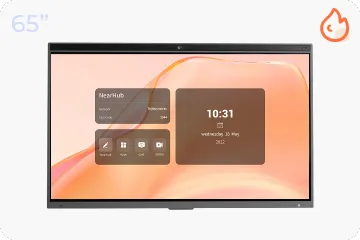
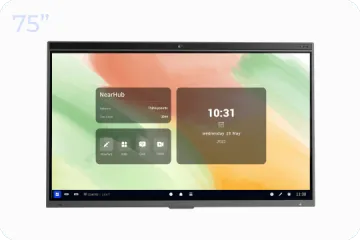
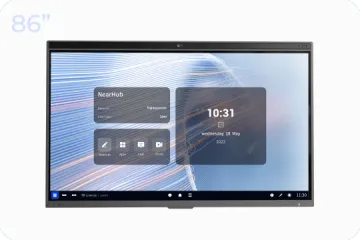
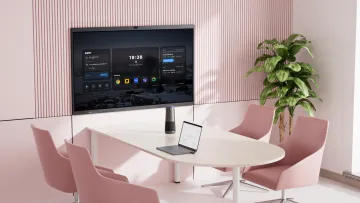
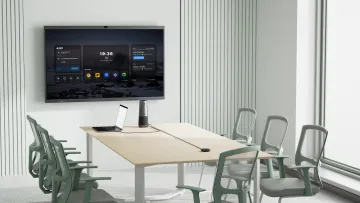
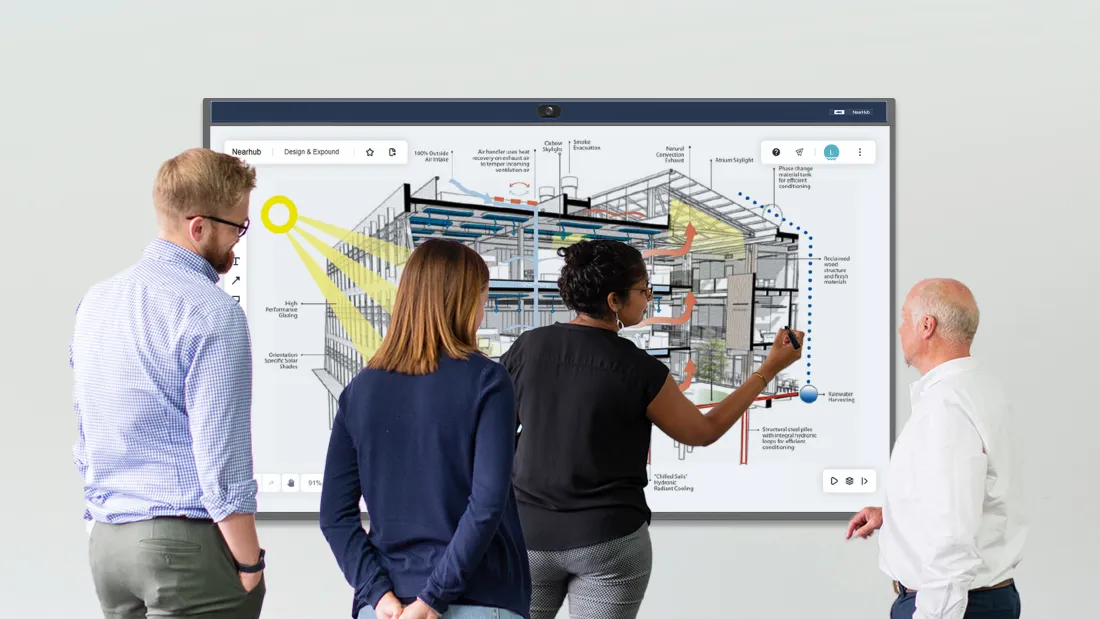
Nearhub Board is a powerful all-in-one interactive whiteboard with robust features. It provides a collaborative space where both sensors and intuitives can thrive. For sensors, the visual and tangible nature of the board enhances their ability to engage with concrete details and data. They can use the board to organize and categorize information, track progress, and ensure that all aspects of a project are meticulously addressed.
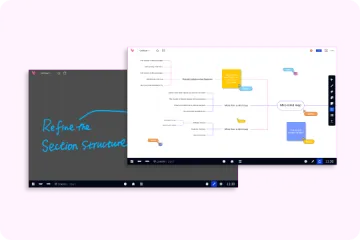
On the other hand, intuitives can leverage NearHub Board's flexibility to explore big-picture concepts, brainstorm creative ideas, and develop innovative strategies. The board's customizable features allow them to arrange and rearrange ideas, make connections, and visualize complex concepts in a way that aligns with their intuitive thinking style.
Furthermore, NearHub Board facilitates effective communication and collaboration among team members with diverse preferences. It provides a platform for sharing ideas, receiving feedback, and aligning different perspectives, thus creating a harmonious and productive work environment for sensors and intuitives alike.