Managers have a range of strategies at their disposal to successfully inspire and improve the productivity of their employees, and one such strategy involves utilizing social facilitation. Social facilitation is the phenomenon where individuals tend to perform better when in the presence of others, often attributed to human self-esteem.
This article focuses on introducing social facilitation and its practical applications in the workplace. A comprehensive guide will be provided to offer detailed insights into this concept.
What is social facilitation?
Social facilitation is a social psychology concept that refers to the phenomenon where the presence of others enhances or inhibits an individual's performance on a task. In simple terms, people tend to perform differently when they are in the presence of others compared to when they are alone.
The theory of social facilitation has evolved over time, and various explanations have been proposed to understand the complex dynamics involved in social facilitation.
-
Arousal theory: The arousal theory of social facilitation suggests that the presence of an audience or co-actors increases physiological arousal in individuals. Arousal is the state of heightened alertness or readiness, and it is believed that this increased arousal can impact performance.
Simple tasks: For well-learned or simple tasks, increased arousal tends to enhance performance. This is because the individual is already skilled in the task, and the heightened arousal boosts their energy and focus.
Complex tasks: For complex or novel tasks, increased arousal can lead to anxiety or nervousness, impairing performance. The individual may become more prone to errors or distractions.
-
Evaluation apprehension: Another explanation for social facilitation is the concept of evaluation apprehension. This theory suggests that individuals are concerned about how others will perceive their performance. The fear of judgment or evaluation can influence their level of arousal and subsequently impact their performance.
-
Distraction-conflict theory: This theory proposes that the presence of others creates a distraction, and this distraction can create conflict in the individual's attention. In the case of simple tasks, distraction may not be detrimental and can enhance performance. However, for complex tasks, the distraction may interfere with concentration, leading to a decline in performance.
Why do workers need social facilitation?
Social facilitation can bring several benefits to the workplace when properly understood and managed. Here are some potential advantages:

-
Increased motivation: The presence of colleagues or a team can boost individual motivation. Employees may feel a sense of accountability to perform well in a group setting, leading to increased effort and dedication to their work.
-
Enhanced performance on simple tasks: Social facilitation tends to positively impact the performance of well-practiced or simple tasks. In a work setting, this can lead to improved efficiency in routine or repetitive tasks when performed in the presence of others.
-
Positive team dynamics: Social facilitation can foster positive team dynamics. When individuals work together in a supportive and collaborative environment, they are more likely to encourage each other, share knowledge, and collectively achieve better results.
-
Effective collaboration: In collaborative tasks, social facilitation can improve coordination and communication among team members. This can lead to smoother workflows, better problem-solving, and more effective project outcomes.
-
Increased accountability: Social facilitation creates a sense of accountability. Knowing that others are aware of one's contributions can encourage individuals to meet or exceed expectations, fostering a sense of responsibility.
While social facilitation can bring about positive outcomes, it's crucial for managers to be mindful of individual differences and the nature of the tasks involved.
Examples of social facilitation in the workplace
Here are examples of social facilitation in the workplace:
Team presentations:
A team of employees is tasked with delivering a presentation to the company's senior leadership. Each team member has a specific role in the presentation, and they are well-prepared for their respective parts.
Effect of social facilitation:
-
Positive impact: The presence of peers and higher-ups serves as a motivating factor for each team member. Knowing that their colleagues are relying on them and that their performance will be observed by leaders enhances their focus and energy.
-
Enhanced collaboration: The collaborative nature of the presentation encourages team members to support each other. They are more likely to share ideas, rehearse together, and provide constructive feedback, leading to a more polished and effective presentation.
Project deadline crunch:
A project team is working against a tight deadline to deliver a crucial project. The team is aware that their work will be reviewed by top management upon completion.
Effect of social facilitation:
-
Increased motivation: The looming deadline and the collective understanding that the project's success is vital for the team and the organization boost motivation. Team members are more likely to put in extra effort and work longer hours, driven by the shared goal of meeting the deadline and impressing management.
-
Team cohesion: The shared stress of the deadline creates a sense of camaraderie among team members. They collaborate closely, support each other, and collectively overcome challenges, resulting in a stronger team bond.
Collaborative problem-solving session:
A cross-functional team is brought together to solve a complex organizational problem. Team members come from different departments, bringing diverse expertise to the table.
Effect of social facilitation:
-
Knowledge sharing: The presence of individuals from various backgrounds and expertise levels creates a positive social facilitation effect. Team members are more likely to share their unique perspectives and knowledge, leading to a richer pool of ideas and potential solutions.
-
Synergy and creativity: The collaborative environment fosters creativity. The social context encourages individuals to build on each other's ideas, leading to innovative solutions that might not have emerged in an individual working setting.
In each of these examples, the presence of others in the workplace setting influences individual and team behavior, contributing to positive outcomes such as increased motivation, collaboration, and creativity. Social facilitation dynamics play a crucial role in shaping the work environment and can be leveraged by managers to enhance team performance.
How to apply social facilitation in the workplace?
Applying social facilitation for managers in the workplace involves understanding the dynamics of social influence and leveraging them to enhance managerial effectiveness and team performance. Here are specific strategies for managers to apply social facilitation:
-
Set clear expectations:
-
Clearly communicate expectations and goals. Provide clear and achievable goals for the team. When team members understand what is expected of them, it creates a shared focus and sense of purpose, positively influencing performance.
-
Demonstrate positive work habits and commitment. Managers should model the behavior they want to see in their team. By exhibiting a strong work ethic, enthusiasm, and dedication, managers set a positive example that can motivate and influence team members.
-
Encourage team collaboration:

-
Create an environment of open communication. Foster an atmosphere where team members feel comfortable expressing their ideas and concerns. Open communication reduces anxiety and facilitates positive social interactions, contributing to a collaborative work environment.
-
Emphasize and encourage teamwork. Structure tasks to promote collaboration, assign team projects, and create opportunities for team members to work together. Collaborative efforts can enhance motivation and performance through positive social facilitation.
-
Involve team members in decision-making processes. Seek input and opinions from employees when making decisions that affect their work. Involvement in decision-making fosters a sense of responsibility and engagement, positively influencing performance.
-
Provide opportunities for employees to share their skills. Organize sessions where employees can showcase their expertise. This not only promotes a positive social environment but also allows team members to learn from each other, contributing to skill development and collaboration.
-
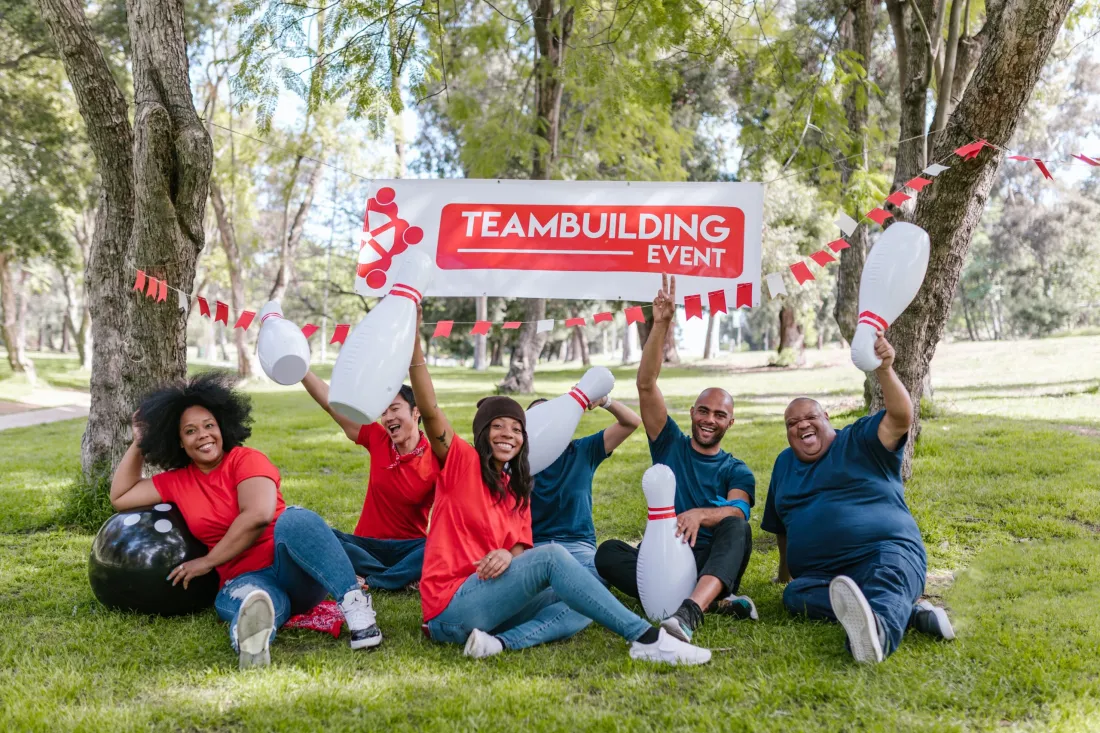
Plan activities that strengthen team bonds. Arrange team-building events, workshops, or retreats. Building positive relationships among team members enhances social facilitation dynamics and contributes to a cohesive and motivated team.
-
-
Cultivate a workplace culture that values mutual support. Encourage teamwork, collaboration, and peer support. A supportive work culture enhances the positive social facilitation effect, promoting a sense of belonging and motivation
-
Acknowledge individual and team accomplishments. Regularly recognize and celebrate achievements. Acknowledgment from a manager in a social context reinforces positive behaviors, fostering a sense of accomplishment and motivation among team members.
-
Offer feedback that emphasizes improvement. Deliver constructive feedback in a supportive manner. Positive feedback in the presence of others can enhance an individual's self-esteem and motivation to perform well.
By applying these strategies, managers can harness the principles of social facilitation to create a positive and productive work environment, fostering motivation, collaboration, and individual and team success.
Nevertheless, managers are tasked with discerning whether social facilitation would yield positive outcomes in specific situations. To put it plainly, the occurrence of social facilitation relies on an individual's familiarity with a particular task. The presence of others generally boosts performance when individuals are familiar with the task, but it tends to hinder performance when dealing with unfamiliar tasks.
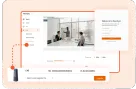
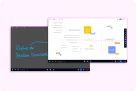
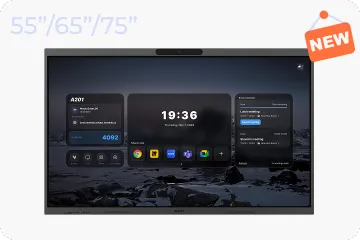
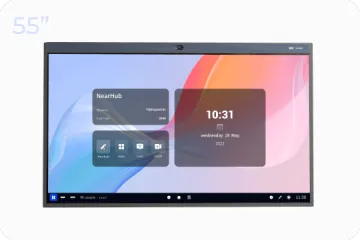
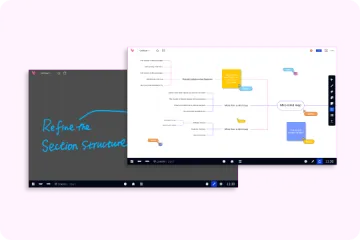
NearHub is an all-in-one solution for meeting rooms and classrooms. NearHub possesses an interactive digital Board with
cutting-edge smart software. By combining your favorite programs with mess-free writing canvas and video conferencing, you can improve your interaction and productivity in the online classroom. Besides, NearHub also provides
MagicPad S13 to improve digital learning and creativity. Click
here to view more on NearHub.