The Evolution of Enterprise Brainstorming Tools: From Sticky Notes to AI-Powered Hybrid Collaboration
Explore how enterprise brainstorming tools evolved from analog sticky notes to digital whiteboards to AI-powered hybrid systems.
brainstorming tool
collaboration software
Updated: Jun 30, 2026 · 6 minutes read
Global Business, Brought Near.
No Installer, No Hassle, Just Works.
The way enterprise teams generate and capture ideas has undergone a fundamental transformation over the past two decades. What began as a physical, in-room activity confined to marker and paper has evolved into a digitally connected, AI-assisted workflow that spans offices, time zones, and software platforms. Understanding this evolution is not just a matter of technological history. It is essential context for any organization evaluating enterprise brainstorming tools today. The phase your current tool belongs to determines whether it is accelerating your team's output or silently dragging it down.
Key Takeaways
Enterprise brainstorming tools have evolved through three distinct phases: analog sticky notes, digital screen replicas, and AI-powered hybrid systems that combine physical interaction with intelligence and integration.
The first two phases solved access problems but left the core workflow broken — teams still manually transcribed, organized, and re‑entered content into other systems.
The 2026 standard is defined by four capabilities: Intelligent Capture, Parallel Contribution, Context Persistence, and Ecosystem Integration. Tools that deliver all four transform brainstorming from a discrete activity into a continuous workflow.
The Analog Era — Sticky Notes and Physical Whiteboards
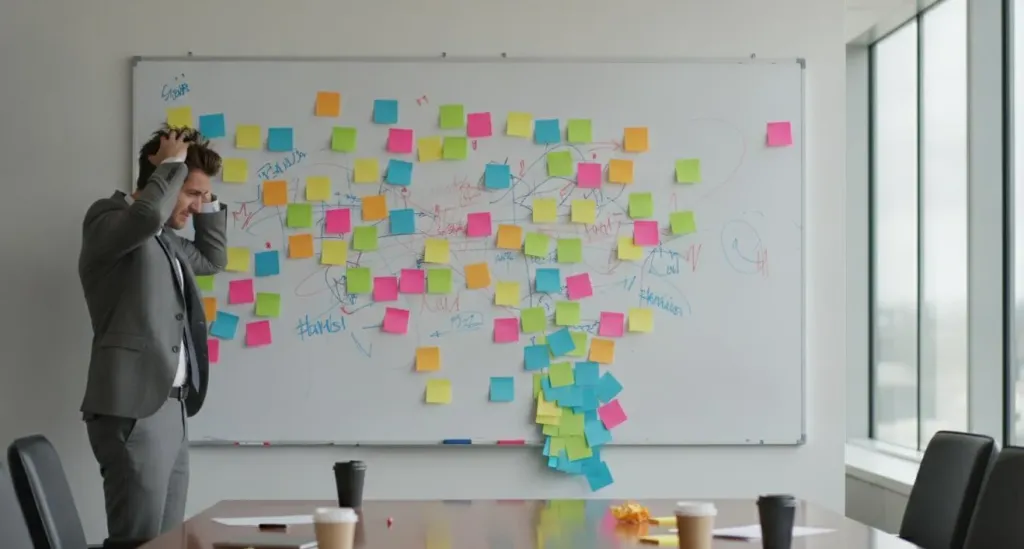
For decades, the corporate brainstorming session looked the same. A facilitator handed out stacks of neon sticky notes. Participants wrote ideas in markers, one per note, and pressed them onto a whiteboard or conference room wall. The method had genuine strengths. It was fast, tactile, and visually intuitive. Standing in a room surrounded by color-coded clusters of ideas created an energy that encouraged free association and rapid iteration.
But the analog approach carried structural limitations that became impossible to ignore as teams grew more distributed. Physical whiteboards are bound by four edges. They cannot be searched, archived, or linked to other systems. The moment the session ends, the decay begins: notes peel, ink fades, and someone inevitably snaps a photo at an angle that renders half the content unreadable. Most critically, meeting productivity tools built around physical surfaces exclude anyone not physically present. Remote team members see a white rectangle on a conference camera, their contributions reduced to verbal suggestions that someone else must transcribe. The method that democratized ideation within a room became a barrier for distributed teams.
Digital Replication — When the Screen Became the Board
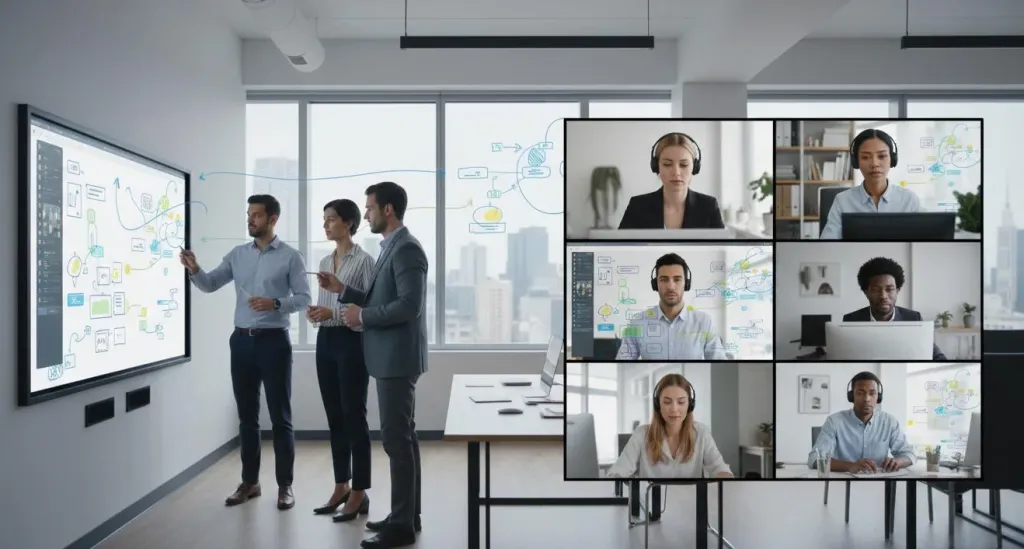
The first wave of digital whiteboarding arrived with a simple promise: take everything from the wall and put it on a screen. Virtual brainstorming tools and the online whiteboard for business category emerged, offering infinite canvases, digital sticky notes, real-time cursors, and shareable links. Teams could now save their work, invite remote participants, and return to a canvas days later.
These were meaningful improvements. Remote participants could finally see the board and contribute in real time. The infinite canvas eliminated the constraint of physical space. Export functions meant sessions could be preserved as files rather than photographs.
Yet the underlying workflow remained essentially unchanged. Digital sticky notes were still sticky notes. They required manual sorting, categorization, and translation into actionable work. A product team still had to screenshot the canvas, create a document, distribute it for feedback, and manually re-enter decisions into Jira or Asana. The whiteboard had moved from the wall to the cloud, but the intelligence applied to the content had not evolved at all. Collaboration software for teams in this phase solved the access problem without addressing the productivity problem.
The AI-Powered Hybrid Standard — Where Physical Meets Intelligent
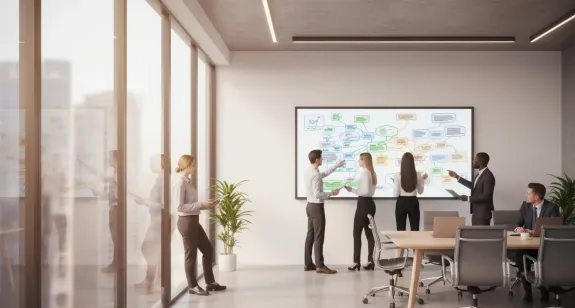
The current generation of corporate whiteboard systems for hybrid work environments represents a categorically different approach. These tools do not merely replicate the whiteboarding experience. They augment it with artificial intelligence, cloud connectivity, and deep integration into the enterprise software ecosystem. The distinction is not incremental. It is structural.
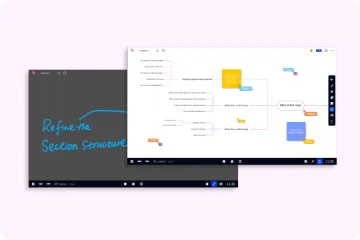
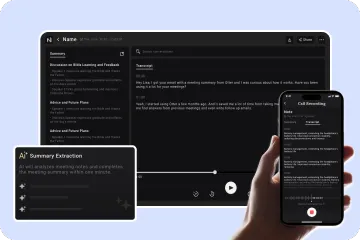
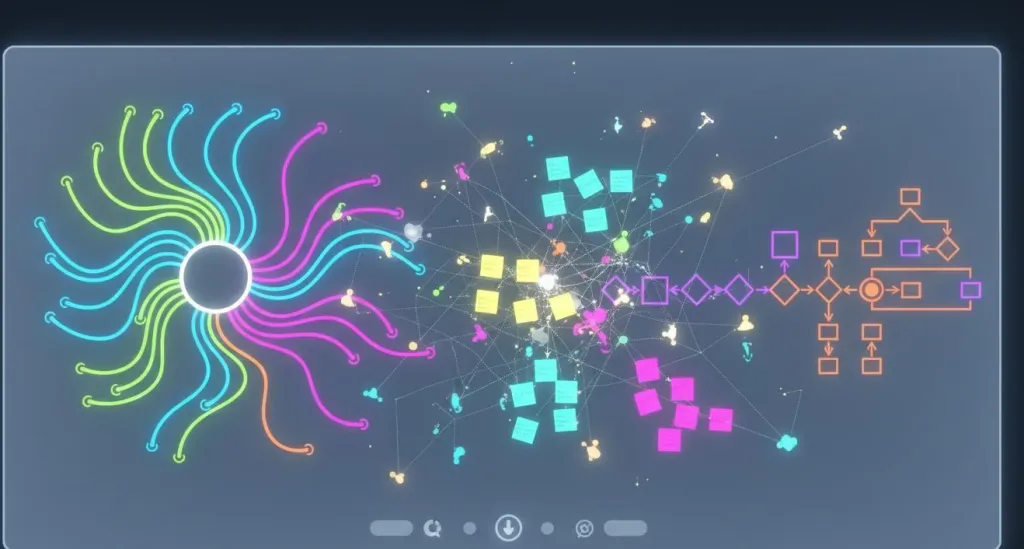
This phase introduces four capabilities that redefine what brainstorming can accomplish. Intelligent Capture means AI automatically summarizes sessions, extracts action items, clusters related concepts, and structures raw input into organized outputs. The manual transcription burden disappears. Parallel Contribution enables both synchronous and asynchronous participation — remote team members contribute with the same fidelity as those in the room, and late arrivals can add input without disrupting the live flow. Context Persistence preserves not just the ideas but the reasoning behind them, creating searchable records that teams can revisit and build upon for months. Ecosystem Integration connects the canvas directly to project management platforms, communication tools, and cloud storage, collapsing the gap between ideation and execution.
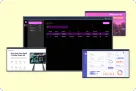
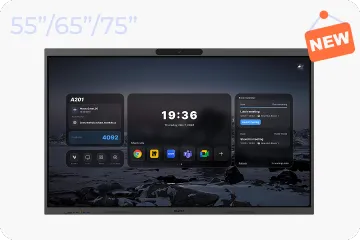
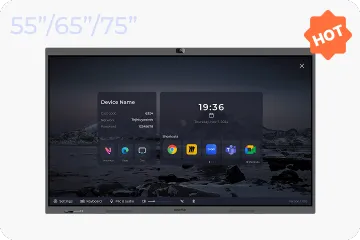
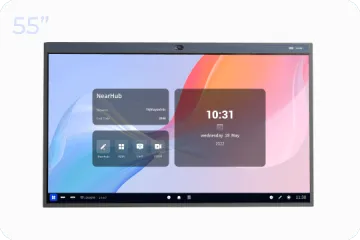
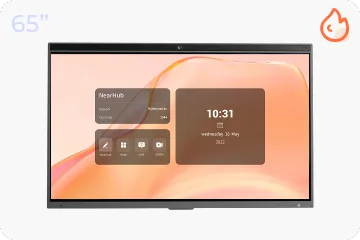
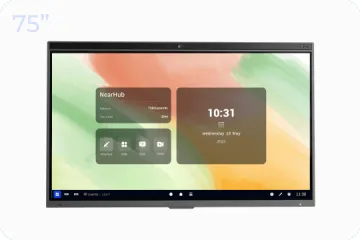
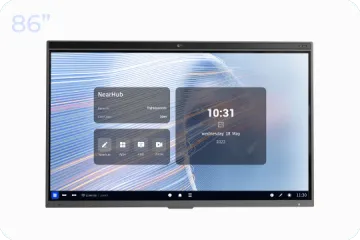
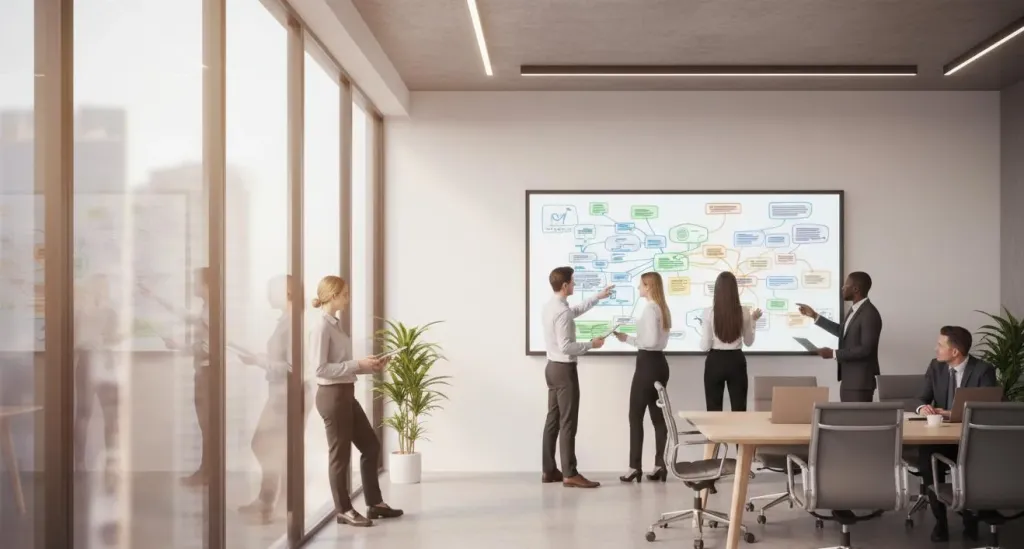
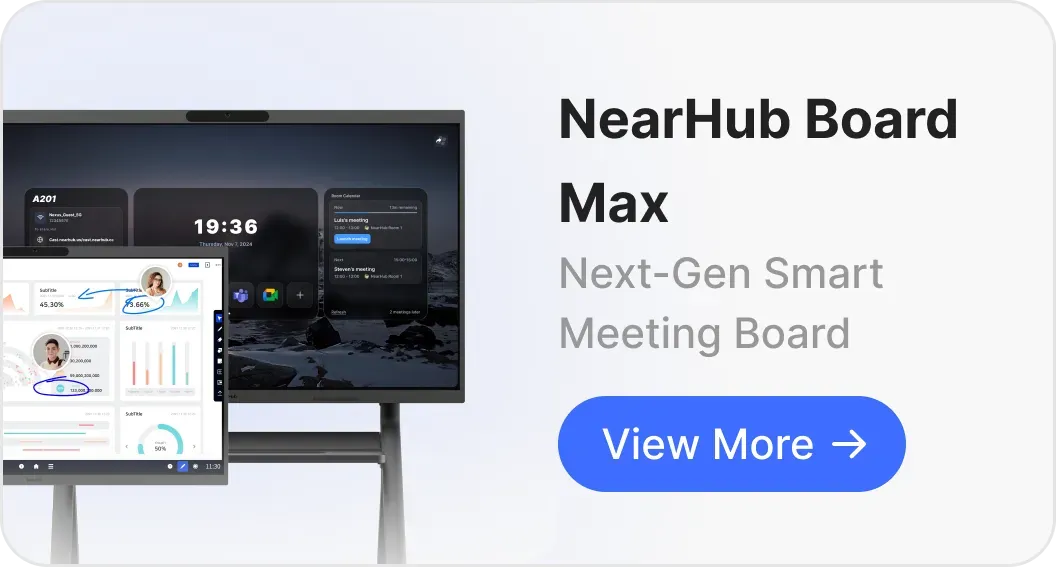
Interactive smart whiteboards that combine large-format touch displays with these intelligent backend capabilities represent the most complete expression of this phase. The NearHub Board Max exemplifies this category — a physical display that teams interact with naturally, backed by the cloud connectivity, AI-assisted structuring, and software integration that define the 2026 standard.
What to Look for When Evaluating Enterprise Brainstorming Tools
If you are assessing enterprise brainstorming tools for your organization, the phase question is the most important one to answer. Does the tool replicate analog whiteboarding on a screen? Or does it augment brainstorming with intelligence, persistence, and integration?
Look for four signals. First, can the tool automatically structure and summarize session output, or does it leave that entirely to human effort? Second, does it enable genuine parallel contribution from distributed and asynchronous participants, or does it privilege those in the room? Third, does it preserve decision context in a searchable, linkable format, or does it produce static files that decay over time? Fourth, does it connect natively to the software where your team's work actually happens, or does it require manual handoffs?
Tools that satisfy all four criteria have moved beyond replication. They have become decision-acceleration infrastructure. Tools that satisfy only one or two are still solving problems from 2019, not 2026.
Frequently Asked Questions
1. What are the three phases of enterprise brainstorming tool evolution?
The three phases are: (1) Analog — physical sticky notes and whiteboards, effective for in-person tactility but limited by physical constraints and no persistence; (2) Digital replication — screen-based whiteboards that digitized the analog experience, improving remote visibility and save capabilities but retaining manual workflows; and (3) AI-powered hybrid — smart whiteboards combining physical interaction with cloud connectivity, AI-assisted structuring, and deep software integration, enabling true workflow acceleration from ideation to execution.
2. Why did first-generation digital whiteboards fail to replace analog brainstorming?
First-generation digital whiteboards replicated the analog experience on a screen — digital sticky notes, drawing tools, and shareable links. While they solved visibility and access problems, they did not address the core workflow friction: manual transcription, no intelligent organization, no integration with project management tools, and no assistance for remote participants. They made brainstorming visible to more people but did not make it measurably more productive.
3. What defines the modern standard for enterprise brainstorming tools in 2026?
The 2026 standard is defined by four capabilities: Intelligent Capture (AI-powered summarization and structuring), Parallel Contribution (synchronous and asynchronous collaboration across distributed teams), Context Persistence (searchable, linkable records that preserve decision trails), and Ecosystem Integration (native connectivity with project management, video conferencing, and communication tools). Tools that deliver all four transform brainstorming from a discrete activity into a continuous workflow.
4. How do AI-powered brainstorming tools differ from basic digital whiteboards?
Basic digital whiteboards provide a canvas for drawing and placing digital sticky notes, similar to a physical board. AI-powered brainstorming tools add intelligence: they automatically summarize sessions, extract action items, cluster related ideas, connect brainstormed content directly to project management tools, and maintain persistent searchable records. The former is a drawing surface. The latter is a collaboration system that accelerates the entire path from ideation to execution.
Conclusion
The evolution of enterprise brainstorming tools tells a clear story. The analog era gave us speed and tactility but could not scale beyond the conference room. The digital replication phase brought remote access and infinite canvases, yet left the heavy lifting of organization, transcription, and integration to human effort. The current AI-powered hybrid standard finally addresses what the first two phases could not: the full arc from ideation to execution.
For organizations still relying on sticky notes or first-generation digital whiteboards, the gap is no longer just about convenience. It is about speed, inclusion, and the ability to turn ideas into action without friction. The tools that define 2026 do not just capture what your team thinks — they help you understand it, structure it, and act on it.
The question is not whether your team needs better brainstorming tools. It is whether you are ready to move beyond replication and into acceleration.