How to Choose the Comfortable Headset Based on Your Head Size
Learn how to choose the most comfortable headphones for your head size.
comfortable headphones
head size
headphones for different heads
Updated: Aug 19, 2026 · 8 minutes read
Global Business, Brought Near.
No Installer, No Hassle, Just Works.
Think your headphones are uncomfortable because you wear them too long? The real problem might be the fit. A headset that's too tight can cause ear pain and headaches, while one that's too loose constantly slips out of place. Whether you have a small or large head, choosing the right headset is key to staying comfortable during long workdays, online classes, or gaming sessions. In this guide, you'll learn how head size affects headphone comfort, the features to look for, and how to find the most comfortable headphones for your needs.
Key Takeaways
Head size matters. Your head circumference, ear-to-ear width, and crown shape all affect how comfortable a headset feels.
Weight and fit are the biggest comfort factors. Lightweight headsets with adjustable headbands and breathable ear cushions reduce pressure during long hours of wear.
Choose features based on your head size. If you need headphones for small heads, prioritize a secure fit and adjustable clamping force. For headphones for large heads, look for wider headbands and larger earcups.
Wireless designs improve comfort. Without cable tension, wireless headsets stay in place more naturally and allow greater freedom of movement.
Open-ear headsets are worth considering. If you experience ear pressure or heat buildup, an open ear headphone with mic can provide lasting comfort while keeping you aware of your surroundings.
Why Head Size Matters When Choosing Headphones
Headphones are not one-size-fits-all. The distance between your ears, your head circumference, and your skull shape all determine how a headset sits, how pressure is distributed, and how comfortable it remains after hours of wear.
The Three Dimensions That Affect Fit
Head circumference — The total distance around your head determines how far the headband must extend and whether the default clamping force feels snug or tight.
Ear-to-ear width — A wider head places more stress on the headband's extension mechanism and can increase clamping pressure.
Crown shape — The curvature at the top of your head affects where the headband makes contact and how weight is distributed.
Headband at max extension; clamping force increases
Earcup positioning
Earcups may sit too low or shift
Earcups may press against jaw or sit unevenly
Pressure distribution
Minimal contact points; unstable fit
Concentrated pressure on sides and crown
Common issue
Headphones fall off during movement
Headband digs in; ear pinching after 1–2 hours
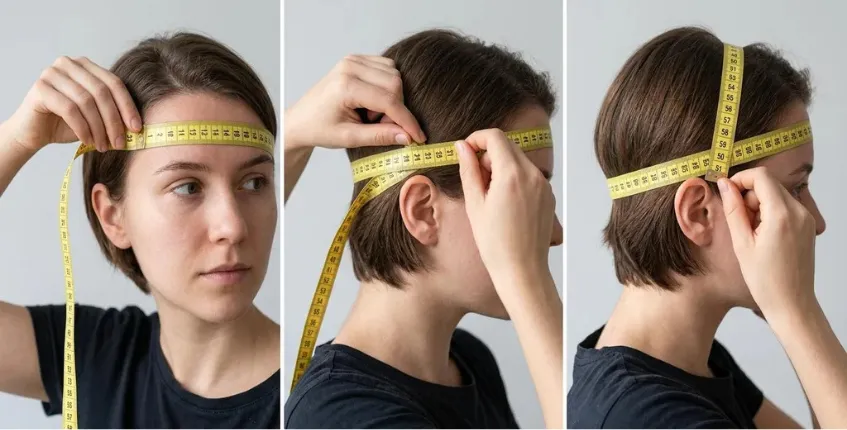
Understanding where your head falls on this spectrum is the first step toward finding headphones that fit. Figure 1 below illustrates how to measure your head for a better fit.
Common Problems People Experience with Poor-Fitting Headphones
A poorly fitting headset does more than feel uncomfortable—it can reduce focus, productivity, and even cause physical pain. Whether you're shopping for the most comfortable headphones, headphones for large heads, or headphones for small heads, understanding these common issues can help you make a better choice.
Pressure Points on the Crown
When a headband lacks adequate padding or the headset is too heavy, a painful pressure point develops at the top of the skull. This is especially common with rigid headbands that do not conform to head curvature.
Ear Pinching and Heat Buildup
Excessive clamping force presses the earcups against your ears, causing discomfort and trapping heat. If you frequently experience ear pain, consider wireless open-ear headphones or breathable over-ear models that reduce pressure while improving airflow.
Slipping and Readjustment
A headset that is too large will constantly slide out of place, especially during calls or while walking around. If you have a smaller head, look for headphones for small heads with adjustable headbands and moderate clamping force to achieve a secure fit.
Uneven Sound and Poor Seal
A bad fit does not just hurt — it sounds worse. Gaps between the earcup and the head leak audio and let ambient noise in, reducing perceived sound quality and forcing users to increase volume.
Fatigue and Headaches
Pressure, excess weight, and uneven weight distribution can lead to headaches during long work sessions. If you spend hours on meetings, you may also want to consider an open ear headphone with mic, which eliminates ear pressure while keeping you aware of your surroundings.
How to Choose the Most Comfortable Headphones for Your Head Size
Selecting the right headset means looking beyond brand names. Focus on structural features that determine how a headphone interacts with your head shape and size.
1. Check the Adjustability Range
Look for a headband with generous extension travel. Metal or reinforced plastic sliders should move smoothly and hold position without slipping. Test the full range before committing if possible.
2. Evaluate Earcup Material and Design
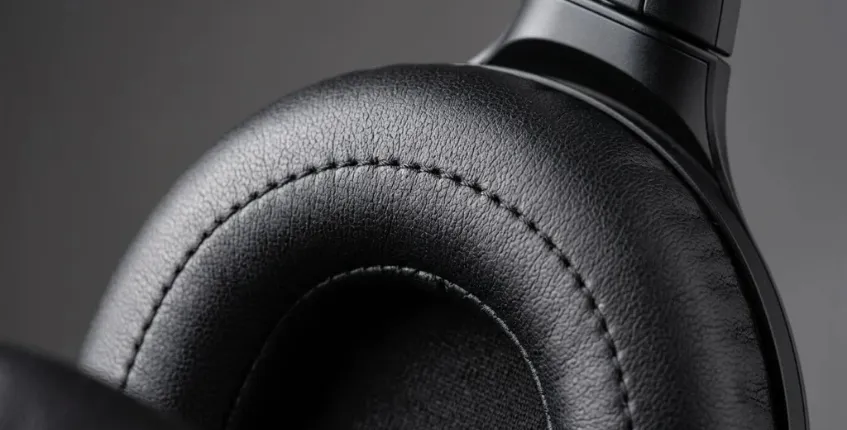
Soft memory foam or protein leather cushions reduce pressure while improving breathability. Large earcups are generally better for headphones for large heads, while medium-sized earcups often provide a more stable fit for smaller users.
3. Prioritize Lightweight Construction
Every gram matters over an eight-hour shift. Target headsets under 250g for extended wear, with ultra-lightweight models around 180–200g offering the best balance of durability and comfort.
4. Match the Design to Your Head Size
The table below summarizes which features matter most depending on your head size:
Feature
Best for Small Heads
Best for Large Heads
Why It Matters
Weight
Under 200g
Under 220g
Reduces crown pressure and extends wear time
Headband style
Narrow, contoured
Wide, stretchable with padding
Distributes force evenly across the contact area
Clamping force
Adjustable or lighter default
Moderate to firm
Prevents slipping without causing pinching
Earcup size
Medium over-ear
Large over-ear
Fully encloses the ear without overlap or gap
Earcup rotation
90° swivel
180° rotatable
Adapts to head shape and wearing angle
Connectivity
Wireless preferred
Wireless preferred
Eliminates cable pull that shifts headset position
5. Consider Wireless Freedom
Cables add weight and create tension that pulls the headset out of position. Wireless headphones with Bluetooth 5.0+ and a stable USB dongle give you freedom of movement without compromising fit. Figure 4 shows the difference between over-ear and on-ear designs.
6. Test the Seal Without Pressure
A good acoustic seal should come from properly sized earcups—not excessive clamping force. If your headset feels uncomfortable immediately, it probably isn't the right fit.
If you frequently take phone calls, an alternative is the best open ear headphone for phone calls, which delivers clear communication without creating pressure around your ears.
Recommended Product: Nearity EP320
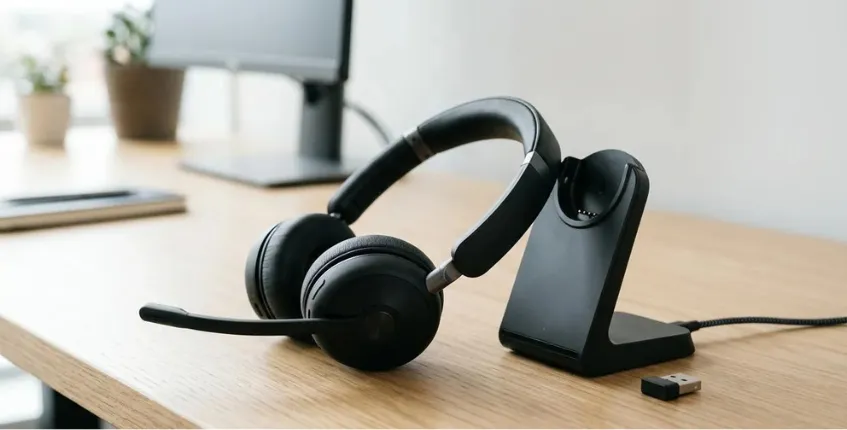
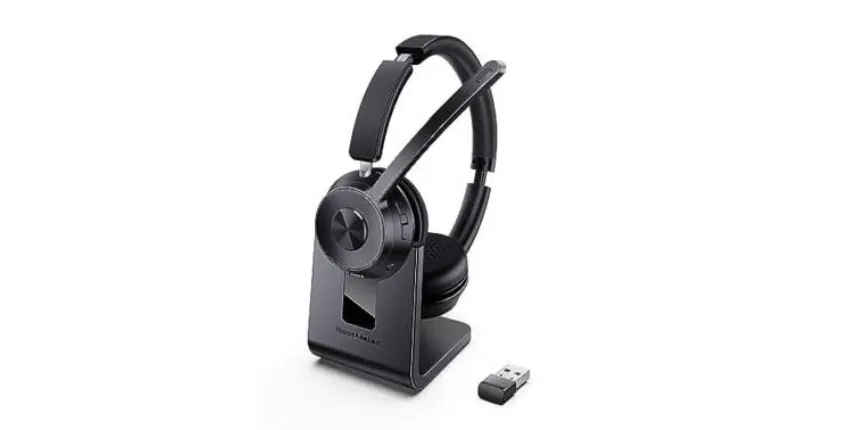
After understanding what makes a headset comfortable, the Nearity EP320 is a great example of a headset designed to fit different head sizes. Whether you're looking for the most comfortable headphones for work or reliable headphones for large heads or small heads, it checks all the essential boxes.
Why the Nearity EP320 Stands Out
Comfortable fit for different head sizes
Stretchable headband adapts to both headphones for large heads and headphones for small heads.
Weighs just 184 g, helping reduce neck and head fatigue during long meetings, calls, or gaming sessions.
Falls within the ideal weight range for the most comfortable headphones.
Flexible earcup design
180° rotatable earcups naturally conform to different head shapes.
Protein leather memory-foam cushions provide breathable, pillow-soft comfort.
Great value
Currently $127.50 (regularly $149.99), making it an excellent choice for anyone looking for a comfortable wireless headset for long hours of work.
Why It's a Good Choice
If you're searching for the most comfortable headphones, especially headphones for large heads or the best headphones for small heads, the Nearity EP320 combines a lightweight design, adjustable fit, and professional audio performance to deliver lasting comfort throughout the day.
FAQs
How do I know if my head is considered large or small for headphones?
Measure your head circumference above your ears. Most adults are between 21–24 inches (53–61 cm). If you're under 22 inches, look for headphones for small heads. If you're over 23 inches, choose headphones for large heads with a wider adjustment range.
Can I make one-size-fits-all headphones fit my head better?
Adjust the headband and earcups for the best fit. If the headphones still feel too tight or too loose, consider upgrading to most comfortable headphones with a more flexible headband.
What is the ideal weight for comfortable all-day headphone wear?
For all-day use, choose headphones under 200g whenever possible. Lightweight models are often the most comfortable headphones because they reduce pressure and fatigue during long listening or work sessions.
Are over-ear headphones better than on-ear for large heads?
Yes. Headphones for large heads are usually more comfortable in an over-ear design because larger earcups spread pressure more evenly and reduce pinching.
Why do my headphones hurt the top of my head after a few hours?
Top-of-head pain is often caused by excessive weight or poor headband padding. The most comfortable headphones use lightweight materials and cushioned headbands to improve comfort during extended wear.