How Do Noise Canceling Headphones Work? A Complete Guide to ANC and AI Noise Reduction (2026)
Discover how noise canceling headphones work, the difference between ANC and ENC technology, and how AI is reshaping professional audio for remote workers and call centers.
Noise Cancellation
Professional Headsets
AI Audio Technology
Updated: Aug 19, 2026 · 8 minutes read
Global Business, Brought Near.
No Installer, No Hassle, Just Works.
Noise cancellation is more than just a feature for quieter music—it has become an essential technology for modern work. This guide explains how noise canceling headphones work, from the physics of ANC to the AI-powered algorithms behind today’s smartest headsets. Learn the difference between ANC and ENC, discover what features matter most for professional communication, and see why solutions like the Nearity EP320 are designed for clearer calls, fewer distractions, and more productive workdays.
Key Takeaways
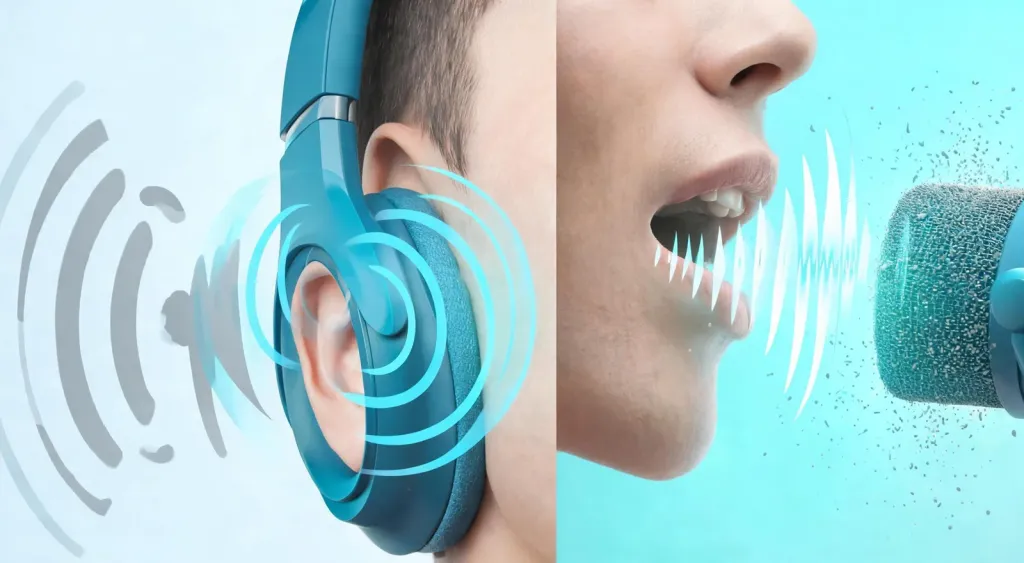
ANC uses inverse sound waves to reduce the noise you hear, while ENC improves the voice quality others hear.
AI-powered noise cancellation helps modern headsets adapt to complex environments like offices, homes, and call centers.
A professional headset should combine noise reduction, microphone clarity, comfort, and reliable connectivity.
Nearity EP320 delivers hybrid ANC, AI ENC, all-day comfort, and business-ready features for modern professionals.
If you have ever struggled to hear a client over the roar of an open-plan office, or wondered why colleagues keep asking you to repeat yourself on video calls, you have already experienced the problem that noise cancellation technology was built to solve. But how do noise canceling headphones work, exactly? And with so many options in 2026, how do you choose the right one for professional communication?
This guide breaks down the physics, engineering, and latest AI breakthroughs behind modern noise cancellation. By the end, you will understand the difference between ANC and ENC, know what specifications matter, and see why a professional wireless noise cancelling headset has become essential for remote workers, call center agents, and hybrid professionals.
What Is Noise Cancellation and Why It Matters for Professionals
The modern workplace—whether a bustling office, home kitchen, or co-working space—is full of acoustic distractions: keyboard clatter, HVAC hum, nearby conversations, and traffic noise.
Research from the University of California, Irvine, found that it takes an average of 23 minutes to regain full focus after a single interruption. For call center agents and online educators, background noise degrades the customer experience. A headset with noise cancelling mic solves both sides of the problem: it protects what you hear and cleans up what others hear from you.
How Do Noise Canceling Headphones Work? The Science of ANC
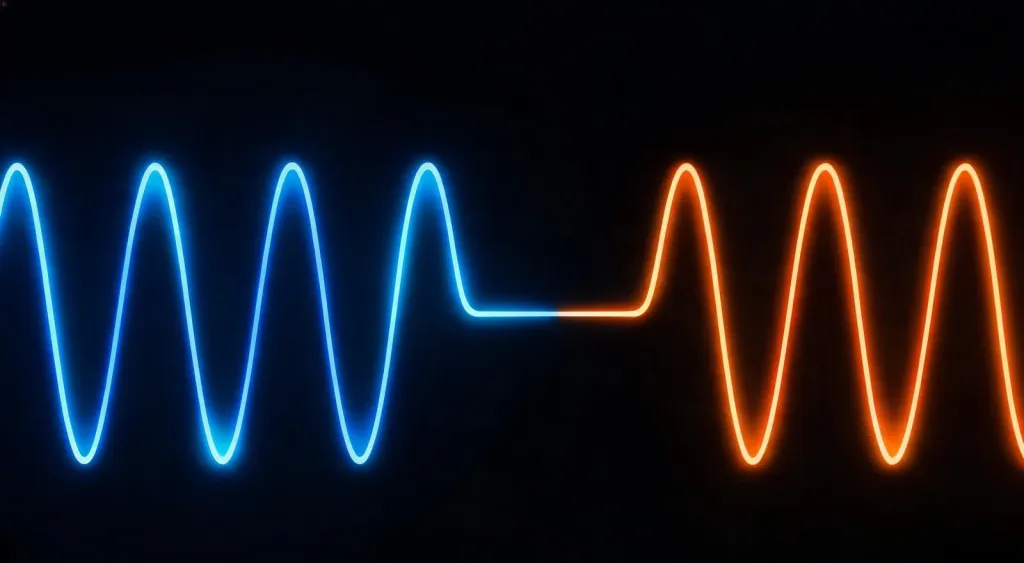
At its core, Active Noise Cancellation is a physics trick. Sound travels as waves—vibrations in the air. When two identical sound waves meet in phase (peaks align with peaks), they get louder. When they meet out of phase (peaks align with troughs), they cancel each other out. This phenomenon is called destructive interference, and it is the foundation of how ANC works.
Here is the step-by-step process inside every ANC-enabled headphone:
Sound Detection: Tiny microphones on the outside (and sometimes inside) of the ear cups continuously monitor your acoustic environment, picking up everything from low-frequency engine rumbles to mid-range office chatter.
Signal Processing: The captured audio goes to a Digital Signal Processor (DSP), which analyzes the frequency and amplitude of incoming noise. The DSP calculates the exact inverse waveform needed to cancel the original sound.
Anti-Noise Generation: The headphone drivers produce the inverted signal alongside your music or call audio. When the original noise wave and the anti-noise wave meet at your eardrum, they neutralize each other.
Real-Time Adaptation: Advanced systems update this process thousands of times per second, adjusting as the noise environment changes.
ANC is most effective against consistent, low-frequency sounds like airplane engines or air conditioners. It is less effective against sudden, high-frequency noises like door slams. That is where AI-driven noise reduction changes the game.
ANC vs ENC: Understanding the Two Types of Noise Reduction
One of the most common mistakes buyers make is assuming all "noise cancellation" works the same way. In reality, there are two distinct technologies, and understanding the difference is critical if you use headphones for calls.
Feature
ANC (Active Noise Cancellation)
ENC (Environmental Noise Cancellation)
What it does
Cancels noise you hear
Cancels noise the microphone picks up
Who benefits
The wearer
The person on the other end of the call
Best for
Focusing, travel, open offices
Professional calls, video meetings, voice recording
Microphone placement
External mics on ear cups
Boom mic or ear-cup mics aimed at your mouth
Typical use case
Listening to music, blocking office hum
Clear voice calls in noisy environments
ANC is what most consumers think of when they ask how do noise reduction headphones work. It creates a quiet bubble around the listener. If you work in a noisy office and need to concentrate, ANC is your best friend.
ENC is designed for communication. It uses beamforming microphones and algorithms to isolate your voice while suppressing everything else in the room. If you are on Zoom calls all day, ENC ensures your colleagues hear you clearly—not your neighbor's leaf blower.
The best professional headsets combine both. A noise cancelling headphone with mic for office use should deliver ANC so you can focus, and ENC so your callers get studio-quality voice clarity. The Nearity EP320 is engineered precisely for this dual requirement, pairing advanced ANC with AI-enhanced microphone noise reduction.
How AI Is Transforming Noise Cancellation in 2026
Traditional noise cancellation relies on fixed algorithms and pre-programmed filters. They work well for predictable noises, but struggle with complex, dynamic soundscapes. That changed with machine learning and neural network-based audio processing.
Here is how AI noise reduction works in modern headsets:
Training on Real-World Data: AI models train on massive datasets containing millions of hours of real-world audio. The algorithm learns to distinguish human speech from noise with remarkable precision.
Real-Time Voice Isolation: AI identifies specific non-voice sounds (typing, mouse clicks, door slams, coffee machines) and surgically removes them while preserving your voice's natural tone.
Adaptive Learning: Advanced systems adapt to your specific voice over time, improving recognition accuracy and distinguishing your voice from nearby colleagues.
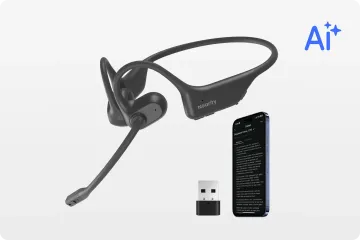
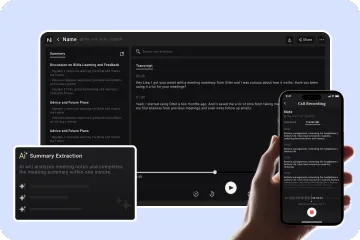
Multi-Person Separation: In 2026, leading AI audio chips isolate multiple speakers in a conference room, making them ideal for hybrid meetings.
For professionals, this means a wireless headphone with noise cancelling mic no longer just "reduces" noise—it intelligently understands your environment and adapts to it. If you are an online educator or call center agent, AI-powered noise cancellation is the difference between sounding amateur and professional.
What to Look for When Choosing a Noise Cancelling Headphone for Work
Not all noise canceling headphones are built for professional use. Consumer-focused models prioritize music playback. For work—especially remote work, call centers, and business communication—you need a different feature set.
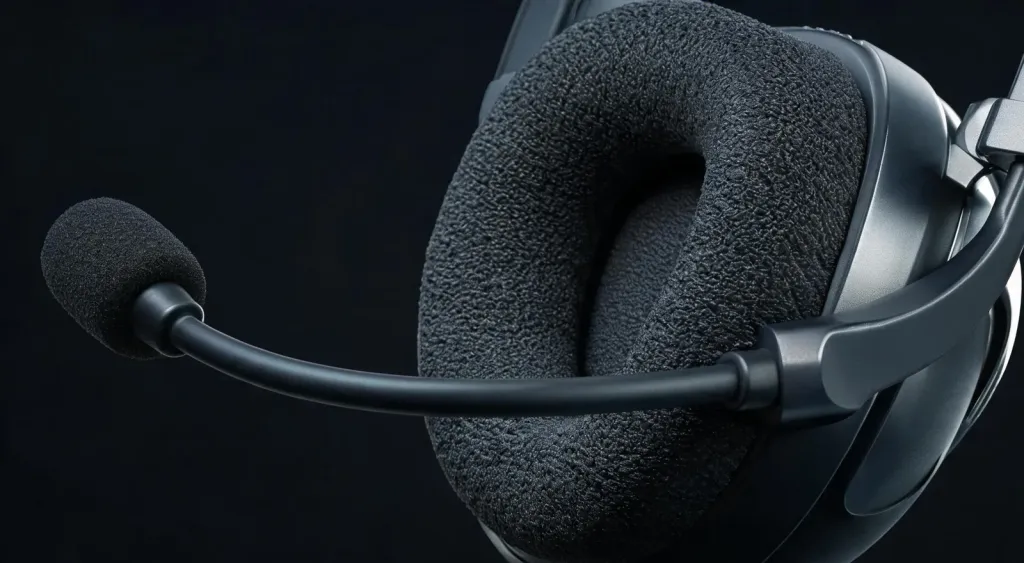
Microphone Quality: A consumer ANC headphone might have a basic microphone for quick calls. A headset for work needs a dedicated boom microphone or advanced beamforming mics with ENC. Look for AI-powered or DSP-based ENC, wideband audio up to 16 kHz, and a boom positioned close to your mouth.
All-Day Comfort: Professional headsets are worn for 6–10 hours. Prioritize lightweight design (under 200 grams), memory foam ear cushions with breathable fabric, an adjustable headband with even pressure distribution, and swiveling ear cups.
Connectivity: A bluetooth noise cancelling headset with mic offers freedom of movement. Check for Bluetooth 5.2 or higher, a USB dongle for computers without reliable Bluetooth, multi-point pairing, and certification for Microsoft Teams or Zoom.
Battery and Durability: Look for at least 20–30 hours of talk time with ANC enabled, plus quick-charging support. Business headsets should have metal-reinforced headbands, replaceable ear cushions, and a minimum 2-year warranty.
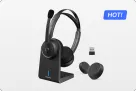
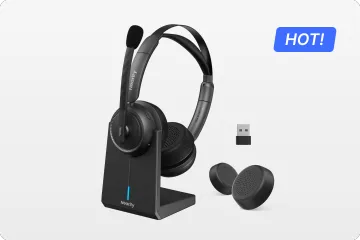
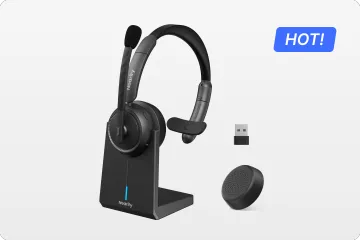
Nearity EP320: A Professional Wireless Noise Cancelling Headset Built for Modern Workplaces
Now that you understand how does a noise cancelling headphones work and what separates consumer gear from professional equipment, let us look at a headset designed specifically for modern business communication: the Nearity EP320.
Hybrid ANC Technology: The EP320 combines feedforward and feedback microphones to cancel a broad spectrum of ambient noise—from low HVAC drones to office chatter.
AI-Powered ENC Microphone: The boom microphone uses a dedicated AI audio processor to strip away background noise in real time. Whether you work from a busy home or call center floor, your voice comes through with broadcast-level clarity.
All-Day Comfort: Weighing just 180 grams with protein leather memory foam cushions, the EP320 is built for marathon sessions. The headband distributes pressure evenly, and the ear cups rotate to match your head geometry.
Dual Connectivity: Connect via Bluetooth 5.3 for wireless freedom, or use the included USB-A/C dongle for instant plug-and-play. Multi-point pairing lets you switch between laptop and phone seamlessly.
Platform Certified: Certified for Microsoft Teams, Zoom, and major UC platforms with mute sync, call answer/end integration, and guaranteed audio quality standards.
30-Hour Battery Life: With ANC active, you get a full work week on a single charge. A 10-minute quick charge delivers 3 hours of talk time.
The EP320 is ideal if you work in an open office, spend 3+ hours daily on calls, need a noise cancelling headphone for work that handles both incoming and outgoing audio, or want enterprise reliability without complexity.
FAQs
How do noise canceling headphones work?
They use Active Noise Cancellation (ANC) to detect external sound waves with built-in microphones, then generate an inverted "anti-noise" signal that cancels unwanted ambient noise before it reaches your ears. This works best against low-frequency, consistent sounds.
What is the difference between ANC and ENC?
ANC reduces ambient noise that the wearer hears. ENC reduces background noise picked up by the microphone, ensuring callers only hear your voice clearly. Professional headsets like the Nearity EP320 combine both technologies.
Does AI really improve noise cancellation?
Yes. AI-powered noise cancellation uses machine learning trained on thousands of real-world noise samples to distinguish human voices from unwanted sounds more accurately than traditional DSP chips.
Are noise canceling headphones worth it for office work?
Absolutely. A noise cancelling headphone with mic for office use reduces fatigue, improves call clarity, and boosts productivity. Studies show that reducing background noise lowers stress and helps workers maintain focus.