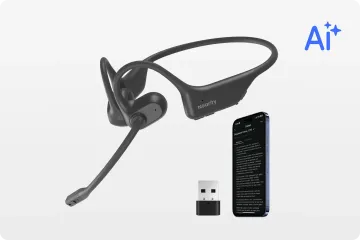
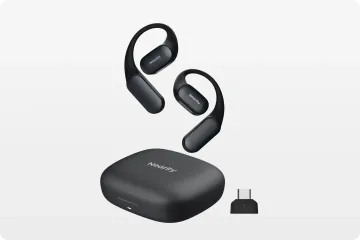
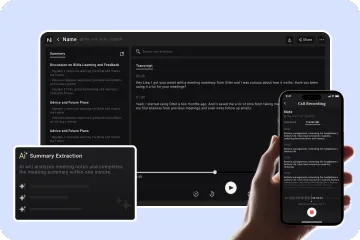
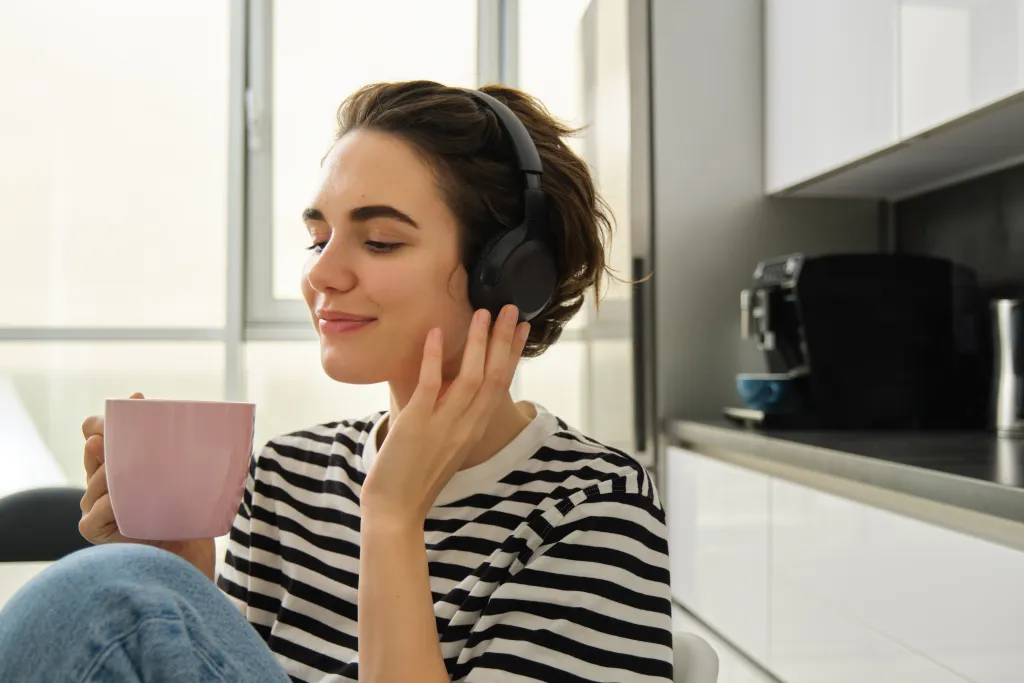
The habit of taking off a headset during the workday is not a discipline flaw. It is feedback from occlusion, clamp pressure, and missing environmental cues.
Ambient sound headphones can keep calls clear while preserving awareness, reducing ear fatigue and context-switching.
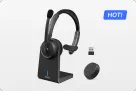
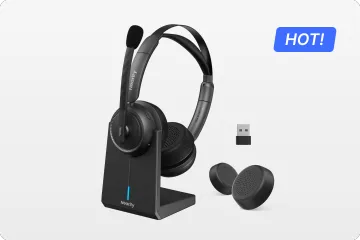
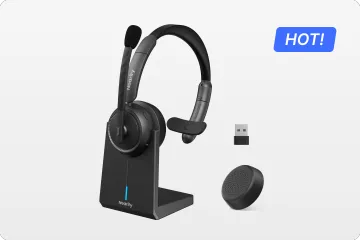
The best headset balances mic intelligibility, open or transparent acoustics, and comfort that disappears during long hybrid days.
The meeting is fine until someone knocks on the door. Then the dog barks, a delivery driver calls, your child asks a question, and you do the remote-work ritual: pull one ear cup away, lean toward the mic, lose the thread, then push the headset back and hope nobody noticed.
That repeated motion is small. Across six to ten hours, it becomes cognitive overhead.
Ambient sound headphones approach the workday differently. Instead of sealing you away from the room, they preserve useful awareness while keeping calls intelligible.

Why Traditional Headsets Exhaust Remote Workers
Most traditional headsets are built around isolation: seal the ear, cancel the room, concentrate. That design helps in airports and loud offices, but a home office is not a cabin. It is a shared space where interruption is not failure; it is the environment doing its job.
The first problem is occlusion.
When your ears are covered and your voice sounds muffled inside your head, you speak louder, repeat yourself, and strain to monitor tone.
The second is pressure.
Clamp force that feels snug at 9 a.m. can become a headache by 3 p.m., especially over glasses.
The third is heat and moisture around the pinna.
Add back-to-back meetings and the result is ear fatigue: sore cartilage, itchy skin, fullness, and the impulse to keep taking off the headset just to feel normal again.
If you remove your headset dozens of times a day, do not assume you need more discipline. You may need less artificial silence.
What Are Ambient Sound Headphones?
Ambient sound headphones let outside audio reach your ears instead of blocking it by default.
The implementation varies:
- open-back ear cups use perforated grilles
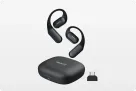
- open-ear designs sit outside the canal
- closed models use external microphones and a transparency mode to pipe the room back in
For productivity, the point is not “hear everything.” It is control.
A good ambient system preserves cues that matter—doorbells, names, kettle boiling, a spouse asking one quick question—while keeping speech and focus sounds clear enough to work.
Used well, it reduces startle responses and prevents the situational deafness that makes remote workers miss the human context around them.
This is also why ambient modes can feel calmer than full ANC. Your brain is not working as hard to reconstruct what is happening beyond the seal.

Ambient Sound vs. Active Noise Cancelling (ANC)
ANC is excellent when the enemy is steady noise: engines, HVAC rumble, train clatter.
It is less helpful when the “noise” is your home trying to get your attention. Aggressive cancellation can make you miss a knock, speak over someone, or jump when a hand lands on your shoulder.
- Choose ANC when you work near loud appliances, traffic, or an open office.
- Choose ambient or transparency when your main interruptions are human and short.
- Hybrid listeners can keep both: a noise cancelling headphone for work during focus blocks, then a quick transparency toggle for family check-ins.
- For call-heavy roles, remember that isolation is not the same as intelligibility. A headset with noise cancelling mic should clean up your voice, not erase the room you need to hear.
How "Never-Take-It-Off" Audio Streamlines Hybrid Multitasking
The goal is modest: stop treating your headset as a door you open and close all day. When audio, mic, and awareness live in the same layer, transitions get cheaper.
Features to Look for in an All-Day Work Headset
For long WFH days, shop like an ergonomist first and an audiophile second.
- Weight distribution. The headset should feel balanced, not front-heavy. Even light clamp becomes painful when the band presses the wrong spot.
- Breathable contact. Fabric or leatherette should not trap heat; removable pads are easier to clean and replace.
- Transparency speed. Ambient mode should activate instantly and sound natural, not hollow or delayed.
- Connection reliability. Multipoint Bluetooth, a strong USB dongle option, or wired fallback prevents meeting panic.
- Awareness without leakage. If you choose closed cups with transparency, test how much call audio escapes in shared spaces.
A wireless headphone with noise cancelling mic can be right for some homes, but only if comfort and awareness are designed for all-day wear rather than travel.
FAQs
1.Do ambient sound headphones leak my call audio?
Open-back and open-ear designs can leak more than sealed closed-backs. If privacy matters, use closed headphones with transparency for awareness and lower volume in shared spaces.
2.Can I use ANC and ambient sound together?
Many headsets blend both: ANC reduces steady rumble while transparency keeps voices and alerts audible.
The best mode depends on whether your distraction is mechanical noise or human interruption.
3.How do I reduce ear fatigue fast?
Lower volume, use the smallest stable fit, take a five-minute ear break each hour, clean pads, and stop using deep in-ear tips if the canal feels plugged or sore.
4.Are bone-conduction headphones good for calls?
They can be excellent for awareness because the canal stays open, but mic quality and vibration comfort vary. Test them for long meetings before relying on them for client calls.