A tight silicone seal can turn the ear canal into a warm, moist pocket where bacteria thrive.
The fix is not always louder volume or newer tips; it is airflow, material choice, and shorter wear sessions.
Open-ear, bone-conduction, and well-ventilated open-back designs reduce occlusion, while daily drying and tip hygiene lower swimmer’s ear risk.
Your earbuds sound fine for the first twenty minutes. Then the left ear starts to itch, the right one feels plugged by warm humidity, and by evening the outer ear canal is tender in a way that feels deeper than normal headphone fatigue.
For many listeners, the culprit is not volume; it is the tight seal that makes modern in-ear audio feel premium.
The best headphones for sensitive ears are not simply the ones with the softest silicone tip. They are the designs that respect the ear canal as living skin: warm, sweat-prone, wax-producing, and easily irritated when it is sealed off from air.
Why Silicone Ear Tips Cause “Swimmer’s Ear”
A silicone tip is engineered to do one thing well: block the outside world by filling the ear canal entrance. That seal improves bass and noise isolation, but it also turns the canal into a closed pocket. Body heat rises, sweat has nowhere to go.
Clinicians call outer-ear canal inflammation otitis externa; most people know it as swimmer’s ear. The nickname points to water, but the mechanism is broader: moisture plus irritation plus bacteria or fungus.
Earbuds can mimic that environment after a workout, a shower, a humid commute, or a long call block. If the skin barrier is already annoyed by alcohol-based wipes, scratched by nail trimming, or sensitized by latex, dye, or low-grade silicone, a “wet ear” becomes an infection-friendly moist ear canal.

How Earbuds Trap Moisture and Heat
The ear canal is not a straight tube; it is a warm bend lined with skin that has its own microbiome. Cerumen, or earwax, is slightly acidic and helps trap debris.
When an in-ear monitor sits deep, it reduces airflow, pushes wax backward, and creates condensation between tip and skin.
If removing earbuds brings instant relief, occlusion is part of the problem.
What to Look for in Headphones for Sensitive Ears
A comfortable headphone for irritated ears should minimize occlusion, contact pressure, and trapped humidity. Use this checklist before buying.
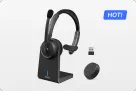
If you take frequent calls, prioritize mic quality and wear limits together. A noise cancelling headphone with mic for office use should still let you schedule five ear-free minutes between meetings.
Headphone Types That Give Your Ear Canals Room to Breathe
There is no single “medically approved” headphone, but some form factors are kinder to irritated canals.
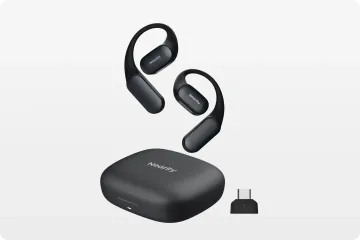
1. Open-ear air conduction clips and earhooks
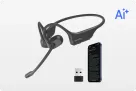
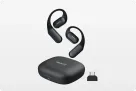
These sit outside the canal and send sound toward the ear without plugging it. They are strong for runners, cyclists, and people who hate the plugged feeling.
Bass is lighter and privacy is low, but ventilation is excellent.
2. Open-back over-ear headphones
For desk listeners they pair big-driver comfort with airflow.
Avoid them near coworkers or when you need silence from traffic.
3. Closed-back over-ears with breathable pads
Choose these when isolation is non-negotiable.
- Look for breathable pads, moderate clamp, and no pressure on glasses or sore cartilage.
- Take them off between calls.
Daily Habits to Prevent Ear Canal Infections
Headphones cannot outrun bad habits. If your ears are prone to itch, build a routine that keeps the canal dry and the gear clean.
Set a break timer
For sealed earbuds, try a 60-90 minute maximum, then remove them for at least 10 minutes.
For long meetings, alternate an over-ear headset with speakerphone when privacy allows.
Clean tips after heavy sweat
Wash removable silicone tips with mild soap, rinse thoroughly, dry completely, and reattach only when no moisture remains.
Foam tips absorb sweat and are harder to sanitize; treat them as consumables.
Replace parts on schedule
Tips, pads, and filters wear out. Replace tips that become tacky, torn, discolored, or odorous.
Do not share earbuds without disinfecting and changing tips.
FAQs
1.Can I still use noise cancelling if I get ear infections?
Yes, especially with over-ear ANC that seals around the ear rather than inside the canal.
ANC can reduce the urge to raise volume, which protects hearing even if it does not fix moisture.
2.Are expensive silicone tips safer for a moist ear canal?
Price matters less than fit, smoothness, and hygiene.
A costly tip that inserts deeply can still create a humid seal. A cheaper shallow tip cleaned daily may be kinder.
4.Do open-back headphones prevent earwax buildup?
They avoid pushing wax inward because nothing enters the canal, but they do not change how your ear produces wax. Normal migration still happens.
Do not insert objects to “clean” deeper.