Defining Online and Traditional Classes
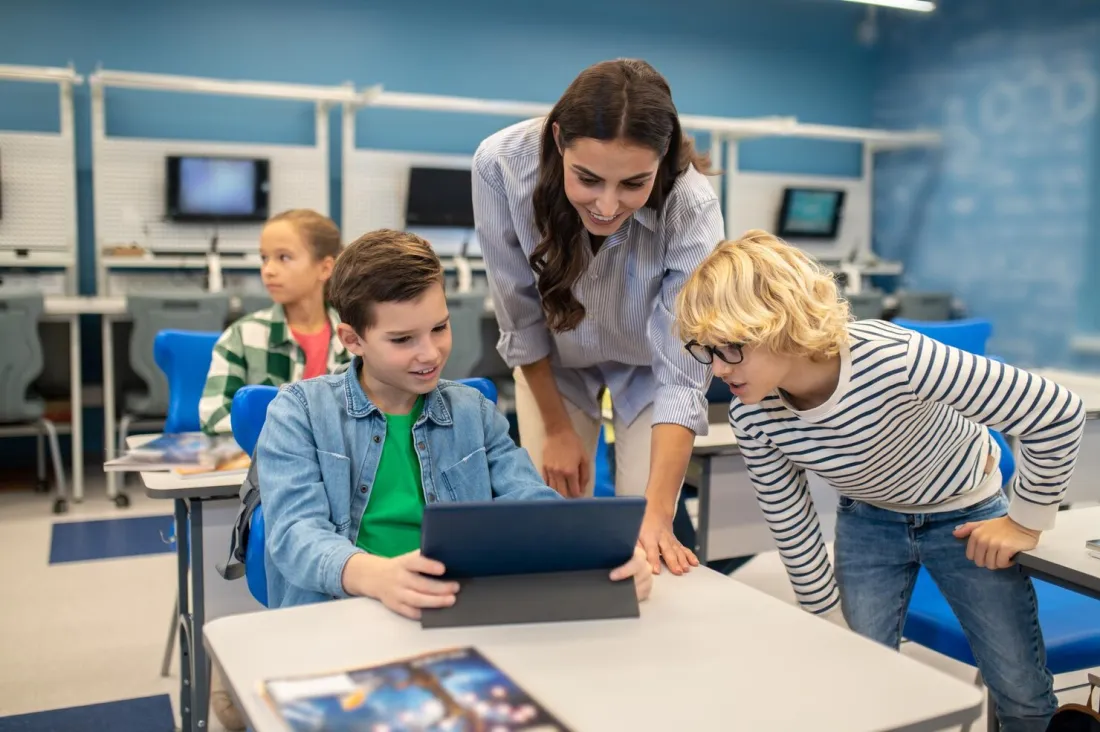
Online Classes are educational courses conducted over the internet, allowing students to participate from anywhere with an internet connection. These classes often involve video lectures, interactive forums, digital assignments, and virtual assessments. The flexibility and convenience of online classes make them an attractive option for many learners. Traditional Classes, on the other hand, take place in physical classrooms where students and instructors interact face-to-face. This setting provides a structured environment, with scheduled class times, direct interaction, and the use of physical materials such as textbooks and whiteboards.
The Rise of the Digital Classroom
The concept of the Digital Classroom has gained traction as schools and universities integrate technology into their teaching methods. Digital classrooms utilize various online platforms and tools to facilitate learning, making education more accessible and personalized. The rise of digital classrooms has been driven by the need for flexibility, the growing use of digital devices, and the push for innovative teaching strategies.
Benefits of Digital Classrooms
-
Accessibility and Flexibility
The internet offers a wealth of educational materials, including videos, articles, and interactive modules, that can supplement traditional textbooks. Digital classrooms allow students to access course materials and resources from anywhere with an internet connection, making education more flexible and accessible. Online tools and multimedia resources can cater to different learning styles, such as visual, auditory, and kinesthetic.
-
Personalized Learning
Digital platforms can tailor lessons and exercises to the individual needs of students, helping them learn at their own pace. Analytics gathered from those digital platforms can provide teachers with insights into student performance that tells differences of each student, enabling more personalized instruction and targeted support.
-
Enhanced Engagement
Digital classrooms often include interactive elements like quizzes, simulations, and games, which can make learning more engaging and enjoyable. That makes classes different from what we have seen in the past-the lecture delivering style. Features like discussion boards, chat rooms, and collaborative documents facilitate communication and teamwork among students.
-
Global Connections
Digital classrooms can connect students with peers and experts from around the world. When exposed to a different culture and language, students are expected to broaden their perspectives and cultural understanding in this process. Online platforms can offer access to language courses and native speakers, enhancing language learning experiences.
The integration of Digital Tools has revolutionized the way education is delivered. These tools range from learning management systems (LMS) to educational apps. Virtual labs, interactive whiteboards, and video conferencing platforms also play a crucial role in enhancing the learning experience.
Specific Examples
-
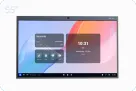
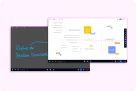
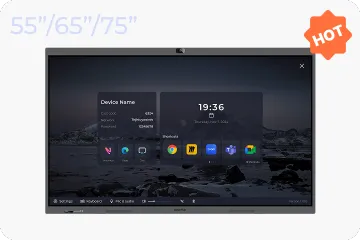
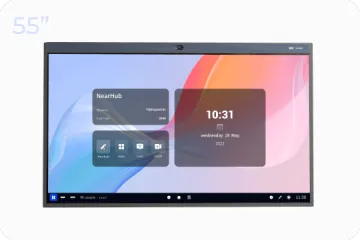
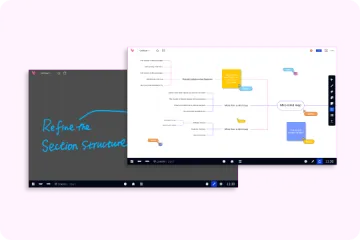
Interactive whiteboards are revolutionizing both traditional classrooms and online courses. They allow for real-time annotations on an
infinite digital canvas, transforming passive learning into an engaging, interactive experience. These boards can recognize up to
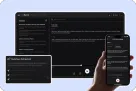
20 or even 40 touchpoints, enabling multiple students to interact with digital content simultaneously. They also support seamless device integration through screen casting or cable connection and provide access to a wide range of educational apps, including
Khan Academy and
Duolingo, via
third-party platforms like the Google Play Store.

This technology empowers educators to create dynamic, multimedia-rich lessons that offer real-time feedback, fostering a more immersive and collaborative learning environment. During the pandemic, when traditional classes were not possible, interactive whiteboards proved invaluable for online courses. Today, they remain a popular choice for those delivering courses from home or personal offices, enhancing recording quality and operational efficiency. With built-in internet browsers, these boards allow educators to easily access and gather necessary information and resources.
-
Learning Management Systems (LMS): Platforms like
Moodle and
Google Classroom serve as comprehensive digital hubs that centralize all aspects of the educational experience. They provide students and teachers with streamlined access to course materials, facilitate the distribution and submission of assignments, and offer tools for creating and grading assessments. These systems not only enhance organization but also foster better communication between teachers and students. By integrating various educational resources and features, LMS platforms enable a more cohesive and interactive learning environment.
Beyond basic organization, LMS platforms also provide a suite of tools for creating and grading assessments. Teachers can design quizzes, exams, and other evaluative activities that can be automatically graded or reviewed manually. This feature saves time and ensures consistency in grading, offering immediate feedback to students, which can enhance their learning experience. Moreover, LMS platforms often include communication tools such as forums, chat features, and announcements, fostering better communication between teachers and students.
Comparing Online and Traditional Classes
Online Classes
Advantages:
-
Flexibility and Accessibility: Online classes provide students with the freedom to choose their class times and access courses from anywhere with an internet connection. This makes learning more adaptable to individual schedules and geographical locations.
-
Diverse Resources: Online platforms offer a wealth of resources, including multimedia content, interactive tools, and extensive databases that can enhance the learning experience.
-
Personalized Learning: The digital nature of online classes allows for tracking of academic progress and customization of learning experiences based on individual needs and performance.
Disadvantages:
-
Limited Face-to-Face Interaction: Online classes reduce opportunities for in-person interactions between students and teachers, which can impact communication and relationship-building.
-
Potential for Distraction: The online environment may present distractions, such as notifications and other digital interruptions, which can affect students' focus and learning.
-
Reliance on Technology: Dependence on digital devices and internet connectivity can be problematic if technical issues arise, and excessive screen time may impact students' overall well-being.
Traditional Classes
Advantages:
-
Direct Interaction: Traditional classes facilitate face-to-face communication between students and teachers, making it easier to ask questions and receive immediate feedback.
-
Structured Environment: The in-person setting provides a consistent and organized learning environment, which can help students stay disciplined and focused.
-
Sense of Community: Regular physical presence in a classroom fosters a sense of community among students, promoting social interactions and relationships.
Disadvantages:
-
Fixed Schedules: Traditional classes often have rigid schedules, which may limit students' ability to pursue other interests or accommodate personal circumstances.
-
Limited Access to Diverse Resources: The availability of learning materials and resources in traditional classrooms is typically confined to what the school and teachers provide, which may not cover all student interests or learning styles.
-
Potential for Reduced Engagement: The repetitive nature of a fixed curriculum and schedule may lead to a lack of variety and diminished enthusiasm for learning, especially among younger students.
Hybrid Learning Models: Blending Traditional and Online Education
Hybrid learning combines the best of both online and traditional classroom environments, offering a versatile and effective educational model. This approach allows students to experience the benefits of face-to-face instruction while also leveraging digital tools and online resources for a comprehensive learning experience. It provides a balanced approach that maximizes the strengths of both online and traditional education.
Practical Applications of Hybrid Learning: One of the most common applications is the flipped classroom model. In this approach, students access lecture materials and instructional content online before attending class. This allows them to review the material at their own pace, ensuring they have a solid understanding before engaging in classroom activities. Class time is then devoted to interactive discussions, hands-on projects, and collaborative exercises, where students can apply their knowledge and receive immediate feedback from instructors and peers. Hybrid learning also offers practical benefits, such as increased accessibility and flexibility. Students who may have scheduling conflicts or geographic limitations can still participate in class activities and access course materials online.
Conclusion
In conclusion, the debate between online and traditional classes is not about which is superior but rather about understanding the unique benefits and challenges of each. As the digital classroom becomes more prevalent, embracing digital tools and innovation will be key to creating engaging and effective learning experiences. Hybrid learning model is a good option that combines traditioanl and online classes. However, no matter what model you want to choose, the decision must be made based on your own situation.
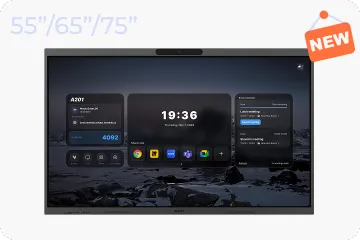
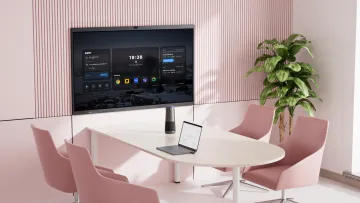
NearHub is an all-in-one solution for meeting rooms and classrooms. NearHub possesses an
interactive digital Board with
cutting-edge whiteboard software. By combining your favorite programs with mess-free writing canvas and video conferencing, you can improve your interaction and productivity in the online meeting room or classroom. Besides, NearHub also provides
MagicPad S13 to improve digital learning and creativity.