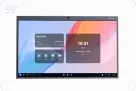
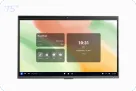
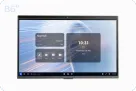
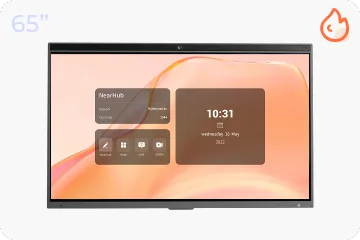
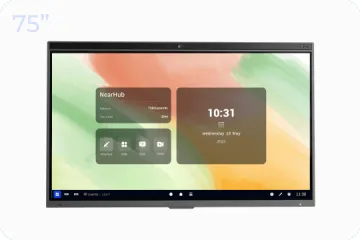
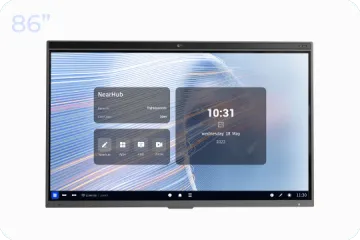
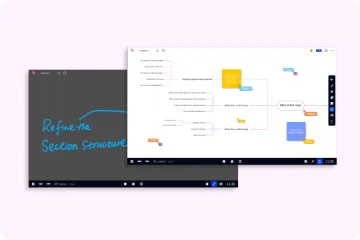
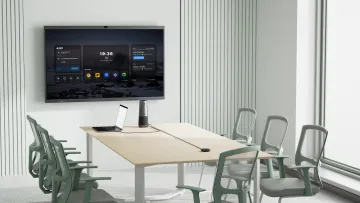
In today's rapidly evolving world, the integration of technology into various fields has become essential. Social work is no exception. The intersection of social work and technology presents numerous opportunities to enhance the effectiveness and reach of social work practice. One such technological advancement is the use of digital whiteboards. Here's how whiteboards can benefit social workers and the communities they serve.
The Role of Technology in Social Work
Technology has revolutionized the way social workers engage with clients and manage their cases. From digital record-keeping to virtual counseling sessions, the impact is profound. Whiteboards are versatile tools that support these technological advancements, making it easier for social workers to carry out their duties efficiently.
How Technology Enhances Social Work Practice
-
Enhanced Communication and Collaboration
-
Visual Aid: Social workers can use whiteboards to visually explain concepts and strategies to clients, making complex information more accessible.
-
Collaboration: The whiteboard allows for real-time collaboration with colleagues, supervisors, and clients, regardless of their location, which may significantly improve productivity and effectiveness of social work.
-
Improved Case Management
-
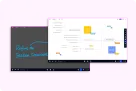
Digital Notes and Annotations: Social workers can take notes, draw diagrams, and save all information digitally, ensuring that all data is organized and easily accessible.
-
Secure Data Storage: All information can be securely stored in the cloud, protecting sensitive client data while allowing access from anywhere and this offers perfect solution for organization management.
-
Training and Development
-
Interactive Training Sessions: Social workers can use the whiteboard for
interactive training sessions, enhancing their skills and knowledge continuously.
-
Resource Sharing: The whiteboard facilitates the sharing of resources, such as training videos and documents, among social workers.
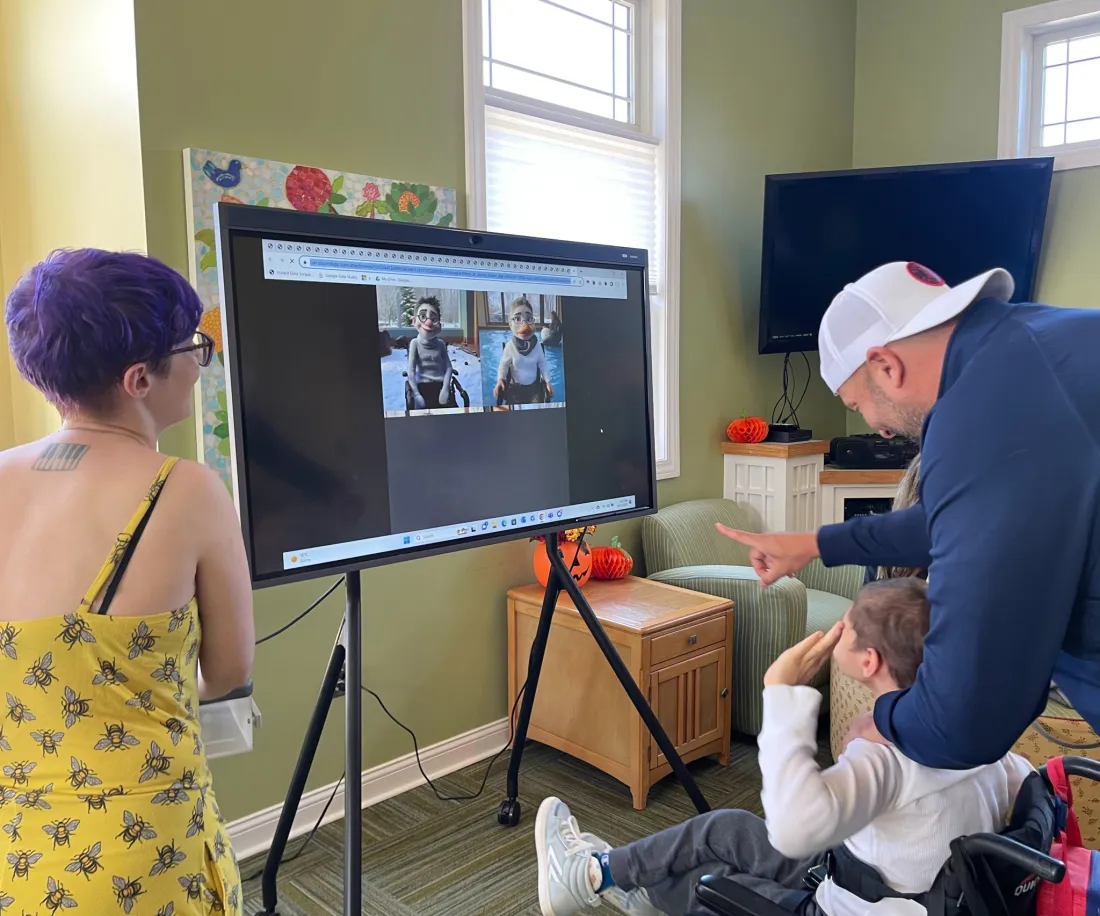
Ways Social Work Can Benefit from Technology
The integration of technology into social work offers numerous benefits, including:
-
Increased Efficiency: Technology streamlines administrative tasks, allowing social workers to focus more on client interaction and support.
-
Broader Reach: Virtual tools enable social workers to reach clients in remote or underserved areas, ensuring that everyone has access to the services they need.
-
Better Outcomes: Enhanced data collection and analysis tools help social workers make more informed decisions, leading to better outcomes for clients.
-
Community Medical Services
-
Telehealth Integration: Whiteboards can be integrated into telehealth services, allowing social workers to coordinate with medical professionals and provide holistic care to clients.
-
Health Education: Social workers can use whiteboards to educate communities about health practices and available medical services.
-
Community Legal Services
-
Legal Aid Coordination: Social workers can collaborate with legal professionals using whiteboards to ensure clients receive comprehensive support.
-
Client Education: The whiteboard can be used to explain legal processes and rights to clients, empowering them to navigate the legal system more effectively.
Conclusion
The synergy between social work and technology is transforming the field, making it more effective and accessible. Whiteboards are a testament to how technology can enhance social work practice, offering tools that improve communication, case management, and client outcomes. Whether it's in community medical services or community legal services, the benefits are clear. Embracing these technological tools will enable social workers to provide better support and achieve greater success in their vital work.
For more information on how whiteboards can enhance your social work practice, please contact us or schedule a demo today.
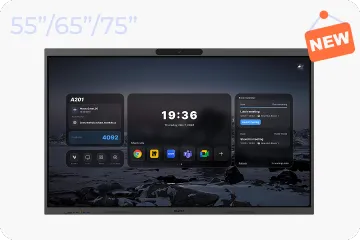
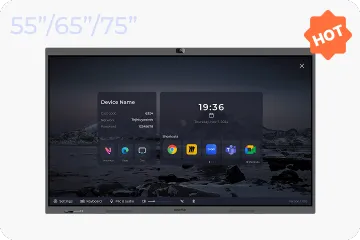
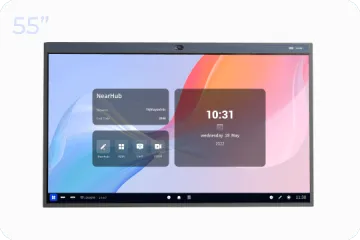
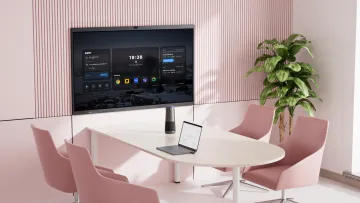
NearHub is an all-in-one solution for meeting rooms and classrooms. NearHub possesses an interactive digital Board with
cutting-edge smart software. By combining your favorite programs with mess-free writing canvas and video conferencing, you can improve your interaction and productivity in the online classroom. Besides, NearHub also provides
MagicPad S13 to improve digital learning and creativity. Click
here to view more on NearHub.