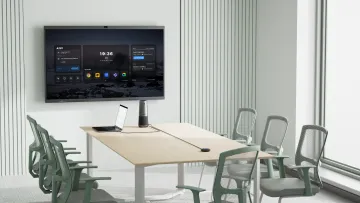
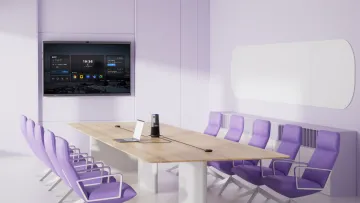
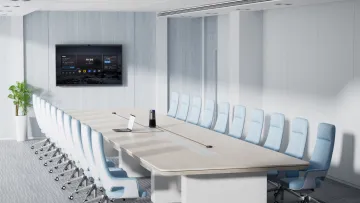
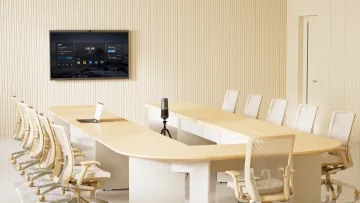
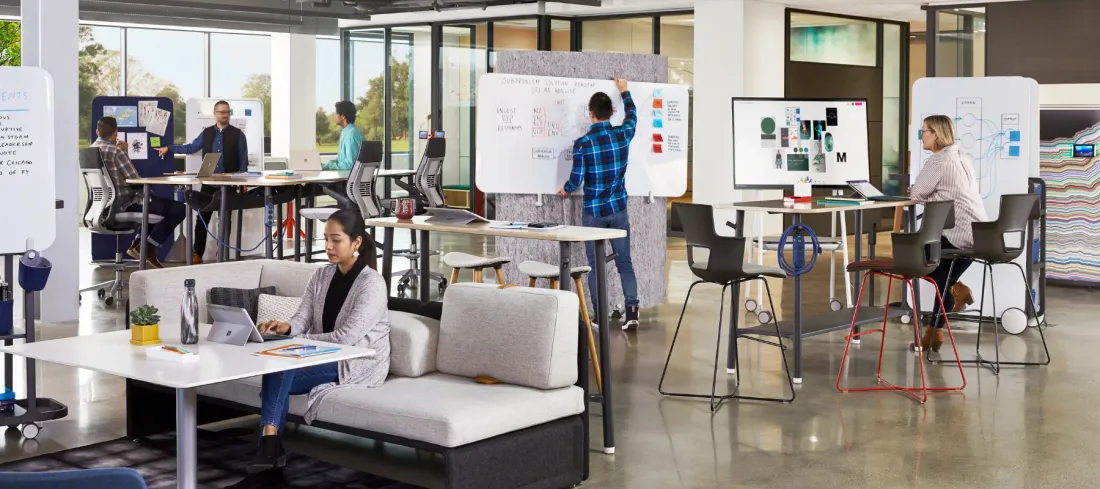
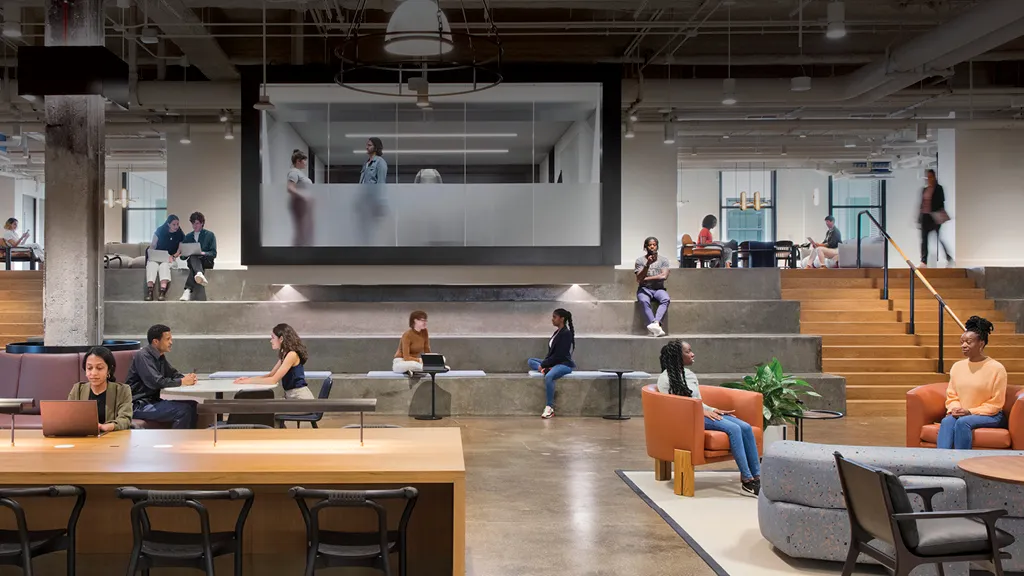
As we all know, a comfortable environment can have a profound and positive influence on human well-being, affecting various aspects of physical health, mental health, and overall quality of life. Visual environment is an indispensable part of environment which refers to the surroundings or conditions that impact what individuals see and perceive in a given space. Thus, visual comfort is an non-negligible factor for environmental designers to put into consideration. In modern workspaces, visual comfort is always paticularly designed for employees. In this article, we will inform you of visual comfort in the modern workplace.
What is visual comfort?
Visual comfort refers to the ease and well-being experienced by individuals in relation to their visual perception of the environment. In various contexts, especially in design and architecture, visual comfort is a concept that emphasizes creating environments and spaces that promote a positive and comfortable visual experience for the people within them.
Key elements contributing to visual comfort include:
-
Appropriate lighting: Adequate and well-designed lighting that reduces glare, shadows, and uneven illumination. It also involves considering the color temperature and intensity of lighting to create a visually pleasing atmosphere.
-
Ergonomics: Designing spaces and furniture to support proper posture and reduce visual strain. This includes the arrangement of desks, chairs, and computer screens in a way that minimizes discomfort.
-
Color and aesthetics: Choosing colors, patterns, and visual elements that are harmonious, soothing, and promote a sense of well-being. Avoiding overly bright or harsh colors that may cause visual discomfort is a part of this consideration.
-
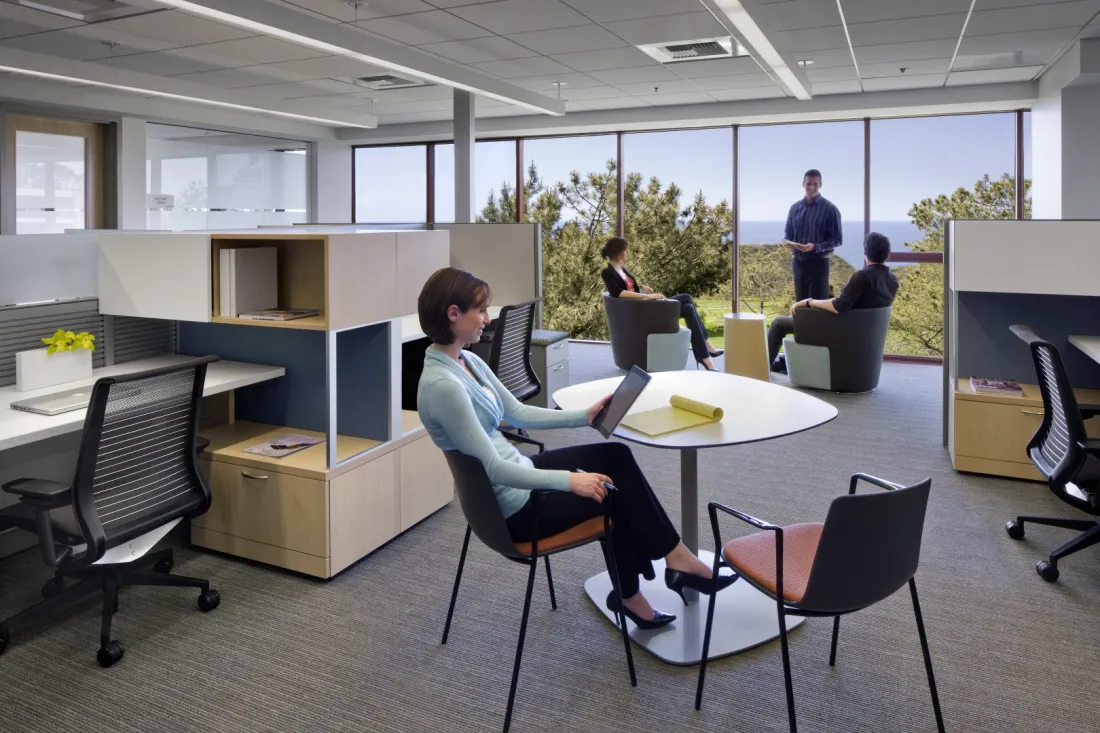
View and connection to nature: Providing access to natural light, outdoor views, and incorporating elements of nature within the built environment. This connection to the outdoors can enhance visual comfort.
-
Clutter-free spaces: Organizing spaces to minimize visual clutter and distractions. This can involve thoughtful storage solutions and maintaining a clean and organized environment.
-
Flexibility and adaptability: Designing spaces that can adapt to different needs and preferences. This includes adjustable lighting, movable furniture, and versatile layouts that allow individuals to customize their surroundings.
-
Temperature and humidity control: Maintaining comfortable temperature and humidity levels to create a pleasant and visually conducive environment.
Visual comfort is subjective and can vary among individuals based on personal preferences, health conditions, and cultural factors. Achieving visual comfort is not only about aesthetics but also about creating environments that support the well-being and productivity of the people who inhabit those spaces. In the workplace, educational settings, or residential areas, prioritizing visual comfort contributes to a positive overall experience and can enhance the quality of life for individuals.
Some examples of visual comfort in workplace
Visual comfort in the workplace can be achieved through thoughtful design, lighting solutions, and ergonomic considerations. Here are some examples of elements that contribute to visual comfort in a modern workplace:
-
Natural lighting: Incorporating large windows and skylights to allow ample natural light into the workspace. This helps regulate circadian rhythms and provides a connection to the outdoors
-
Task lighting: Providing adjustable task lighting for individual workstations, allowing employees to control and direct light based on their specific tasks and preferences.
-
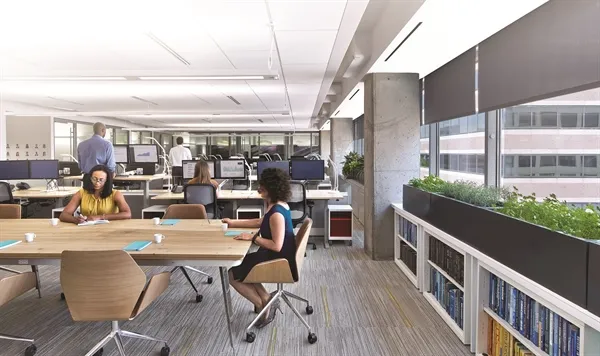
Anti-glare solutions: Using anti-glare coatings on computer screens, windows, and other surfaces to reduce reflections and minimize eye strain.
-
Proper desk and chair arrangement: Arranging desks and chairs to optimize natural light and prevent direct glare on computer screens. Ensuring that workstations are well-organized and free from clutter also contributes to visual comfort
-
Color scheme: Choosing a soothing and well-coordinated color scheme for the workspace that promotes a sense of calm and visual harmony. Avoiding overly bright or harsh colors can reduce visual stress.
-
Ergonomic furniture: Providing ergonomic furniture, including adjustable chairs and desks, to support proper posture and reduce physical discomfort.
-
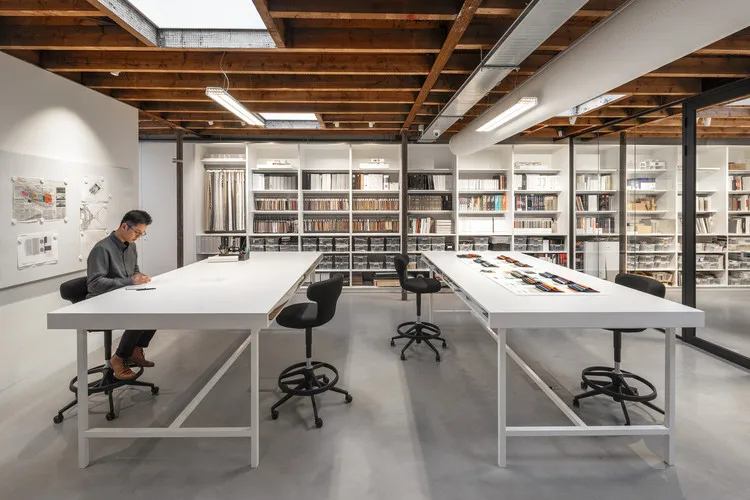
Flexible workspaces: Designing flexible workspaces that accommodate various work styles and preferences. This might include adjustable desks, movable partitions, and reconfigurable furniture.
-
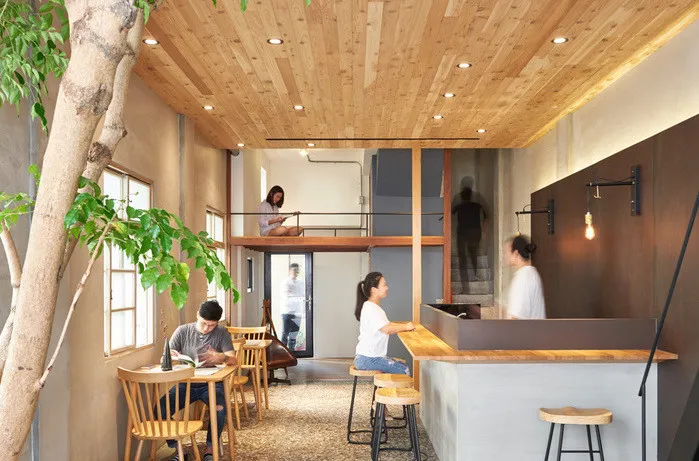
Biophilic design: Incorporating elements of nature, such as plants and natural materials, into the workspace to create a visually pleasing and calming environment.
-
Personalized lighting controls: Offering individual lighting controls for employees to adjust the intensity and color temperature of their lighting, allowing customization based on personal preferences.
-
Noise reduction: Implementing acoustic solutions to reduce noise levels and create a more visually and aurally comfortable environment.
-
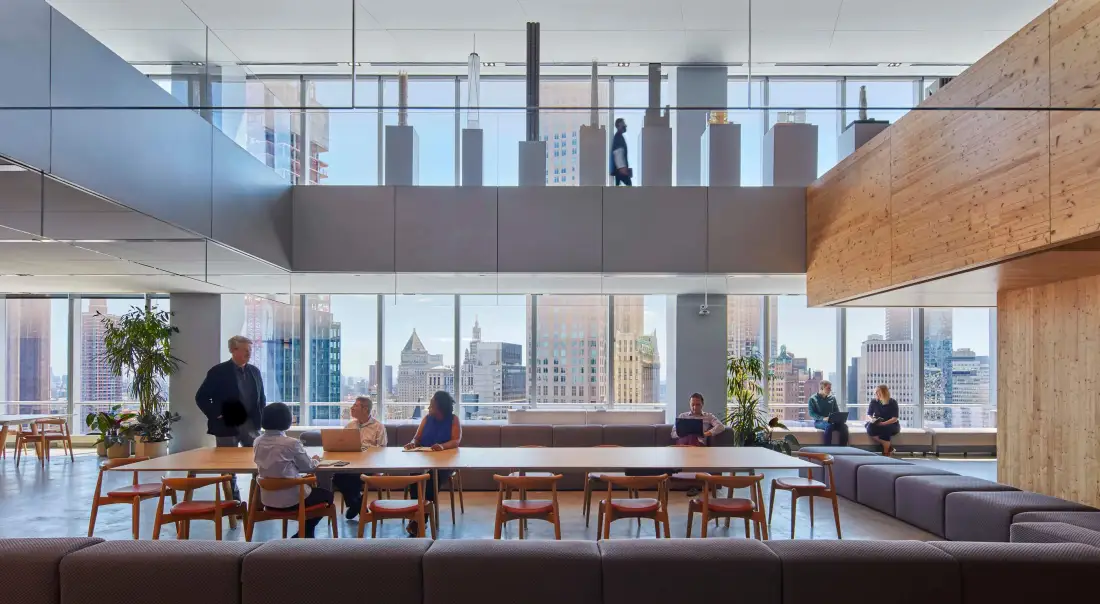
Well-designed breakout areas: Creating visually inviting breakout areas with comfortable seating, soft lighting, and natural elements to provide employees with spaces for relaxation and rejuvenation.
These examples showcase the diverse ways in which visual comfort can be achieved in the workplace, contributing to a more pleasant and supportive environment for employees.
How does visual comfort in modern workplace benefits our well-being?
Visual comfort in the modern workplace plays a crucial role in enhancing overall well-being by positively impacting various aspects of our health and productivity. Here are some key ways in which visual comfort benefits well-being in the workplace:
-
Reduced eye strain: Proper lighting and ergonomic design minimize eye strain, reducing discomfort and the risk of conditions like headaches and blurred vision.
-
Enhanced productivity: Adequate lighting and well-designed workspaces contribute to increased alertness and focus, positively impacting productivity and task performance.
-
Improved mood and morale: Well-lit and visually comfortable environments have been linked to improved mood and job satisfaction, creating a more positive and enjoyable work atmosphere
-
Minimized discomfort and fatigue: Visual discomfort, such as glare or inadequate lighting, can contribute to physical discomfort and fatigue. Addressing these issues promotes a more comfortable and energizing work environment.
-
Better concentration and attention: Proper lighting and visual conditions help individuals maintain better concentration and sustained attention, leading to improved task completion and work quality.

-
Support for circadian rhythms: Exposure to natural light and well-designed lighting systems can support circadian rhythms, regulating sleep-wake cycles and contributing to overall health and well-being.
-
Prevention of vision issues: Visual comfort measures, such as proper lighting levels and ergonomic design, can help prevent long-term vision problems and discomfort associated with extended screen use.
-
Positive impact on mental health: A visually comfortable workspace contributes to a positive mental health environment, reducing stress levels and promoting a sense of well-being among employees.
-
Encourages movement and collaboration: Well-designed workspaces that consider visual comfort often include open and collaborative areas, encouraging movement and interaction among colleagues, fostering a sense of community.

-
Adaptability to individual needs: Customizable lighting and visual elements allow individuals to personalize their workspace based on their preferences and specific needs, promoting a sense of control and comfort.
-
Promotes a healthy work-life balance: A visually comfortable workplace contributes to an overall positive work environment, facilitating a healthier work-life balance and reducing stress associated with uncomfortable physical surroundings.
By addressing visual comfort in the modern workplace, organizations can create environments that prioritize the well-being of their employees, leading to increased job satisfaction, productivity, and overall happiness in the workplace.
Conclusion
The visual comfort of the office creates a favorable working environment for employees, which not only pays attention to the physical and mental health of employees, but also enhances the enthusiasm of employees and promotes a good working atmosphere. This has a positive impact on both organizations and individuals. Therefore, when designing the work place, the designer are adviced to consider more visual comfort factors for well-being to better promote the personnel and company development.
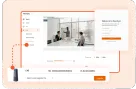
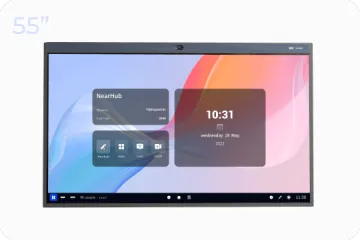
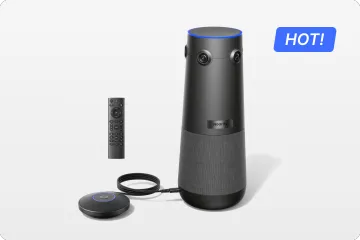
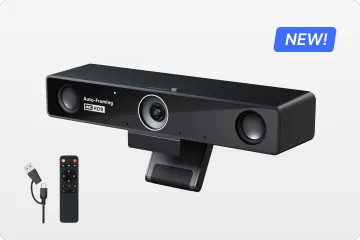
NearHub is an all-in-one solution for meeting rooms and classrooms. NearHub possesses an interactive digital Board with
cutting-edge smart software. By combining your favorite programs with mess-free writing canvas and video conferencing, you can improve your interaction and productivity in the online classroom. Besides, NearHub also provides
MagicPad S13 to improve digital learning and creativity. Click
here to view more on NearHub