Supporting Hybrid Registered Nurse Jobs: How Interactive Boards Are Revolutionizing Remote Patient Care
This definitive guide explores how healthcare organizations can revolutionize hybrid healthcare jobs by integrating interactive hardware like the NearHub S Max to bridge the gap between virtual nursing and bedside care.
Hybrid Nursing
Interactive Whiteboards
Virtual Care
Updated: Aug 19, 2026 · 10 minutes read
Global Business, Brought Near.
No Installer, No Hassle, Just Works.
In the professional clinical landscape of 2026, the success of a medical organization is no longer defined by physical attendance alone but by "Activity-Based Presence." This Ultimate Guide addresses the systemic burnout crisis within the nursing profession by exploring the critical role of high-performance hybrid healthcare jobs. By identifying five core friction points—including documentation black holes and the dangerous "Setup Tax" during life-critical emergencies—the article provides a blueprint for Intentional Clinical Presence. Central to this transformation is the implementation of the NearHub S Max Smart Whiteboard, which fosters "Clinical Presence Equity" for remote specialists. The guide details how native Windows 11 Pro integration, AI-driven visibility (Speaker Tracking), and cognitive zoning allow hospitals to maximize clinician wellness and rightsizing their footprints while maintaining 100% patient safety and feature parity with existing EHR systems.
Key Takeaways
Shift to Activity-Based Nursing: Reserve the physical ward for high-acuity care and use remote hubs for admission assessments, discharge education, and dual-signoffs to significantly reduce bedside burnout.
Prioritize Clinical Presence Equity: Leverage AI Speaker Tracking and 4K clarity to ensure remote specialists have the same visual and vocal influence as those physically standing in the trauma bay.
Eliminate the "Setup Tax": Use standalone interactive hubs with native calendar integration to launch tele-consults in under 60 seconds, a critical requirement for rapid response teams and codes.
Adopt Digital-First Clinical Mapping: Replace analog surfaces with cloud-synced interactive canvases to prevent information silos and ensure a "single source of truth" for distributed teams across shift hand-offs.
Combat Clinical Screen Fatigue: Move away from 13-inch tablets to large-scale 4K displays to reduce ciliary muscle strain and encourage active, standing collaboration among clinical staff.
Optimize ROI Through Rightsizing: Reduce administrative square footage and reinvest savings into premium interactive infrastructure to attract and retain top-tier talent in the competitive global nursing market.
Maintain Enterprise-Grade Security: Utilize hardware that integrates natively with existing Active Directory and hospital security protocols to protect sensitive patient data in a distributed clinical environment.
Picture an ICU nurse at the end of a grueling twelve-hour shift. Their feet are aching, their mental bandwidth is depleted after navigating dozens of life-critical patient alarms, and they are now facing a two-hour mountain of administrative charting before they can even think about going home. This clinical drain is the primary reason why the global nursing shortage has reached a crisis point in 2026. However, the emergence of hybrid healthcare jobs is offering a vital lifeline to the profession. By shifting the paradigm from purely physical bedside care to a model of Intentional Presence, hospitals are finally bridging the gap between clinician wellness and patient safety.
Welcome to this comprehensive Ultimate Guide for the modern medical workforce. This isn't just another article about telehealth; it is a deep-dive pillar page into the infrastructure and strategy required to support hybrid registered nurse jobs through high-performance collaboration hubs. Within the first 100 words of this guide, it is critical to recognize that a successful transition to hybrid healthcare jobs depends on Presence Equity—the ability for remote specialists to have the same visual and vocal influence as those standing at the bedside. Whether you are a Chief Nursing Officer or a healthcare IT director, this roadmap provides the strategic framework required to modernize your clinical workforce.
Defining the 2026 Clinical Landscape: What is a Hybrid Job Position?
Before we can optimize hospital workflows, we must first establish a clear answer to the question: what is a hybrid job position in the context of modern medicine? A decade ago, nursing was considered a 100% physical role. Today, it has evolved into a results-oriented model where the location of the clinician is dictated by the nature of the clinical task, not a rigid hospital floor mandate.
The Shift from Rounds to Remote Monitoring
According to a 2026 report by the American Nurses Association, organizations that implement virtual nursing models see a 30% reduction in bedside burnout and a 15% increase in patient satisfaction scores. This shift is redefined by three central dimensions:
Activity-Based Clinical Presence: Identifying which tasks, such as admission charting, discharge education, and dual-signoff on high-risk meds, can be done effectively from a remote hub.
Clinical Presence Equity: Ensuring a remote nurse can see the patient’s room nuances on a smart white board with the same clarity as the physical staff.
Technological Symmetry: Providing command centers in the hospital that are equipped with tools significantly superior to a standard tablet or phone.
Understanding what is a hybrid remote job in healthcare means recognizing that the nurse is no longer just a physical caregiver; they are a data-driven coordinator of care who can toggle between the physical ward and the digital command center.
The Strategic Transition to Hybrid Healthcare Jobs
When candidates search for hybrid registered nurse jobs, they are no longer just looking for a flexible schedule. They are looking for a professional environment that protects their mental bandwidth while allowing them to utilize their clinical expertise to the fullest.
Why Healthcare Needs a Physical-Digital Bridge
The Missing Link in many healthcare strategies is the failure to provide a physical anchor for these remote roles. If a bedside team is performing a rapid response and the remote intensivist or virtual nurse is only a voice in a box, critical details are lost. Hybrid healthcare jobs fail when the remote participant is a spectator rather than a partner.
Visual Equity: Can the remote nurse see the monitor waveforms on a nearhub board?
Interactive Weight: Can a remote specialist annotate a digital treatment plan as easily as the person in the room?
Acoustic Inclusion: Does the technology allow the remote nurse to hear subtle lung sounds or patient whispers that contain vital context?
Organizations that prioritize these technical factors are the ones winning the talent war in the search for hybrid healthcare jobs.
Understanding the Infrastructure of Hybrid Healthcare Jobs
A successful model requires more than just a laptop. To support hybrid registered nurse jobs, hospitals must invest in Clinical Innovation Theaters—zones specifically designed to bridge the gap between the stylus and the screen.
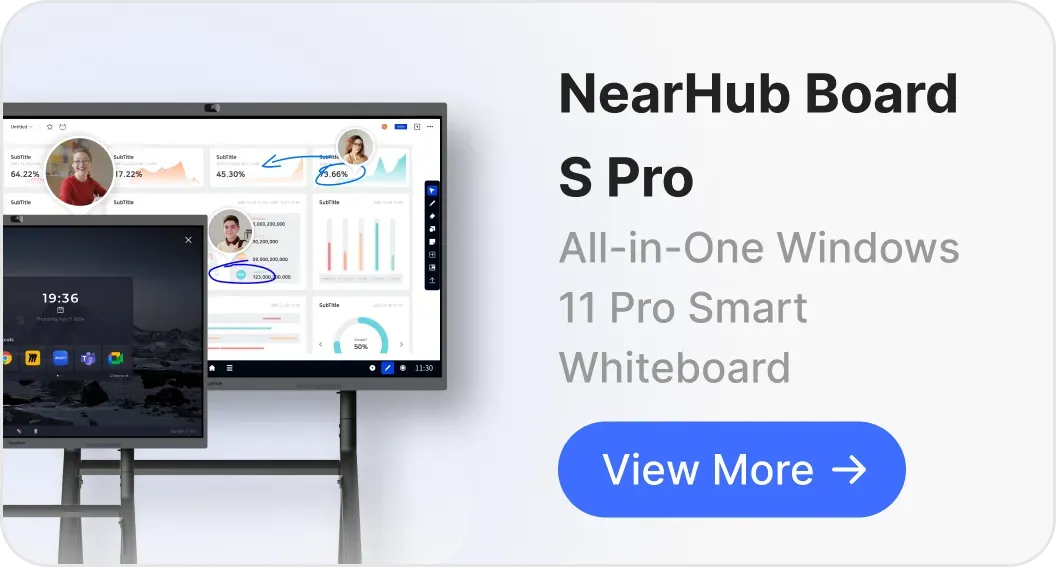
The Role of the NearHub Board Max
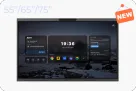
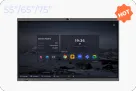
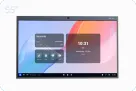
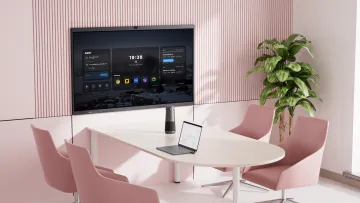
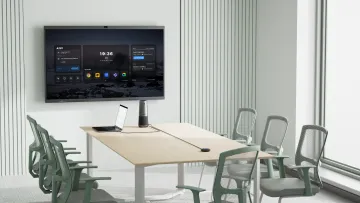
The NearHub Board Max serves as the central nervous system of the modern virtual nursing station. It provides the high-fidelity interface needed for high-stakes decision-making.
4K Medical-Grade Clarity: Digital ink must be precise enough to sketch anatomical diagrams or review imaging with zero millisecond delay.
Native Windows 11 Pro Integration: Most hospital systems run on legacy Windows software. The NearHub Board Max runs full desktop versions of Electronic Health Records natively, ensuring no feature loss.
Beamforming Mic Arrays: High-fidelity audio ensures that every voice in a noisy ER is isolated, making the distance feel non-existent for the remote consultant.
By utilizing a smart white board as a central hub, clinicians can maintain the flow state required for complex patient care.
5 Critical Solutions for Successful Hybrid Healthcare Jobs
Building a resilient healthcare strategy requires an audit of the friction points that prevent a clinical team from reaching peak performance. Here is how advanced hybrid healthcare jobs solve the most common challenges in the post-pandemic hospital.
1. Eliminating the Documentation Black Hole
In traditional nursing, many decisions are made during huddles. If these aren't captured, the remote part of the team loses the context behind the clinical plan.
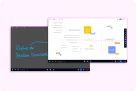
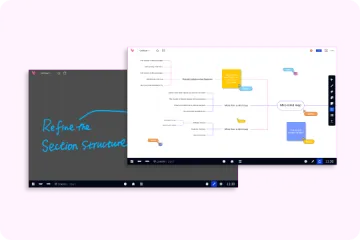
The Solution: Digital-first clinical mapping. When a team knows how to use a smart board for shift handovers, every visual note is captured in 4K and synced to the cloud instantly.
2. Reducing the Setup Tax in Emergencies
Wasting 5 minutes fumbling with cables during a code blue is unacceptable. This technical friction makes clinicians resent the technology.
The Solution: One-touch clinical entry. Hardware that integrates natively with hospital calendars allows a bedside nurse to summon a remote specialist in under 60 seconds.
3. Mitigating Proximity Bias in Clinical Reviews
Managers inadvertently favor the nurses they see physically, leading to unequal career advancement for those in hybrid remote jobs near me.
The Solution: Outcome-based clinical metrics. Measure the team by patient outcomes and chart accuracy rather than physical steps taken on the floor.
4. Solving Acoustic and Visual Isolation
Remote nurses often feel they are peeking through a keyhole. This lack of detail leads to fatigue and potential errors.
The Solution: AI-driven visibility. Utilizing Speaker Tracking and AI Gallery View ensures the remote nurse never misses a non-verbal cue from a patient.
5. Preventing Asynchronous Hand-off Decay
When a night-shift nurse leaves, the day-shift nurse often loses the visual context of the night’s events.
The Solution: Persistent digital canvases. Using nearhub technology, a visual timeline of a patient’s progress stays live across shifts.
The Biological Impact: Why Presence Equity Matters for Registered Nurses
Wellness is often the forgotten component of healthcare infrastructure. However, a successful hybrid registered nurse jobs program is built on the physical comfort and mental clarity of the staff.
Combating Clinical Screen Fatigue
Staring at a small tablet for an entire shift is biologically draining.
Visual Relief: Moving to a large-scale smart white board allows the eyes to shift focus distance, reducing strain.
Active Movement: Interactive boards encourage clinicians to stand up and move, which has been shown to boost oxygen flow to the brain and improve diagnostic accuracy.
Comparison Table: Legacy Nursing vs. Master Hybrid Clinical Hub
ROI and Rightsizing: The Economic Case for Virtual Nursing
As a leader, you aren't just looking for tools; you are looking for Innovation Velocity. Implementing a robust strategy for hybrid healthcare jobs pays for itself in reduced turnover and increased bed turnover speed.
Reducing the Cost of Nurse Turnover
The cost to replace a high-level registered nurse is often 1.5x their annual salary. In a global talent market, flexibility is a top priority.
Math of Retention: High-quality tech increases the Hospital Magnetism factor.
Talent Attraction: Top-tier nurses will not stay in an organization that forces them to use outdated, frustrating technology.
Mitigating the Setup Tax
Every minute wasted on technical troubleshooting is a drain on your operational budget. By providing a frictionless entry via the nearhub ecosystem, you reclaim hundreds of lost hours per month across your nursing units.
Security and Standards: Managing Distributed Patient Data
A clinical toolkit is a liability if it isn't secure. As teams become more distributed, the attack surface of the hospital increases. Professional hybrid healthcare jobs must prioritize security without creating friction for the nurse at the bedside.
Standardized IT Integration
The best tools are those that your IT department already knows how to manage.
Native Windows Security: Since the NearHub Board Max runs on Windows 11 Pro, it integrates seamlessly with existing Active Directory and hospital security protocols.
Access Control: Professional smart white board units feature PIN locks to ensure only authorized users access local files.
Regulated Sharing: Use built-in enterprise storage interfaces on your interactive hardware to ensure all clinical outputs remain within the hospital digital perimeter.
FAQ Section: Optimizing Your Search for Hybrid Nursing Roles
What is a hybrid registered nurse job in 2026?
In 2026, it is a role where a nurse alternates between physical bedside care and remote tasks like admission assessments, discharge education, and dual-medication signoffs. It emphasizes Intentional Presence using the hospital for high-acuity tasks and the home for administrative execution.
How do I learn how to use a smart board for clinical rounds?
Modern boards from nearhub are designed to be intuitive. Most healthcare professionals can master basic navigation and EHR-sharing features in under five minutes, as the interface mimics a standard Windows environment. When you know how to use a smart board, the technology fades into the background.
Are hybrid healthcare jobs better than bedside-only roles?
Neither is inherently better; it depends on your career stage. However, hybrid healthcare jobs are proven to reduce the physical toll of nursing, leading to longer careers and less burnout.
Why is the Setup Tax a problem in hospitals?
The Setup Tax refers to the time lost trying to connect cameras or find meeting links. In a clinical setting, this friction is dangerous. Hybrid healthcare jobs solve this by using standalone interactive hubs that launch meetings with a single tap.
Is the NearHub Board Max compatible with Epic or Cerner?
Absolutely. Because it runs on Windows 11 Pro, it supports the full desktop versions of all major EHR systems, ensuring that nurses have 100% feature parity whether they are in the hospital or at home.
Conclusion & CTA
The transition to a hybrid-first healthcare world is the most significant shift in nursing culture in a century. Successfully navigating this change requires more than just a new schedule; it requires a radical commitment to providing the right tools and fostering a culture of Presence Equity. By defining the hospital as a specialized destination for high-value collaboration and equipping it with high-performance hardware, you turn your clinical strategy into a competitive advantage.
A high-performance toolkit is built on a foundation of trust, equity, and the right infrastructure. When you eliminate the tiny screen struggle and replace it with professional-grade tools like the NearHub Board Max, you aren't just buying hardware; you are investing in the long-term innovation and health of your nursing staff. The goal is simple: to make the work as rewarding as the patient's recovery. Don't let your hospital reality lag behind your remote strategy.