Encountering a situation where one diligently puts in effort at work, but those efforts go unnoticed by leadership can lead to a sense of doubt regarding the significance of one's contributions and a subsequent loss of motivation. This phenomenon raises the question of why such oversight occurs and how to enhance visibility of individual contributions. In this context, incorporating quantifiable results into one's work emerges as a practical solution, serving to make the impact of one's efforts more tangible and evident to leaders.
What is quantifiable results?
Quantifiable results are outcomes that can be measured, expressed in numerical terms, or otherwise objectively assessed. These results are tangible and specific, making it easier to evaluate performance, track progress, and demonstrate the impact of your work.
For example, if you're working on a project, quantifiable results might include metrics such as the percentage increase in sales, the number of new customers acquired, the time saved through process improvements, or any other measurable indicator that reflects the success of your efforts.
Why do we need quantifiable results in our work?
Quantifiable results in your work are important for several reasons, providing tangible evidence of your efforts and contributing to overall success. Here are key reasons why quantifiable results are crucial:
-
Measuring progress: Quantifiable results allow you to measure your progress toward achieving specific goals and objectives. They provide a clear indication of how far you've come and what remains to be accomplished.
-
Objective evaluation: Having quantifiable results enables an objective evaluation of your work. It allows for an unbiased assessment of performance based on measurable outcomes rather than subjective opinions.
-
Demonstrating impact: Quantifiable results provide concrete evidence of the impact of your work. Whether it's increased revenue, improved efficiency, or other measurable outcomes, it helps showcase the value you bring to your projects or organization.
-
Informed decision-making: Measurable results offer a foundation for informed decision-making. When you have quantitative data, you can analyze trends, identify areas for improvement, and make decisions based on evidence rather than assumptions.
-
Accountability: Quantifiable results hold you accountable for your work. They establish a standard against which you can evaluate your performance, fostering a sense of responsibility for achieving the defined goals.
-
Resource allocation: Having quantifiable outcomes justifies the allocation of resources, whether it's time, budget, or manpower. It helps demonstrate the return on investment and guides decisions on resource distribution.
-
Continuous improvement: Measurable results are crucial for fostering a culture of continuous improvement. They provide a baseline for assessing the effectiveness of different approaches, allowing for iterative refinement and optimization.
-
Strategic planning: Measurable results play a crucial role in strategic planning. They provide valuable insights into what works well and what areas may need adjustment, guiding future strategies and initiatives.
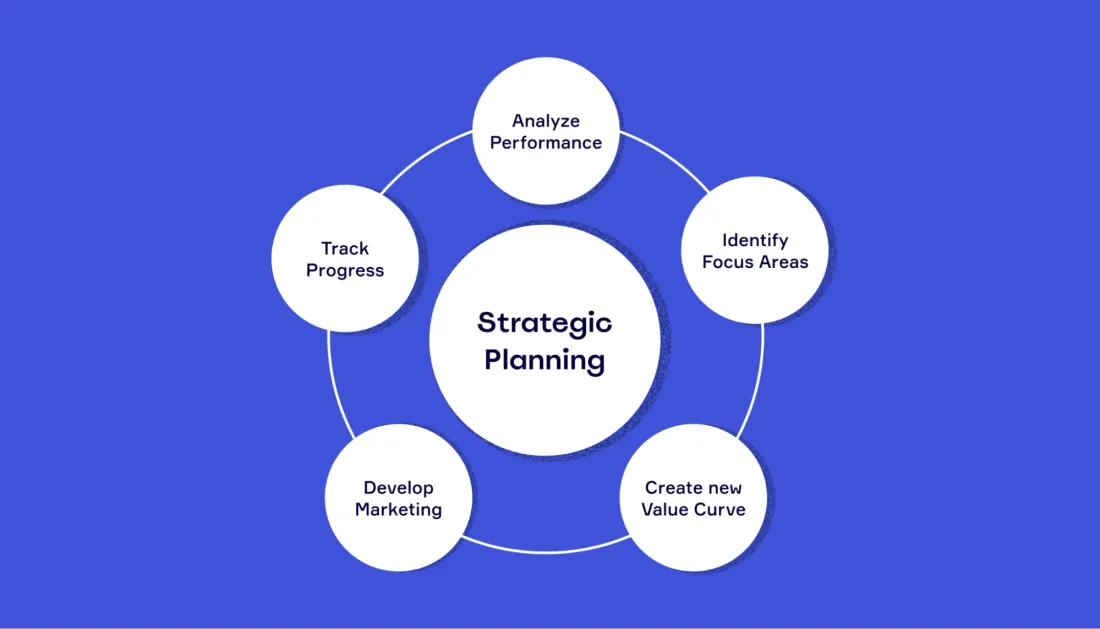
In summary, quantifiable results are essential for tracking progress, demonstrating impact, making informed decisions, and fostering a culture of continuous improvement. They provide a basis for success in both individual and organizational contexts.
How to add quantifiable results to your work?
Adding quantifiable results to your work involves a systematic approach to goal-setting, measurement, and documentation. Here are steps you can take to ensure that your work produces measurable outcomes:
-
Define clear objectives: Start by clearly defining your objectives. What do you want to achieve? Make sure your objectives are based on SMART framwork.
SMART framework:
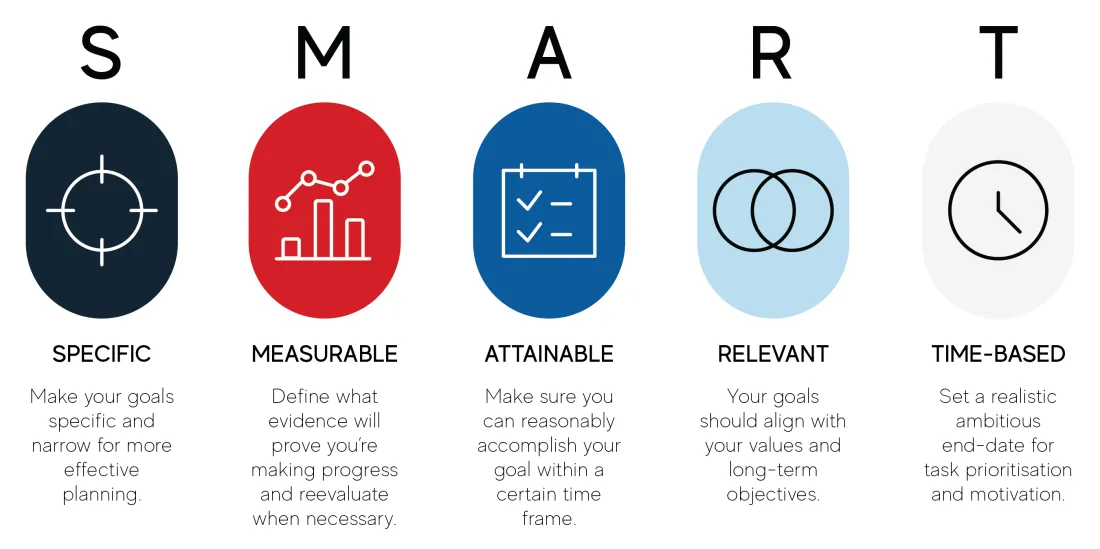
The SMART framework is a set of principles designed to guide the setting of effective goals. The acronym SMART stands for Specific, Measurable, Achievable, Relevant, and Time-bound. These principles help ensure that goals are well-defined, achievable, and have a clear path to success. Here's a breakdown of each element of the SMART framework:
-
Specific: Goals should be clear, specific, and well-defined. Avoid vague language and articulate exactly what you want to accomplish. A specific goal answers the questions of who, what, where, when, and why.
-
Measurable: Goals should be measurable, meaning there should be a way to quantify or assess progress. This involves using concrete criteria or metrics to track your advancement. Measurable goals help you understand when you've achieved success.
-
Achievable: Goals should be realistic and attainable. While it's good to set challenging goals, they should also be within the realm of possibility. Assess your resources, skills, and time constraints to ensure that the goal is achievable.
-
Relevant: Goals should be relevant and aligned with broader objectives. They should matter to you and be consistent with your values and long-term plans. This ensures that your efforts are directed toward meaningful outcomes.
-
Time-bound: Goals should have a defined timeframe or deadline. This creates a sense of urgency and helps prevent procrastination. Setting a timeframe also allows you to evaluate and adjust your strategies as needed.
-
Identify measurable outcomes: Determine the specific outcomes that can be measured to assess your progress toward each objective. These could be numerical values, percentages, or other quantifiable indicators.
-
Use metrics and key performance indicators (KPIs): Identify pertinent metrics and key performance indicators (KPIs) that are in harmony with your goals. These indicators should directly mirror the effectiveness and triumph of your endeavors.
-
Implement tracking and measurement systems: Set up systems to track and measure the identified metrics. This could involve using project management tools, analytics software, surveys, or other data collection methods.
-
Regularly monitor and evaluate: Regularly review the data collected from your tracking systems. This allows you to assess your progress, identify areas for improvement, and make informed decisions.
-
Connect results to objectives: Effectively illustrate how your measurable outcomes correspond with your established objectives. This correlation aids stakeholders in comprehending the significance of your contributions.
-
Seek feedback: Collect feedback from stakeholders to validate and contextualize your quantifiable results. This input can provide valuable insights and help you make adjustments as needed.
-
Iterate and improve: Utilize the data and feedback to refine your strategies. Identify opportunities for improvement and make necessary adjustments to elevate your performance.

-
Celebrate achievements: Acknowledge and celebrate accomplishments upon reaching or surpassing your measurable goals. Recognition has the potential to enhance morale and motivation levels.
-
Stay adaptable: Be flexible and open to adjusting your metrics and targets based on changing circumstances or feedback. This ensures that your quantifiable measures remain relevant and reflective of your evolving objectives.
By incorporating these steps into your work, you can effectively add quantifiable results that demonstrate the impact and success of your efforts.
Conclusion
In summary, demonstrating visible results is a crucial aspect of validating our efforts and contributions in our professional endeavors. The incorporation of quantifiable outcomes not only instills a sense of achievement in individuals but also ensures that employees actively contribute to the company's operations. To attain measurable outcomes, it is essential to establish clear objectives as the foundation. As you work towards your goals, consistently document your accomplishments, assess the effectiveness of the plan, and make adjustments accordingly. Actions that can be measured lead to outcomes that are quantifiable.
NearHub is an all-in-one solution for meeting rooms and classrooms. NearHub possesses an interactive digital Board with
cutting-edge smart software. By combining your favorite programs with mess-free writing canvas and video conferencing, you can improve your interaction and productivity in the online classroom. Besides, NearHub also provides
MagicPad S13 to improve digital learning and creativity. Click
here to view more on NearHub.