topmost

Great Chance to Invest in H2 Success at Mid-year Sale

No Installer, No Hassle, Just Works with Nearity 360 Alien

Unlock $300 Worth Free Shipping?

Go Big and Beyond with the New Win11 Pro NearHub Board!

Revolutionizing Museums: The Impact of Smart Whiteboards

In the dynamic world of museums, innovation is key to enhancing visitor experiences and making displays more engaging.

NearHub Board
Museum Digitalization
Updated: Apr 17, 2024 · 8 minutes read
Global Business, Brought Near. No Installer, No Hassle, Just Works.
In the ever-evolving landscape of museums, innovation plays a crucial role in enhancing the visitor experience and making museum displays more engaging. One such innovation is the integration of smart whiteboards. These technological marvels have the potential to transform the traditional museum experience, making it more interactive and immersive. This blog explores the various ways in which smart electronic whiteboards can make a significant difference in museums, ultimately enriching the overall visitor experience.

Why museums need digital transformation

For generations, museums have stood as bastions of culture, showcasing artifacts and artworks through static exhibits and textual descriptions. However, in our contemporary digital era, where information is increasingly consumed through interactive and dynamic mediums, museums face a pressing need to adapt. The rise of digital technologies has brought about an escalating imperative for these institutions to undergo a digital metamorphosis, not only to remain pertinent but also to thrive in an ever-evolving landscape of visitor expectations and technological advancements.
In the digitization process of museums, the smart whiteboard stands out among various technological products with its strong interactivity, powerful display capabilities, and convenience, becoming an essential technology tool in museums.

How Smart Whiteboards Impact Museums

  1. Interactive engagement

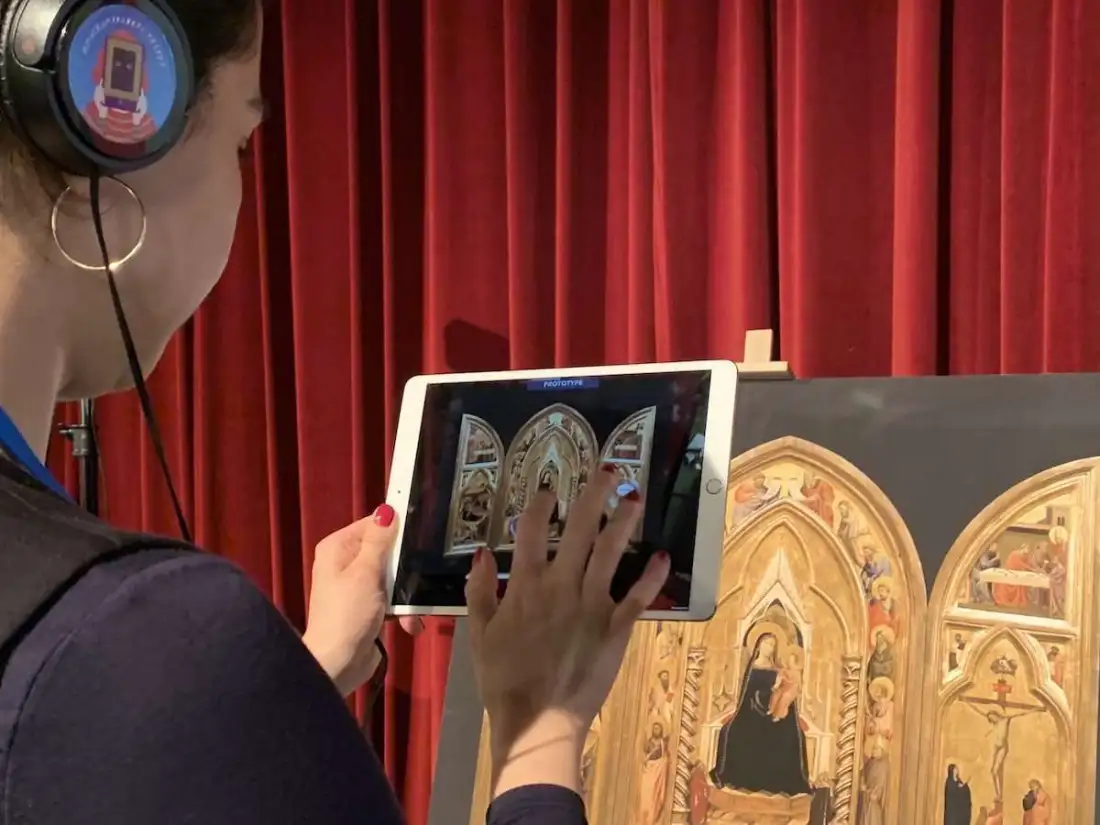
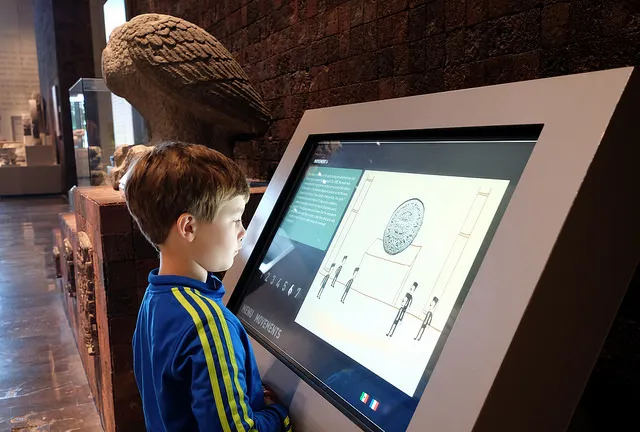
    Smart whiteboards redefine visitor interaction by allowing them to actively engage with exhibits through touch-screen interfaces and digital content. Previously, museum visitors were often separated from exhibits by thick glass and long distances, hindering their ability to closely examine details. With interactive whiteboards, detailed images and videos of exhibits are displayed, enabling visitors to explore artifacts, zoom in on details, and access multimedia resources, fostering deeper engagement and curiosity.
  1. Immersive information experiences

    Smart whiteboards provide essential functions for information processing in museums:
  1. Exhibit information display

    Traditional informational plaques often make it difficult for visitors to access exhibit information, especially in crowded environments. Smart whiteboards solve this problem by digitally displaying textual and video image information about exhibits, allowing visitors to access comprehensive details at any time, and enhancing their understanding and appreciation of the exhibits.
  1. Museum electronic map

    Navigating large museums with multiple branches can be challenging, especially for visitors with a poor sense of direction. Smart whiteboards offer interactive navigation tools, enabling visitors to explore the museum space effortlessly. Visitors can access interactive maps with labeled exhibit areas, restrooms, cafes, and other amenities, facilitating easier navigation and exploration. Additionally, these whiteboards can provide suggested tour routes, highlights of must-see exhibits, and real-time updates on special events, enhancing the visitor experience further.
  1. Educational enrichment

    Smart electronic whiteboards facilitate experiential learning by enabling museum educators to deliver tailored presentations, interactive quizzes, and guided tours. These whiteboards cater to diverse learning styles and preferences, allowing visitors to engage with content at their own pace. This accessibility and flexibility make learning more inclusive and enjoyable for a wide range of audiences, enhancing the educational experience in museums.
  1. Case studies of successful implementation:

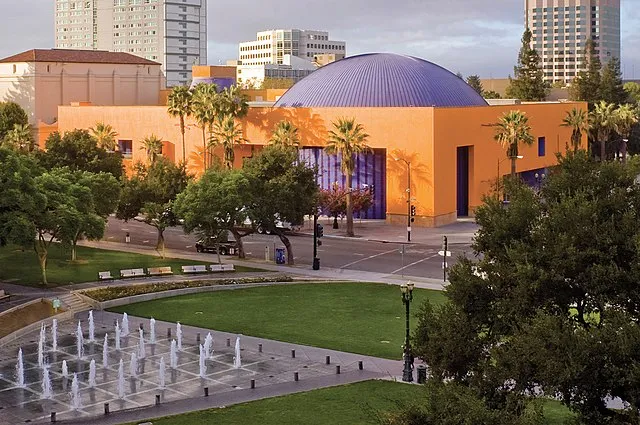
    The Tech Museum of Innovation in San Jose, California, exemplifies the effective integration of smart electronic whiteboards to enhance the interpretation and interactivity of its technology-themed exhibits. Through these innovative displays, visitors engage with exhibits in an immersive manner, exploring scientific concepts and technological principles with ease. Interactive simulations and multimedia presentations accessible via the whiteboards enable visitors to delve into complex topics, fostering collaboration and innovation among visitors, and reinforcing the museum's mission to inspire creativity and curiosity in science and technology.

Utilize NearHub Board to aid museum digitization
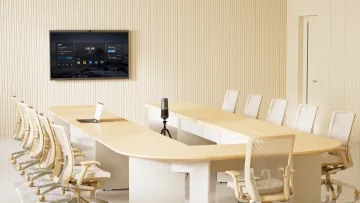
  • Features of NearHub Boards
    • Featuring high-definition touch screens and intuitive user interfaces, NearHub Boards provide visitors with a seamless and intuitive browsing experience.
    • From detailed descriptions and historical backgrounds to multimedia presentations and interactive quizzes, NearHub Boards offer a wealth of information at visitors' fingertips.
  • Accessibility enhancement
    • Furthermore, NearHub Board enhances accessibility for all visitors, including those with visual or auditory impairments, by offering customizable text sizes, audio descriptions, and language translation options.
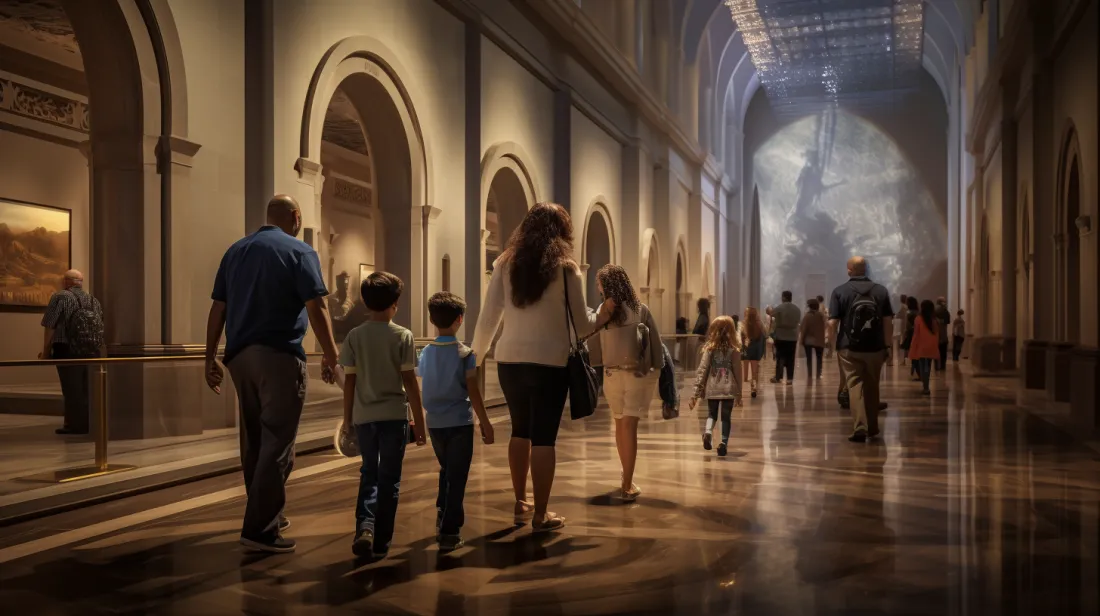
  • Benefits for curators and administrators
    • For museum curators and administrators, NearHub Boards serve as powerful tools for content management and visitor analytics.
    • Curators can easily update exhibit information, add multimedia content, and track visitors.
  • Insights and analytics
    • In addition to enhancing the visitor experience, NearHub Boards offer valuable insights into visitor behavior and preferences.
    • Integrated analytics tools track visitor interactions with the boards, providing museums with data on which exhibits are most popular, how long visitors spend at each display, and which types of content resonate most with audiences.

Conclusion

In conclusion, smart electronic whiteboards have emerged as powerful tools for transforming museum experiences, offering interactive engagement, educational enrichment, and inclusive accessibility. By embracing technological innovation, museums can better fulfill their mission of inspiring curiosity, fostering learning, and preserving cultural heritage for future generations.

NearHub is an all-in-one solution for meeting rooms and classrooms. NearHub possesses an interactive digital Board with cutting-edge smart software. By combining your favorite programs with mess-free writing canvas and video conferencing, you can improve your interaction and productivity in the online classroom. Besides, NearHub also provides MagicPad S13 to improve digital learning and creativity. Click here to view more on NearHub.
Author:By The NearHub Team

Share To:
More interesting articles for you