From Resume to Boardroom: Navigating the New Reality of Hybrid Remote Work
This ultimate guide explores how high-performance hybrid work is defined by intentional connection and professional infrastructure rather than just schedules, focusing on how tools like the NearHub S Max ensure success in the modern workforce.
Hybrid Jobs
Remote Work
Future of Work
Updated: Aug 19, 2026 · 10 minutes read
Global Business, Brought Near.
No Installer, No Hassle, Just Works.
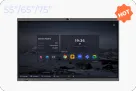
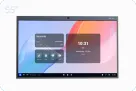
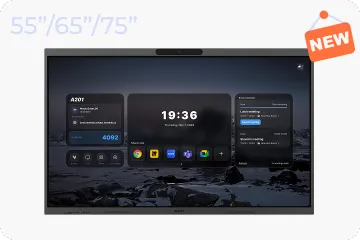
In the professional landscape of 2026, the success of a hybrid organization is no longer defined by simple attendance counts but by "Intentional Presence." This deep-dive pillar page addresses the systemic disconnect between remote flexibility and office execution. By exploring the evolution of the hybrid job definition and identifying critical friction points such as the "Setup Tax" and "Proximity Bias," the guide provides a strategic framework for candidates and leaders navigating the competitive market of indeed hybrid jobs. Central to this transformation is the implementation of advanced collaboration technology, specifically the Windows-powered NearHub S Max Smart Whiteboard. This tool fosters "Presence Equity" through AI-driven features like Speaker Tracking and AI Gallery View, ensuring every team member has an equal visual and vocal voice regardless of their location. The guide concludes with a blueprint for activity-based zoning and maximizing real estate ROI to attract and retain global talent in an era where the office must act as a magnet, not a mandate.
Key Takeaways
Transition from Schedule to Purpose: Success in indeed hybrid jobs depends on "Activity-Based Presence"—reserving the physical hub for high-bandwidth collaboration and the home office for deep, individual execution.
Achieve True Presence Equity: Use AI-powered visibility tools to ensure remote participants have the same visual and interactive influence as those in the office, effectively dissolving the "digital wall."
Eliminate the "Setup Tax": Prioritize native Windows-based hardware and room calendar integration to allow one-touch meeting starts, reclaiming the lost 15 minutes of technical friction per session.
Adopt Collaborative Zoning: Redesign office spaces from desk-centric rows to "Innovation Theaters" and "Social Anchors" that offer a collaborative surplus home offices cannot replicate.
Focus on Outcome-Based Management: Move away from monitoring attendance via badge-swipes and shift to "impact-on-milestones" to build a culture of trust and high performance.
Leverage Native Ecosystems: Use professional-grade tools like the NearHub S Max to bridge the gap between physical stylus work and digital video feeds, ensuring 100% feature parity with desktop apps.
Drive Retention Through Tech: Invest in a high-tech, frictionless office environment to attract top-tier talent who demand flexibility without sacrificing their professional growth or visual presence.
Do you remember the "old days" of 2019? The morning alarm meant a rushed coffee, a soul-crushing commute, and eight hours under fluorescent lights. Then, the world changed overnight. But as the pendulum swings back from fully remote work, many are finding that returning to the office full-time feels like a step backward. This is the modern professional's dilemma: craving the flexibility of home but missing the spark of human connection.
Welcome to this Ultimate Guide on hybrid jobs. In this exhaustive resource, we will explore why this model is the "Goldilocks" of the modern economy and how you can navigate this landscape to build a career that offers both freedom and belonging.
1. What are Hybrid Jobs? Defining the New Reality
Hybrid jobs are often misunderstood as just "working from home a few days a week." However, the true definition goes much deeper. Hybrid work is defined not by a rigid schedule or location, but by the intentional cultivation of human connection and purposeful collaboration across both physical and digital environments.
In a high-functioning hybrid model:
The Office is a tool for social capital, mentorship, and high-energy brainstorming.
The Home is a sanctuary for deep work, administrative tasks, and work-life balance.
Technology acts as the bridge that ensures no one is left out of the loop.
Whether you are looking for hybrid accounting jobs or executive leadership roles, understanding this philosophy is key to succeeding in the current market.
2. The Evolution of the Workplace: Why Hybrid Jobs are the Future
The shift toward hybrid roles wasn't just a reaction to a global health crisis; it was an acceleration of a brewing desire for autonomy. According to research by Gallup, over 50% of the U.S. workforce currently in remote-capable roles prefer a hybrid arrangement.
Why Employers are Switching:
Talent Retention: Top performers now demand flexibility.
Reduced Overhead: Smaller office footprints save millions in real estate.
Global Reach: Companies can hire the best talent regardless of zip code, provided they can occasionally travel.
Comparison of Work Models
Feature
In-Office Work
Fully Remote Work
Hybrid Jobs
Flexibility
Low
High
Medium-High
Social Connection
High
Low
Balanced
Cost to Employee
High (Commute)
Low
Low-Medium
Collaboration
Spontaneous
Scheduled
Intentional
Productivity
Interrupted
High (Deep Work)
Optimized
3. Finding Your Fit: Hybrid Accounting Jobs and Beyond
The financial sector was once considered the most "traditional" of all. Today, hybrid accounting jobs are among the most searched-for roles in the industry. Why? Because accounting requires a mix of solitary, high-focus data entry and high-stakes client strategy meetings.
Highlight your Tech Stack: Proficiency in cloud-based ERPs and digital auditing tools is non-negotiable.
Emphasis on Communication: Since you won't be in the office daily, your ability to explain complex financial data via video is crucial.
Search Locally First: Most hybrid roles still require you to be within a reasonable radius for monthly closing meetings or tax season peaks.
4. Human Resources in the Modern Era: The Rise of Hybrid HR Jobs
Human Resources is perhaps the industry most impacted by the hybrid shift. Hybrid HR jobs and hybrid human resources jobs are now the standard because HR professionals must lead by example. They are the architects of "intentional culture."
Developing equitable "Return to Office" (RTO) policies.
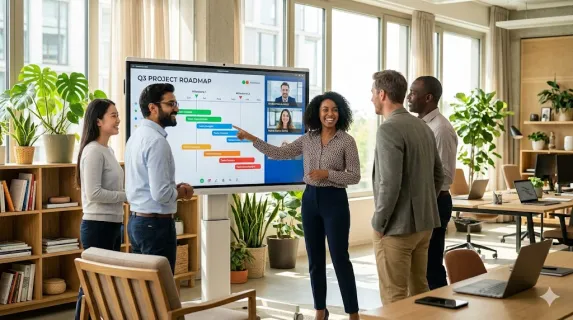
Onboarding new hires using tools like a smart whiteboard to ensure they feel connected from day one.
Ensuring that "proximity bias" doesn't lead to in-office employees getting more promotions than remote counterparts.
5. Essential Tools for Hybrid Success: The NearHub Advantage
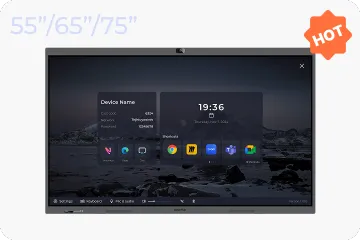
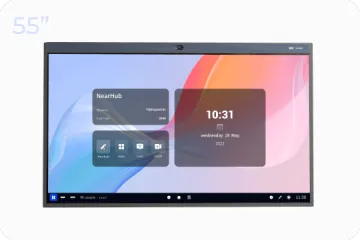
To make the "intentional cultivation of human connection" a reality, you need the right hardware. You cannot build a world-class culture on grainy laptop cameras and lagging audio. This is where NearHub comes into play.
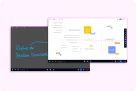
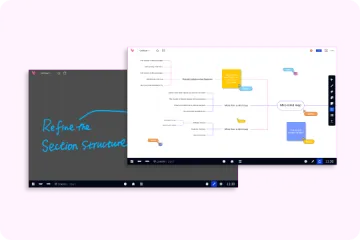
The NearHub Board Max is designed specifically for the hybrid era. It allows team members in the room and those on Zoom to collaborate on the same canvas in real-time.
Why the NearHub Board Max Matters:
Infinite Canvas: Perfect for mapping out complex workflows.
High-Quality Audio/Visual: Ensures the remote team feels like they are "in the room."
Ease of Use: NearHub provides an intuitive interface that requires zero learning curve.
When a team knows how to use a smart board effectively, the geographical distance between members vanishes.
6. The Strategy for Landing Top-Tier Hybrid Jobs
Finding hybrid jobs requires a different strategy than traditional job hunting. You aren't just selling your skills; you are selling your ability to be a "self-managed professional."
Steps to Optimize Your Search:
Keyword Optimization: Ensure your LinkedIn profile includes terms like "distributed team collaboration" and "asynchronous communication."
Filter Properly: Use job boards specifically designed for flexibility, but don't ignore traditional boards—just use the "hybrid" filter.
The Local-Remote Paradox: Many companies hiring for hybrid jobs prioritize candidates in the same state for tax and compliance reasons.
7. Bridging the Gap: Collaboration in a Hybrid World
The "connection" in hybrid work doesn't happen by accident; it must be designed. This is why we focus on purposeful collaboration.
Strategies for Intentional Connection:
The 80/20 Rule: 80% of your in-office time should be spent in meetings or collaborative sessions. Save solo work for your home days.
Digital First Documentation: Even if you brainstorm on a NearHub Board Max in person, results must be digitized and shared immediately.
Social Rituals: Virtual water cooler channels or monthly in-person happy hours help maintain the human element.
8. Overcoming Challenges: Proximity Bias and Burnout
While hybrid roles offer the best of both worlds, they are not without risks.
Proximity Bias: This is the tendency for managers to favor employees they see physically every day. To fight this, leaders in hybrid HR jobs must implement objective, data-driven performance reviews.
The Always-On Trap: When your home is your office, it is hard to clock out. Set firm boundaries and use "Do Not Disturb" modes.
FAQ: Everything You Need to Know About Hybrid Jobs
Q: Are hybrid jobs better than fully remote jobs?
A: It depends on your personality. Hybrid jobs are generally better for those who value social interaction and mentorship, while fully remote is better for those who thrive in solitude.
Q: How many days a week do I have to go in for hybrid accounting jobs?
A: Most follow a 3:2 or 2:3 model. Usually, the "in-office" days are Tuesday through Thursday, which are the most collaborative days.
Q: What equipment do I need for a successful hybrid setup?
A: At home, you need a dedicated desk and high-speed internet. For the office, companies should invest in collaborative technology like the NearHub Board Max to bridge the gap.
Q: Is Hybrid just a way for bosses to keep an eye on us?
A: The most successful hybrid jobs are built on trust. It is about being where you are most productive for the task at hand, not about surveillance.
Conclusion: Embracing the New Reality
We have moved past the era where work was a place you go. Today, work is a thing you do, and hybrid jobs provide the most sustainable framework for doing it well. By focusing on intentional connection, both employees and employers can thrive.
Whether you are pursuing hybrid human resources jobs or leading a distributed team, the key is to stay adaptable. Invest in the right tools, like NearHub solutions, and prioritize the human element of your career.