Meeting Fatigue Is Real: How Better Audio Reduces Workplace Stress (2026)
Meeting fatigue is a real workplace problem.
Meeting Fatigue
Workplace Stress
Noise Cancelling
Updated: Aug 20, 2026 · 8 minutes read
Global Business, Brought Near.
No Installer, No Hassle, Just Works.
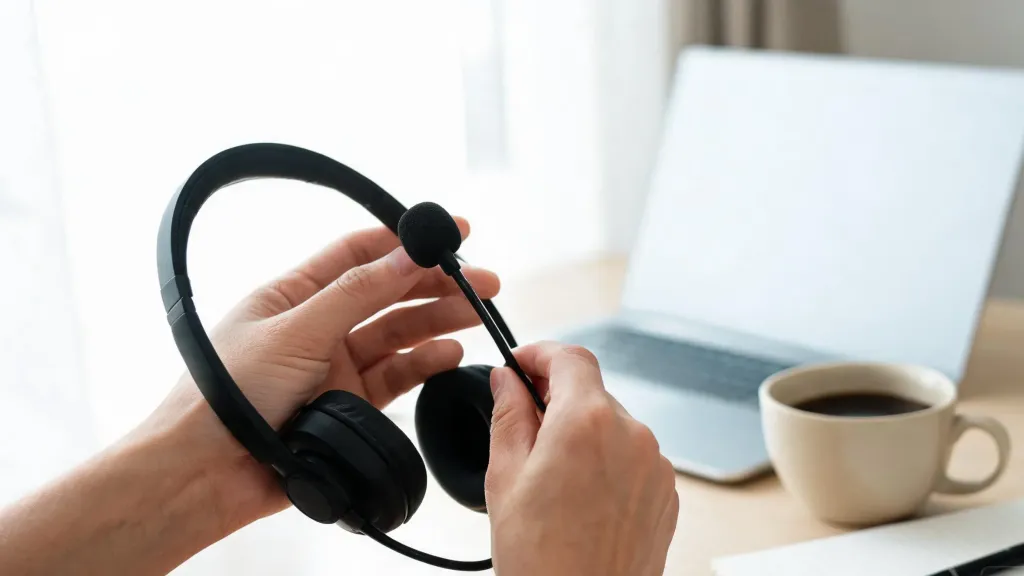
Feeling drained after a day of back-to-back meetings? Your headset may be part of the problem. Constant screen attention, background noise, unclear voices, and uncomfortable headsets can quietly increase the mental and physical strain of virtual meetings. This guide explores what causes meeting fatigue, how better audio can reduce listening effort, and practical ways to make Zoom-heavy workdays less exhausting. We also look at how the Nearity EP320 combines noise cancellation, ergonomic comfort, and wireless connectivity for more comfortable all-day meetings.
Key Takeaways
Meeting fatigue is real, and back-to-back virtual meetings can increase mental strain and listening effort.
Poor audio, background noise, and unclear microphones force your brain to work harder to follow conversations.
An ergonomic, comfortable headset can reduce physical discomfort that adds to workplace stress.
Shorter meetings, breaks between calls, cleaner audio, and reduced background noise can help manage Zoom fatigue.
The Nearity EP320 combines AI-powered ENC, a four-microphone array, all-day comfort, 35-hour talk time, and multi-device connectivity for demanding workdays.
Meeting Fatigue Is Real: How Better Audio Can Reduce Workplace Stress
Meeting fatigue is a real, measurable part of the modern remote workday. It is the drained, foggy feeling that settles in after a string of virtual calls, and for many professionals it no longer goes away at the end of the week. Surveys and worker reports point to the same culprits: unrelenting screen attention, fragmented conversations, and sound that is harder to follow than it should be. Of these, audio is the one you can fix today. This guide explains what causes meeting fatigue, how poor sound and uncomfortable headsets quietly add to workplace stress, and gives you practical ways to manage Zoom fatigue before ending with a product worth considering: the ergonomic, lightweight Nearity EP320 wireless headset.
What Is Meeting Fatigue and Why Does It Happen?
Meeting fatigue is the physical and mental exhaustion that builds up when your day is stacked with video calls. Unlike a face-to-face conversation, a virtual meeting makes your brain work on several fronts at once. You read facial expressions through a compressed feed, suppress the urge to talk over lag, and constantly adjust to whoever is speaking. When the audio is weak, that burden grows: your ears strain, your attention narrows, and the smallest distraction pulls you out of the conversation.
Several factors compound the problem. Back-to-back meetings leave no recovery time, so fatigue carries over from one call to the next. The "always on" posture of video calls removes the natural micro-breaks of an office, where you might glance away, stretch, or walk to a printer. And background noise at home forces you to concentrate harder just to hold your place in the discussion. Over a week, this constant effort shows up as irritability, headaches, and a creeping dread of the next calendar invite.
The important thing to know is that meeting fatigue is not a sign of weakness or poor discipline. It is a response to an environment that demands more sustained attention than most workplaces provide. Recognizing that makes it easier to change the conditions instead of blaming yourself, and one of the most effective conditions to change is how you hear and are heard.
How Poor Audio Quietly Adds to Your Stress
Audio quality is the most underrated driver of meeting fatigue. When a colleague speaks through a tinny laptop speaker or a muffled mic, your brain has to reconstruct missing words from context. Researchers who study "listening effort" describe this as a hidden tax on cognition: you may follow the conversation, but you are spending energy that would otherwise go toward actually thinking and contributing.
Poor audio cuts both ways. On the receiving side, an echo or a hollow voice makes you strain to understand, and you ask people to repeat themselves, which slows the meeting down and raises tension. On the sending side, a headset that picks up your keyboard, your fan, or background chatter makes others struggle to hear you, and you end up apologizing for the noise on your end. Both loops are exhausting, and both are common complaints in remote teams.
Noise is the sharpest version of this problem. A single source of background sound, like a dishwasher or street traffic, may be barely noticeable to you but loud enough to bury someone's voice on the other end. This is why reliable noise cancellation matters so much for professional work. A quality noise cancelling headphone for work does not just make your own calls clearer; it reduces the mental friction that builds up across dozens of meetings every week.
The Hidden Cost of an Uncomfortable Headset
Audio is only half the equation. If the headset pressing against your ears is heavy, hot, or pinching, it becomes its own source of stress. Many office headsets are built for occasional calls, not for the eight-hour days that remote workers and call center staff actually live. Hard foam, a rigid headband, or a mic boom that will not stay in place all create low-level discomfort that your brain slowly learns to ignore, until you end the day with a tension headache you cannot quite explain.
This is where the ergonomic headset category earns its name. A well-designed model uses soft, ventilated ear cushions, a headband that distributes weight evenly, and a boom mic that swivels to wherever you need it. When the hardware stops demanding your attention, you can redirect that attention to the conversation, which is exactly what a productive meeting requires.
Practical Ways to Reduce Zoom Fatigue
You do not need to overhaul your entire schedule to feel better. Small, consistent changes to how you run and attend meetings make a measurable difference. Here are the strategies that work best.
Protect the gaps between meetings. The biggest predictor of meeting fatigue is running from one call straight into the next. Block two minutes between appointments, stand up, look at something across the room, and let your ears rest.
Make meetings shorter and structured. Long, agenda-less meetings compound fatigue for everyone. Cut standard 60-minute calls to 45, put the decision you need at the top of the agenda, and let people leave when their part is done.
Keep your own audio clean. Before you join, mute anything that makes noise, from notifications to nearby appliances. If your workspace is noisy, choose a headset with a strong noise cancelling mic so your voice arrives clear and you are not apologizing for background sound.
Use your camera, but not constantly. Being on camera is part of what makes meetings tiring. It is fine to turn your video off for stretches, especially on long calls, and to look away from the screen when you are listening.
Tune out with better sound. When you are listening, a headset with noise cancelling mic keeps distractions away so you can focus on the speaker instead of the dog barking next door. The less background noise your ears have to filter, the less listening effort the meeting demands, and the less drained you feel at the end.
How Better Audio Changes the Meeting Experience
Improving your audio is not a cosmetic upgrade; it changes how a meeting feels. When voices arrive loud, clear, and free of echo, your brain stops working to decode them and starts working to contribute. You hear nuance, you catch the tone behind a comment, and you answer naturally instead of guessing. That ease compounds across the day.
The same logic applies to how you transmit your own voice. When you are confident the other side can hear you clearly, you speak more freely and stop re-reading your own sentences. A good headset quietly removes the self-doubt that makes remote workers feel slightly out of sync with their teams.
There is also a measurable concentration benefit. Ambient noise is a proven distraction: it fragments attention and forces the brain to filter irrelevant sound before it can process the relevant signal. A headset that cancels that noise keeps your attention on the speaker, which means you retain more from each call and feel less mentally porous by the end of the day. For anyone who spends long hours in virtual meetings, this single change often produces the most noticeable reduction in workplace stress.
Introducing the Nearity EP320 Ergonomic Wireless Headset
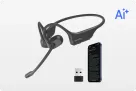
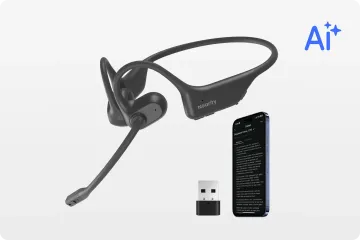
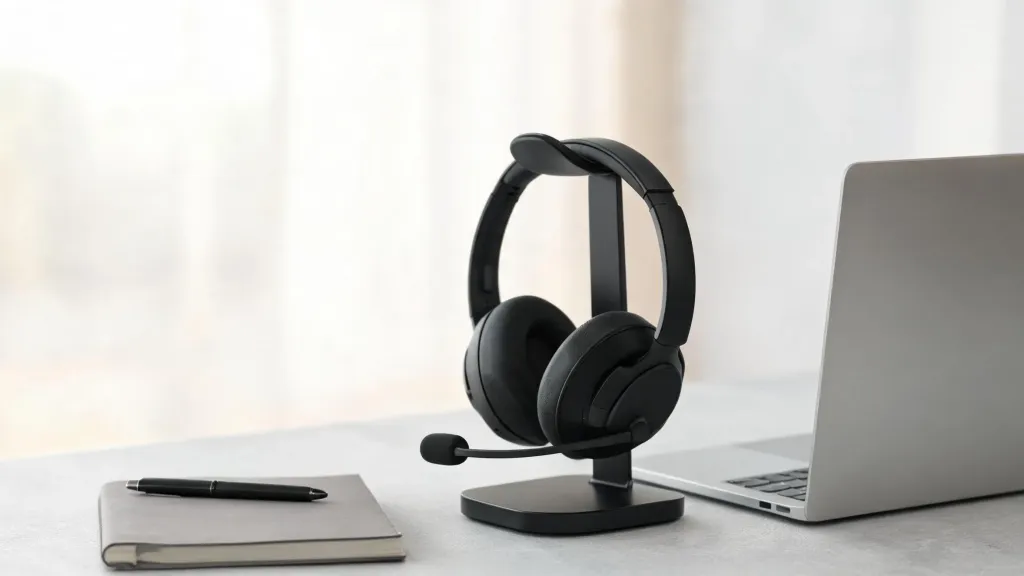
When comfort and clear audio are the goal, the Nearity EP320 is built precisely for the long virtual meeting day. It is a bluetooth noise cancelling headset with mic designed around the pain points that cause meeting fatigue, from background noise to the discomfort of wearing a headset for hours.
The EP320's defining feature is its four-microphone array paired with AI-powered environmental noise cancellation. Driven by a HiFi5 DSP processor and a neural network trained on extensive noise data, it suppresses up to 99.9% of background sound so your voice arrives clean even in a busy home or office. That directly addresses the sending-side fatigue described earlier: you stop repeating yourself, and your colleagues stop straining to hear you.
Comfort is treated as a first-class feature rather than an afterthought. The EP320 uses pillow-soft ear cushions and a stretchable headband with a padded leather sling that distributes weight evenly across the top of your head. The ear muffs rotate 180 degrees to fit different head shapes, and the boom mic rotates 250 degrees so you can wear the headset on either side. Designed for all-day wear, it is the kind of ergonomic headset you can forget is on your head, which is exactly what fatigue reduction requires.
Battery life removes one more source of daily stress. The EP320 delivers up to 35 hours of continuous calls and 45 hours of music playback on a single charge, and it comes with a charging stand so the headset rests and tops up between meetings. You are not hunting for a cable at 3 p.m. or rationing battery through the afternoon.
Connectivity is built for the way people actually work. With Bluetooth 5.4 and multi-point support, the EP320 pairs with two devices at once, so you can switch from a computer meeting to a phone call without touching a setting. It connects over a wireless USB dongle, Bluetooth, or a USB-A/USB-C cable, and it works out of the box with Teams, Zoom, and Webex across Windows, Mac, Linux, Android, and iOS. A dedicated mute button and a multi-function button let you manage calls hands-free, removing another small bit of friction from a long series of meetings.
For remote workers and call center staff, the EP320 turns daily strain into a comfortable part of the workflow. It is priced at $127.50 (down from $149.99), carries a 4.8-star rating across 205 reviews, and the box includes spare ear cushions, a charging stand, a USB dongle, and a USB cable.
What to Consider Before You Choose a Headset
Compare the EP320 against two common alternatives.
Feature
Nearity EP320
Basic office headset
Standard consumer earbuds
Noise-cancelling mics
4-mic AI-powered ENC
Usually 1 mic, weak
1-2 mics, variable
Battery life
35h calls / 45h music
Varies, often short
5-8h, needs case
Comfort for all-day wear
Pillow cushions, padded band
Tight, hard foam
In-ear, can irritate
Multi-device connectivity
Bluetooth 5.4 multi-point, dongle
Wired or single BT
Single device
Best for
Back-to-back professional meetings
Occasional calls
Listening on the go
A good rule of thumb is to match the headset to the meeting load. A few short calls a week may not need more than a basic model. If you live in back-to-back meetings, work in a noisy space, or sit on camera for hours, the ergonomics and noise cancellation of a dedicated wireless headphone with noise cancelling mic are worth the investment. Two factors matter most: how long you can wear it without discomfort, and whether your voice stays clear when your environment is noisy. The EP320 addresses both.
Whichever you choose, the principle is the same: reduce the friction your brain has to process, and you reduce the fatigue your meetings produce.
FAQs
What is meeting fatigue and why does it happen?
Meeting fatigue is the mental and physical exhaustion that builds after long stretches of virtual meetings. It happens because video calls demand constant visual attention, require more effort to hear clearly, and remove the casual breaks that make in-person conversation feel lighter.
Can poor audio really cause meeting fatigue?
Yes. When a caller is muffled, echoing, or buried under background noise, your brain works harder to fill in missing words. This sustained listening effort is draining and is one of the most common, fixable drivers of Zoom fatigue.
How do I reduce meeting fatigue every day?
Schedule shorter meetings with clear agendas, take a two-minute break between calls, keep your own audio clean, and use an ergonomic headset with reliable noise cancellation so you are not fighting background noise to focus.
What should I look for in a headset to avoid meeting fatigue?
Choose a lightweight wireless headset with effective noise cancelling mics, comfortable ear cushions, and enough battery life to last a full day. A dedicated mute button and multi-device connectivity also help.