The Great Return: 7 Essential Tools to Maximize Office Productivity This Year
This blog post explores seven essential tools and strategies to optimize office productivity and rebuild a thriving professional community during The Great Return.
office productivity
The great return
conference camera
Updated: Aug 19, 2026 · 12 minutes read
Global Business, Brought Near.
No Installer, No Hassle, Just Works.
As organizations navigate "The Great Return," maintaining high levels of office productivity requires more than just physical presence; it demands a hybrid-first infrastructure. This comprehensive guide details seven essential tools—ranging from AI-driven conference room systems by NearHub to ergonomic furniture—that empower your professional community. Learn how to bridge the hybrid gap, eliminate friction, and foster a collaborative culture designed for the modern 2026 workspace.
Key Takeaways
Achieve Meeting Equity: Use AI-driven 4K visual solutions like the Nearity 360 Alien to ensure remote and in-office team members have an equal presence.
Eliminate Workplace Friction: Implement smart space management and desk-booking software to reduce logistical anxiety and save time.
Prioritize Physical Wellbeing: Invest in ergonomics and high-fidelity audio to reduce cognitive load and physical fatigue in open-plan offices.
Foster Social Connections: Utilize social tech and recognition platforms to bridge the hybrid gap and strengthen your professional community.
The commute is back. The coffee machine hum is back. But is the output back?
For many American professionals, "The Great Return" has felt less like a triumphant homecoming and more like a logistical puzzle. After years of mastering the art of remote work, walking back into a physical cubicle can feel jarring. However, the goal of returning to the office isn't just to fill seats—it is to reclaim office productivity in a way that remote work simply cannot replicate.
The challenge is that the office we left in 2020 no longer exists. Today’s workspace must be a hybrid-first environment that caters to a diverse professional community. If your team is struggling to find their rhythm, it’s likely not a lack of will—it’s a lack of tools.
In this comprehensive Listicle (Top 7 Office Productivity Tools for 2026), we will dive deep into the essential infrastructure required to make RTO (Return to Office) actually work. We’ll explore how brands like NearHub are leading the charge in creating seamless, frictionless workspaces.
Why Office Productivity is the Heart of "The Great Return"
The data is clear: the physical office is the premier site for innovation, but only if it’s optimized. According to research from Stanford's Institute for Economic Policy Research, while individual tasks can be done at home, "explosive creativity" happens when people occupy the same physical space.
The RTO Friction Point
The "Great Return" has highlighted a significant gap: the disparity between home tech and office tech. Many employees found that their home setups were actually more advanced than their legacy office conference rooms. To maintain office productivity, companies must upgrade their environments to exceed the "home standard."
The Benefits of a High-Productivity Office:
Spontaneous Collaboration: The "watercooler effect" is real and drives faster problem-solving.
Mentorship Pipelines: Younger employees in your professional community learn 2.5x faster when sitting near senior leaders.
Social Capital: In-person interactions build the trust necessary for high-stakes decision-making.
Rebuilding the Professional Community: The Social Component
Productivity is often measured in spreadsheets, but its foundation is built on relationships. "The Great Return" is, at its core, an exercise in rebuilding a fragmented professional community.
When employees feel disconnected from their peers, their motivation plummets. Therefore, any tool you implement must serve the dual purpose of increasing output and strengthening social bonds. We aren't just returning to work; we are returning to each other.
Fostering Inclusion: Ensuring that remote participants feel just as "present" as those in the room.
Creating Shared Experiences: Using tech to facilitate brainstorming sessions that feel energetic rather than draining.
Breaking Silos: Encouraging cross-departmental interactions through smart office design.
Tool 1: AI-Driven Visual Solutions for Maximum Office Productivity
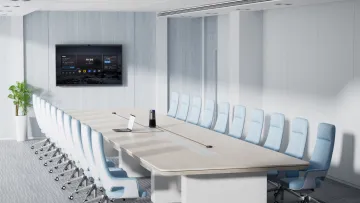
In a hybrid world, the eyes are the gateway to engagement. If your hybrid meetings feature a "bowling alley" view—where in-office participants appear like tiny ants at the end of a long table—your office productivity will suffer.
Solving the "Presence Gap"
To truly make RTO work, you need conference room systems that offer "Meeting Equity." This means every person, whether in the room or on the screen, has an equal presence.
4K Clarity: Low-resolution video causes "Zoom fatigue" because the brain has to work harder to decode facial expressions.
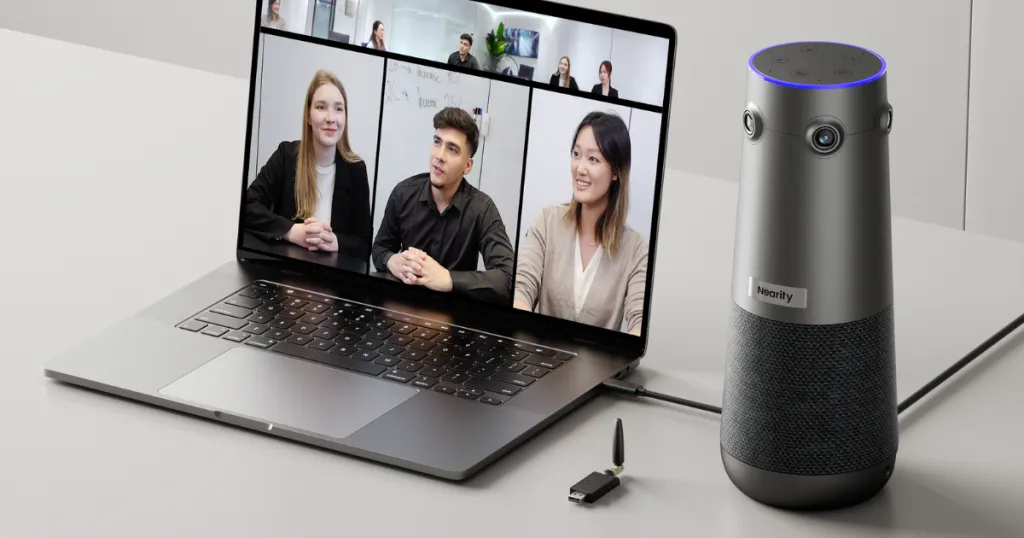
AI Speaker Tracking: Intelligent cameras that zoom in on the person talking keep the remote audience engaged.
360-Degree Perspectives: A center-of-table camera ensures that no one is hiding in the corners of the room.
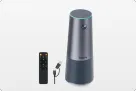
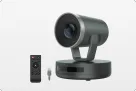
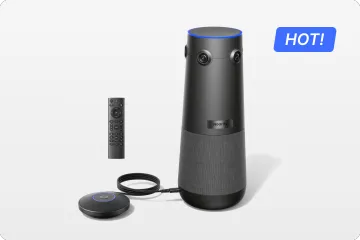
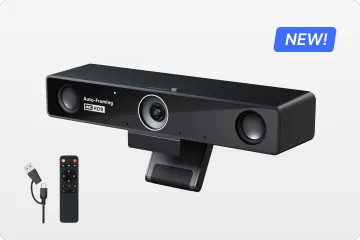
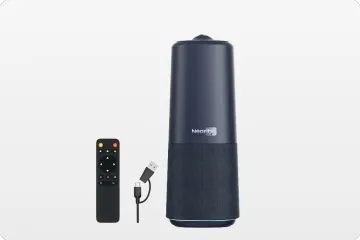
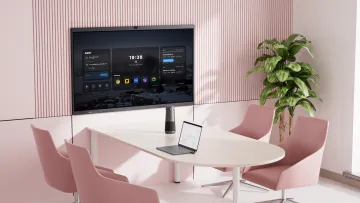
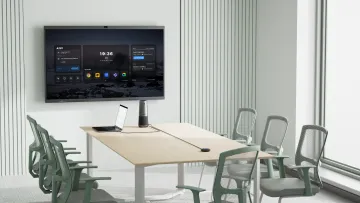
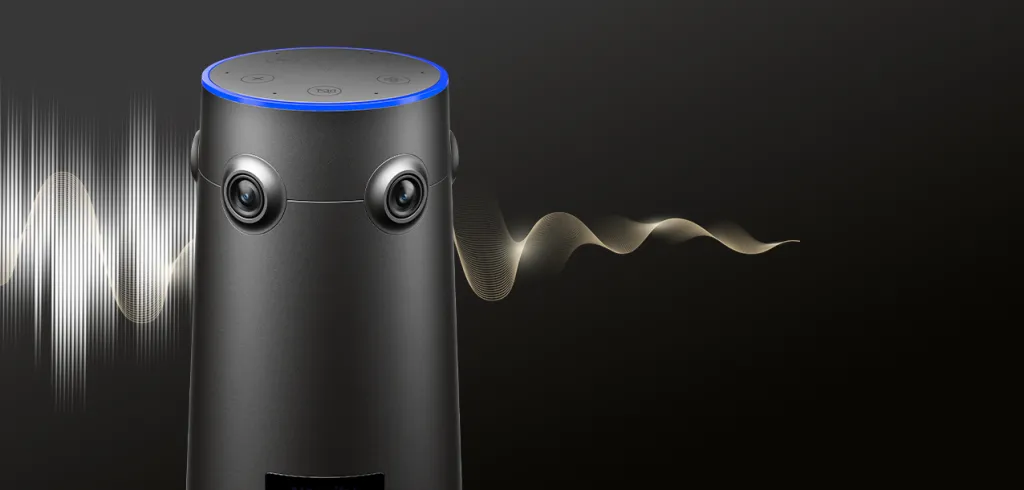
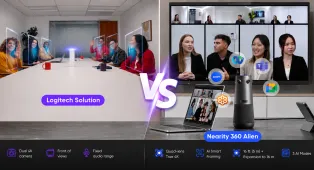
For teams looking for the absolute best video conference camera, the Nearity 360 Alien stands out. It doesn't just record a room; it intelligently navigates the conversation, making the professional community feel united regardless of the miles between them.
Tool 2: Interactive Collaboration Surfaces (The Digital Sandbox)
"The Great Return" should mark the end of passive meetings. If people are coming into the office just to sit on a laptop, they might as well stay home. The office must be a place of action.
From Static to Dynamic
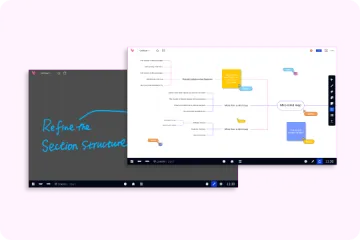
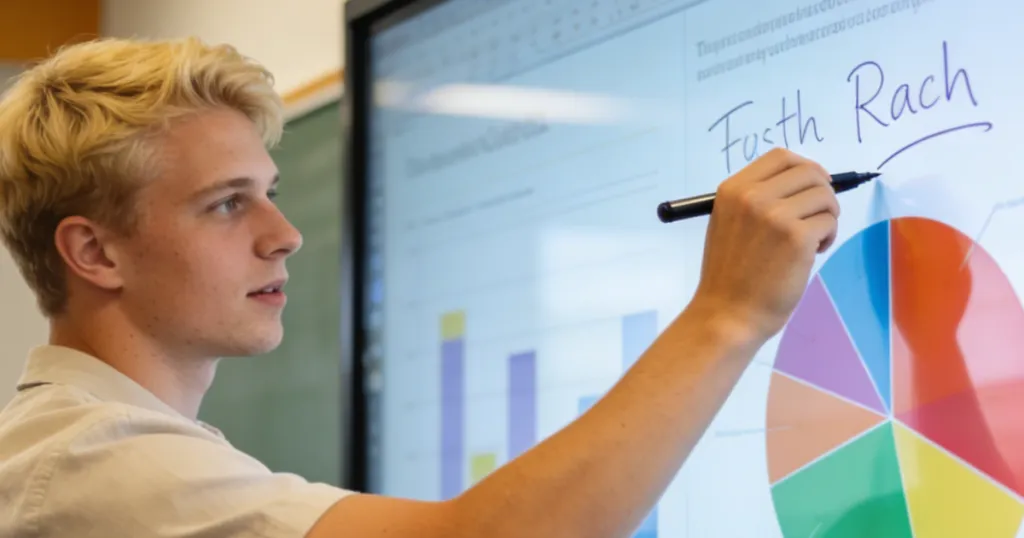
Interactive whiteboards and digital canvases turn a boring update meeting into a high-octane brainstorming session. This is where office productivity truly peaks.
Why Digital Surfaces Win:
Real-Time Sync: Whatever you draw in the office is instantly visible to remote collaborators.
Infinite Canvas: You never run out of space for big ideas.
Instant Documentation: No more "taking a photo of the whiteboard." With one click, the entire session is sent to the team’s project management tool.
Tool 3: Ergonomics as a Service (EaaS)
You cannot sustain high office productivity if your workforce is suffering from back pain and eye strain. As we navigate "The Great Return," the physical health of the professional community must be a priority.
The ROI of Comfort
A study by the World Health Organization suggests that for every $1 invested in employee wellness (including ergonomic setups), there is a return of $4 in improved productivity and health.
Feature
Legacy Office Setup
Modern "Great Return" Standard
Impact on Focus
Seating
Basic Swivel Chair
High-Performance Ergonomic Task Chair
Reduces physical fatigue by 40%
Desk
Static Cubicle
Height-Adjustable Standing Desk
Prevents metabolic slumps; keeps energy high
Lighting
Fluorescent Overhead
Circadian-Adjustable LED Lighting
Reduces headaches and improves sleep cycles
Monitors
Single 21" Screen
Ultra-Wide or Dual 4K Displays
Increases multitasking speed by 35%
Tool 4: Audio Excellence: The Sound of Office Productivity
We’ve all been there: a meeting where the first 10 minutes are spent saying, "Can you hear me now?" This is a massive drain on office productivity. During "The Great Return," your office acoustics must be flawless to accommodate the constant flow of hybrid calls.
Eliminating the "Noise Floor"
In an open-plan office, noise is the enemy. To protect your professional community from distractions, you need advanced audio meeting room solutions.
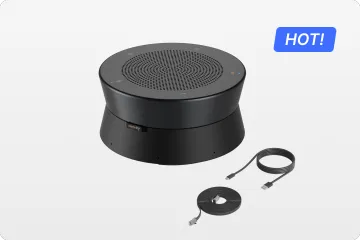
Beamforming Mic Arrays: These mics "listen" only to the person speaking, ignoring the loud talker in the next room.
Full-Duplex Audio: This allows for natural, back-and-forth interruptions without audio cutting out.
Acoustic Fencing: Creating a digital "wall" around the meeting table where only sounds inside the fence are transmitted.
NearHub integrates these features into their hardware, ensuring that the sound of your office is the sound of progress, not chaos.
Tool 5: Smart Space Management & The Frictionless Office
The "Great Return" has introduced a new type of anxiety: "Where will I sit?" If an employee spends 20 minutes looking for a desk or a quiet room, you have already lost a chunk of office productivity for the day.
The Power of Predictability
Smart scheduling and desk-booking software allow your professional community to plan their office days with precision.
Key Benefits of Space Management:
Hot-Desking without the Stress: Employees can book their favorite spot next to their project partners.
Meeting Room Analytics: Understand which rooms are always booked and which are never used.
HVAC Integration: Automatically adjust the temperature and lighting of a room only when it is booked, saving energy while boosting comfort.
By removing the "friction" of the physical space, you allow your team to focus entirely on their work.
Tool 6: The Modern Project Management Stack
To maintain office productivity in a hybrid world, your "digital office" must be just as organized as your physical one. As your professional community shifts between RTO days and WFH days, they need a "Single Source of Truth."
Top Platforms for 2026:
Asana / Monday.com: Essential for tracking complex, multi-layered projects.
Notion: The go-to for internal documentation and knowledge sharing.
Slack / Microsoft Teams: But with strict "Focus Mode" protocols to prevent notification overload.
Expert Tip: Use these tools to create "Async-First" workflows. This means the office time is reserved for high-level strategy, while the software handles the routine updates.
Tool 7: Social Glue & Recognition Platforms
The "Great Return" will fail if it feels like a chore. To keep your professional community engaged, you must use tools that celebrate the human side of work. Productivity is fueled by morale.
Cultivating a Culture of Gratitude
Recognition tools like Bonusly or Lattice allow peers to give "shout-outs" to one another. When someone sees their hard work recognized by the whole office, their office productivity naturally increases in the following weeks.
Donut (Slack Integration): Automatically pairs people for "blind" coffee dates in the office.
Internal Wikis: Celebrating "Employee of the Month" with deep-dive stories about their impact.
Wellness Apps: Encouraging the team to take walking meetings or meditation breaks together.
A Step-by-Step Roadmap to Make RTO Work
Implementing these tools is a journey. To maximize office productivity, follow this three-phase approach during "The Great Return."
Phase 1: The Infrastructure Audit
Start by testing your current conference room systems. Is the Wi-Fi strong in every corner? Does the camera show everyone at the table? If not, this is your first priority.
Phase 2: Cultural Alignment
Meet with your professional community to set "Office Norms." For example, "No Meetings on Tuesdays" to allow for deep work, or "Always Video-On for Hybrid Calls" to ensure engagement.
Phase 3: Iterative Feedback
The needs of your office will change. Use surveys to ask your team which meeting room solutions are actually making their lives easier and which are just getting in the way.
Q1: How do we encourage employees to return without making it mandatory?
A: Focus on "The Pull, Not the Push." By creating a superior environment with the best video conference camera and ergonomic comforts, employees will want to come in for the better experience.
Q2: What is the biggest distraction to office productivity in 2026?
A: Poor hybrid meeting quality. When the technology fails, it breaks the flow of the entire professional community.
Q3: Can small businesses afford high-end meeting room solutions?
A: Absolutely. Brands like NearHub offer scalable solutions that provide enterprise-level quality at a price point accessible to startups and SMEs.
Q4: How does "The Great Return" affect company culture?
A: It's an opportunity to reset. Use this time to redefine your values and use social tech to reinforce a sense of belonging.
Q5: Is 4K really necessary for video conferencing?
A: Yes. 4K reduces "cognitive load," meaning your brain doesn't have to work as hard to interpret low-quality images, directly increasing office productivity.
Conclusion: Embracing the Future of the Professional Community
"The Great Return" is more than a change in location—it is a change in mindset. By viewing office productivity through the lens of both high-tech hardware and human-centric software, you can create a workspace that doesn't just function but flourishes.
The companies that win in 2026 will be those that treat their office as a product—constantly iterating, upgrading, and listening to the needs of their professional community. Whether it’s through upgrading your meeting room solutions or fostering a culture of recognition, every small change contributes to a more productive, engaged workforce.
Don't let your RTO strategy be an afterthought. Invest in the tools that bridge the gap between "working" and "winning."