Decoding "How Do Hybrids Work": Transforming Your Office from a Physical Space to a Collaborative Hub
This ultimate guide explores how organizations can transform their physical offices into high-performance collaborative hubs by leveraging activity-based strategies and interactive hardware like the NearHub S Max.
hybrid work solutions
smart whiteboard
presence equity
Updated: Aug 19, 2026 · 10 minutes read
Global Business, Brought Near.
No Installer, No Hassle, Just Works.
In the professional landscape of 2026, the success of a hybrid organization is no longer measured by simple attendance counts but by "Intentional Presence." This deep-dive pillar page addresses the systemic disconnect between remote flexibility and office execution—the "Missing Link." By exploring the evolution of modern hybrid definitions and identifying five critical friction points (such as the "Setup Tax" and documentation black holes), the guide provides a strategic framework for building resilient hybrid work policies. Central to this transformation is the implementation of advanced hybrid work solutions, specifically the Windows-powered NearHub S Max Smart Whiteboard. This tool fosters "Presence Equity" through AI-driven features like Speaker Tracking and AI Gallery View, ensuring every team member has an equal visual and vocal voice. The guide concludes with a blueprint for cognitive zoning and rightsizing real estate to maximize innovation velocity and long-term talent retention.
Key Takeaways
Transition to Activity-Based Presence: Shift management focus from rigid "3-2" day counts to the nature of the task—prioritize deep focus work at home and reserve the office for high-bandwidth collaborative sprints.
Achieve True Presence Equity: Utilize AI-driven visibility tools such as Speaker Tracking and AI Gallery View to dissolve the "digital wall," ensuring remote workers have the same visual weight as those in the room.
Eliminate the "Setup Tax": Implement one-touch meeting entry and native Windows 11 Pro hardware to launch collaborative sessions in under 60 seconds, removing the technical friction that leads to "commute regret."
Adopt Digital-First Documentation: Replace analog surfaces with 4K digital canvases that sync instantly to the cloud, preventing information loss and ensuring a "single source of truth" for distributed teams.
Optimize ROI Through Strategic Zoning: Redesign physical offices into specialized "Focus Zones" and "Innovation Theaters" that offer a collaborative surplus home setups cannot replicate.
Leverage Native Ecosystems: Prioritize platform-agnostic hardware that integrates seamlessly with Microsoft 365 and Google Workspace to maintain enterprise-grade security and workflow persistence.
Drive Innovation Velocity: Measure organizational success through the speed of problem-solving and impact-on-milestones rather than traditional "eyes-on-screens" attendance metrics.
We have all experienced that specific Sunday night anxiety—the realization that Monday morning involves a forty-five-minute battle through traffic, a frantic search for a parking spot, and a lukewarm cup of office coffee, only to arrive at a desk and spend eight hours on the exact same video calls you could have taken from your living room. It feels inefficient, outdated, and frankly, like a massive waste of human potential. This "Ghost Town Office" phenomenon is the primary reason why morale is plummeting in 2026. When the physical workspace feels like a hurdle rather than a tool for progress, your approach to hybrid work solutions has reached its breaking point.
Welcome to this comprehensive Ultimate Guide for modern workforce management. This isn't just a collection of trends; it is a deep-dive pillar page into the "Missing Link" between remote freedom and office execution. In this guide, we will explore why a successful organizational strategy requires an environment that treats the office as a high-performance laboratory rather than a warehouse for people. We will examine the shift from mandatory attendance to "Intentional Presence" and reveal how the right technology becomes the connective tissue of your organizational culture. Whether you are navigating the complexities of a global enterprise or scaling a high-growth startup, this roadmap provides the strategic framework you need to win in the era of flexible work.
Understanding the 2026 Landscape: How Do Hybrids Work in Practice?
Before we can discuss architectural shifts or technical debt, we must establish a clear answer to the question: how do hybrids work in the current market? In the early 2020s, "hybrid" was often a chaotic compromise born of necessity. Today, it has evolved into a result-oriented model where the location of work is dictated by the nature of the task, not a rigid calendar mandate.
The Evolution of the Modern Definition
Success in 2026 is no longer about a simple "3-2" day count. Instead, it is defined by three central dimensions that dictate how teams interact across distances:
Activity-Based Presence: Choosing the work location based on the cognitive load of a task (e.g., deep focus at home, high-velocity brainstorming in the office).
Presence Equity: Ensuring that every member of the team, regardless of their physical location, has an equal "visual and vocal voice" during meetings.
Technological Symmetry: Providing tools in the office—like a smart white board—that are significantly superior to an employee’s home setup.
According to a 2026 report by Gartner, organizations that successfully transition to an "Activity-Based Presence" model see a 25% increase in innovation velocity and a 15% reduction in talent turnover. This proves that success depends on the quality of the interaction, not the location of the laptop.
The Foundation: Building a High-Performance Hybrid Work Policy
A successful ecosystem starts with a robust hybrid work policy. Without a clear set of guidelines that align with your culture, even the best hybrid work solutions will fail to deliver ROI. A policy is more than a set of rules; it is a communication of trust.
The Core Pillars of a Resilient Policy
To move beyond a stagnant culture of monitoring, a high-functioning policy must address four specific pillars:
The "Why" Behind the Commute: Clearly define which activities (e.g., strategy sprints, mentorship, social bonding) require physical presence.
Standardized Toolsets: Mandate a "Remote-First" communication standard so that information is never siloed in the office hallways.
Core Collaboration Hours: Establish windows of time where everyone is available for synchronous interaction, regardless of their time zone.
Outcome-Based Accountability: Shift management focus from "eyes-on-screens" to "impact-on-milestones."
Eliminating "Commute Regret"
Commute regret happens when an employee travels to the office only to realize their day could have been more productive at home. To prevent this, your hybrid work policy should encourage teams to set their own "Collaboration Tempos." This autonomy allows for deep-focus buffers and high-intensity office sessions, ensuring that the office remains a destination of choice.
Solving the 5 Biggest Friction Points with Hybrid Work Solutions
Building a resilient strategy requires an audit of the friction points that prevent a team from reaching peak performance. Here is how advanced hybrid work solutions solve the most common challenges in the post-AI workplace.
1. Presence Disparity and the "Digital Wall"
Remote workers often feel like spectators rather than participants when they join an office-centric meeting. They cannot see the nuances of a sketch or hear the quiet "side-talk" that often contains critical project context.
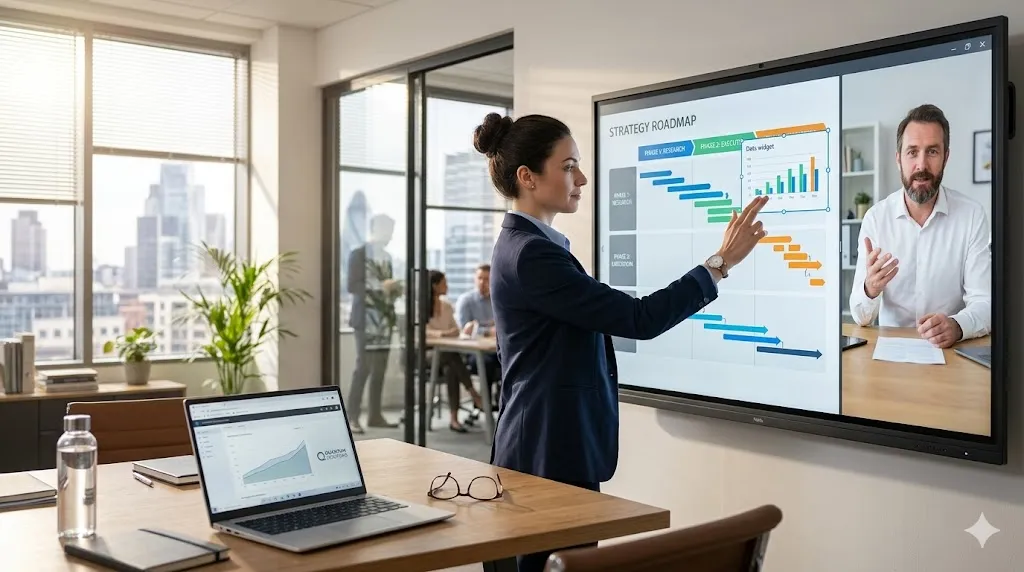
The Solution: Use a nearhub interactive ecosystem to dissolve the digital wall. By making the digital canvas the center of the meeting, remote and local participants can contribute with equal weight.
2. The Documentation "Black Hole"
Brainstorms on physical whiteboards often end with someone taking a blurry photo that gets lost in a chat thread. This creates a disconnect where remote staff lack a single source of truth.
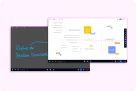
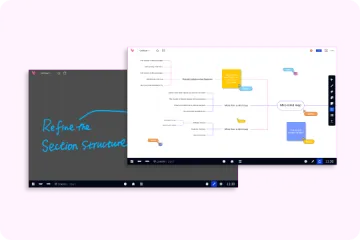
The Solution: Digital-first documentation. When you learn how to use a smart board, every stroke is captured in 4K and synced to the cloud instantly.
3. The "Setup Tax"
Spending 15 minutes fumbling with cables at the start of every meeting is a massive productivity killer. This technical friction makes employees resent the physical office.
The Solution: One-touch meeting entry. Hardware that integrates natively with room calendars allows teams to walk into a room and launch a session in under 60 seconds.
4. Proximity Bias
Managers inadvertently favor the employees they see physically in the room, leading to "Hidden Distance" and unequal career advancement.
The Solution: Outcome-based metrics. Measure the team by deliverables and impact rather than badge swipes or attendance counts.
5. Acoustic and Visual Isolation
Remote participants often miss out on non-verbal cues. This lack of visual detail leads to fatigue and disengagement.
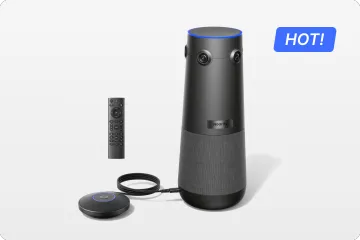
The Solution: AI-driven visibility. Utilize cameras with Speaker Tracking and AI Gallery View to ensure remote members never miss a facial expression or a subtle gesture.
The Hardware Bridge: Why Your Office Needs Advanced Hybrid Work Solutions
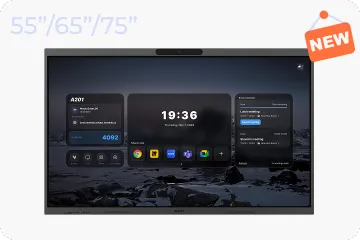
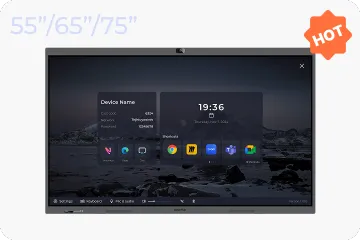
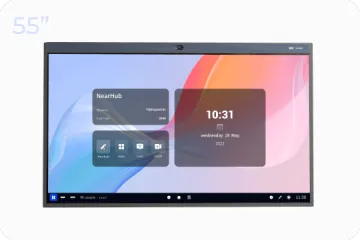
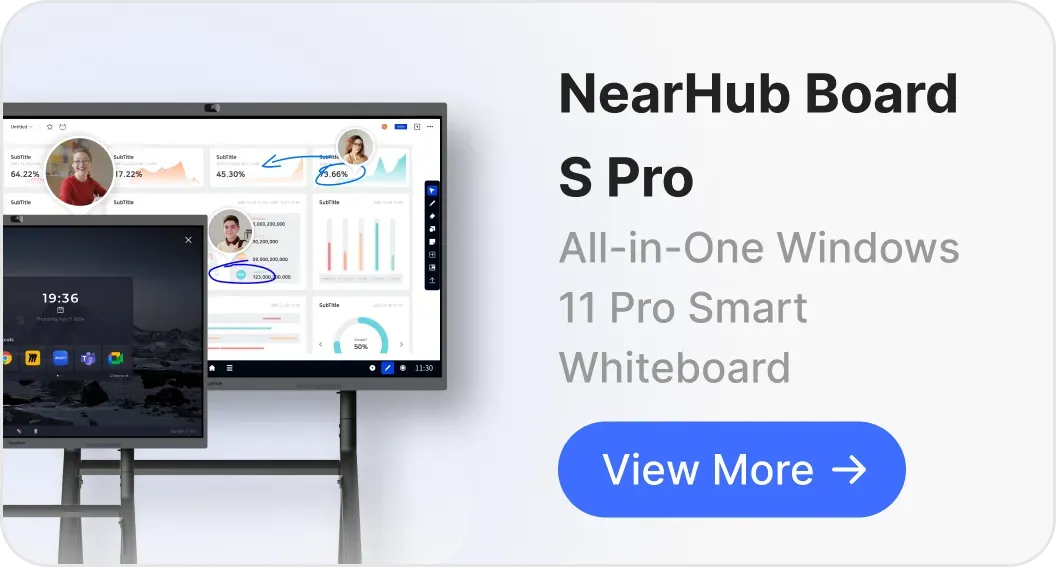
When we talk about the "Missing Link," we are specifically referring to the hardware that bridges the physical-digital divide. The NearHub Board Max is designed to eliminate the friction that holds a distributed team back.
Why Professionals Choose the NearHub Board Max
A professional smart white board is far more than just a screen mounted on a wall. It is a portal into a shared reality.
Zero-Latency Interaction: The digital ink must follow the stylus with no millisecond delay to maintain the "Flow State" during intense sketching sessions.
Native Windows 11 Pro Integration: Most professionals live in the Microsoft ecosystem. The NearHub Board Max runs full desktop versions of Teams, Zoom, and Excel natively, ensuring no feature loss.
Beamforming Mic Arrays: High-fidelity audio ensures that every voice is isolated and background noise is suppressed, making the "distance" feel non-existent.
The ROI of High-Performance Interactive Hubs
Investing in superior hybrid work solutions pays for itself in several critical areas:
Innovation Velocity: Reaching decisions faster through visual alignment and instant feedback loops.
Talent Retention: Providing a frictionless environment that top-tier talent demands in a global market.
Real Estate Efficiency: Reallocating space from rows of desks to high-value "Collaboration Theaters."
Space Requirements and Collaborative Zoning: Implementing Solutions at Scale
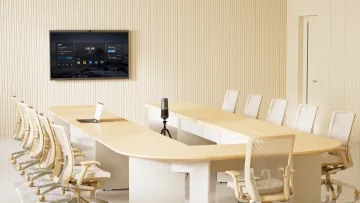
A successful office treats the physical space as a "Magnet," not a "Mandate." This requires a shift in office design toward activity-focused zoning supported by interactive technology.
Zoning for Cognitive Load
The modern office should be partitioned into specific zones to support different types of work:
The Focus Zone: Soundproof pods or quiet libraries for the deep work typically done at home.
The Innovation Hub: Wide-open spaces centered around a nearhub interactive hub for visual mapping and collective sketching.
The Social Anchor: Areas designed specifically for unplanned interactions that drive serendipitous innovation.
Comparison Table: Legacy vs. 2026 Hybrid Infrastructure
Presence Equity: How Does a Hybrid Work for Remote Participants?
The question of how does a hybrid work effectively always comes back to equity. If your remote workers feel like second-class citizens, your culture will eventually fracture.
The Visual Voice
In a high-performance meeting, the remote worker's presence is amplified through visual scale:
Life-Sized Video: Position your nearhub board at eye level so remote participants appear life-sized to those in the room.
Interactive Weight: When a remote worker draws on the digital board from their laptop, their mark appears in the office instantly. This creates a sense of "spatial presence."
AI-Driven Inclusion: Gallery View and Speaker Tracking
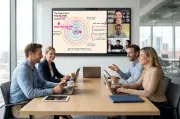
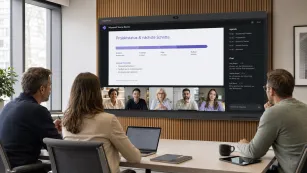
Advanced hybrid work solutions utilize AI to level the playing field. AI Gallery View takes individuals in a conference room and places them in separate, equal-sized digital tiles. This makes the office team look just like remote participants, ensuring no one dominates the screen. Additionally, Auto-Framing adjusts as people move, keeping everyone centered and visible for the remote team.
The Strategic Benefits of Hybrid Working: More Than Just Flexibility
Why are top-tier firms doubling down on distributed models? The answer lies in the multifaceted benefits that touch every part of the corporate balance sheet.
Access to a Global Talent Pool
One of the greatest strategic advantages of this model is the ability to hire specialized experts regardless of geography. When you remove the requirement for a daily commute, you open your doors to a diverse workforce that brings a competitive edge to your organization.
Real Estate ROI and Rightsizing
By transitioning to a high-performance model, companies can often reduce their total square footage by 30% to 50%. Reinvesting rent savings into premium interactive infrastructure—like the NearHub Board Max—provides a higher return than paying for empty desks. Operational Agility, the ability to scale teams up or down without needing new physical floor space, is a vital component of modern business resilience.
Security and Governance: The IT Foundation of Modern Solutions
A toolkit is a liability if it isn't secure. As teams become more distributed, the "Attack Surface" of the organization increases. Professional hybrid work solutions must prioritize security without creating friction for the end-user.
Standardized IT Integration
The best tools are those that your IT department already knows how to manage. Because the NearHub Board Max runs on Windows 11 Pro, it integrates seamlessly with existing Active Directory, Intune, and security protocols.
Data Persistence: Ensure your tools have auto-wipe features for local cache data while maintaining encrypted cloud backups for all collaborative sessions.
Meeting Privacy: Built-in password protection and PINs are vital for safeguarding sensitive corporate data in shared collaborative spaces.
Regulated Data Sharing: Use built-in enterprise storage interfaces (like OneDrive for Business) on your interactive hardware to ensure all collaborative outputs remain within the company's digital perimeter.
FAQ Section: Optimizing Your Hybrid Workflow
How does a hybrid work for small businesses on a budget?
Start with the "Big Three": A high-quality interactive hub like nearhub for the office, a cloud-based project management tool, and an asynchronous video messaging app. Investing in one high-quality piece of hardware is often more productive than ten minor software subscriptions.
What is the most important part of hybrid work solutions?
The most critical factor is "Presence Equity." Every team member must feel equally heard and visible, regardless of location. This is achieved through communication protocols and professional-grade hardware like the NearHub Board Max.
How do I use a smart board to bridge the remote gap?
A smart white board allows remote workers to see annotations in real-time and even draw on the board from their own laptops. This creates a "single source of truth" for the meeting, ensuring no one is left out of the creative process.
Does a hybrid work policy improve employee retention?
Yes. Research consistently shows that "Time Autonomy" is a top priority for top-tier talent. A policy that respects an employee's location choice while providing professional tools increases loyalty and reduces burnout.
Why is the "Setup Tax" so high in traditional offices?
Legacy offices rely on mismatched dongles, faulty HDMI cables, and static projectors. Modern hybrid work solutions eliminate this by using standalone interactive hubs that launch meetings with a single tap.
Is the NearHub Board Max compatible with my existing software?
Absolutely. Because it runs on Windows 11 Pro, it supports the full desktop versions of over 1,000+ apps, including Microsoft Teams, Zoom, Slack, and Google Workspace.
Conclusion & CTA
The transition to a hybrid-first world is the most significant shift in corporate culture in over a century. Successfully navigating this change requires more than just a memo; it requires a radical commitment to providing the right hybrid work solutions for your team. By defining the office as a specialized destination for collaboration and equipping it with high-performance hardware, you turn your strategy into a competitive advantage.
A high-performance toolkit is built on a foundation of trust, equity, and the right infrastructure. When you eliminate the "tiny screen" struggle and replace it with professional-grade tools like the NearHub Board Max, you aren't just buying hardware; you are investing in the long-term innovation and health of your team. The goal is simple: to make the work as rewarding as the result. Don't let your office reality lag behind your remote strategy.