Maximize Your Well-Being: 4 Essential Tips for High-Quality Leisure Time
In our fast-paced world, finding time for leisure and relaxation is crucial for maintaining a healthy work-life balance.
Leisure Time
Worker
Updated: Aug 19, 2026 · 10 minutes read
Global Business, Brought Near.
No Installer, No Hassle, Just Works.
In our fast-paced world, finding time for leisurely activities is no longer a luxury—it is a necessity. Whether you are a busy professional or a student juggling exams, the quality of your downtime significantly impacts your mental and physical health. While most people remember the long summer breaks of their youth as their peak "rest" period, maintaining a healthy work-life balance requires us to find leisure and recreational activities throughout the year.
By focusing on scheduling, diversifying, disconnecting, and self-care, you can transform your free moments into a powerful source of rejuvenation.
Key Takeaways
Schedule Rest Like Work: Treat your leisure time activities as non-negotiable appointments in your calendar to prevent burnout.
Diversify for Joy: Don't stick to one routine; exploring new leisure activities examples keeps your mind sharp and staves off boredom.
Unplug to Recharge: High-quality rest requires disconnecting from screens to truly immerse yourself in leisurely activities.
Prioritize Self-Care: The best leisure activity ideas are those that focus on your physical and mental well-being, not just "killing time."
For most of people, the longest vacation is the summer vacation during the school years. Rest time is occupied by a variety of things. In our fast-paced world, finding time for leisure and relaxation is crucial for maintaining a healthy work-life balance. Whether you're a busy professional, a student, or anyone juggling multiple responsibilities, making the most of your leisure time can significantly enhance your well-being. In this article, we'll explore four valuable tips that can help you maximize the benefits of your free moments: scheduling leisure time, diversifying activities, disconnecting, and prioritizing self-care.
Why is Rest Non-Negotiable?
Prolonged work leads to more than just exhaustion. Physical issues like spine disease, eye fatigue from screens, and chronic stress are common in high-pressure environments. Prioritizing a leisure time activity is essential for several reasons:
Relaxation and stress reduction: Leisure time provides an opportunity to relax and unwind, allowing your mind and body to recover from the stresses and demands of daily life. Engaging in leisure activities can reduce stress, anxiety, and tension, promoting mental and physical well-being.
Mental and physical health: Leisure activities can be essential for mental health. They offer a break from the routines and pressures of work or daily responsibilities, reducing the risk of burnout and improving overall mental health. Engaging in leisure activities that involve physical exercise, such as sports, hiking, or even a leisurely walk, contributes to better physical health. It can improve fitness, reduce the risk of chronic diseases, and boost energy levels.
Increased productivity: Breaks and leisure time can actually increase productivity. When you take time to rest and recharge, you're more likely to perform better and be more focused when you return to work or other responsibilities.
Personal Fulfillment: Leisure time is an opportunity to engage in activities that bring personal fulfillment and a sense of achievement. Pursuing one's passions, interests, and hobbies can enhance self-esteem and overall life satisfaction.
Where to Find Your Leisure Time
In a busy work life, time is filled with all kinds of trivial things. Finding time to rest becomes an issue for workers to figure out. Here is some time to take a break.
Breaks During the Day:Take short breaks during the workday. Even a 10-15 minute break can provide a mental reset and help you recharge. Use this time to stretch, meditate, or step outside for fresh air.
Weekends and Holidays: Make the most of your weekends and holidays. Plan leisure activities, trips, or simply dedicate time to relaxation during these extended breaks.
Early Mornings or Evenings:Consider waking up a little earlier or using the evening hours for leisure. A quiet morning or evening can be an ideal time for reading, self-care, or hobbies.
Lunchtime: Use your lunch break as an opportunity to rest. Step away from your workspace, eat mindfully, and engage in a leisure activity like a short walk.
4 Tips to Improve the Quality of Your Rest
1.Schedule leisure time
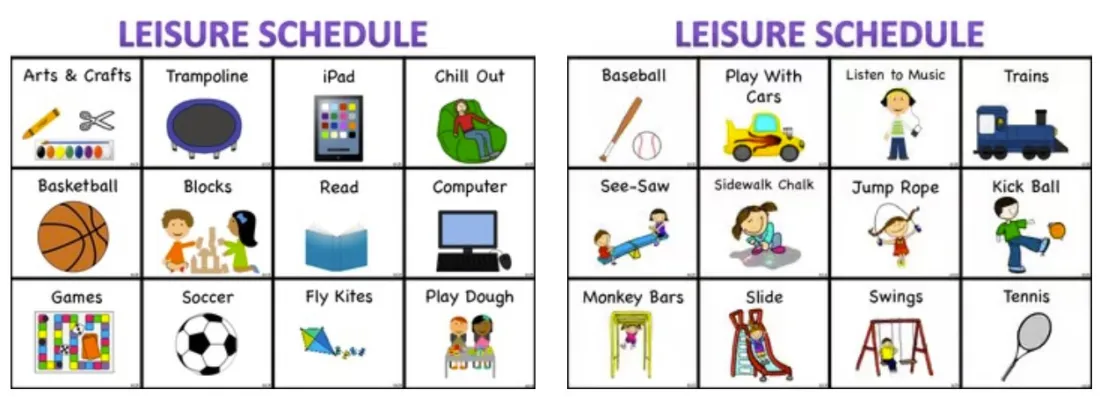
Just as you schedule work or other obligations, schedule leisure time in your calendar. It may sound counterintuitive, but it is effective. Before making the schedule, you can first create a to-do list for leisure activities that you decide to do. This can help you stay organized and ensure you make the most of your free time. In this schedule, your most important leisure activities need to be identified and prioritized, which ensures that you're spending your free time on things that truly matter to you. Setting leisure goals in your schedule can also be valid.
By doing so, you're sending a clear message to yourself and others that your leisure time is non-negotiable. Knowing that you have dedicated leisure time to look forward to can be a great stress reliever. It serves as a motivation to get through challenging or busy periods. Making a leisure time schedule is helpful for you to periodically review how you're spending your leisure time and make adjustments as needed. What do you want to achieve during your free time? It could be completing a book, learning a new skill, or visiting a place you've never been before.
2.Diversify activities
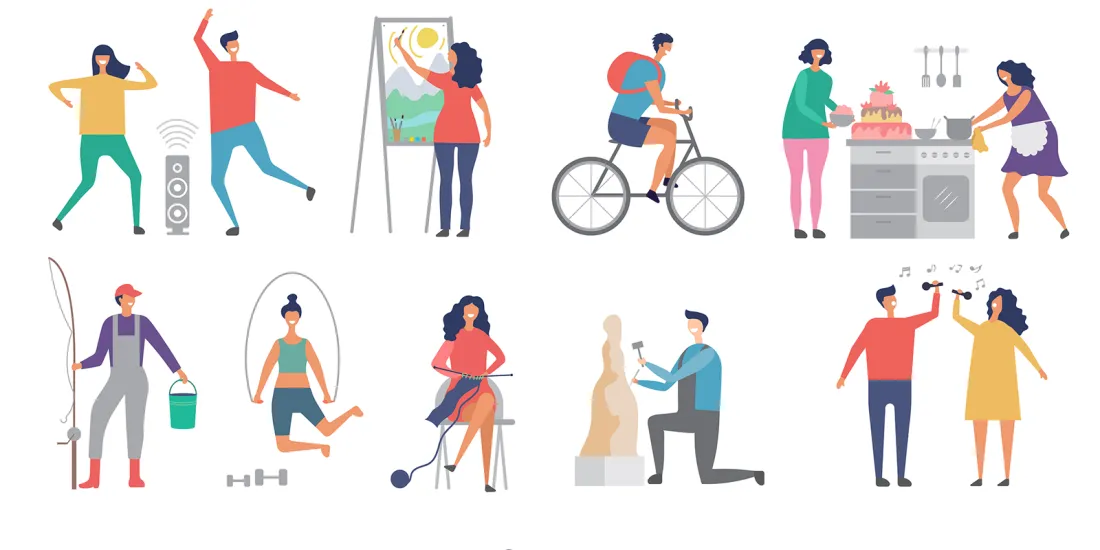
Engage in a variety of leisure activities. While your favorite leisure activity might be a go-to stress-reliever, consider diversifying your activities. Don't limit yourself to just one hobby or pastime.
Exploring new interests can make leisure time more enjoyable. Over time, even the most enjoyable activities can become routine. By diversifying, you can stave off boredom and maintain your enthusiasm for leisure. When you diversify, you open the door to new experiences, meet different people, and challenge yourself in exciting ways. Whether it's reading, painting, playing a musical instrument, or any other passion, allocate time for activities that fulfill you.
To find new hobbies, you can browse books, magazines, websites, and social media platforms related to various hobbies and choose some really intrigue you. Then begin with manageable, low-cost, or introductory activities related to your chosen hobby, which allows you to dip your toes into the hobby without overwhelming yourself. The next step is to set aside regular time in your schedule to practice and develop your skills. Slowly, you can develop some new hobbies to enrich your leisure time.
3.Disconnect
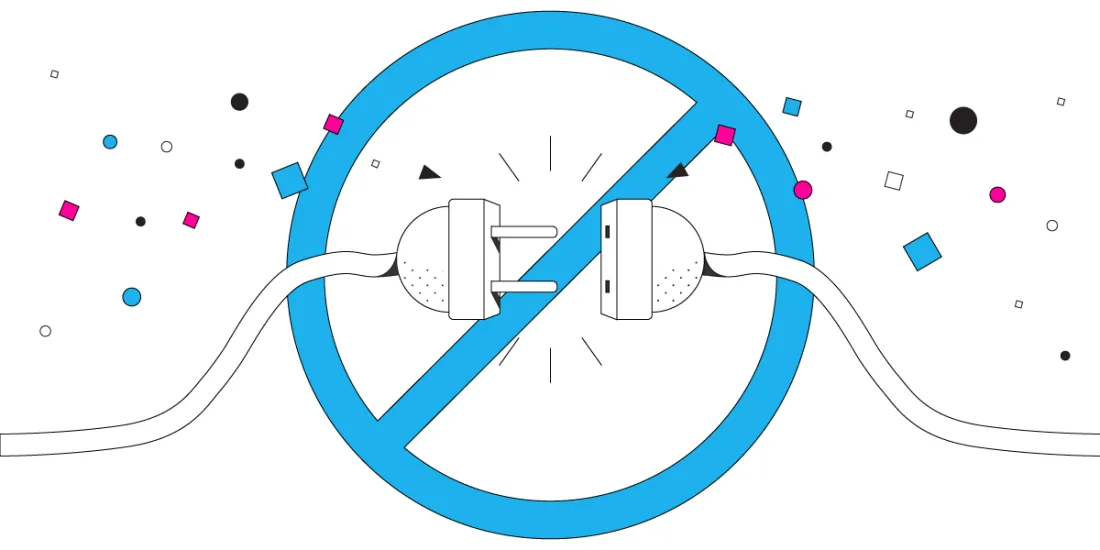
Disconnect from technology and social media during leisure time. In our digitally connected world, screens and devices often intrude on our leisure time. Excessive use of electronic devices, such as smartphones and computers, can eat up leisure time. Screens and constant connectivity can lead to mental fatigue.
Disconnecting helps you rest and recharge your mind during leisure time. Set boundaries for screen time and consider using apps or features that track and limit usage.Then the devices will not be so attractive to you. More time could be spent on other beneficial activities.
Engaging in screen-free activities can help you be more present and enjoy your time to the fullest. Sometimes, you also need to decline social invitations or other commitments to protect your leisure time. Don't overextend yourself. In addition, getting far away from some social medias helps you clearly define boundaries between work and leisure. When your leisure time begins, make sure you mentally leave work behind and fully engage in relaxing activities. Limit screen time, silence your phone, and immerse yourself in the real world.
4.Prioritize self-care
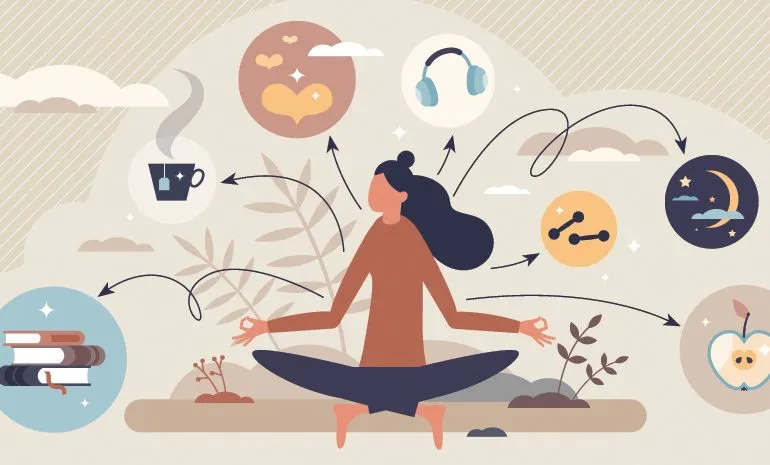
The core to all these tips is self-care. In the hustle and bustle of everyday life, self-care often takes a back seat. However, leisure time is the perfect opportunity to prioritize self-care.
You shouldput the idea of self-care in your mind before making all of the plans. Please always remember that the main purpose of your leisure time activities is to please yourself, both physically and mentally.
If we are willing to take care of ourselves, we take care of our bodies first. Adequate sleep and a healthy diet are indispansable. Exercising in moderation is also needed. For our mental rest, engage in activities that nurture your well-being, such as meditation, a warm bath, or enjoying a hobby that brings you joy.
Something that you find uncomfortable during your leisure time will detract from your rest quality. Try to avoid it and do things that really please you. Your true feeling always comes first.
Self-care not only refreshes your mind and body but also helps you face life's challenges with renewed energy and resilience. Prioritizing self-care canincrease your resilience and ability to cope with life's challenges. When you take care of yourself, you are better equipped to face stress and adversity. Don't underestimate the power of self-care in making your leisure time truly restorative.
Conclusion
Your leisure time is a valuable resource, and with the right approach, you can make the most of it. In summary, scheduling leisure time helps you well organaize the time and identify some activities really matter. Diversifying activities open up your horizon and colors your life. Disconnecting from screens, devices and some relationships reduces your pleasure in socialization and shied some information that distract your attention. The last but the most important one tip is to take care of yourself. It is the key point to keep in our minds when we are having rest. By doing these tips, you can ensure that your leisure moments are truly fulfilling and enriching. Take these tips to heart, and watch your leisure time transform into a source of relaxation, personal growth, and happiness.
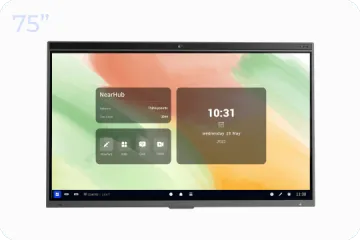
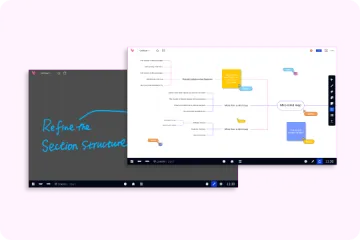
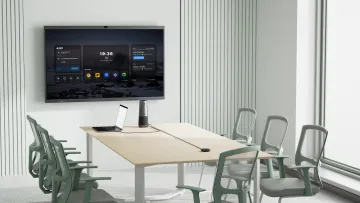
NearHub is an all-in-one solution for meeting rooms and classrooms. NearHub possesses an interactive digital Board with cutting-edge smart software. By combining your favorite programs with mess-free writing canvas and video conferencing, you can improve your interaction and productivity in the online classroom. Besides, NearHub also provides MagicPad S13 to improve digital learning and creativity. Click here to view more on NearHub.
thoughtful 核心 To further boost your article’s SEO performance and help it rank for "Featured Snippets," here is the English version of the FAQ. These questions are strategically crafted to include your target keywords naturally.
💡 Frequently Asked Questions About Leisure & Well-being
Q1: What are some high-quality leisure activities examples?
A: High-quality leisure activities examples are those that promote deep engagement and mental restoration. Examples include:
Outdoor: Hiking, cycling, or nature photography.
Creative: Painting, cooking new recipes, or learning a musical instrument.
Relaxation: Meditation, reading a physical book, or gardening.
Social: Having a deep, screen-free conversation with friends or family.
Q2: Why is it important to schedule leisure time activities?
A: Scheduling leisure time activities ensures that rest becomes a non-negotiable part of your day rather than an afterthought. It helps lower cortisol levels, prevents burnout, and significantly improves your focus and productivity when you return to professional tasks.
Q3: What is the difference between leisure and recreational activities?
A: While often used interchangeably, leisure activities refer to any self-determined activity done during free time for enjoyment. In contrast, leisure and recreational activities often imply organized or active pursuits—like sports or fitness—designed to "recreate" or restore physical and mental strength.
Q4: Do you have any quick leisure activity ideas for a 15-minute break?
A: Yes! Effective leisure activity ideas for short breaks include:
Practicing deep breathing or a guided 5-minute meditation.
Stepping away from all screens to do a full-body stretch.
Taking a brisk walk around the block for fresh air.
Listening to a favorite podcast or a few uplifting songs.
Q5: How can I find a new leisure time activity that fits my lifestyle?
A: Finding the right leisure time activity involves a few simple steps:
Recall Past Joys: Think about hobbies you loved as a child before work became a priority.
Trial and Error: Start with low-cost, introductory sessions to see if a hobby resonates with you.
Prioritize Passion: Choose activities based on how they make you feel, not how "productive" they look to others.
Q6: How do leisurely activities improve sleep quality?
A: Engaging in leisurely activities like light stretching or journaling before bed helps your brain transition from "problem-solving mode" to "rest mode." By replacing screen time with these calming habits, you reduce blue light exposure and prepare your body for deeper, more restorative sleep.