Imagine trying to coordinate a project while your team is scattered across different time zones, and the deadline is looming. Without the right system, communication breaks down, and important tasks inevitably slip through the cracks. This is a common frustration for modern managers, but the solution lies in a robust digital stack. This guide will explain how the right collaboration tools for remote teams address these challenges by improving communication, organizing workflows, and keeping everyone aligned.
Whether your team is small or large, collaboration tools play a vital role in keeping work organized and productive. They are built to solve common remote work challenges and support day-to-day operations in several important ways:
Improve Team Communication Flow
Clear communication is essential for remote teams, especially in work-from-home environments. Collaboration tools improve the flow of information by giving teams a shared space to exchange ideas, follow conversations, and stay aligned without the constant back-and-forth of traditional email.
Organize Tasks and Projects Efficiently
Remote teams often handle several projects at the same time. Task management features help managers assign work, set clear deadlines, and track progress in real-time, making sure nothing gets overlooked.
Enable Seamless Real-Time Collaboration
Remote work still requires immediate interaction. High-quality collaboration tools for remote teams allow members to discuss ideas, share documents, and solve problems together instantly, even when everyone is in a different geographic location. Often, using a noise cancelling headphone with mic for office allows team members to stay focused during these intense real-time sessions.
Automate Routine Processes
Automation removes a lot of the manual drudgery from daily routines. Features like automated task assignments, reminders, and file sharing reduce administrative time, letting teams focus on higher-value work.
Optimize Productivity
By bringing communication, tasks, and files into one centralized place, these tools streamline workflows. This reduces the time wasted switching between different apps and helps teams stay focused on their core goals.
Here are the top 10 tools that remote teams rely on most to stay connected and productive in 2026.
Consistent communication reduces friction in day-to-day work.
- Slack: The Hub for Team Messaging Slack is a widely used messaging tool that organizes conversations into channels. It supports file sharing and integrates with thousands of other work tools, making quick communication easy without cluttering inboxes.
- Microsoft Teams: Integrated Enterprise Collaboration Teams combines messaging, file sharing, and video calls in one place. Its tight integration with Microsoft 365 makes it a natural choice for teams already using Word and Excel. To ensure professional audio during these calls, many professionals opt for the headset for work.
- Zoom: Video Conferencing and Webinars Zoom remains the go-to option for video meetings. Its reliable audio and video make it easy for remote teams to meet, whether for a quick internal check-in or a formal client presentation.
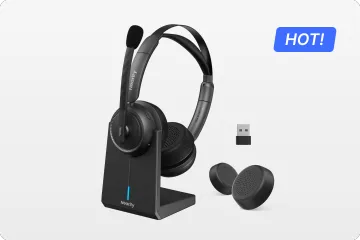
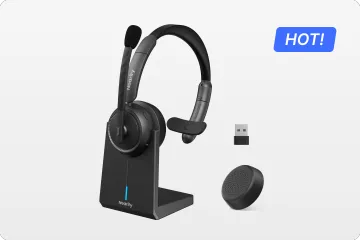
When using tools like Slack or Zoom, clear audio matters as much as a stable connection. The Nearity EP320 is a professional-grade communication headset that reduces background noise and keeps voices clear, making meetings less tiring.

Why Nearity EP320 works well for remote teams:
- DSP Noise Canceling Microphone: Helps block 99.9% background noise, keeping voices clear during meetings and calls.
- Reliable Bluetooth Connectivity (up to 33 feet): Allows you to move around your workspace without losing connection.
- MultiPoint Pairing: Easily switch between your laptop and phone so meetings stay uninterrupted.
Managing projects remotely requires clear structure and accountability.
- Asana: Comprehensive Project Management Asana helps teams assign tasks and track progress. Its layout makes it easy to see responsibilities and timelines at a single glance.
- Trello: Visual Kanban Board Management Trello uses visual boards to organize tasks. It is especially useful for teams that prefer a simple, visual way to track their workflow progress.
- ClickUp: All-in-One Project Management ClickUp combines tasks, collaboration, and reporting in one customizable system that adapts to different team sizes.
Strong workflows are essential for keeping remote teams efficient.
- Toggl: Time Tracking and Productivity Insights Toggl lets teams track time spent on tasks, offering clear data on where work hours go to help spot inefficiencies.
- RescueTime: Personal Productivity Monitoring This tool provides detailed reports on daily activity. By highlighting distractions, it helps remote workers improve their focus.
- Zapier: Cross-App Workflow Automation Zapier connects different apps to automate common workflows, such as creating a task automatically when a new email arrives.
- IFTTT: Task Automation in Teams IFTTT simplifies routine actions by linking apps together, helping teams stay updated without extra manual effort.
5 Key Factors for Successful Remote Collaboration
Success depends on more than just software. According to research from leading industry sources like Forbes, these five factors are essential:
Clear Communication Protocols
Setting guidelines for when to use Slack vs. email helps reduce misunderstandings.
Defined Roles and Responsibilities
Remote teams work best when everyone knows exactly what they are responsible for.
Giving teams reliable software and professional hardware, such as a best noise cancelling headset, is essential for daily efficiency.
Flexibility and Adaptability
Teams that adapt to different time zones and schedules tend to collaborate more effectively.
Regular Feedback and Continuous Improvement
Ongoing check-ins help teams address issues early and support long-term growth.
Conclusion
The right collaboration tools for remote teams play a major role in keeping communication clear and productivity steady. When teams use a smart mix of communication platforms, task management tools, and professional hardware like the Nearity EP320, work runs more smoothly and efficiently.
FAQs
1. What features are most important in a collaboration tool?
Prioritize ease of use, integration, and mobile accessibility. A tool only works if your team uses it. Look for centralized notifications to prevent constant tab-switching.
2. Can small teams benefit from enterprise tools like Slack or Teams?
Yes. Most offer free or "lite" tiers for small businesses. Starting with scalable tools prevents difficult data migrations as your team grows.
3. How do I prevent "app fatigue" from using too many tools?
Focus on integration. Ensure your project management software "talks" to your chat app (e.g., Asana alerts in Slack) so your team stays informed within a single workspace.
4. What hardware is essential for remote collaboration in 2026?
Beyond a laptop and fast internet, audio quality is paramount. A professional headset like the Nearity EP320 is recommended to prevent misunderstandings and reduce meeting fatigue.