

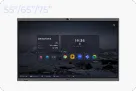
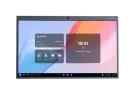
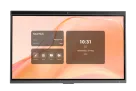
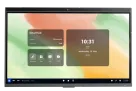

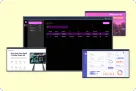

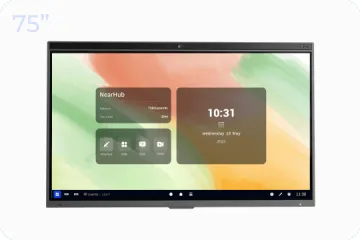
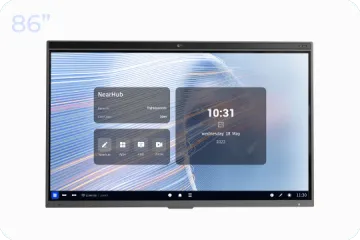
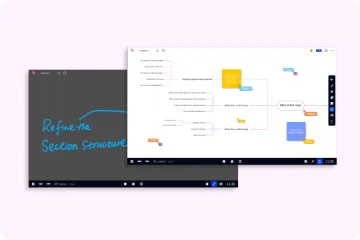





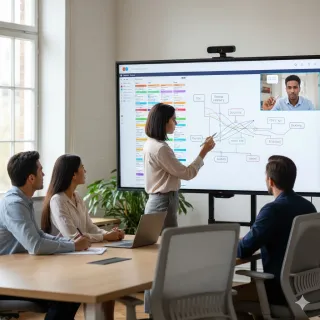
In the rapidly evolving digital landscape, static office tools are becoming obsolete. This comprehensive guide dives into the practical application of PenTouch smart boards in daily professional workflows. We examine how high-performing teams utilize these "Command Centers" to monitor live data feeds, streamline Kanban visuals, and achieve "presence equity" in hybrid meetings. The article also highlights critical hardware specifications—such as 4K clarity and zero-latency drawing—and provides actionable insights on managing enterprise-level security and seamless room calendar synchronization to eliminate technical friction.
Key Takeaways
- Centralized Command Centers: Interactive boards act as the office's nervous system, allowing for simultaneous data monitoring and live sketching.
- Visual Alignment at Scale: Digital Kanban boards and real-time annotation significantly reduce communication gaps and "re-work" in project management.
- Hardware Precision: Features like 4K resolution and low-latency PenTouch technology are essential for high-stakes professional drawing and analysis.
- Ecosystem Synergy: Deep integration with Microsoft 365 ensures that spontaneous brainstorming can be instantly converted into documented, permanent assets.
- Eliminating Admin Drag: One-click PDF/Email exports and automated room calendar sync save up to 30 minutes of administrative time per meeting.
- Enterprise Security: Built-in password protection and PINs are vital for safeguarding sensitive corporate data in shared collaborative spaces.
We have all been there: you are in the middle of a high-stakes strategy meeting, half the team is on a grainy Zoom feed, and the other half is huddled around a tiny laptop screen in a cold conference room. The "distance" between the people in the room and the people on the screen feels like a canyon. This disconnect is the primary reason why so many teams struggle with the "in-between" of modern work. In the world of sports, when you have a gap between your long-range woods and your precise irons, you reach for a hybrid. In the office, bridging these hybrid distances requires the same level of versatility and power.
If your team feels fragmented, it is likely because you are trying to solve 2026 problems with 2019 tools. This comprehensive Problem-Solution guide will explore "5 Common Hybrid Work Problems and How Optimizing Your Office Tech Solves Them." Whether you are looking for the "best hybrid clubs" in the tech world or simply trying to close the gap between remote and in-office reality, this guide is your roadmap to success. By the end of this article, you will understand how to manage hybrid distances effectively to ensure no one is left behind in the "rough."
5 Common Hybrid Work Problems and How Bridging Hybrid Distances Solves Them
The transition to a mixed-location model is rarely a straight drive down the fairway. To fix a broken workflow, we must first identify the specific friction points that occur when teams are split across locations and technologies.
Problem 1: The "Second-Class Citizen" Remote Experience
When some employees are in a physical room and others are on a screen, the remote participants often feel like spectators rather than contributors. They miss the side-chatter and non-verbal cues. This social gap increases the perceived hybrid distances and kills team cohesion.
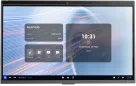
The Solution: You need a tool that offers "Presence Equity." By using a NearHub S Pro smart white board, you create a unified digital canvas where remote and local marks appear with the same weight and clarity. This high-fidelity interaction ensures that everyone—regardless of their GPS coordinates—is an active player in the brainstorm.
Problem 2: Tool Fragmentation and Tech Fatigue
Fumbling between a webcam, a separate microphone, and a traditional whiteboard leads to "Setup Tax"—the 10 to 15 minutes wasted at the start of every meeting. This friction makes the office feel like a burden rather than a destination.
The Solution: The office needs a professional "all-in-one" solution. Just as the best hybrid clubs in golf replace multiple specialized irons, a NearHub board replaces your display, your PC, your webcam, and your markers in one seamless interface.
Problem 3: The "Ghost Room" Scheduling Conflict
One of the most frustrating aspects of the return-to-office transition is arriving for a meeting only to find the room is "double-booked" or the technology isn't synced with the company calendar.
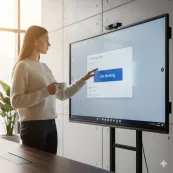
The Solution: Integrated Room Calendars. By utilizing a smart white board for business, teams can walk into a room and join a meeting with one tap. The board pulls data directly from Microsoft 365 or Google Workspace, effectively managing the "logistical distance" of the office.
Problem 4: The Documentation Black Hole
Ideas sketched on a physical whiteboard often end up as blurry photos in a Slack channel, where they go to die. This lack of persistence means remote workers lose context the moment the meeting ends.
The Solution: Digital-first documentation. Every stroke is captured in 4K and can be exported as a PDF instantly. Learning how to use a smart board for instant file sharing ensures that even those across vast hybrid distances have a perfect, searchable record of the meeting.
Problem 5: Cultural Decay and Proximity Bias
Leaders often favor those they see in person. This bias creates a "hidden" distance that is harder to measure but more damaging than physical mileage. It leads to fragmented cultures where remote staff feel undervalued.
The Solution: Implementing "Activity-Based Presence." High-quality video conferencing and shared digital canvases ensure that facial expressions and tone are preserved, keeping the human element front and center in your hybrid work strategy.
What is a Hybrid Club in the Context of Modern Workspaces?
In the golfing world, if you ask a pro what is a hybrid club, they will tell you it is the perfect marriage of a wood’s distance and an iron’s control. It is a "rescue" tool designed to get you out of tough spots. In the 2026 office, a "hybrid club" is an all-in-one interactive whiteboard.
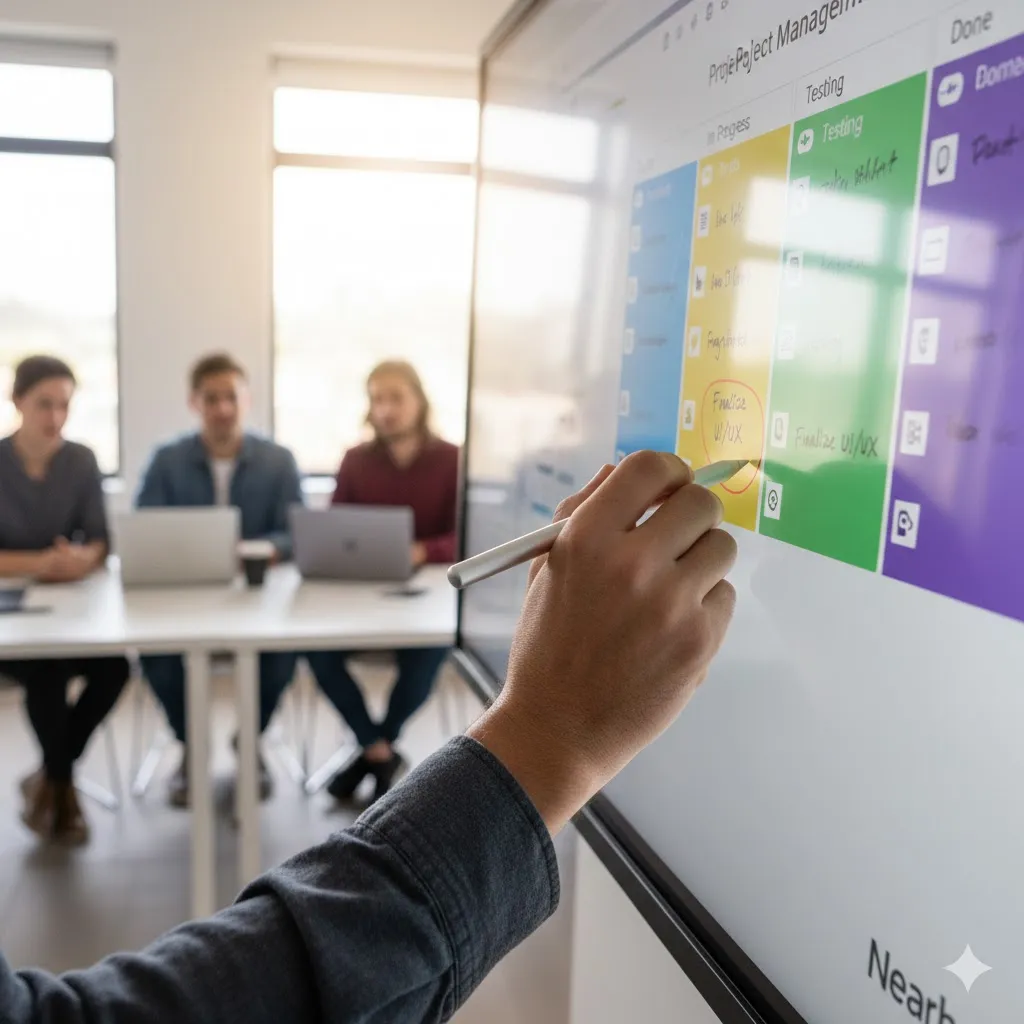
The Versatility of the All-In-One Hub
Professional teams are moving away from piecemeal technology. A NearHub board acts as the central nervous system of the collaborative space.
- Unified Canvas: It allows for simultaneous drawing from multiple devices across the globe.
- Integrated Audio/Video: High-fidelity microphones eliminate the "echo" often found in poorly equipped hybrid rooms.
- App Ecosystem: It runs Zoom, Teams, and Slack natively, so you don't need to plug in a laptop to start collaborating.
Why "Best Hybrid Clubs" (Tech) are Essential
Just as you wouldn't use a putter to drive 200 yards, you shouldn't use a standard TV monitor for a collaborative brainstorm. High-performing teams choose tools like the NearHub S Pro smart white board because it offers the precision needed for high-stakes planning while bridging the gap between participants.
Calculating the Gap: Understanding Real-World Hybrid Distances
When we talk about hybrid distances, we aren't just talking about miles. We are talking about the "cognitive load" required to bridge the communication gap. According to a recent report by Gartner, employees in poorly equipped hybrid environments are 40% more likely to experience "meeting fatigue."
The Three Dimensions of Distance
- Physical Distance: The literal miles between home and office.
- Temporal Distance: The challenge of working across different time zones without losing momentum.
- Visual Distance: The loss of clarity when looking at a shared screen versus a physical board.
Closing the Gap with 4K Clarity
To minimize the impact of hybrid distances, visual fidelity is non-negotiable. If a remote worker can't read the small text on a shared document or see the nuance in a sketch, they disengage. Professional-grade interactive boards provide the pixel density required to make everyone feel "in the room."
Finding the Best Hybrid Clubs for Your Meeting Room
Selecting the right equipment is a strategic investment. You wouldn't buy a set of clubs without testing them; similarly, your office tech should be vetted for "Meeting Equity" and ease of use.
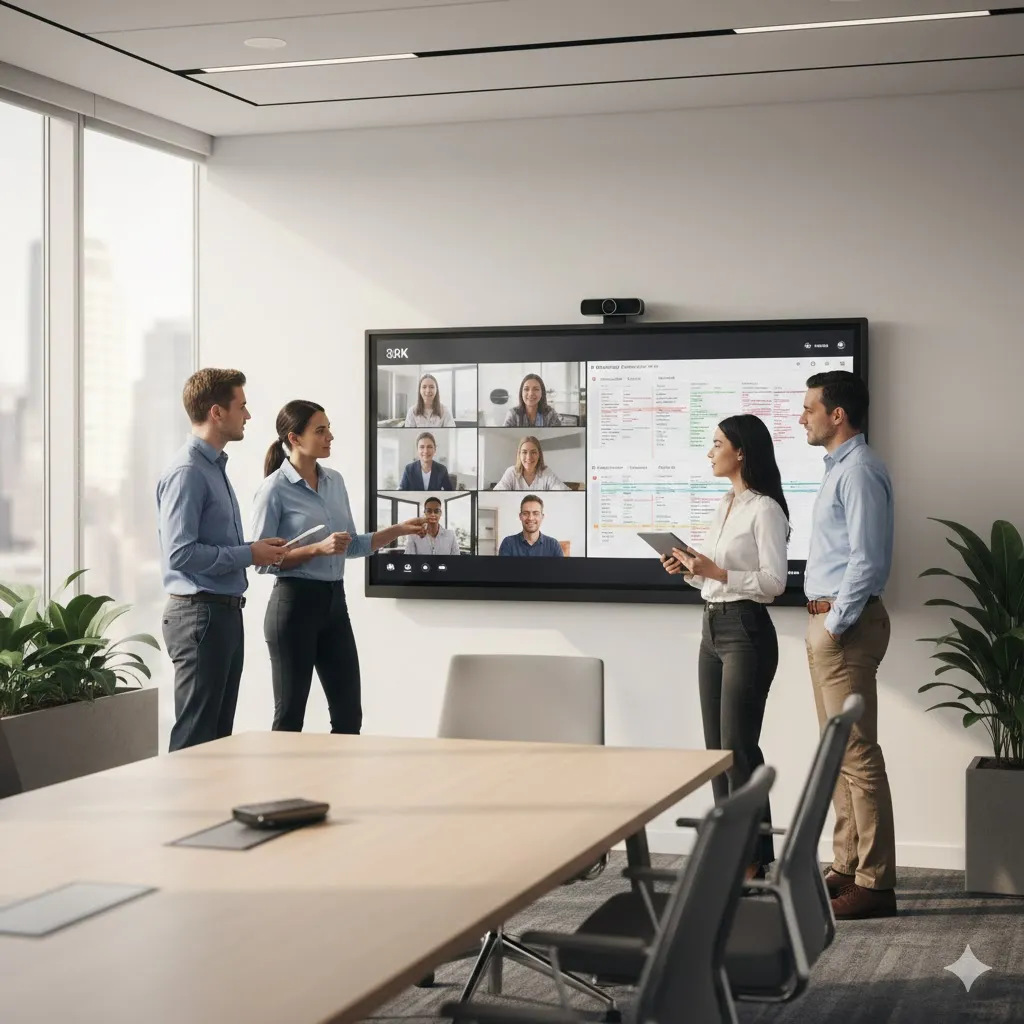
Features to Look for in a "Hybrid Hub"
- Low Latency: The digital ink should follow the pen instantly to maintain the "flow state."
- Room Calendar Integration: The ability to walk into a room and see exactly how much time is left in a booking.
- Security: Built-in password protection and PINs to keep sensitive corporate data safe in shared spaces.
The Role of Workspace Ergonomics
While the tech facilitates the meeting, the environment facilitates the focus. A high-performance office design incorporates soundproofing and intelligent lighting to ensure that the "Command Center" remains a distraction-free zone. By removing environmental friction, you reduce the mental hybrid distances that lead to burnout.
Why a 3 Hybrid Club Distance Analogy Matters for Team Productivity
In golf, the 3 hybrid club distance usually covers about 180 to 210 yards—a tricky range that requires both power and finesse. In project management, this "middle ground" is the most dangerous. It’s where project kickoffs happen and where the most errors occur.
The "Middle Ground" of Collaboration
- The Short Game: Quick Slack messages, emails, and 5-minute huddles.
- The Long Game: Quarterly off-sites and annual strategy retreats.
- The 3 Hybrid Range: The weekly syncs, deep-dive brainstorms, and sprint planning sessions where real work happens.
Mastering the Mid-Range with NearHub
The NearHub S Pro smart white board is designed specifically for this mid-range collaboration. It provides the "power" of a full-scale computer and the "finesse" of a physical pen. By mastering this range, you can manage hybrid distances without losing the nuance of the conversation.
Optimizing the Physical Hub: Bridging Hybrid Distances with Hardware
A successful hybrid work strategy doesn't just happen; it is engineered. You must design your physical office to be a "magnet" rather than a "mandate." This requires a shift from "desk-focused" to "activity-focused" design.
Zoning Your Office for High Performance
- Focus Zones: Quiet areas for deep work where employees can escape the noise.
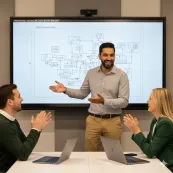
- Collaboration Theaters: Rooms equipped with smart white board technology for high-bandwidth interaction.
- Social Anchors: Spaces where people can connect informally to bridge cultural hybrid distances.
Comparison: Legacy Office vs. 2026 Hybrid Hub
| Feature | Legacy Office | 2026 Hybrid Hub | Benefit for Distances |
|---|---|---|---|
| Primary Tool | Analog Whiteboard | NearHub S Pro | Digital persistence and cloud sync |
| Video Quality | Standard Laptop Cam | 4K Wide-Angle AI Camera | Enhanced facial cues and equity |
| Accessibility | Local Participants Only | Global Unified Canvas | Real-time equity for remote staff |
| Scheduling | Manual / Paper Signs | Real-time Room Calendar Sync | Zero "double-booking" friction |
Beyond Technology: The Human Element of Closing Hybrid Distances
Technology is the bridge, but the people are the travelers. If your culture doesn't support flexibility, even the best hybrid clubs in the world won't save your productivity.
Eliminating Proximity Bias
Managers must be trained to look past the person sitting in the front row. They must actively invite those across hybrid distances into the conversation to ensure diverse perspectives are captured.
- The "Remote-First" Rule: If one person is remote, the entire meeting is conducted via the digital canvas.
- Equal Speaking Time: Use interactive tools to track who is contributing and encourage quieter voices.
- Asynchronous Buffers: Record meetings so those in different time zones can catch up without feeling behind.
FAQ Section
How do "hybrid distances" affect team morale?
When the gap between remote and in-office workers becomes too wide, remote workers feel isolated, leading to lower engagement. High-quality visual tools bridge this gap by creating a shared reality.
What is a hybrid club used for in a professional office?
In an office setting, a "hybrid club" refers to an all-in-one interactive whiteboard that combines video conferencing, digital sketching, and cloud syncing into a single interface.
Why is the 3 hybrid club distance a good analogy for project management?
The "middle range" of collaboration—the deep-dive brainstorm—is the hardest to manage across locations. It requires tools like the NearHub S Pro that are both powerful and precise.
How do I choose the best hybrid clubs for my startup?
Look for "Platform Agnosticism." Choose a [smart white board] that works with Zoom, Teams, and Google Workspace natively to ensure you aren't locked into a single ecosystem.
Can technology really reduce the "Setup Tax" in meetings?
Absolutely. By using integrated room calendars and proximity-based connections, you can start a meeting in seconds, allowing more time for actual work.
Conclusion & CTA
In the game of professional collaboration, the "fairway" is constantly changing. As we navigate the complex landscape of 2026, the organizations that succeed will be those that invest in the right "clubs" for the job. Managing hybrid distances isn't just about closing the physical gap; it's about ensuring that every voice is heard, every sketch is clear, and every employee feels supported, whether they are in the conference room or a thousand miles away.
From the best hybrid clubs in your tech stack to the intelligent design of your collaboration theaters, every detail matters. By choosing a NearHub S Pro smart white board, you are giving your team the versatility they need to hit the "sweet spot" of productivity every single day. Don't let your team get stuck in the rough of fragmented communication and legacy hardware.
Looking for a reliable way to bridge your hybrid distances? Check out our NearHub S Pro here: https://www.nearhub.us/product/interactive-smart-whiteboard-s-pro.



 sales@nearhub.us
