Open Back Headphones vs Closed: Which Headphones Are Right for You in 2026?
This article explains the differences between open back headphones vs closed and helps you choose the right headphones for sound, comfort, and your environment in 2026.
Open Back Headphones
Closed Back Headphones
Updated: Aug 19, 2026 · 6 minutes read
Global Business, Brought Near.
No Installer, No Hassle, Just Works.
Choosing the right audio gear often feels like a balancing act between immersion and isolation. You want the best sound, but you also don't want to annoy your neighbors or get distracted by the hum of your air conditioner. This is where the age-old debate of open back headphones vs closed comes into play.
If you have ever found yourself staring at a wall of gear wondering which design will actually make your music come alive or help you focus in a busy office, you are not alone. In this guide, we will break down the technical differences, sound signatures, and the best use cases for each style. Whether you are a competitive gamer, a remote worker looking for the best noise cancelling headset, or a professional mixer, we have the answers.
Key Takeaways
Open back headphones offer a wide soundstage and natural audio ideal for home listening and gaming.
Closed back headphones provide superior noise isolation and bass impact for work and travel.
Comfort differs as open back headphones stay cooler while closed back can trap heat.
Choose open back for private quiet environments and closed back for shared or noisy spaces.
Professionals often use closed back for recording to prevent audio bleed and maintain privacy.
Open Back Headphones vs Closed: Key Differences You Need to Know
The fundamental difference between these two types of headphones lies in the construction of the ear cups—specifically, whether they allow air and sound to pass through the back of the driver or keep it entirely sealed.
What are Open Back Headphones?
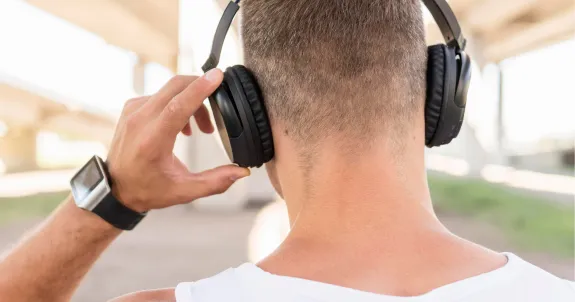
These headphones feature ear cups with vents, grills, or perforations. This design allows air to move freely in and out of the ear cups.
Airflow: Allows pressure to escape, preventing the "vacuum" feel.
Transparency: You can hear your surroundings almost as if you weren't wearing headphones.
Leakage: Sound escapes the headphones, meaning people around you will hear your music.
What are Closed Back Headphones?
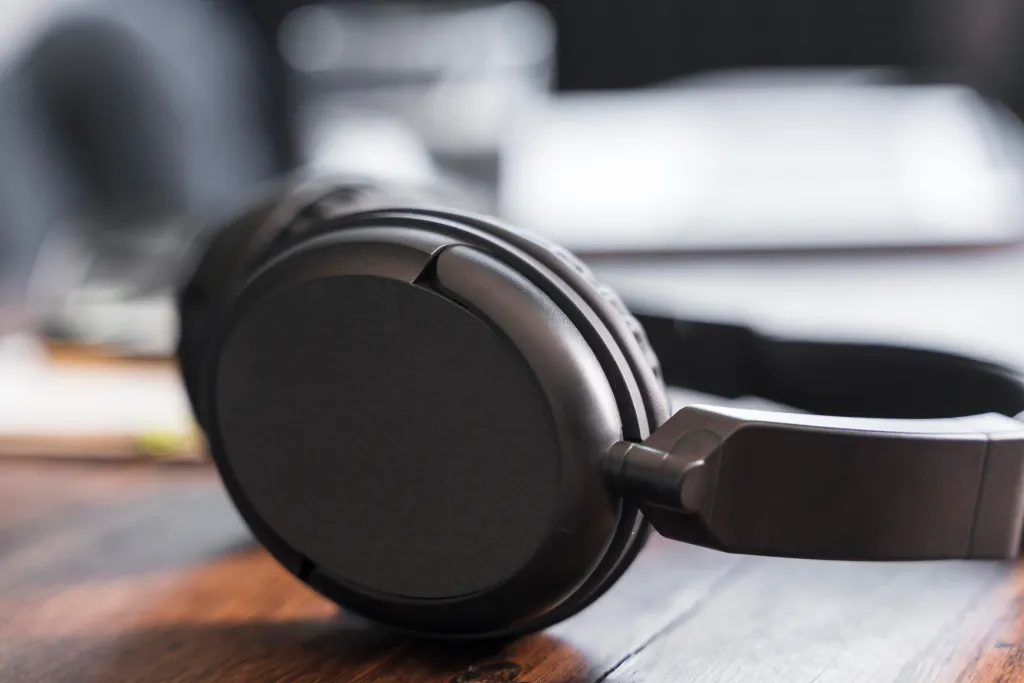
Closed back headphones are completely sealed at the back. The outer shell is solid, preventing sound from escaping and outside noise from entering.
Isolation: Blocks out ambient noise significantly.
Privacy: Keeps your audio contained so others cannot hear what you're listening to.
Pressure: Traps air inside, often leading to a more intense bass response.
Core Comparison Table
To help you visualize the trade-offs, here is a quick summary of how they stack up across the most important categories:
Feature
Open Back Headphones
Closed Back Headphones
Noise Isolation
None (You hear everything)
Excellent (Passive & Active)
Soundstage
Wide & Airy (Like a room)
Narrow & Intimate (In your head)
Bass Impact
Natural but often "Leaner"
Punchy and Powerful
Breathability
High (Cooler ears)
Low (Warmer ears)
Privacy
Low (Leaks sound)
High (Private listening)
Best For
Mixing, Critical Listening, Home
Commuting, Office, Recording
Sound Quality Comparison: Which Delivers Better Audio?
When discussing headphones with open back vs closed, "quality" is subjective, but "accuracy" is measurable. As noted by industry experts at SoundGuys, open-back designs are often preferred for critical listening because they avoid the resonance issues found in sealed enclosures.
Soundstage and Imaging
The "soundstage" is the perceived 3D space of the audio.
Open Back: Because air flows freely, the sound feels like it is coming from speakers in a room rather than drivers right against your ears. This is crucial for competitive gaming where you need to hear the exact direction of footsteps.
Closed Back: The sound is more localized within the center of your head. While modern designs like the Nearity EP320 use advanced processing to widen this feel, they are naturally more "closed-in."
Frequency Response & Bass
The Closed Back Advantage: Sealed cups act as a physical enclosure that traps low-frequency waves. According to the audio professionals at Sweetwater, this design encourages an enhanced bass response and passive isolation, making you feel as if you're in the studio with the performer.
The Open Back Accuracy: While they might lack the "thump" of closed designs, headphones with open back provide a more linear and honest bass. It doesn't "bleed" into the midrange, allowing for clearer vocals and instrument separation.
Resonance and Distortion
In a closed cup, sound waves hit the back of the cup and reflect back toward your ear. This can create tiny delays and "muddiness." Open back headphones eliminate this by letting the back-wave escape, resulting in a cleaner, more transparent signal.
Comfort and Usage: Open vs Closed Back Headphones
Long sessions require more than just good sound; they require ergonomics. Whether you are searching for a headset for work or a marathon gaming session, comfort is king.
Heat Dissipation
Open Back: The ventilation keeps your ears cool. You can wear these for 8 hours without the "sweaty ear" syndrome.
Closed Back: The seal traps heat. Many modern office headsets mitigate this using cooling gel pads or breathable protein leather, but open-back will always be the cooler option physically.
Clamping Force
Closed back headphones often require a tighter "clamping force" to maintain the acoustic seal necessary for bluetooth noise cancelling headsets with mic. Headphones with open back can afford to be lighter and more "relaxed" on the head.
Environment Matters
The Quiet Home Office: Open back is the clear winner for comfort and sound.
The Bustling Workplace: Using headphones with open ear cups in an open-plan office is a social faux pas. You will hear every conversation, and your coworkers will hear your Spotify playlist. For these environments, a closed-back system with AI noise cancellation is essential.
Pros and Cons of Open Back and Closed Back Headphones
To decide between headphones closed back vs open, you must look at your specific lifestyle.
Open Back Headphones
Pros:
Superior soundstage and "airiness."
Less ear fatigue over long durations.
Highly accurate for audio editing and mixing.
Cons:
Zero noise isolation.
Not portable (annoying to others in public).
Drivers are more exposed to dust and moisture.
Closed Back Headphones
Pros:
Total privacy for your music.
Blocks out ambient noise (ideal for travel).
Powerful bass response.
Cons:
Ears can get warm after 2-3 hours.
Narrower soundstage compared to open designs.
Can sometimes feel "claustrophobic" to some users.
Which Headphones Should You Choose in 2026?
As we move through 2026, the lines are blurring thanks to technology. However, the fundamental choice remains based on your "Primary Environment."
Scenario A: The Professional & Remote Worker
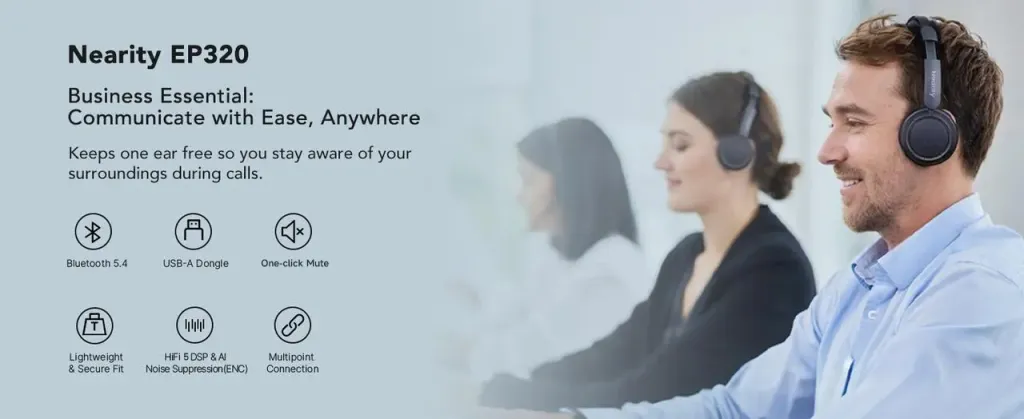
If your day consists of Zoom calls and deep focus work in a shared space, Closed Back is your only choice. In this category, the Nearity EP320 stands out as a specialized solution designed for the evolving 2026 workplace. Unlike standard consumer headphones, the (Nearity EP320) integrates advanced AI-powered Noise Cancellation that specifically targets human speech—ensuring that even in a loud coworking space, your voice remains the only thing your clients hear.
Key features of the Nearity EP320 include:
Dual-Microphone Array: This system utilizes a primary mic to capture your voice with crystal clarity, while a secondary reference mic monitors environmental noise to cancel it out in real-time.
Plug-and-Play Efficiency: It is engineered for instant compatibility with Microsoft Teams, Zoom, and Google Meet, serving as the ultimate headset for work.
Ergonomic "Cloud" Cushioning: Nearity has solved the classic closed-back heat problem by using advanced protein leatherette and memory foam that remains cool to the touch.
On-Ear Controls: You can toggle your mute status or adjust volume with tactile buttons, avoiding the need to look away from your presentation to find software controls.
For anyone seeking the best business headset, the isolation and tech-forward features of the (Nearity EP320) make it a non-negotiable asset for professional productivity.
Scenario B: The Gamer & Audiophile
If you play in a quiet room and want to feel like you are inside the game world, headphones with open back are a revelation. You will hear depth and distance that closed-back models simply cannot replicate.
Scenario C: The Content Creator
Ideally, you need both. Use closed-back for "tracking" (recording your voice) so the sound doesn't bleed into the mic. Use open-back for "mixing" so you can hear the placement of sounds accurately.
Conclusion
In summary, the choice between open back headphones vs closed comes down to your environment and your sonic priorities. Open back headphones offer a breathtaking, speaker-like experience that is perfect for critical listening and long, comfortable sessions at home. They are the gold standard for those who value transparency and a wide soundstage above all else.
On the other hand, closed back headphones remain the most versatile tool for the modern world. In 2026, where hybrid work and travel are the norm, the ability to isolate yourself from the world is invaluable. Devices like the Nearity EP320 prove that you don't have to sacrifice audio clarity for isolation. Ultimately, if you can only own one pair, consider where you will spend 80% of your time. If that place has other people in it, go closed. If it is your private sanctuary, go open.
FAQs
1. Is "open back headphones vs closed" better for gaming?
Open back is generally better for competitive gaming (like FPS) because the wider soundstage helps with directional audio. However, if you play in a noisy room, closed back is better to keep you focused.
2. Do headphones with open back have better sound quality?
They are often more "natural" and "transparent," which audiophiles prefer. However, many users prefer the "excitement" and bass impact of a high-quality closed-back headphone.
3. Can people hear what I am listening to with headphones with open ear cups?
Yes. At moderate volumes, anyone within 3–5 feet of you will likely hear the melody and lyrics of your music.
4. Why do professionals use closed back for recording?
To prevent "bleed." If a singer uses headphones with open back, the backing track will leak out and be picked up by the sensitive microphone, ruining the recording.
5. Are there "semi-open" headphones?
Yes, semi-open headphones attempt to bridge the gap by offering some ventilation while retaining a bit more bass and isolation than fully open models.