Fighting Workplace Isolation: Why Your Hybrid Tech Stack is Failing
This article explores the causes of workplace isolation in hybrid teams and explains how to improve remote employee engagement with the right tech solutions.
remote employee engagement
workplace isolation
remote team building ideas
Updated: Aug 19, 2026 · 12 minutes read
Global Business, Brought Near.
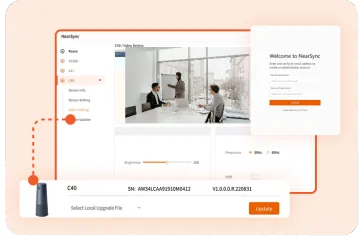
No Installer, No Hassle, Just Works.
Workplace isolation has become a silent productivity killer in the hybrid era, often caused by inadequate hardware that excludes remote participants. This comprehensive guide analyzes why standard tech stacks fail and provides actionable strategies to foster remote employee engagement. Discover how "meeting equity" and advanced tools like the Nearity 360 Alien can transform disconnected avatars into a cohesive, high-performing team.
Key Takeaways
Thorough Preparation: Success starts with prep. Talk to your child and list academic and social questions beforehand to maximize the limited meeting time.
Build a Partnership: View the meeting as a collaboration. Start positively and focus on how you can support the teacher’s efforts at home.
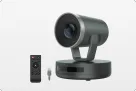
Optimize Remote Experience: Hardware matters for hybrid meetings. The Nearity 360 Alien conference camera ensures clear visuals and audio for an immersive remote experience.
Action and Follow-up: Agree on a concrete plan before leaving, then turn talk into results through thank-you notes and consistent progress monitoring.
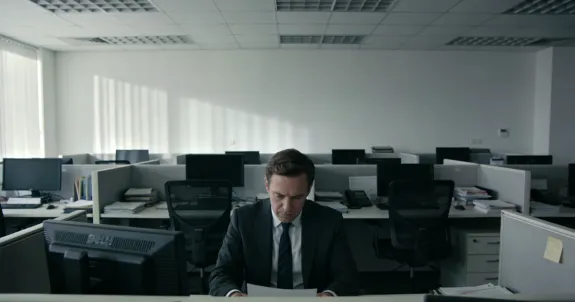
Have you ever logged off a three-hour marathon of video calls only to feel more alone than when you started? You aren’t alone. Despite the "freedom" of the hybrid model, many professionals are falling victim to a silent epidemic: workplace isolation. While we have more communication tools than ever, the quality of our connection is plummeting. If your team feels like a collection of avatars rather than a cohesive unit, the problem might not be your people—it might be the very technology meant to bring you together.
Understanding the Roots of Workplace Isolation in the Hybrid Era
The shift to hybrid work was supposed to give us the best of both worlds. Instead, it created a two-tier system. On one side, you have the "in-office" crowd enjoying spontaneous hallway chats and shared lunches. On the other, remote employees often feel like spectators watching a movie of their own workplace. This discrepancy is the primary driver of workplace isolation.
According to the2023 State of Remote Work report by Buffer, one of the biggest struggles for remote workers remains loneliness and the inability to unplug. When you can't read the room or hear the side-conversations during a meeting, you naturally begin to withdraw.
Why standard tools aren't enough:
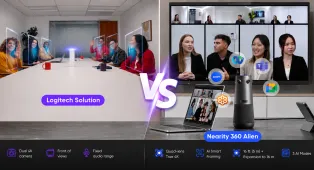
The "Bowling Alley" Effect: Standard cameras placed at the end of a long table make remote participants feel miles away.
Audio Shadowing: If someone at the back of the room speaks, remote workers often miss the nuance or the entire comment.
Lag and Latency: Small delays in audio can lead to remote workers being talked over, discouraging them from contributing.
Lack of Presence: 2D screens fail to replicate the "feeling" of being in a room with colleagues.
The Hidden Costs of Workplace Isolation on Employee Retention
Ignoring the signs of workplace isolation is a recipe for high turnover. When employees feel disconnected, their "organizational glue"—the social bonds that keep them at a company during tough times—starts to dissolve.
High-performing tech talent, in particular, values culture as much as compensation. If their primary interaction with your brand is a glitchy video feed and a series of "Can you hear me now?" moments, they will eventually look for a company that prioritizes remote employee engagement.
The domino effect of isolation:
Reduced Collaboration: Isolated workers are less likely to share "half-baked" ideas that lead to innovation.
Erosion of Trust: Without face-to-face interaction, it’s easier to misinterpret the tone of a Slack message or email.
Mental Health Decline: Chronic isolation is linked to burnout, anxiety, and decreased job satisfaction.
Quiet Quitting: Disconnected employees often do the bare minimum because they don't feel like they belong to a larger mission.
Why Your Current Tech Stack is Failing Your Remote Teams
Most companies "solved" the remote work problem by throwing software at it. We have Zoom, Teams, Slack, and Trello. But software is only half the battle. If the hardware in your physical office is outdated, your hybrid strategy is fundamentally broken.
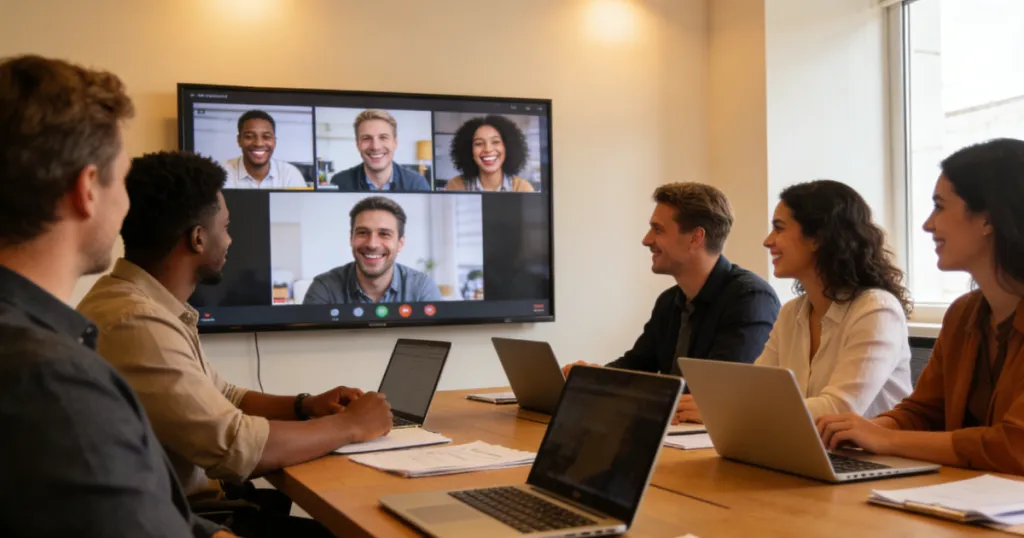
If you are looking for meeting room solutions, you have to think about the "equity" of the experience. Meeting equity means that every participant, whether in the boardroom or the bedroom, has an equal seat at the table.
Common hardware failures:
Fixed-Angle Cameras: They only show one person or a wide, unhelpful shot of the whole room.
Poor Microphones: Built-in laptop mics pick up keyboard typing but muffle voices.
Single-Screen Setups: It’s impossible to see the presentation and the faces of your team at the same time.
Complicated UX: If it takes 10 minutes to start a meeting, the remote team is already frustrated before the first slide.
Overcoming Workplace Isolation with Physical-Digital Integration
To truly fight workplace isolation, we must move beyond "video conferencing" and toward "telepresence." This requires a shift in how we view the physical office. It is no longer just a place to sit; it is a hub for broadcast and collaboration.
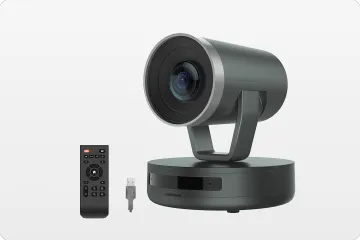
Investing in the best conference room camera is a critical first step. You need technology that tracks the speaker, captures 360-degree views, and ensures that body language—a key part of human communication—isn't lost in translation.
Strategies for better integration:
Default to Video: Encourage cameras-on policies, but ensure the hardware makes people look and feel good.
Spatial Audio: Use systems that make the voice sound like it's coming from the person's location on the screen.
AI-Powered Tracking: Cameras that automatically "zoom" into the person speaking help remote workers follow the conversation naturally.
Bridging the Gap: How the Nearity 360 Alien Solves Hybrid Friction
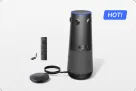
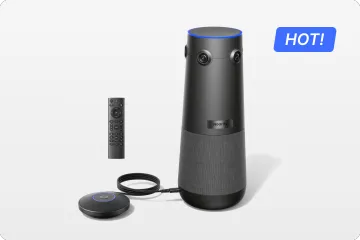
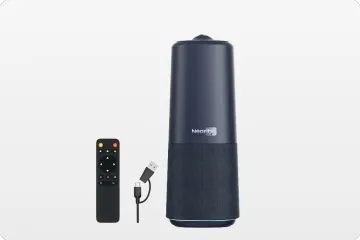
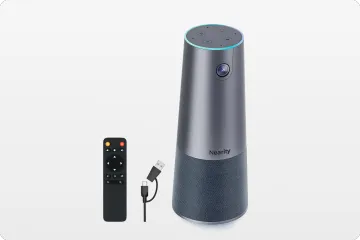
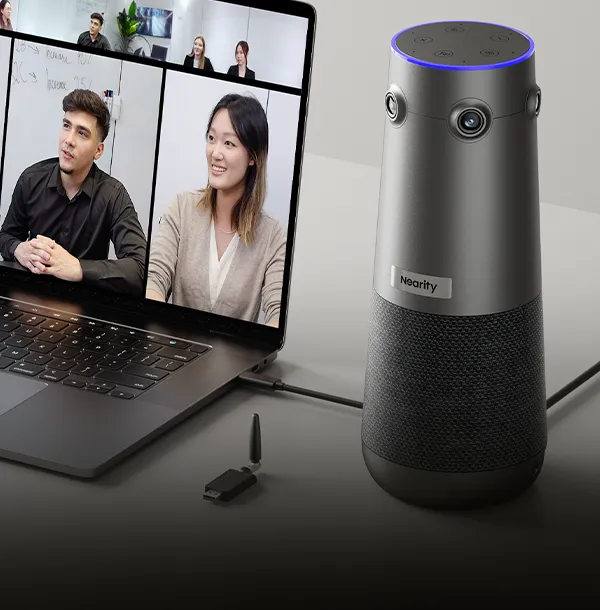
At NearHub, we realized that the "standard" webcam was the enemy of connection. That’s why we developed the Nearity 360 Alien. This isn't just a camera; it’s an engagement engine designed specifically to kill the feeling of being "left out."
The 360 Alien addresses the core pain points of hybrid work by placing the remote worker in the center of the room. Here is how it solves the isolation problem:
Feature
Impact on Workplace Isolation
360° 4K Panorama
Remote users see everyone in the room simultaneously; no one is "hidden."
AI Speaker Tracking
The camera automatically focuses on the person talking, replicating natural eye contact.
8-Mic Array
Captures crystal-clear audio from up to 15 feet away, ensuring every voice is heard.
Plug-and-Play
Eliminates the technical "friction" that causes meeting fatigue and frustration.
By using the Nearity 360 Alien, you're telling your remote employees that their presence matters. You aren't just letting them "watch" a meeting; you are inviting them to participate in it.
Creative Remote Team Building Ideas That Actually Work
Tech is the foundation, but culture is the skyscraper. To supplement your hardware, you need consistent remote team building ideas that don't feel forced or "cringe."
Try these engagement tactics:
Virtual Coffee Roulette: Use an app to pair random team members for a 15-minute non-work chat every week.
The "Un-Meeting": A 30-minute block where work talk is banned, and the focus is on hobbies, pets, or life updates.
Async Challenges: Start a "photo of the week" thread in Slack (e.g., "Show us your desk setup" or "Worst lunch attempt").
Skill Sharing: Let a team member teach a 20-minute "masterclass" on something they love, from sourdough baking to Excel macros.
Strategies to Boost Remote Employee Engagement
Boosting engagement isn't a one-time event; it's a daily practice. It requires leaders to be intentional about "checking in" rather than just "checking up."
The "Remote-First" Meeting Rule: If even one person is remote, everyone joins from their own laptop (even those in the office) to level the playing field.
Recognition Rituals: Use the first 5 minutes of every meeting to shout out a win from a remote colleague.
Home Office Stipends: Empower your team to build a workspace they actually enjoy spending time in.
Transparent Documentation: Ensure all decisions made in hallway chats are documented in public channels immediately.
The Future of the Hybrid Workplace
The companies that will win the "War for Talent" in the next decade are those that master the art of the hybrid experience. Workplace isolation is a choice—a choice to stick with "good enough" technology rather than investing in tools that humanize the digital space.
When you bridge the gap with high-fidelity audio and video, you don't just improve productivity; you improve lives. You reduce the mental load on your employees and create a culture where distance is just a number, not a barrier to belonging.
FAQs
Q: How do I know if my team is suffering from workplace isolation?
A: Look for signs like reduced participation in meetings, a drop in "extra-role" behaviors (like helping others), and employees being less likely to turn on their cameras or engage in social channels.
Q: Can software alone solve the isolation problem?
A: No. While Slack and Zoom are essential, poor hardware creates a "friction" that software cannot overcome. High-quality hardware like the NearHub 360 Alien is required for a truly immersive experience.
Q: What are the best remote team building ideas for small budgets?
A: Focus on "asynchronous" activities. Shared playlists, "question of the day" prompts in Slack, and virtual gaming sessions (using free browser games) are highly effective and cost nothing.
Q: How does the Nearity 360 Alien compare to a standard wide-angle webcam?
A: A standard webcam offers a distorted "fish-eye" view or a narrow crop. The 360 Alien uses AI to intelligently stitch together a panorama while simultaneously highlighting the active speaker in 4K resolution.
Q: Is "meeting equity" really that important for ROI?
A: Absolutely. Companies with high employee engagement see 21% higher profitability. Reducing isolation directly correlates to higher retention and lower recruitment costs.
Conclusion
Fighting workplace isolation requires a two-pronged approach: a culture of intentionality and a tech stack that supports it. You cannot expect a remote employee to feel like a "part of the team" if they are struggling to hear or see what is happening in the physical room. By prioritizing the human element of technology, you build a resilient, innovative, and happy workforce.
Investing in your hybrid setup isn't just a capital expense; it's an investment in your company's social fabric. Whether it's through better meeting protocols or superior hardware, the goal is the same: making sure everyone feels seen, heard, and valued.