



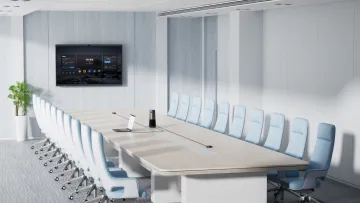
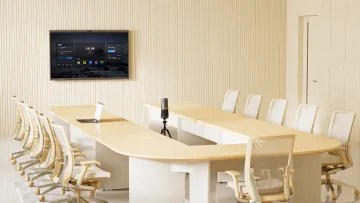
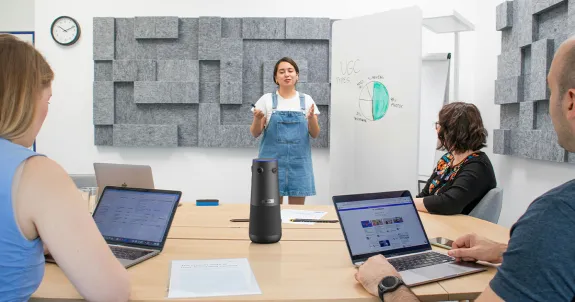
The Rise of Hybrid Collaboration in Commercial Interior Design
Hybrid collaboration has become a standard practice in commercial interior design. What was once dominated by in-person meetings and on-site walkthroughs is now increasingly driven by remote communication, making video a core part of the client experience.
According to McKinsey & Company, hybrid work remains one of the most preferred models in knowledge-based industries, especially in creative fields. As design firms work more frequently with remote clients, investors, and multi-city stakeholders, the challenge becomes clear: how to communicate spatial experience without losing design accuracy.
In this context, video meetings are no longer just functional—they directly shape how clients perceive design quality, materials, lighting, and spatial intent.
Why Video Clarity Matters in Design Communication
Research from Forrester Consulting shows that high-quality video collaboration improves engagement, communication efficiency, and decision-making in remote meetings.
In many cases, clients subconsciously associate the quality of a firm's presentations — including the appearance of the studio itself — with the firm's overall design capability and the quality of its finished projects. A clear and natural video feed helps accurately convey atmosphere, materials, and lighting—elements that define spatial experience. When these details are lost or distorted, the designer's intent becomes harder to communicate, weakening client confidence and design alignment.
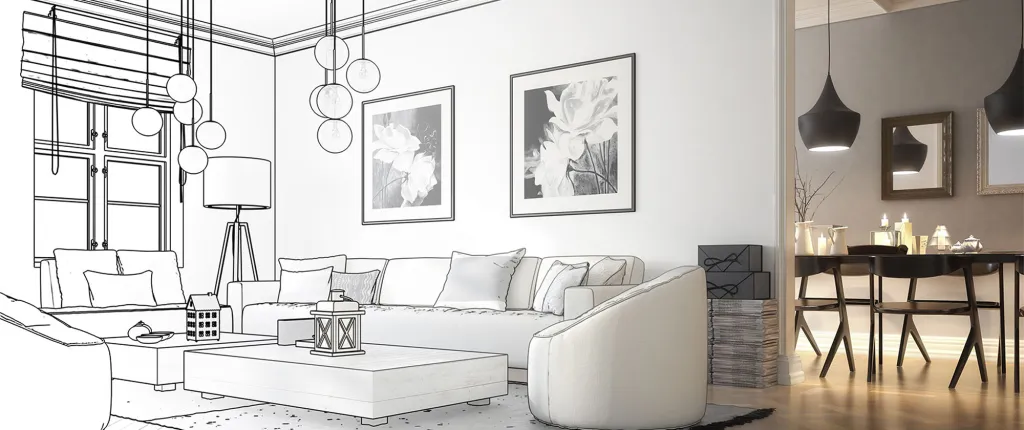
The Problem with Unclear and Distorted Video
Most conferencing systems rely on either narrow-angle lenses or fisheye-style panoramic cameras, but both approaches introduce limitations for hybrid collaboration.
Limited-view cameras often fail to capture the full team and workspace, forcing constant repositioning and interrupting the natural flow of discussion. Fisheye cameras, such as Owl Labs, are a common alternative because of their wider field of view, yet they can also introduce noticeable distortion in spatial lines and proportions—something particularly problematic in interior design, where accurate representation of space, materials, and atmosphere is essential.
Before adopting the 360 Alien, the Z design company relied on a conferencing system with a fisheye 360° lens. While it provided full-room coverage, the team found that the distorted visual presentation created several challenges in their hybrid communication workflow.
Studio representation became a branding problem. As a commercial interior design firm, the studio itself is part of the client experience. While fisheye cameras could capture the entire space, the visual result often felt unnatural and distorted. Custom design elements no longer appeared the way they were intended to.
Our meeting room has a custom asymmetrical light fixture,” the team explained. “But through the fisheye lens, it looked completely different — almost like we had randomly installed a crooked metal bar in the middle of the room.
For a design studio, where aesthetics directly influence client perception, this created a disconnect between the company’s real design quality and how it appeared during online meetings.
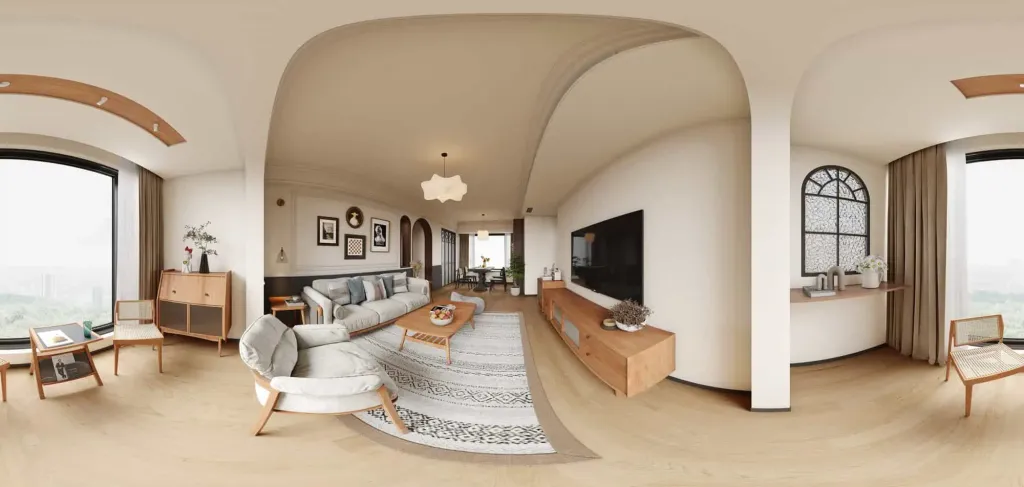
Material and texture presentation also became a major challenge. During hybrid meetings, the team frequently needed to present colors, finishes, and material textures to clients, but the previous camera system lacked the clarity needed to accurately capture subtle visual differences. In interior design, different materials can completely change the atmosphere and storytelling of a space. When clients could not clearly distinguish those differences remotely, decision-making became slower and less confident.
As a result, the team often needed to ship physical samples to remote clients, increasing both project costs and communication delays. Ironically, while hybrid collaboration initially helped the company expand its client base geographically, the limitations of its conferencing equipment gradually became an obstacle to efficient collaboration.
The meeting experience itself also felt less natural. The fisheye lens distorted both spatial proportions and participants’ appearances, making conversations feel less immersive and less personal. For a company trying to recreate the feeling of face-to-face communication in hybrid meetings, this became a significant concern.
Why a 4K Multi-Camera System Makes the Difference
To solve the limitations created by fisheye-based conferencing systems, the Z design company began looking for a hybrid meeting solution that could provide both full-room coverage and accurate visual representation. As a studio specializing in organic modern restaurant interiors, the company places strong emphasis on concept quality, client experience, and refined project delivery. Maintaining the same design standards during remote collaboration was therefore essential to preserving their brand identity.
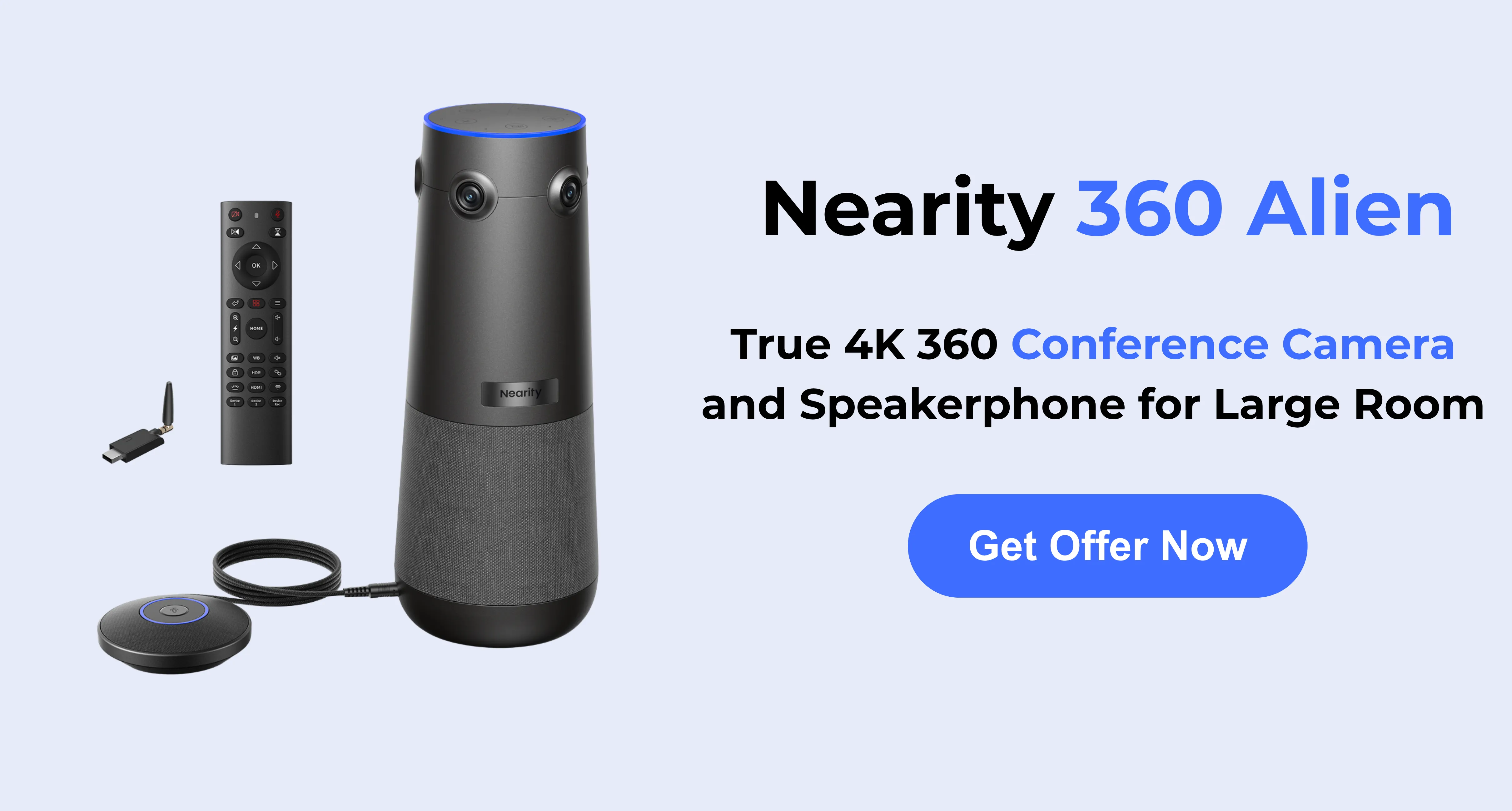
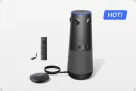
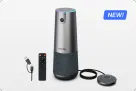
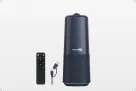
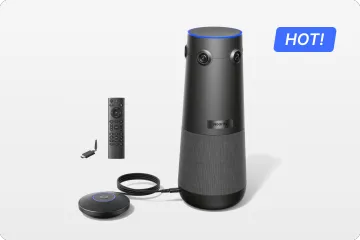
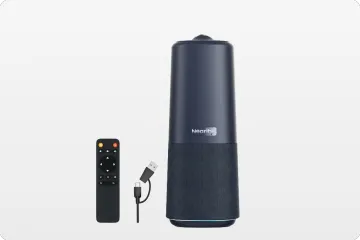
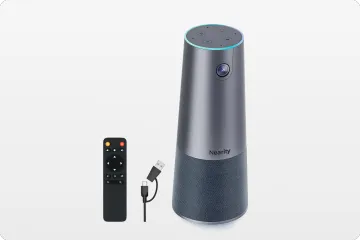
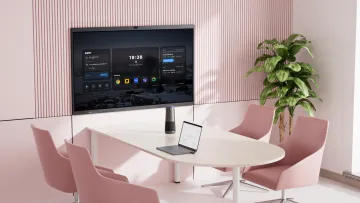
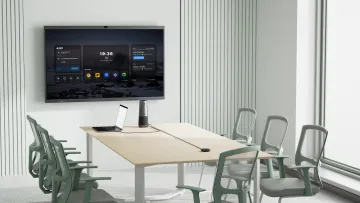
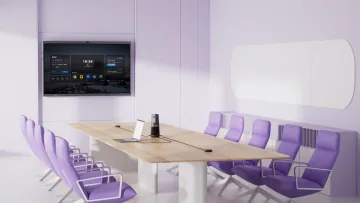
After evaluating different hybrid meeting solutions, the team chose the Nearity 360 Alien because of its multi-camera array design. Instead of relying on a single fisheye lens, the system uses multiple cameras to create a panoramic meeting experience while maintaining more natural spatial representation. The 4K imaging quality also allowed the team to present materials, lighting, textures, and studio environments more accurately during remote meetings.
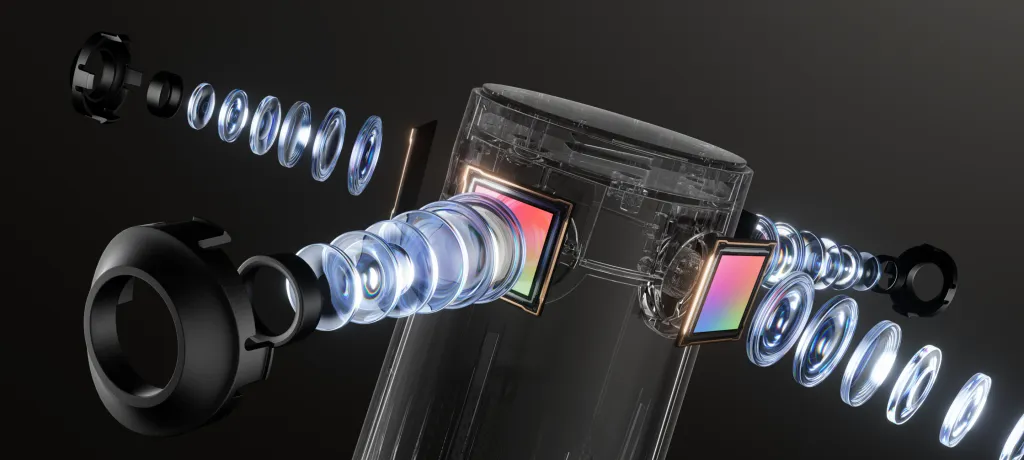
Better Communication Across the Entire Project Lifecycle. The impact became visible throughout the entire project lifecycle. During early-stage concept discussions and client presentations, the 360 Alien helped remote participants feel more engaged and immersed through high-definition video and intelligent speaker tracking. The company was also able to communicate more directly with stakeholders, reducing misunderstandings and improving decision-making efficiency during design reviews.
The benefits continued during construction and installation phases. Previously, photo-based updates often led clients to misinterpret spatial details, resulting in unnecessary revision requests that were later reversed after on-site visits. With live walkthroughs powered by the 360 Alien, clients could experience spaces more realistically during remote updates, helping reduce communication gaps and improve project efficiency.
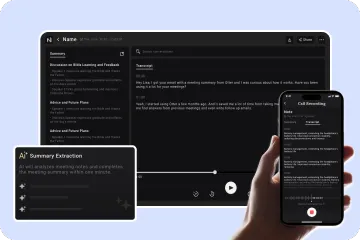
Unexpected Benefits for Creative Workflows. The team also discovered unexpected workflow advantages internally. By leaving the device active during brainstorming sessions, designers could capture spontaneous ideas without interrupting creative flow, while the system’s clear audio pickup improved the accuracy of AI-generated meeting notes.
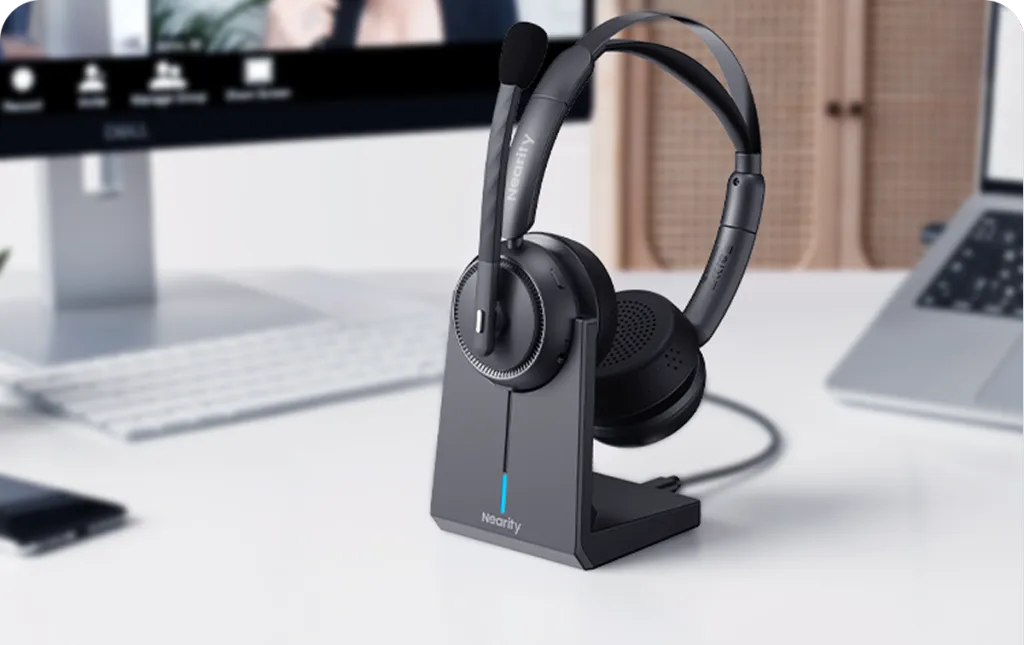
A Simpler Alternative to Complex Systems. Another important factor was simplicity. Unlike traditional enterprise conferencing ecosystems that often require multiple devices and complicated setup, the 360 Alien provided an all-in-one solution that delivered professional-quality performance without adding operational complexity.
In today's hybrid interior design workflows, clarity in communication is as important as clarity in design. A simple, all-in-one video solution, Nearity 360 Alien ensures that great ideas are seen, understood, and experienced exactly as they were intended.
FAQs
Why is clear video important for interior design collaboration?
Clients would subconsciously associate the quality of a firm's presentations with the firm's overall design capability and the quality of its finished projects. Clear and undistorted video helps clients better understand the designer’s intent and reduces inconsistencies between remote presentations and on-site experiences.
What makes the Nearity 360 Alien different from traditional conference cameras?
Unlike traditional conference cameras that rely on narrow-angle or fisheye lenses, the Nearity 360 Alien uses a multi-camera array system to provide full-room coverage with more natural spatial representation and less visual distortion.
Does the 360 Alien support AI audio enhancement?
Yes. The device combines a 6-microphone array with ProperClean™ 2.0 AI audio technology to reduce background noise, suppress echo, and minimize resonance. It also uses Automatic Gain Control (AGC) to balance voice levels across different seating positions, ensuring that participants are heard clearly even in larger rooms.
Is the 360 Alien difficult to install or configure?
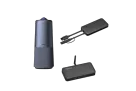
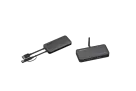
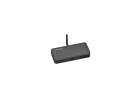
No. The system is designed as a plug-and-play all-in-one conferencing solution. Users can connect through USB or the optional wireless dongle without requiring additional software installation or complicated AV configuration. This makes it especially suitable for teams that want professional hybrid meeting quality without complex enterprise conferencing infrastructure.