What is Telecommuting? How to Use Remote Working Technology to Work from Home
This article explains the evolution of how we telecommute and provides a tactical guide to mastering remote working technology and tools for a productive home office.
remote working technology
remote working tools
conference camera
Updated: Aug 19, 2026 · 12 minutes read
Global Business, Brought Near.
No Installer, No Hassle, Just Works.
As the modern workspace shifts towards flexibility, understanding what it means to telecommute is essential for career success. This article explores the core pillars of remote work, from defining your infrastructure to choosing the right remote working technology. Learn how to optimize your productivity using professional tools and hardware like NearHub, ensuring you stay connected, professional, and balanced in the evolving digital economy of 2026.
Key Takeaways
Understand the Definition: Master what does telecommute mean and how it differs from general remote work in a corporate context.
Essential Tech Stack: Identify the critical remote working technology and software required to maintain professional standards.
Blueprint for Success: Follow a step-by-step guide to building an ergonomic and high-performing remote work setup.
Overcoming Isolation: Use advanced 4K and 360-degree hardware from NearHub to break the "digital wall" and stay connected.
Healthy Boundaries: Establish physical rituals and "log-off" times to prevent burnout while working from home.
Imagine waking up at 7:30 AM, not to the blaring sound of an alarm and the dread of a two-hour commute through gridlocked traffic, but to the smell of fresh coffee in your own kitchen. You walk ten steps to your desk, flip a switch, and you're at work. This isn't a vacation—it's the reality for millions of Americans who telecommute.
However, making the transition from a traditional office to a digital one isn't just about staying in your pajamas. It requires a specific set of skills and, more importantly, the right remote working technology. Whether you are a freelancer, a corporate employee, or a business owner, this article helps you to mastering the art of the modern workspace.
In this guide, we will break down what does telecommute mean, explore the essential remote working tools you need to stay productive, and show you exactly how to build a world-class remote work setup.
What is Telecommuting?
To start, we need to answer the fundamental question: what does telecommute mean? Telecommuting is a work arrangement in which employees do not commute or travel to a central place of work, such as an office building, warehouse, or store. Instead, they use remote working technology to perform their duties from home, a co-working space, or any location with a stable internet connection.
While the terms "remote work" and "telecommuting" are often used interchangeably, "telecommute" specifically implies that the employee is still connected to a local or regional office but is using telecommunications to "bridge" the distance.
The Core Pillars of Telecommuting
Location Flexibility: Work from anywhere that supports high-speed internet.
Digital Communication: Replacing face-to-face meetings with video calls and instant messaging.
Result-Oriented Work: Shifting the focus from "hours at a desk" to "milestones achieved."
Technology Reliance: Dependency on hardware like a high-quality webcam and speaker to maintain professional presence.
Why Companies and Employees Choose to Telecommute
According to a recent study by Gallup, over 50% of the US workforce currently occupies roles that are "remote-capable." The shift isn't just a trend; it's a structural change in the American economy.
Benefits for Employees
Work-Life Balance: Gain back hours previously lost to commuting.
Cost Savings: Save money on gas, car maintenance, professional wardrobes, and expensive city lunches.
Custom Environment: Design a workspace that caters to your specific productivity needs.
Benefits for Employers
Reduced Overhead: Lower costs for office rent, utilities, and furniture.
Access to Global Talent: Hire the best person for the job, regardless of their zip code.
Higher Retention: Employees with flexible work options report higher job satisfaction.
The Essential Remote Working Technology Stack
To telecommute effectively, you cannot rely on a 5-year-old laptop and a spotty Wi-Fi connection. You need a robust "Tech Stack." This refers to the combination of software and hardware that facilitates your daily operations.
Software Categories for Success
Communication Tools: Slack, Microsoft Teams, or Discord for real-time chat.
Video Conferencing: Zoom, Google Meet, or NearHub's integrated solutions for face-to-face interaction.
Project Management: Asana, Trello, or Monday.com to track deadlines.
Cloud Storage: Google Drive or Dropbox for seamless file sharing.
Hardware Essentials
High-Speed Internet: A minimum of 50 Mbps download/upload speed for video streaming.
Ergonomic Furniture: A chair that supports your spine during 8-hour shifts.
How to Telecommute: A Step-by-Step Success Blueprint
Transitioning to a remote role requires a tactical approach. Follow these steps to ensure you don't just "work from home," but excel at it.
Step 1: Define Your Workspace
Don't work from your bed. Your brain needs a physical boundary between "rest mode" and "work mode." Set up a dedicated desk in a quiet area.
Step 2: Invest in Your Infrastructure
Your remote work setup is your lifeline. Ensure you have:
Dual monitors for increased multitasking.
A reliable noise-canceling headset.
A professional 4K webcam to ensure you are seen in high definition during every call.
Step 3: Master Your Digital Calendar
In a telecommute environment, if it isn't on the calendar, it doesn't exist. Schedule your deep-work blocks, your lunch, and even your "commute" (a morning walk) to maintain structure.
Step 4: Over-Communicate
When you aren't in the office, people can't see you working. Use remote working tools to provide status updates frequently.
Send an "I'm online" message in the morning.
Update your Slack status when you step away for lunch.
Send a "Wrap-up" email at the end of the day.
Maximizing Productivity with the Best Remote Working Tools
Efficiency in a telecommute setup is driven by the quality of your tools. Here is a comparison of the most popular platforms used in the US today:
Tool Category
Top Recommendations
Best For
Video Conferencing
Zoom, Microsoft Teams
Large-scale webinars and corporate meetings.
Project Management
Trello, ClickUp
Organizing complex tasks and visual workflows.
Real-time Chat
Slack, Google Chat
Quick questions and reducing "email fatigue."
Hardware/Collaboration
NearHub
High-end visual collaboration and 4K conferencing.
Document Editing
Notion, Google Docs
Collaborative writing and internal wikis.
Overcoming Common Challenges of Telecommuting
Even with the best remote working tools, you will face hurdles. Here is how to navigate them using advanced remote working technology:
Challenge 1: Isolation and the "Second-Class Citizen" Feeling
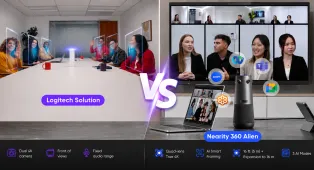
The Problem: When you telecommute, you often feel like a spectator. Standard meeting room cameras provide a narrow, flat view of your colleagues, making it impossible for you to see the room's energy or the reactions of everyone at the table.
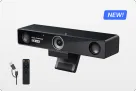
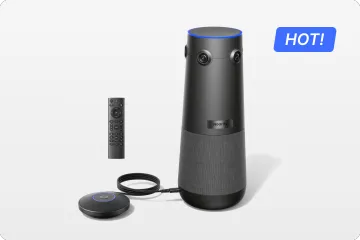
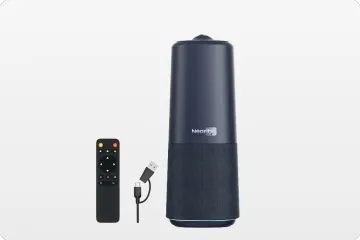
The Fix: True immersion starts with the technology in the physical office. When your office-based team uses the Nearity 360 Alien, the experience for you at home is transformed. You receive a 360-degree 4K panoramic view of the entire room. You can see everyone clearly, and the AI-driven speaker tracking ensures you are always looking at whoever is talking. This allows you to feel immersive, as if you have a front-row seat at the table.
Challenge 2: Audio Straining and Meeting Fatigue
The Problem: Straining to hear a colleague who is sitting at the far end of an office conference table is exhausting. For a remote worker, poor audio clarity is the quickest path to miscommunication and frustration.
The Fix: To be effective, you must be able to hear and see clearly. By deploying the Nearity 360 Alien in the office, your team leverages its professional-grade 4-element microphone array with AI noise reduction. This beams crystal-clear audio directly to your home office, filtering out room echoes and chatter. When the sound is this crisp, the "digital wall" disappears, making your telecommute interactions feel natural and effortless.
Challenge 3: The "Always On" Trap and Mental Burnout
The Problem: Burnout often happens because remote workers exert twice the "cognitive energy" just to follow poor-quality video calls. When you're constantly struggling to decode muffled voices, it's harder to mentally "clock out" at the end of the day.
The Fix: Utilizing world-class remote working technology actually reduces daily fatigue. When the office-to-home connection is seamless—thanks to the high-performance visuals and audio of the Nearity 360 Alien—meetings are more efficient and less draining. Because you are more engaged and less exhausted, it becomes much easier to maintain a healthy work-life balance. When the clock strikes 5:00 PM, you can close your laptop with the satisfaction of a productive, high-clarity day, allowing you to transition into your personal time without "digital residue."
The Future of Telecommuting: Trends for 2026 and Beyond
As we look toward the future, the technology used to telecommute will become even more immersive. We are seeing a shift toward:
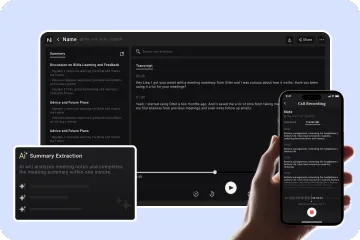
AI-Enhanced Meetings: Tools that automatically summarize meetings and assign action items.
Virtual Reality (VR) Offices: "Walking" into a digital office to collaborate with 3D avatars of your coworkers.
Hybrid Synchronization: Technology that ensures people in the office and people at home have an equal "seat at the table."
FAQ: Common Questions About Telecommuting
Q1: What does telecommute mean exactly vs. working from home?
Telecommuting usually implies an employee works for a specific company with an office they could visit, whereas working from home is a broader term that includes freelancers and business owners.
Q2: Is a special internet connection required for remote working technology?
While a standard connection works, for professional video conferencing, a fiber-optic or high-speed cable connection is highly recommended to avoid lag.
Q3: What are the most essential remote working tools for beginners?
Start with a project management tool (Trello), a communication app (Slack), and a high-quality video solution (Zoom or NearHub hardware).
Q4: How can I make my remote work setup more ergonomic?
Ensure your monitor is at eye level, your feet are flat on the floor, and you use a dedicated mouse and keyboard rather than a laptop trackpad.
Q5: Can I telecommute from a different country?
This depends on your company's policy and local tax laws. Many "digital nomads" do this, but it requires careful planning regarding time zones and legal compliance.
Conclusion: Embracing the Digital Work Revolution
The ability to telecommute is one of the greatest shifts in work culture since the Industrial Revolution. By understanding what does telecommute mean and arming yourself with the right remote working technology, you aren't just changing your location—you're upgrading your lifestyle.
Success in this environment is a blend of discipline, communication, and the right infrastructure. From setting up your first remote work setup to mastering complex remote working tools, the journey is continuous. As you refine your process, you will find that your productivity increases, your stress decreases, and your career opportunities expand beyond the limits of your local geography.
Looking for a reliable way to level up your professional presence while you telecommute? High-quality audio and video are non-negotiable in 2026. Check out our Nearity 360 Alien here: https://www.nearhub.us/product/true-4k-conference-camera-360-alien for a truly immersive meeting experience.