How to Study the Bible Effectively: 7 Essential Tools for 2026
This article explains the best way to read the bible by combining traditional study methods with modern tools like NearHub technology for a deeper, more connected spiritual experience.
how to study the bible effectively
zoom bible study
conference camera
Updated: Aug 19, 2026 · 12 minutes read
Global Business, Brought Near.
No Installer, No Hassle, Just Works.
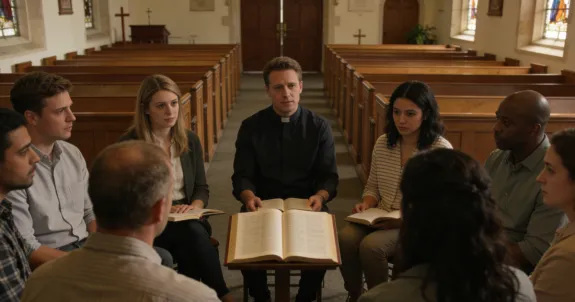
In 2026, finding the best way to read the bible requires blending ancient disciplines with modern technology. This guide explores seven essential tools for effective spiritual growth, ranging from choosing the right study Bible and utilizing the S.O.A.P. journaling method to leveraging digital resources. It specifically highlights how NearHub conference cameras bridge the gap in hybrid fellowships, transforming remote sessions into vibrant, connected communities.
Key Takeaways
Choose the Right Translation: Select a version like ESV for deep study or NIV for daily reading to match your goals.
Active Journaling: Use the S.O.A.P. method (Scripture, Observation, Application, Prayer) to increase retention and focus.
Enhance Hybrid Groups: Use NearHub conference cameras to ensure remote members feel seen and heard during small group sessions.
Leverage Digital Tools: Utilize apps like Blue Letter Bible and free online ministry classes for deeper theological understanding.
Build Consistency: Stick to a structured reading plan and use accountability partners to maintain your habit.
How to Study the Bible Effectively: 7 Essential Tools for 2026
Have you ever sat down with your Bible, open and ready, only to find your mind wandering five minutes later? You aren't alone. For many believers across the US, the desire to connect with Scripture is real, but the method is missing. We often treat reading the Bible like reading a textbook or a novel, but it requires a different approach entirely.
Finding the best way to read the bible isn't just about discipline; it's about having the right ecosystem of tools to support your spiritual growth. In 2026, our study habits have evolved. We are no longer limited to just a book and a highlighter. We have access to digital libraries, AI-assisted concordances, and—perhaps most importantly—hybrid technology that connects us to believers worldwide.
Whether you are a solo reader looking to go deeper or a small group leader trying to keep your members engaged, this guide covers the essential toolkit you need. We will explore everything from choosing the right translation to utilizing technology like NearHub to bridge the gap in remote fellowships.
Let’s dive into the 7 essential tools that unlock the Bible for modern believers.
Understanding the Best Way to Read the Bible for Spiritual Growth
Before we add tools to your cart, we need to define the goal. What is the best way to read the bible? Is it speed reading through a "Bible in a Year" plan? Is it agonizing over a single verse for an hour?
The "best" way is the one that leads to transformation rather than just information. Effective Bible study involves three key steps: Observation (What does it say?), Interpretation (What does it mean?), and Application (What does it mean for me?).
The Shift from Passive to Active
Many people struggle because they read passively. To study effectively, you must become an active participant.
Ask Questions: Interrogate the text. Who is writing? To whom? Why?
Context is King: Never read a verse in isolation.
Consistency over Intensity: It is better to study for 15 minutes every day than for 3 hours once a month.
In 2026, the best way to read the bible involves blending ancient practices with modern accessibility. The following tools are designed to facilitate this blend.
Tool 1: The Foundation – Choosing the Right Study Bible
The first tool in your arsenal must be a reliable Study Bible. While a standard Bible gives you the text, a Study Bible provides the historical context, cross-references, and linguistic notes necessary for deep understanding.
Translation Matters
To determine the best way to read the bible for you, you must pick a translation that balances accuracy with readability.
Translation
Type
Best For
Description
ESV (English Standard Version)
Word-for-Word
Deep Study
Prioritizes literal accuracy to the original Greek and Hebrew. Excellent for theology.
NIV (New International Version)
Thought-for-Thought
Daily Reading
Balances accuracy with smooth English phrasing. The most popular choice in the US.
NLT (New Living Translation)
Paraphrase/Thought
Beginners
Focuses on conveying the emotional impact and meaning in modern language.
NASB (New American Standard)
Word-for-Word
Academic Study
extremely literal; can be "wooden" to read but great for word studies.
Why You Need a Physical Copy
In a digital age, we still recommend starting with a physical book. It eliminates distractions—no notifications, no emails, just the text. A good Study Bible (like the ESV Study Bible or the NIV Life Application Bible) acts as a mentor sitting next to you, offering explanations for difficult passages immediately.
Tool 2: Digital Convenience – Top Bible Apps for 2026
While a physical Bible is great for focus, the best way to read the bible on the go is undeniably through an app. Bible apps have transformed from simple text readers into massive libraries of resources.
The Powerhouses
YouVersion: Known for its social features and thousands of reading plans. It’s perfect for building a habit.
Blue Letter Bible: This is for the serious student. It allows you to tap on a word and see the original Greek/Hebrew definition (Strong’s Concordance) instantly.
Logos Bible Software: A premium option that connects thousands of commentaries.
How to Use Apps Effectively
Don't just scroll. Use the audio features. Hearing the Word spoken can help you catch themes you might miss when reading silently. Many users find that listening to Scripture while commuting is the best way to read the bible during a busy week.
Tool 3: Community Connection – The Modern Conference Camera
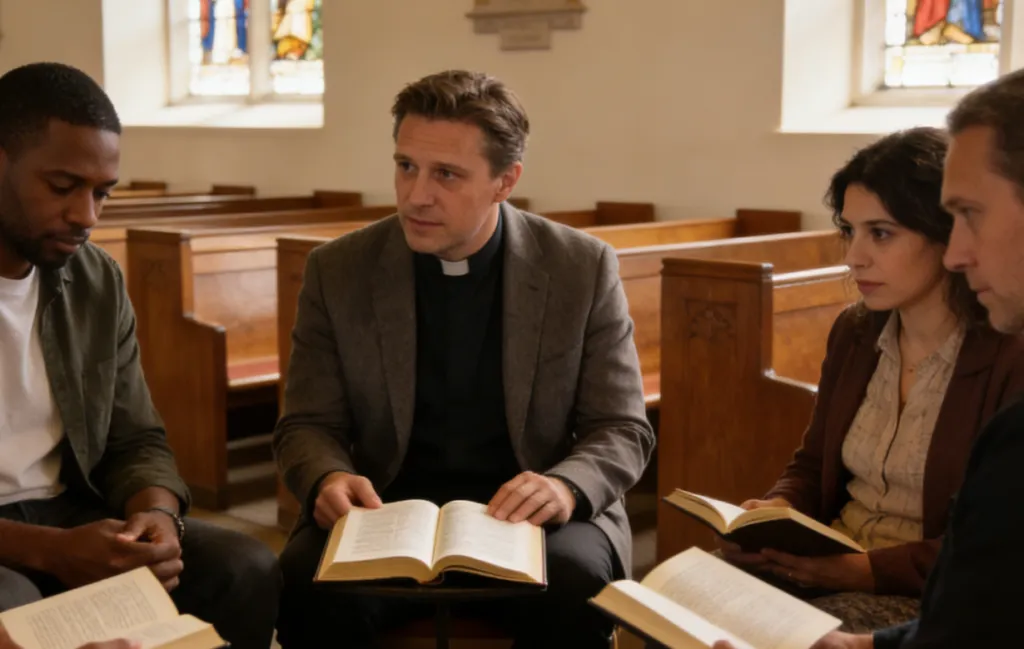
This might seem like an outlier in a list of Bible study tools, but hear us out. The Christian faith is inherently communal. You cannot fully understand Scripture in a vacuum; you need the insights, challenges, and encouragement of others.
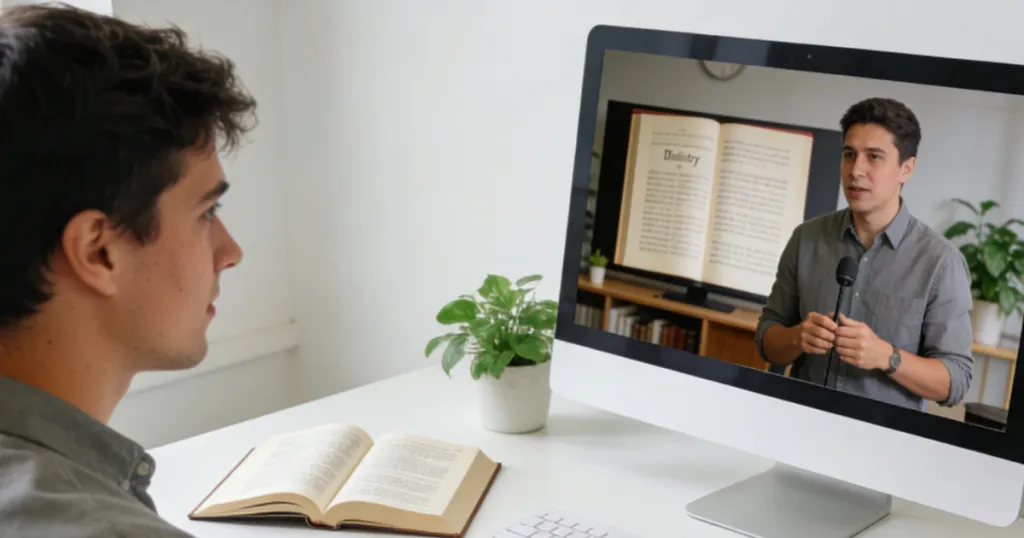
However, in 2026, many of us attend online bible study groups zoom or participate in hybrid small groups where half the people are in the living room and half are on a screen.
The Problem with Remote Bible Study
We have all been there: You are trying to discuss a deep theological point via Zoom, but:
The audio cuts out.
You can't see the people in the room because they are huddled around a single laptop webcam.
The connection feels cold and distant.
If you can't hear or see your small group clearly, you disengage. And if you disengage, you aren't studying effectively.
The Solution: Professional Connection
To facilitate the best way to read the bible in a group setting, you need technology that makes the technology disappear. This is where NearHub comes in.
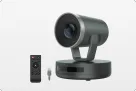
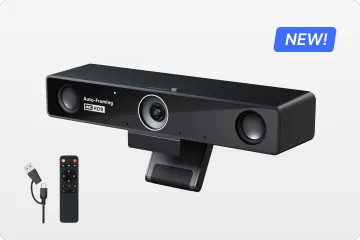
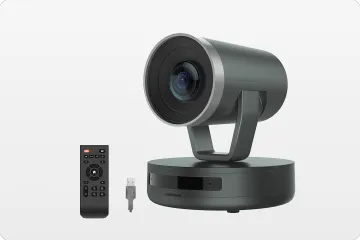
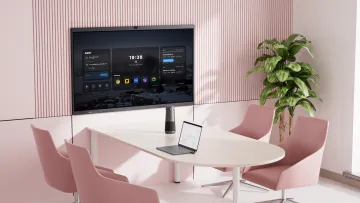
Upgrading your small group setup with the best conference room camera ensures that every member, remote or present, feels seen and heard.
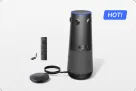
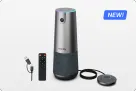
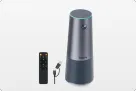
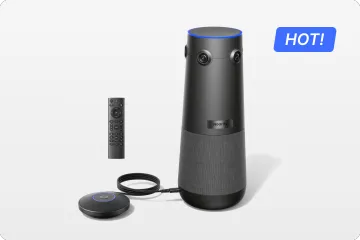
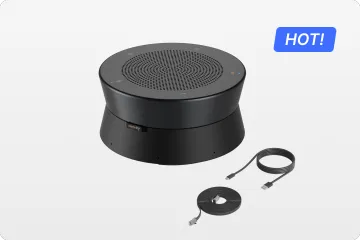
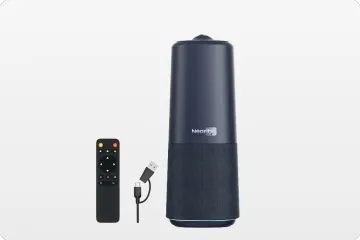
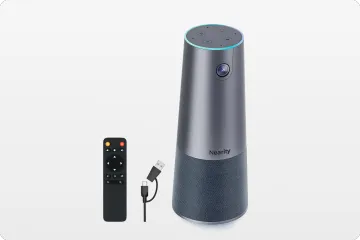
360-Degree Views: Devices like the NearHub products can sit in the center of a coffee table and capture everyone in the room. This means remote participants see the face of the person speaking, not just a wide angle of the wall.
AI Speaker Tracking: When someone shares a prayer request or an insight, the camera focuses on them. This restores the non-verbal cues crucial for empathy and understanding.
Crystal Clear Audio: You need to hear the quiet confession as clearly as the loud proclamation.
For church leaders and small group hosts, investing in conference room cameras is an investment in the spiritual health of your community. It transforms a frustrating zoom bible study into a vibrant, life-giving fellowship.
Tool 4: Retention – The Art of Bible Journaling
If you read without recording, you will likely forget 90% of what you consumed within 24 hours. The best way to read the bible for retention is to write it down.
The S.O.A.P. Method
You don't need to be an artist. You just need a notebook and a pen. We recommend the S.O.A.P. method:
S - Scripture: Write out the verse that spoke to you.
O - Observation: What do you see? Who is there? What is the tone?
A - Application: How does this apply to your life today?
P - Prayer: Write a prayer asking God to help you apply this truth.
Analog vs. Digital Notes
While apps like Notion or Evernote are fantastic for searchability, there is a cognitive connection between the hand and the brain. Writing out Scripture by hand slows you down, forcing you to meditate on every word.
Tool 5: Deep Dive – Commentaries and Concordances
Once you have done your own observation, it is time to consult the experts. This is what separates "reading" from "studying."
Why You Need Outside Voices
The Bible was written thousands of years ago in cultures vastly different from modern America. A commentary bridges that gap. It explains that a "shepherd" in ancient Israel isn't just a guy with sheep; it’s a symbol of authority, protection, and sacrifice.
Concordances: These act as an index. If you want to study the word "Love," a concordance shows you every time it appears in the Bible and the original word used (e.g., Agape vs. Phileo).
Commentaries: These are verse-by-verse explanations written by scholars.
Free Options: Many free online ministry classes provide access to these scholarly resources without the heavy price tag of a seminary library.
Using these tools ensures your interpretation aligns with historical orthodoxy, which is a crucial guardrail in the best way to read the bible.
You don't need a seminary degree to understand the Bible, but you should learn from those who have one. The internet has democratized theological education.
Where to Look
BiblicalTraining.org: Offers free classes ranging from "New Believer" to "Seminary Level."
The Bible Project: Their videos are world-class for understanding the structure and narrative arc of biblical books.
Coursera / EdX: Many universities offer courses on Biblical history and literature.
Integrating free online ministry classes into your routine gives you a structured framework. It moves you from "random reading" to "systematic learning," which is often the best way to read the bible for long-term growth.
Tool 7: Consistency – Reading Plans and Accountability
The final tool isn't a physical object; it's a system. The best way to read the bible is the way that you will actually stick with.
Types of Plans
Chronological: Read the events in the order they happened (e.g., reading Psalms alongside the life of David).
Topical: Study specific themes like "Anxiety," "Marriage," or "Grace."
MacArthur / Horner Systems: Reading multiple chapters from different genres (Gospels, Wisdom, Prophets) every day to keep things fresh.
The Accountability Factor
This brings us full circle to community. You are 80% more likely to finish a reading plan if you do it with a friend. Whether you meet at a coffee shop or conduct a zoom bible study using your high-definition NearHub setup, having someone ask, "Did you read today?" is invaluable.
Why Technology is Part of the Best Way to Read the Bible Today
Some purists might argue that you only need the Holy Spirit and the text. While true in a fundamental sense, God has always used tools to advance His Word—from papyrus scrolls to the printing press, and now, to digital apps and video conferencing.
To embrace the best way to read the bible in 2026 is to steward these tools well.
We use apps to make the Word accessible anywhere.
We use journals to etch the Word onto our hearts.
We use conference room cameras to ensure that no member of the body of Christ is excluded due to distance.
When you invest in the right tools, you aren't just buying products; you are removing friction. You are removing the friction of "I don't understand this word" (Concordance). You are removing the friction of "I feel alone" (Conference Camera). You are removing the friction of "I'm too busy" (Audio Bibles).
FAQs
What is the absolute best way to read the Bible for a beginner?
Start with the Gospel of John. Use a simple translation like NLT or NIV. Read one chapter a day and use the S.O.A.P. method to write down one thought. Don't try to read Genesis to Revelation immediately.
How can I make my online bible study groups zoom feel more personal?
The key is visibility. Ensure everyone has their camera on. If you have a group gathered in one room, use a 360-degree camera like those from NearHub so remote participants feel like they are sitting in the circle, not watching a TV show.
Is it better to read in the morning or at night?
The best way to read the bible is whenever you are most alert. for many, that is morning before the chaos of the day. For others, it's the quiet of the evening. Consistency matters more than the time of day.
Can I use free online ministry classes to replace church?
No. Classes are for education; church is for worship and community. They supplement each other. You can learn facts online, but you learn discipleship in relationships.
What if I don't understand what I'm reading?
Stop. Pray. Read it in a different translation. If you still don't get it, consult a commentary or ask a mentor. Don't skip over it; wrestle with it.
Conclusion
Finding the best way to read the bible is a lifelong journey. It changes as seasons of life change. Sometimes you need the academic rigor of a study Bible; other times you need the comfort of an audio Psalm.
However, the constants remain: You need the Word, you need the Spirit, and you need the Community.
In 2026, don't let distance or technology barriers keep you from that community. Equip yourself with the right Bible, a solid plan, and if you are leading a group, the right hardware to keep everyone connected.
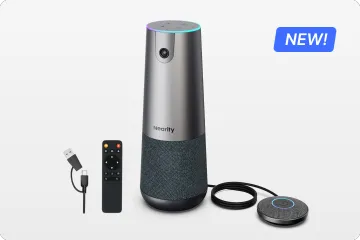
Looking for a reliable best way to read the bible with your hybrid group? Don't let bad video ruin your fellowship. Check out our Nearity 360 Alien here: https://www.nearhub.us/product/true-4k-conference-camera-360-alien and bring your remote members back into the circle.