Top 9 Best Apps to Learn French in 2025 (Free + Paid Options Compared)
This comprehensive blog compares the top 9 best apps to learn French in 2025, focusing on both free and paid solutions for a wide range of learners.
best app to learn french
Updated: Aug 19, 2026 · 8 minutes read
Global Business, Brought Near.
No Installer, No Hassle, Just Works.
Struggling to pick the right app to actually learn French in 2025? This guide ranks the 9 best French-learning apps—from Duolingo to Pimsleur and beyond—based on your goals, whether it’s mastering grammar, learning for travel, or just building a fun daily habit. We’ve compared free vs. paid options and included real-life tips, bonus tools like smart whiteboards, and FAQs to help you study smarter.
😵💫 “Why Am I Still Not Fluent in French After 6 Months on Duolingo?”
If you’ve ever downloaded a French-learning app, gotten excited for the first week, and then dropped off because it didn’t “click”—you’re not alone.
I’ve been there. You want to:
Speak confidently while traveling in France
Understand French movies without subtitles
Pass that language proficiency exam
Maybe even impress someone special 😏
But most apps either throw too much at you too fast… or give you so little structure you don’t know where to start.
That’s why I tested dozens of language-learning tools to find the top 9 best apps to learn French in 2025—including free and paid options, plus how to match the right one to your learning style.
📊 Quick Preview: 9 Best Apps to Learn French in 2025
App Name
Best For
Free Version
Price (Paid)
Offline Access
Score (★)
Duolingo
Beginners & Gamified Learning
✅
$7–13/month
✅
★★★★☆
Babbel
Structured grammar learning
❌ (trial)
$12.95/month
✅
★★★★☆
Pimsleur
Learning through audio conversations
❌ (trial)
$14.95/month
✅
★★★★☆
Busuu
Community + AI corrections
✅
$13.95/month
✅
★★★★☆
LingQ
Learning via reading & listening
✅
$12.99/month
✅
★★★★☆
Rosetta Stone
Immersive visual method
❌ (trial)
$11.99/month
✅
★★★☆☆
Tandem
Conversational practice with natives
✅
Optional Premium
✅
★★★★☆
Drops
Vocabulary memorization
✅
$9.99/month
✅
★★★☆☆
Beelinguapp
Reading bilingual texts
✅
$6.99/month
✅
★★★★☆
🥇 1. Duolingo – Still One of the Best Free Apps to Learn French
🎯 Best for: Beginners, casual learners, and gamified daily practice
You’ve probably already tried it—but for good reason. Duolingo makes learning French feel like playing a mobile game. Short sessions, daily streaks, and a cute owl reminding you to keep going.
I use Duolingo to brush up on vocab before trips or when I have 5 free minutes between meetings.
Pros ✅ Super beginner-friendly ✅ Free version is generous ✅ Offline mode for mobile lessons ✅ Covers reading, writing, speaking, and listening
Cons ❌ Lacks deep grammar explanations ❌ Not great past the B1 level
LSI keywords: free French app, French for beginners, Duolingo travel phrases
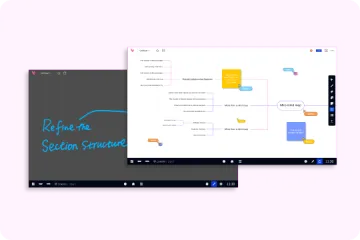
Internal tip: Want to visualize what you're learning with a whiteboard? Try a smart digital whiteboard while practicing vocab with a study partner or tutor over Zoom.
🧠 2. Babbel – Best Structured App to Learn French
📚 Best for: Learners who want structured grammar & dialogues
If Duolingo feels too playful, Babbel is your “grown-up” alternative. Lessons are designed by language teachers and focus on real-life conversations, not just word drills.
It’s the closest thing to a French class on your phone—with grammar explained clearly, step by step.
Pros ✅ Grammar-focused ✅ Great dialogues and pronunciation help ✅ Short, structured lessons ✅ Syncs across devices
Cons ❌ Limited free access ❌ No live tutoring in base version
LSI keywords: best French grammar app, structured French learning, Babbel vs Duolingo
Bonus: Want to go visual? Babbel + a camera whiteboard makes grammar charts and sentence diagrams come alive for visual learners.
🎧 3. Pimsleur – Best App for Speaking French Like a Native
🔊 Best for: Audio learners and travelers
Pimsleur is all about spoken French, teaching you how to listen and respond like a local. No typing or multiple choice—just immersive audio and real conversations.
I used this while commuting. After a month, I felt way more confident speaking than with any other app.
Pros ✅ Perfect for on-the-go learners ✅ Great pronunciation practice ✅ Cultural context is built-in ✅ Available offline
Cons ❌ No free tier (just 7-day trial) ❌ Not ideal for visual learners
LSI keywords: learn French through audio, best French app for travel, offline French lessons
🌍 4. Busuu – Best App for Feedback from Native Speakers
👥 Best for: Real-time correction + social motivation
Busuu combines lessons with a global community. You do exercises, then native French speakers review and correct your answers. It’s like language exchange built right in.
I liked how you’re not just learning from the app—but with real people.
Cons ❌ Some features locked behind Premium ❌ Less gamified
LSI keywords: social language app, AI review system, French writing feedback
📖 5. LingQ – Best App to Learn French by Reading + Listening
📚 Best for: Intermediate learners who love reading
LingQ turns authentic French content (news, podcasts, YouTube videos) into interactive lessons. You learn by consuming real-world French, building vocabulary in context.
I started understanding French podcasts faster thanks to LingQ. It feels natural—not forced.
Pros ✅ Learn from real content ✅ Saves vocab automatically ✅ Perfect for passive learning ✅ Offline access
Cons ❌ Not ideal for total beginners ❌ Interface takes some learning
LSI keywords: learn French from podcasts, French reading app, input-based language learning
🖼️ 6. Rosetta Stone – Best App for Visual Learners
🧩 Best for: Immersive learners who prefer no translations
Rosetta Stone uses image association to teach—no English translations. You think in French from the start, which helps build intuitive understanding.
It’s challenging, but good if you’re committed.
Pros ✅ Strong on pronunciation ✅ Full immersion from the start ✅ Good offline functionality
Cons ❌ No grammar explanations ❌ Repetitive for some learners
LSI keywords: immersive French app, Rosetta Stone for French, visual language learning
🗣️ 7. Tandem – Best App for Practicing with Real People
💬 Best for: Chatting with native speakers worldwide
Tandem connects you with native French speakers who want to learn your language. It’s like a language exchange pen pal—only faster.
I practiced daily conversations with someone from Lyon and learned more slang in 2 weeks than months of class.
Pros ✅ Authentic speaking/writing practice ✅ Built-in correction tools ✅ Free to use
Cons ❌ Not structured lessons ❌ Some profiles inactive
LSI keywords: French language exchange app, French speaking partner, app to talk with French natives
🧠 8. Drops – Best App to Memorize French Vocabulary Fast
🧠 Best for: Visual vocab learning in short bursts
Drops uses fun, visual flashcards to help you learn 1000s of French words fast. Great for travel or brushing up before an exam.
I use it when waiting in line or while brushing my teeth. It’s vocab with zero pressure.
Studying with friends or in a classroom? A meeting room smart board makes collaboration easy and interactive.
❓ FAQs
What is the best free app to learn French?
Duolingo and Drops offer great free versions for beginners. For more structured lessons, Busuu and LingQ also have decent free tiers.
What’s the best app to learn French for travel?
Pimsleur is ideal for travelers—it focuses on real-world phrases and pronunciation. Drops is also helpful for fast vocab.
Are there any apps to talk with French natives?
Yes! Tandem and Busuu both connect you with native French speakers for practice and feedback.
Can I learn French just using apps?
You can get quite far, especially with apps like Pimsleur, Babbel, and LingQ. But pairing them with live speaking practice or visual aids (like smart whiteboards) will accelerate your progress.
🎯 Final Thoughts
There’s no one-size-fits-all “best app to learn French.” The right choice depends on your goals, learning style, and how much time you have.
If you're just starting, try Duolingo or Babbel. Want to speak like a local? Go with Pimsleur. Love reading? You’ll vibe with LingQ or Beelinguapp.
And don’t be afraid to mix and match—I personally use three depending on my mood and schedule.
Need help building a French learning setup with digital tools or whiteboards? Let me know in the comments—I’ll share what’s worked best for me.