How to Choose the Best Office Lighting for Productivity and Comfort
Choosing the right office lighting is essential for boosting productivity, reducing eye strain, and creating a comfortable workspace.
office lighting
Updated: Aug 19, 2026 · 8 minutes read
Global Business, Brought Near.
No Installer, No Hassle, Just Works.
This in-depth blog explores the critical role of office lighting in workplace comfort and performance. It outlines how various types of office lights, including office ceiling lights, task lamps, and smart systems, contribute to visual clarity and focus. The article also provides expert advice for optimizing home office lighting, improving energy efficiency, and avoiding common lighting mistakes. Packed with practical tips and tables, this guide is perfect for anyone looking to upgrade their work lighting setup.
In today’s modern work culture, lighting is no longer just about seeing clearly. It’s about how we feel, how well we concentrate, and how much we enjoy our workspace. Whether you're upgrading a corporate office or optimizing your home office, office lighting plays a vital role in employee productivity, eye health, and overall mood. But with so many lighting types, layouts, and technologies to choose from, how do you know what’s best?
This ultimate guide will walk you through everything you need to know about office lights, office ceiling lights, and home office lighting—with practical advice, industry insights, expert recommendations, and smart solutions for every workspace.
Why Office Lighting Matters: Understanding the Pain Points
Poor lighting is more than just annoying. It leads to:
Eye strain and headaches
Increased fatigue and irritability
Low concentration and productivity
Higher error rates
Negative impact on mood and morale
Inadequate lighting can even contribute to long-term vision problems and musculoskeletal issues, as people subconsciously adjust their posture to get a better view. These issues affect not only employee health but also your company’s bottom line due to reduced productivity and increased absenteeism.
The right office lighting can drastically change how energized and productive you feel during the day. A thoughtfully lit environment creates a more pleasant and motivating atmosphere, supports mental clarity, and reduces workplace stress.
Office Lighting Basics: What You Need to Know
When setting up or revamping an office space, lighting should be one of your top priorities. Here are a few basic principles:
Layered Lighting
Use a combination of:
Lighting Type
Purpose
Best Used In
Ambient Lighting
General illumination
Entire office area
Task Lighting
Focused work illumination
Desks, reading areas
Accent Lighting
Decorative/highlight effects
Reception, artwork, architecture
Layering helps you control the intensity and focus of light in different parts of the workspace.
Natural Light
Maximize natural daylight wherever possible. Exposure to natural light has been linked to improved mood, better sleep, and enhanced alertness. Position desks near windows, but use blinds or diffusers to minimize glare.
Color Temperature
Measured in Kelvins (K), color temperature significantly affects mood and functionality:
Color Temperature
Appearance
Best For
2700K–3000K
Warm white
Break rooms, lounges
3500K–4100K
Neutral white
General office lighting
5000K–6500K
Cool/daylight white
Focused work, alertness, morning use
Brightness
Office areas typically require between 300–500 lux. Reading or detailed work areas may benefit from higher levels (500–1000 lux).
Positioning and Glare Control
Light should fall evenly across the space. Avoid placing lights directly behind monitors or overhead fixtures that cause glare. Use matte surfaces on desks and furnishings to reduce reflective glare.
Best Types of Office Lights for Modern Workspaces
Modern office lighting systems come in a variety of formats, each suited for specific functions and aesthetics.
1. LED Lights
LED (Light Emitting Diode) technology has become the gold standard in office lighting. These lights are:
Highly energy-efficient
Long-lasting (up to 50,000 hours)
Available in various color temperatures
Environmentally friendly
LEDs offer instant full brightness without warm-up time and are compatible with dimmers and smart lighting systems.
2. Task Lamps
Essential for activities requiring precision, task lamps:
Provide focused, adjustable lighting
Help reduce eye strain and fatigue
Are ideal for reading, sketching, and computer work
Choose models with a flexible arm and adjustable head for maximum utility.
3. Floor Lamps
Great for adding ambient lighting or brightening dark corners, floor lamps are perfect for:
Home offices
Creative workspaces
Shared office areas
Look for models with multiple brightness levels or smart controls.
4. Pendant and Recessed Lights
These office ceiling lights offer modern aesthetics and space efficiency. Pendant lights are perfect for conference rooms or reception areas, while recessed lights blend into ceilings, offering a clean, unobtrusive look.
5. Smart Lighting Systems
Smart office lights are controllable via smartphone or voice assistants. Benefits include:
Automated lighting schedules
Brightness and color control
Motion-activated features
These systems can adapt lighting based on time of day, usage patterns, or natural light levels.
Office Ceiling Lights: What Works Best for Different Office Layouts
Choosing the right ceiling lights depends on your office configuration and usage:
Open Plan Offices
Use a grid of recessed LED panels or linear pendants to ensure uniform illumination. Avoid overly bright fixtures that create glare on glossy surfaces or computer screens.
Cubicle-Based Layouts
Provide individual lighting zones using a combination of overhead fixtures and desk-level task lights. Adjustable task lights allow users to control brightness based on personal preferences.
Conference Rooms
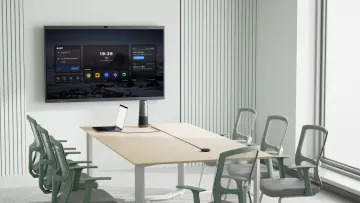
Layered lighting is ideal. Use pendant lights for general lighting and wall sconces or LED strips for accent lighting. Add dimmers to adjust brightness for presentations or video calls. Avoid direct downlighting on smart interactive whiteboards to minimize reflection.
Executive and Private Offices
Combine ceiling lights, desk lamps, and ambient fixtures like floor lamps. Personalize the space with smart bulbs that change color temperature based on the time of day.
Home Office Lighting: Comfort Meets Functionality
As remote and hybrid work becomes more common, home office lighting requires careful consideration. It must be practical, flexible, and comfortable for extended hours.
1. Natural Light
Set up your desk near a window to take advantage of daylight. Use light-colored or reflective wall paint to bounce light around the room.
2. Desk Lamps
Select LED desk lamps with adjustable brightness and color settings. Models with USB charging ports or wireless charging pads add extra functionality.
3. Overhead Lights
Flush-mount or semi-flush ceiling lights are space-saving and effective. Use dimmable options to adjust brightness throughout the day.
4. Accent Lighting
Decorative lighting such as LED strips behind monitors or under shelves adds visual appeal. Wall sconces or framed lightboxes help create a cozy, inviting atmosphere.
Energy-Efficient Office Lights: Eco-Friendly and Cost-Saving
Switching to energy-efficient lighting can lower electricity bills and reduce your environmental footprint. Here’s how:
Use LEDs instead of incandescent or halogen bulbs
Choose ENERGY STAR or DLC-certified fixtures
Install motion sensors and daylight sensors
Adopt smart lighting to control usage based on occupancy or time of day
Over time, the savings on energy and maintenance costs can significantly outweigh the upfront investment.
Common Office Lighting Mistakes to Avoid
Even well-intentioned lighting setups can fall short. Avoid these common pitfalls:
Using only ceiling lights without task lighting
Ignoring screen glare or reflections from glossy surfaces
Mismatched color temperatures in one space
Overly dim or overly bright spaces
Not considering user preferences in shared spaces
Addressing these mistakes can dramatically enhance your work environment.
FAQs About Office Lighting
What color temperature is best for office lighting?
Cool white (4000K–5000K) is best for tasks and productivity. Warmer temperatures (2700K–3000K) are better for relaxation and casual conversations.
Can bad lighting really impact productivity?
Yes. It can cause eye strain, fatigue, irritability, and even anxiety. Good lighting supports cognitive function, focus, and mental clarity.
What’s the best lighting for video calls?
Use soft, even front lighting. A ring light or LED desk lamp placed behind your monitor works well. Avoid strong overhead lighting or windows directly behind you.
Is natural light better than artificial light?
Natural light is best, but artificial lighting is essential for cloudy days, night work, or windowless offices. A balance of both is ideal.
How do I set up lighting in a home office?
Combine natural light with LED task and ambient lighting. Use dimmable lights and position them to avoid screen glare.
Final Thoughts: Brighten Up Your Workspace the Smart Way
Effective office lighting isn’t a luxury—it’s a necessity. Whether you work from a corporate desk or your dining room table, thoughtful lighting design improves everything from your posture to your performance.
To take your setup further, explore desk adjustable keyboard tray options for ergonomic comfort, or browse free online whiteboards for team collaboration tools.
By combining smart lighting with smart tools, you’ll create a workspace that inspires, energizes, and supports your best work—day after day.