Hybrid vs. Remote: The One Missing Piece of Equipment That Makes Hybrid Work Actually Work
This comprehensive 2026 roadmap explores how to bridge the divide between remote flexibility and office productivity by leveraging Intentional Presence and high-performance collaboration technology.
Hybrid work
remote work
smart whiteboard
Updated: Aug 19, 2026 · 10 minutes read
Global Business, Brought Near.
No Installer, No Hassle, Just Works.
In the landscape of 2026, the success of hybrid work is no longer defined by simple attendance mandates but by "Activity-Based Presence"—a model where work location is determined by the nature of the task. This guide addresses the "Ghost Town" office phenomenon and the resulting engagement decay by introducing the concepts of Presence Equity and Intentional Collaboration. It details how the integration of professional hardware, such as the NearHub S Pro, with enterprise software ecosystems (Room Calendar Sync) can eliminate the "Setup Tax" and documentation black holes. Ultimately, the guide provides a blueprint for leaders to transform the office from a site of management oversight into a high-octane "Collaborative Theater" that attracts talent and maximizes real estate ROI.
Key Takeaways
Shift from Presence to Performance: Hybrid success depends on measuring impact and deliverables rather than "hours in chair," treating the office as a tool for high-bandwidth sprints.
Presence Equity is Non-Negotiable: To prevent remote workers from feeling like "second-class citizens," teams must use high-fidelity video and shared digital canvases so everyone has an equal visual and vocal voice.
Eliminate the "Setup Tax": By syncing room calendars with smart boards, teams can join meetings with a single tap, reclaiming the 10–15 minutes usually wasted on technical troubleshooting.
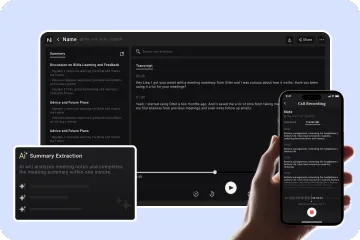
Digital-First Documentation: Every brainstorm must be captured instantly to the cloud to ensure a "single source of truth" and prevent information loss across distributed teams.
The Office as a "Magnet," Not a "Mandate": To solve resistance to returning, the office must offer a "collaborative surplus"—tools and environments (like 4K interactive hubs) that are superior to home setups.
Real Estate Optimization: High-performing firms reduce total square footage but increase the quality of the remaining space, reinvesting rent savings into "Phygital" infrastructure.
Reducing Proximity Bias: Effective leadership in 2026 requires active inclusion of remote staff to prevent fragmented cultures and ensure diverse perspectives drive decision-making.
We have all experienced it: the forty-five-minute commute through heavy traffic, the desperate search for a parking spot, and the lukewarm office coffee—all to arrive at a desk, put on noise-canceling headphones, and spend eight hours on the exact same video calls you could have taken from your living room. It is frustrating, inefficient, and it is the primary reason why so many "Return to Office" mandates are failing in 2026. When the office feels like a warehouse for people rather than a hub for innovation, the system is broken.
Welcome to the Ultimate Guide to modern workforce dynamics. In this deep dive, we are going to answer the fundamental question: what does hybrid work mean in a post-mandate world? This is not just a passing trend; it is a structural shift in how we define the professional environment. If you have ever wondered what is a hybrid position or why the debate of hybrid vs remote work is so polarized, this guide is your roadmap. We will explore the pillars of intentional presence and reveal why the right technology is the bridge to success.
What Does Hybrid Work Mean in 2026? Moving Beyond the Mandate
To truly understand what does hybrid work mean, we must stop looking at it as a simple split of days. In the current landscape, hybrid work is not just about being in the office on Tuesdays and Thursdays. It is an architectural strategy that treats the physical office as a specialized tool for collaboration rather than a mere storage facility for employees.
The Evolution of the Hybrid Definition
In the early 2020s, a hybrid job position was often a chaotic compromise. Today, it has matured into a result-oriented model focused on several key principles:
Activity-Based Presence: Choosing your location based on the specific task at hand, such as deep focus at home or intense brainstorming in the office.
Intentionality: Every trip to the office must have a collaborative "surplus" that justifies the commute.
Flexibility: Empowering teams to set their own collaboration tempos based on project cycles rather than rigid corporate calendars.
The Shift from Presence to Purpose
According to a recent report by Gallup, employees who understand the specific purpose of their office time are three times more likely to be engaged than those following a rigid, non-negotiable mandate. This shift in what does hybrid work mean requires a move away from "eyes-on-screens" management toward "impact-on-milestones" leadership.
Hybrid vs Remote Work: Understanding the Critical Differences
The debate of hybrid vs remote work is often framed as an either-or scenario, but for high-performance organizations, they are two sides of the same coin. Understanding the nuances is essential for any leader managing a distributed workforce.
The Advantages of Fully Remote Models
Remote work excels at deep work. It removes the distractions of the open-plan office and gives employees back their most valuable asset: time. For tasks like coding, writing, or complex data analysis, remote work is often the superior choice for maximizing individual output and focus.
Why Hybrid Wins for Innovation
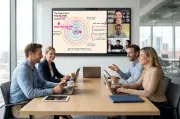
While remote work is great for execution, hybrid work is designed for innovation. The creative friction that happens when humans share a physical space is difficult to replicate over a standard webcam. This is why a successful strategy focuses on the office as a "collaboration theater."
What is a Hybrid Position? The Evolution of the Modern Role
When a candidate asks, what is a hybrid position, they are not just asking about the schedule. They are asking about the infrastructure and the level of autonomy they will receive. Most traditional offices are still equipped with outdated technology that actively fights against the goals of a modern team.
The Ghost Town Office Phenomenon
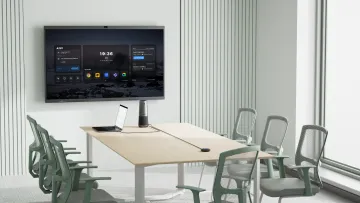
If the office does not offer tools superior to what an employee has at home, they will naturally resist returning. To make a hybrid job position attractive, the office must become a high-performance hub. This requires moving away from static tools and embracing the smart white board as a central command center.
The Documentation Black Hole
In a traditional office, ideas sketched on a physical whiteboard often die there. Someone takes a blurry photo, it gets lost in a chat channel, and the remote members of the team lose all context. This is a fundamental failure of the hybrid vs remote work bridge that many companies overlook in their infrastructure planning.
Presence Equity: The Secret Sauce to What Does Hybrid Work Mean
The biggest hurdle in answering what does hybrid work mean is the "presence equity" gap. This is the feeling that remote workers are second-class citizens compared to those sitting in the room with the leadership team.
Defining Presence Equity
Presence equity ensures that every team member has an equal visual and vocal voice, regardless of their physical location.
Visual Voice: Can the remote worker see the nuances of the brainstorm in high definition?
Interactive Weight: Can a remote worker contribute to the digital canvas as easily as the person in the room?
Acoustic Inclusion: Can the person on the screen hear the subtle side-conversations that often contain the most important context?
Eliminating Proximity Bias
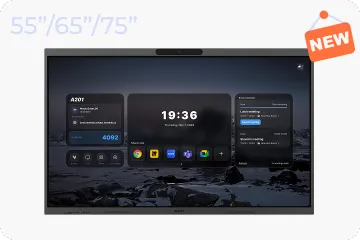
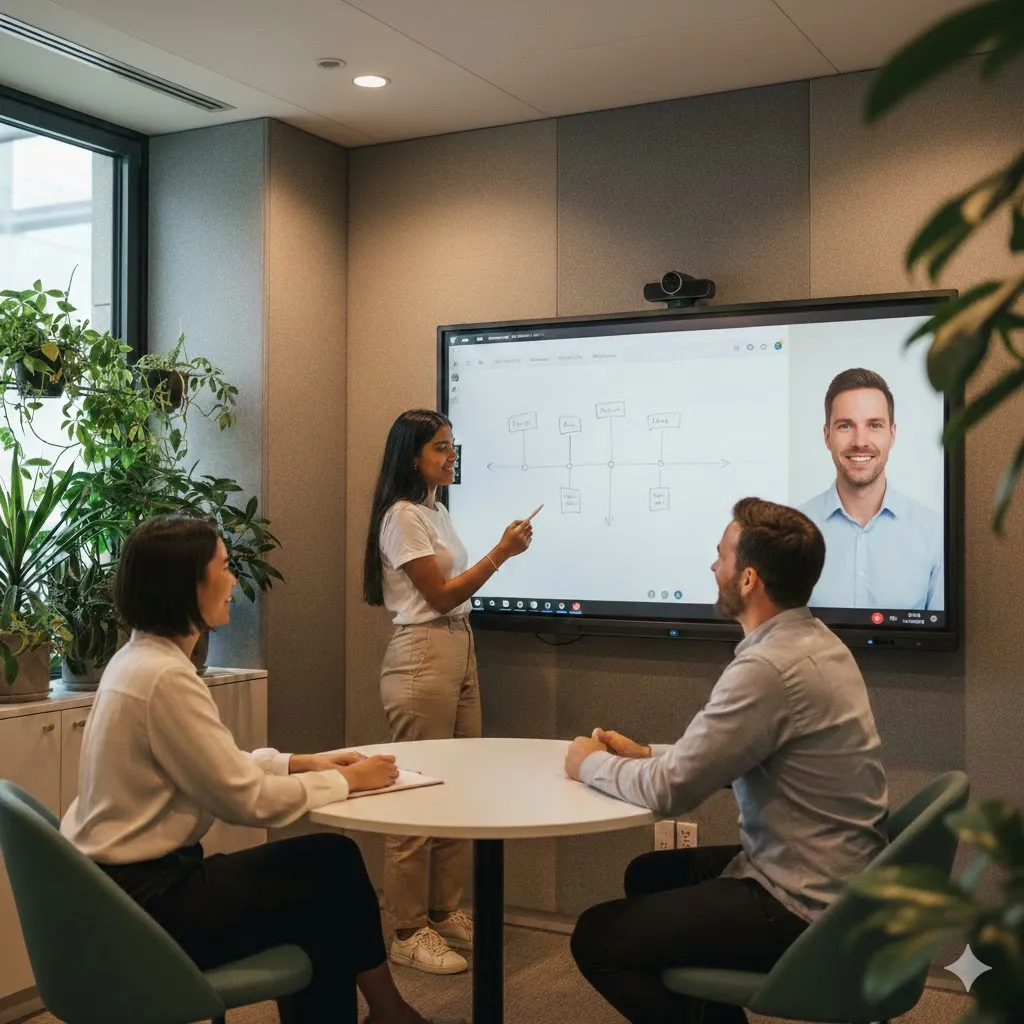
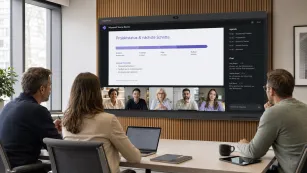
Proximity bias is the tendency for managers to favor those they see physically. By utilizing a NearHub S Pro Smart Whiteboard, you create a unified digital canvas where the distance between participants effectively vanishes. This tool ensures that when you learn how to use a smart board, you are actually learning how to lead a more inclusive and high-performing team.
The Technology Gap: Why Tools Define What Does Hybrid Work Mean
If your strategy is forward-thinking but your hardware is stuck in the past, your implementation will fail. To truly support what does hybrid work mean in a professional setting, you must bridge the gap between the stylus and the screen.
The Physical-Digital Bridge
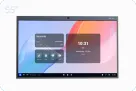
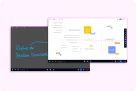
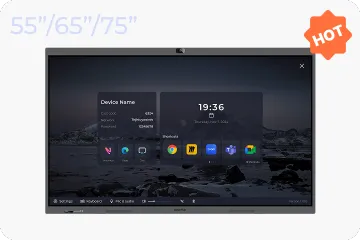
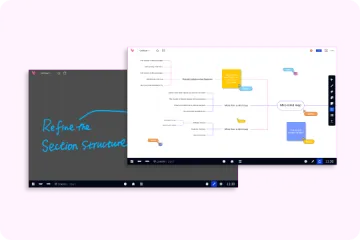
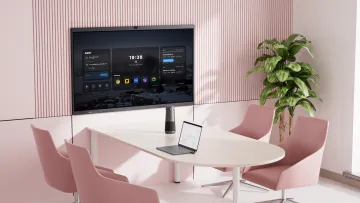
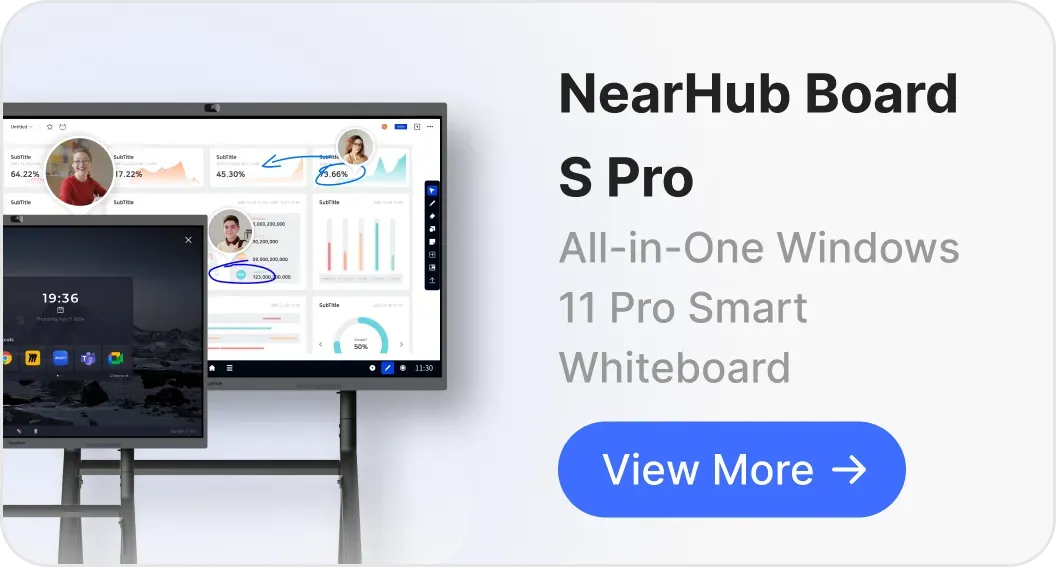
The NearHub S Pro Smart Whiteboard is not just a screen; it is a portal for collective intelligence. It allows for "persistent canvases" where a team can pick up exactly where they left off without losing momentum or data.
4K Visual Clarity: Remote participants see every stroke and annotation in real-time as if they were in the room.
Seamless Cloud Sync: No more manual documentation; everything is saved instantly to shared drives.
Platform Agnostic: It works with Zoom, Microsoft Teams, and Google Workspace without technical friction.
Reducing the "Setup Tax"
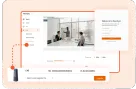
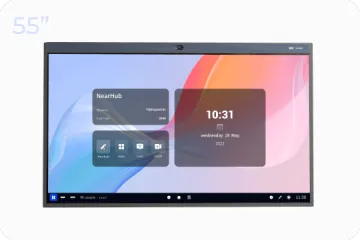
One of the most frustrating parts of a what is a hybrid job position is the time wasted at the start of every meeting. By mastering nearhub technology that integrates with your room calendar, you can walk in, tap a single button on the launcher, and start collaborating instantly.
Strategic ROI: Real Estate Efficiency and Talent Retention
When executives ask about the bottom line regarding what does hybrid work mean, the answer lies in cost optimization and the ability to keep high-performing staff in a competitive labor market.
Real Estate Optimization
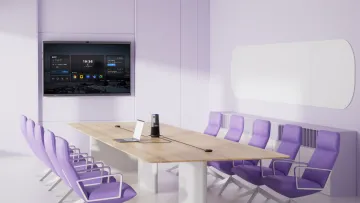
By moving away from "one desk per person" and toward an activity-based hub, organizations can reduce their square footage by thirty to forty percent. These savings can then be reinvested into premium technology and better office amenities that drive culture.
Retention in a Competitive Market
In a global market, the best talent demands flexibility. A rigid return to office mandate is an invitation for your competitors to poach your top performers. Providing a high-tech, frictionless office is the best way to ensure long-term loyalty for any modern hybrid job position.
Best Practices for Managing Distributed Hybrid Teams
Success in this model requires a high level of intentionality. Here are the core best practices for leaders today:
Remote-First Communication: If one person is remote, the entire meeting happens on the digital canvas.
Scheduled Spontaneity: Use virtual huddle tools and nearhub social anchors to maintain social capital.
Asynchronous Buffers: Record visual brainstorming sessions so those in different time zones can catch up without feeling left behind.
FAQ Section: Optimizing the Hybrid Workflow
What does hybrid work mean for my daily productivity?
It means your productivity is no longer tied to a fixed desk. You utilize the home environment for deep focus tasks and the office collaboration hub for high-intensity strategy and social bonding.
What is a hybrid position in terms of tech requirements?
A hybrid position requires a seamless transition between locations. You need high-quality home gear and professional office gear like the NearHub S Pro to ensure you are never a spectator in your own meetings.
Which is better: hybrid vs remote work?
Neither is inherently better; it depends on the specific task. Individual execution is often better remote, while team innovation and culture building thrive in a hybrid setting.
How do I learn how to use a smart board for my team?
Modern boards are designed to be intuitive. Most users can master the basic navigation and cloud-sharing features in under five minutes, allowing the technology to fade into the background of the discussion.
Conclusion and CTA
The transition to a hybrid-first world is the most significant shift in corporate culture since the industrial revolution. Succeeding with a distributed team requires more than just a change in policy; it requires a radical commitment to intentional presence. By redefining the office as a tool for collaboration rather than a warehouse for people, you unlock the true potential of your workforce.
Mastering what does hybrid work mean starts with eliminating the friction that keeps teams apart. Whether you are navigating a hybrid vs remote work debate or designing a new strategy, the goal remains the same: ensuring every voice is heard and every idea is captured. Your collaboration hub is the heart of your company's intelligence.