How to Study the Bible in 2026: Practical Steps for Studying God’s Word in a Digital Age
This article explains practical steps and guidelines on how to study the Bible effectively in 2026, including personal, group, and hybrid study strategies with digital tools and reliable resources.
bible study guidelines
online bible study groups zoom
conference room camera
Updated: Aug 19, 2026 · 6 minutes read
Global Business, Brought Near.
No Installer, No Hassle, Just Works.
In 2026, studying the Bible looks different in a world shaped by digital tools, online communities, and constant distractions. While access to Scripture has never been easier, many believers struggle to stay focused and engaged. Learning how to study the Bible today requires intentional time, a supportive environment, and a clear study method that moves beyond surface-level reading. By combining timeless spiritual practices with thoughtful use of technology, personal and group Bible study—both in person and online—can remain meaningful, focused, and deeply transformative.
Key Takeaways
Set aside intentional study time – even 10–15 minutes a day can improve focus and consistency in learning how to study the Bible.
Prepare your space and materials – a quiet environment with your Bible, notebook, and reference tools helps you stay focused.
Use a structured study method – observation, interpretation, and application make it easier to understand and apply Scripture.
Make the most of technology and group study – online Bible study groups, Zoom sessions, and tools like a 360 conference camera can enhance participation and engagement.
Why Studying the Bible Feels Harder Than Ever
It’s 7 a.m., and you sit at the kitchen table with your coffee. Your Bible is open, but your phone buzzes with a notification from a Zoom Bible study group. You tell yourself, “I’ll just check one thing first.” Thirty minutes later, you’ve scrolled through three devotional apps, skimmed a commentary, and looked at a dozen headlines—but you still haven’t read a single verse of the Scripture passage you intended to study.
If this sounds familiar, you’re not alone. In 2026, the Bible is more accessible than ever, but "deep work" with the text feels increasingly elusive. Information is everywhere, yet intimacy with God’s Word requires more than just access—it requires a strategy. This guide offers practical steps to move from passive reading to active, life-changing study.
Establish a "Sacred Schedule"
Bible study rarely happens in the gaps of a busy day; you have to carve out a space for it. Treat your study time like a high-priority appointment. In our hyper-connected world, consistency is the antidote to spiritual drift.
The Power of 15: You don’t need an hour. Start with 15 focused minutes.
Digital Boundaries: Use "Focus Mode" on your devices to silence everything except your Bible app.
The "Same Place" Rule: Having a dedicated physical spot for study helps prime your brain for reflection.
Prepare Your Space
Your surroundings dictate your focus. Whether you are studying solo in a quiet corner or leading a hybrid group, clarity is key.
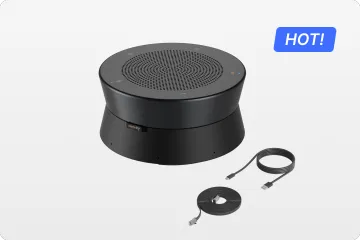
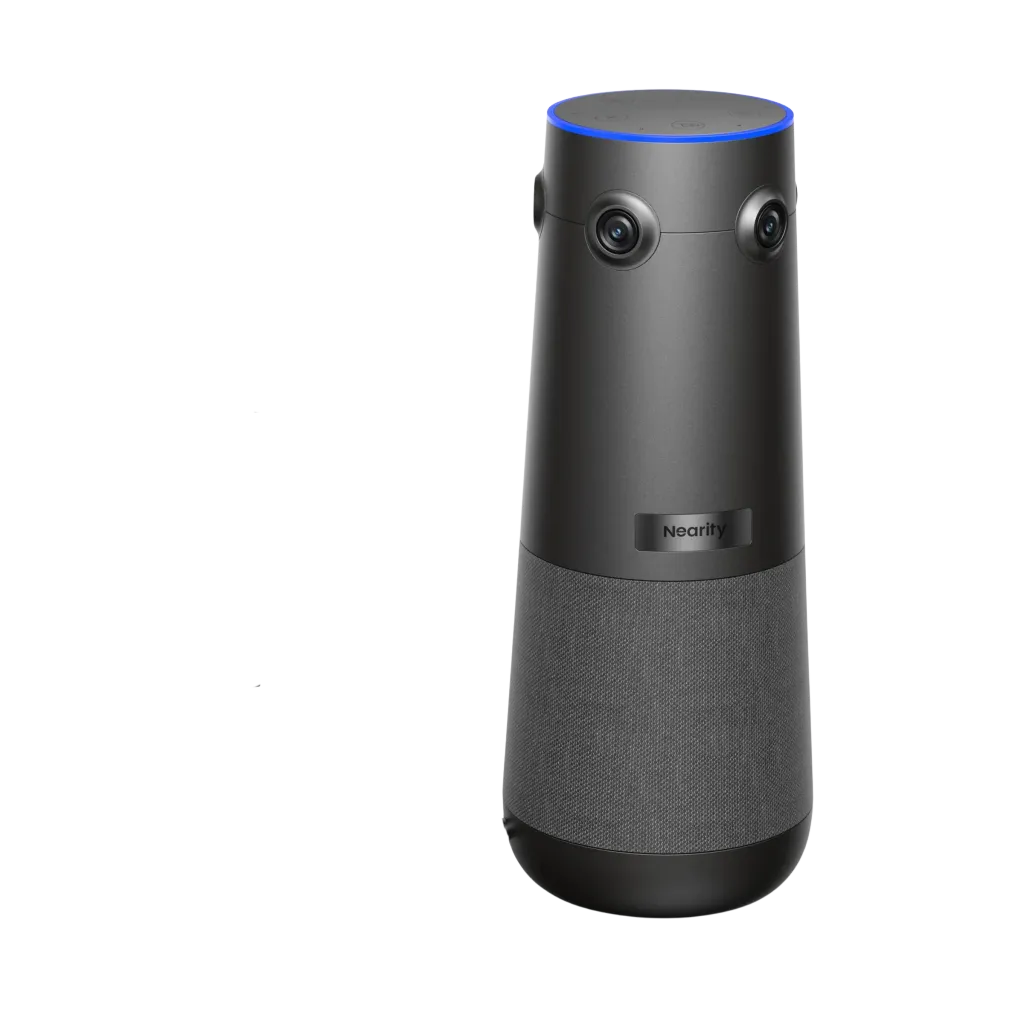
For hybrid or online group studies, technical friction is the enemy of fellowship. If half the group is in a living room and the other half is on a screen, use reliable conference room solutions to bridge the gap. Clear audio and high-definition video ensure that a prayer request whispered in the room is heard by the person joining via link. Using a 360 conference cameracaptures the body language of everyone in the room, making online participants feel like they are sitting at the same table rather than watching a movie.
Curate a Lean "Toolbox"
The temptation in 2026 is "resource overload." You don't need twenty tabs open. Keep your tools simple to avoid "analysis paralysis":
A Physical Bible: Even if you use apps, a physical Bible reduces digital eye strain and provides a tactile connection to the text.
A Journal: Writing by hand slows your brain down, helping you process complex themes.
One Primary Resource: Use a Bible dictionary or a trusted commentary like those found on Blue Letter Bible or BibleProject.
For groups, hardware is part of your toolkit. Solutions from NearHub are specifically designed to make hybrid meetings feel natural, allowing the focus to remain on the Word rather than the Wi-Fi.
The Art of "Slow Reading" and Meditation
In an era of "speed-reading" and "scrolling," we often treat the Bible like a newsfeed. To study deeply, you must practice Lectio Divina or "Slow Reading." Read a short passage three times.
First read: What is happening?
Second read: What word or phrase stands out?
Third read: What is God saying to me through this? By slowing down, you move the Word from your head to your heart.
A Simple Study Method: Observation → Interpretation → Application
Even in a digital world, a structured approach helps:
Observation: Notice key words, repeated ideas, and who is speaking.
Interpretation: Consider historical and cultural context. Compare Scripture with Scripture. Trusted resources like BibleProject can help clarify difficult passages without replacing personal reflection.
Application: Ask how the text changes your perspective or actions today.
This method works for personal reflection or structured online Bible study discussions.
Staying Focused in a Digital World
Modern distractions can derail study. Limit phone notifications, close unnecessary tabs, and set boundaries for yourself. During group sessions, having one facilitator and encouraging participants to engage visually helps everyone stay present.
Traditional vs. Digital Bible Study
Aspect
Traditional
Digital / Hybrid
Accessibility
Location-based
Join from anywhere
Community
Local only
Local + remote
Resources
Physical books
Digital libraries
Engagement
Face-to-face
Requires structure
Flexibility
Fixed
Adaptable
The goal is not to replace one with the other but to understand how to study the Bible effectively in both formats.
Studying the Bible in Groups
Group study brings accountability and shared insight, transforming the solitary act of reading into a collective journey of faith. To make this effective, you must set a clear purpose for each session, balancing structured teaching with open discussion while remaining deeply respectful of different experience levels.
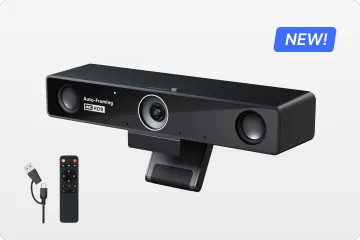
In 2026, many groups operate in a hybrid capacity, which requires intentionality to ensure that the "digital" members aren't just spectators; utilizing a 360 conference camera placed in the center of the table can change the entire dynamic by allowing online participants to see facial expressions and gestures naturally, bridging the presence gap. Facilitators should act as a bridge, intentionally calling on remote participants to share their observations, a process made much smoother when the group invests in the best conference room camera with auto-framing and clear audio pickup to ensure every voice carries equal weight.
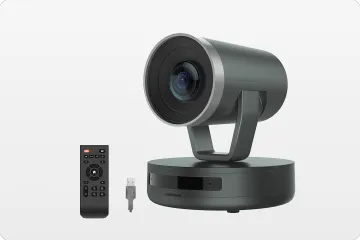
Ultimately, the goal is to manage the technical atmosphere so it doesn't distract from the spiritual one; by using a reliable conference room camera that handles the tracking and focus automatically, the leader is freed up to focus on the hearts of the people and the depth of the Scripture rather than troubleshooting hardware.
Why Bible Study Still Matters
The American Bible Society’s State of the Bible report hows that consistent engagement with Scripture correlates with spiritual clarity and resilience. The challenge today is not access—it’s intentional, focused study. Knowing how to study the Bible intentionally helps you make Scripture a practical guide for life.
Conclusion
Learning how to study the Bible in 2026 is less about having every tool and more about clarity and intention. Set aside time, prepare your space and heart, follow practical guidelines, and let technology support—not distract from—your study.
Whether you study alone or with online Bible study groups on Zoom, these steps make Scripture engagement more focused, meaningful, and life-giving.
How do I choose which book of the Bible to study first?
If you are new, start with the Gospel of Mark for a fast-paced look at Jesus’ life, or Philippians for a short, encouraging letter about joy. Avoid starting with Leviticus or Revelation until you have a bit of momentum!
What is the difference between "reading" and "studying" the Bible?
Reading is for breadth—getting the big picture of the story. Studying is for depth—uncovering the "why" and "how" behind specific verses. Both are necessary, but study requires a pen and a slower pace.
How can I understand a verse that seems to contradict another one?
Always use the "Analogy of Faith" principle: let the clear parts of the Bible help explain the difficult parts. Use a concordance to find other verses on the same topic to see the full context.
How do I stay focused when my mind starts to wander?
Read the text out loud. Engaging your voice and your ears simultaneously forces your brain to re-center on the words.
How can I make my group study feel less like a lecture and more like a conversation?
Use a 360 conference camera like the Nearity 360 Alien. When people online can see the faces of everyone in the room—and not just a wide shot of the back of people's heads—they are much more likely to speak up and engage in the conversation.