What Is the Preseason Coaches Meeting for?
The primary purpose of a preseason coaches meeting is to establish a comprehensive roadmap for the upcoming season. This includes setting team goals, outlining training programs, discussing game strategies, and addressing any potential challenges or obstacles. Additionally, it serves as a forum for continuous learning and professional development among coaches, as they share best practices, success stories, and lessons learned from previous seasons. The preseason coaches meeting serves as the catalyst for this collaborative process, fostering communication, unity, and a shared vision among the coaching staff.
Why Is the Meeting Important?
The preseason period is a pivotal time for any sports team, marking the transition from off-season training to the high-stakes competition of the regular season. It's during this phase that coaches from different levels and specialties come together to align their strategies, share expectations, and forge a cohesive game plan. This meeting is pivotal because it:
-
Unified Vision: A preseason meeting ensures that all coaches are on the same page regarding team goals, philosophies, and expectations. This alignment is essential for maintaining consistency in coaching styles, player development, and ultimately, team performance.
-
Strategy Planning: It provides a platform for discussing and refining game plans, tactics, and opponent analysis. Coaches can leverage each other's expertise to devise innovative strategies that give the team a competitive edge.
-
Role Clarification: Clearly defining each coach's responsibilities and areas of focus prevents overlap and ensures efficient use of resources. This transparency fosters trust and accountability within the coaching staff.
-
Team Building: Beyond the technical aspects, preseason meetings are opportunities for coaches to bond, build relationships, and create a positive team culture. A cohesive coaching team translates into a more united and motivated player group.

Procedures to Plan the Preseason Coaches Meeting
The coach, team manager and team treasurer are encouraged to plan the meeting together, including collaborating on developing the agenda and information to be shared at the meeting. Planning an effective preseason coaches meeting requires careful preparation. Here are some steps to ensure the meeting runs smoothly:
-
Set a Date and Location: Choose a time and place that is convenient for all coaches, ensuring minimal disruptions to their schedules.
-
Establish a Clear Objective: Define the main goals and outcomes you hope to achieve from the meeting. This will help guide the agenda and keep discussions focused.
-
Create an Agenda: Outline the topics to be covered, including introductions, team goals, training programs, strategy discussions, and any other relevant issues. Allocate sufficient time for each item and allow for open discussions.
-
Prepare Materials: Gather any necessary documentation, such as player profiles, opponent analyses, and previous season statistics, to support your discussions.
-
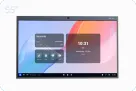
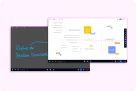
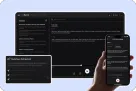
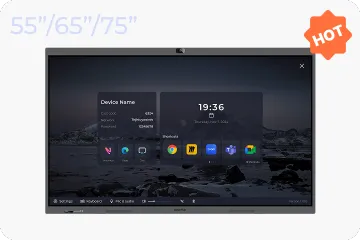
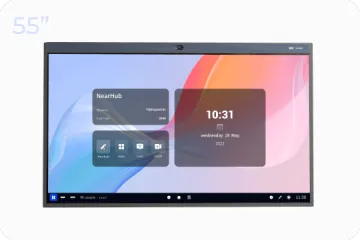
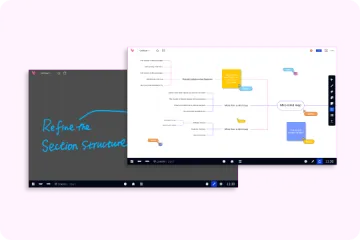
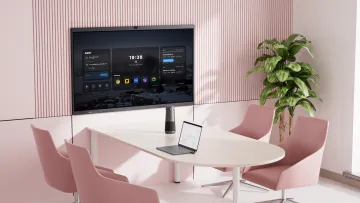
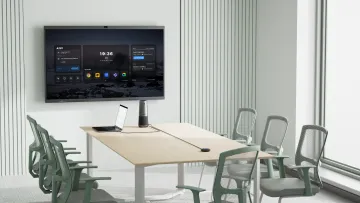
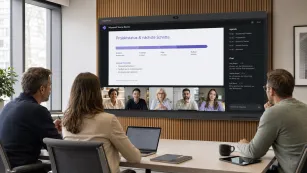
Use Supportive Tools: Utilize tools like digital platforms, virtual reality devices, and interactive whiteboards to enhance the effectiveness of preseason coaches meetings. The
intearctive whiteboard allow coaches to
visualize and convey complex tactics and data clearly, as well as display photos, images, and videos to illustrate sports motions. Embedded conference apps facilitate online meetings, adding convenience and efficiency to the process.
-
Assign Roles: Identify who will lead each segment of the meeting to ensure the meeting stays on track and all topics and important points are adequately covered.
-
Encourage Participation: Encourage all coaches to contribute their thoughts, ideas, and concerns. An open and inclusive environment fosters creativity and collaboration.

Meeting Topic and Agenda
An effective preseason coaches meeting should cover a range of topics. Here's a sample agenda for a preseason coaches meeting:
-
Welcome and Introductions: Begin with a brief introduction of all attendees, highlighting their roles and responsibilities.
-
Team Goals and Vision: Discuss and agree upon the team's overall goals for the season, including both on-field and off-field objectives.
-
Player Profiles and Roster Management: Review player profiles, assess strengths and weaknesses, and discuss roles and positions.
-
Training Programs: Outline the preseason training schedule, including conditioning, skill development, and team drills. Discuss any specific needs or accommodations for individual players.
-
Game Strategies and Tactics: Analyze potential opponents, discuss match-ups, and devise strategies for overcoming specific challenges.
-
Team Rules and Code of Conduct: Establish team rules, behavior expectations, and consequences for violations to maintain discipline and foster a positive team culture.
-
Communication and Support Systems: Discuss communication channels, team meetings, and support networks for players and coaches.
-
Open Discussion and Q&A: Allow time for open discussions, questions, and concerns from all attendees.
-
Action Items and Next Steps: Summarize key decisions and assign responsibilities for implementing them. Set deadlines and follow-up meetings as necessary.
Conclusion
Holding an effective preseason coaches meeting is essential for a successful sports season. It sets the tone, aligns the coaching staff, and ensures everyone is working towards common goals. By understanding the importance of this meeting, defining its purpose, carefully planning the procedures, and covering key topics in the agenda, you can enhance the overall effectiveness of your coaching team. Remember, a well-prepared and well-executed preseason coaches meeting is the first step towards a victorious season.
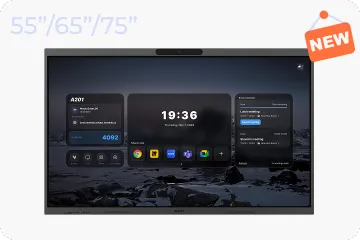
NearHub is an all-in-one solution for meeting rooms and classrooms. NearHub possesses an
interactive digital Board with
cutting-edge whiteboard software. By combining your favorite programs with mess-free writing canvas and video conferencing, you can improve your interaction and productivity in the online meeting room or classroom. Besides, NearHub also provides
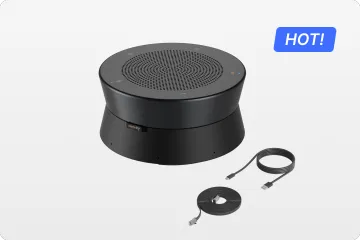
MagicPad S13 to improve digital learning and creativity.