










Is your spiritual life competing with digital distractions? Mastering how to do bible study in 2026 is of great significance. This article explores proven techniques like S.O.A.P. and Inductive methods to deepen spiritual engagement. It details strategies for leading dynamic small groups, optimizing hybrid Zoom bible study sessions with NearHub solutions, and accessing free online ministry classes. Discover how to blend ancient wisdom with modern technology for a transformative experience.
Key Takeaways
- Master Proven Methods: Utilize the S.O.A.P. and Inductive Study methods to move from passive reading to active spiritual investigation.
- Optimize Hybrid Meetings: Use 360-degree cameras to create inclusive zoom bible study sessions where remote members feel seen and heard.
- Leverage Digital Tools: Combine physical Bibles for focus with apps and free online ministry classes for historical context and depth.
- Refresh Group Engagement: Implement creative ideas like dinner party studies or service projects to prevent burnout and foster community.
- Build Consistency: overcome time constraints by using "Audio Bible" hacks or micro-study sessions to maintain a daily habit.
Do you ever feel like your spiritual life is competing with a thousand other distractions? You sit down to read, but your phone buzzes, your mind wanders, or the text just feels ancient and disconnected from your modern reality. You aren’t alone. In our fast-paced, digital-first world, finding the focus and method for deep spiritual engagement is harder than ever.
However, the year 2026 offers unique opportunities to blend ancient wisdom with modern technology. Whether you are a beginner looking for a place to start or a seasoned leader looking to upgrade your small group's connectivity, this article is for you.
This is your comprehensive How-to Guide: How to Use "How to Do Bible Study" Like a Pro. We aren't just going to talk about reading; we are going to break down the mechanics of deep study, the integration of hybrid technology for groups, and the creative ways to keep engagement high.
In this guide, we will cover:
- Proven methods like S.O.A.P. and Inductive Study.
- How to leverage technology for hybrid groups.
- Resources for free online ministry classes.
- Creative engagement ideas for 2026.
Let’s dive into how to do bible study effectively in the modern age.
Why Learning How to Do Bible Study Matters in 2026
Before we get into the "how," we must address the "why." In 2026, the cultural landscape is shifting. Information is everywhere, but wisdom is scarce. Learning how to do bible study isn't just about religious obligation; it is about grounding yourself in a fluid world.
Recent studies suggest that engagement with scripture at least four times a week significantly lowers stress and anxiety. However, the way we study is evolving. It is no longer just about a quiet room and a paperback book; it involves community, digital resources, and interactive learning.

The Benefits of Deep Study
- Mental Clarity: It provides a "true north" in a world of fake news and relative truth.
- Emotional Resilience: Connecting with historical narratives of overcoming struggle helps build personal grit.
- Community Depth: Studying together moves relationships from superficial to substantial.
Note: "Bible reading is looking at the paint; Bible study is looking at the brushstrokes." To truly understand the text, you must move from passive reading to active investigation.
How to Do Bible Study: The S.O.A.P. Method
If you are wondering how to do bible study without needing a seminary degree, the S.O.A.P. method remains one of the most effective tools for 2026. It is scalable—you can do it in 15 minutes or two hours.
Step-by-Step Guide
- Scripture: Write down the verse or passage you are reading. The physical act of writing helps retention.
- Observation: What do you see? Who is speaking? What is the context? Don't interpret yet; just observe.
- Application: How does this apply to your life today? Be specific.
- Prayer: Write a prayer based on what you just learned.
Why This Works
The S.O.A.P. method forces you to slow down. In an age of skimming content, this method acts as a speed bump for your mind, ensuring you digest the content rather than just consuming it.
Choosing the Right Tools and Resources
When learning how to do bible study effectively, your toolkit matters. In 2026, we have a blend of analog and digital tools that can enhance your understanding.
Physical vs. Digital Tools
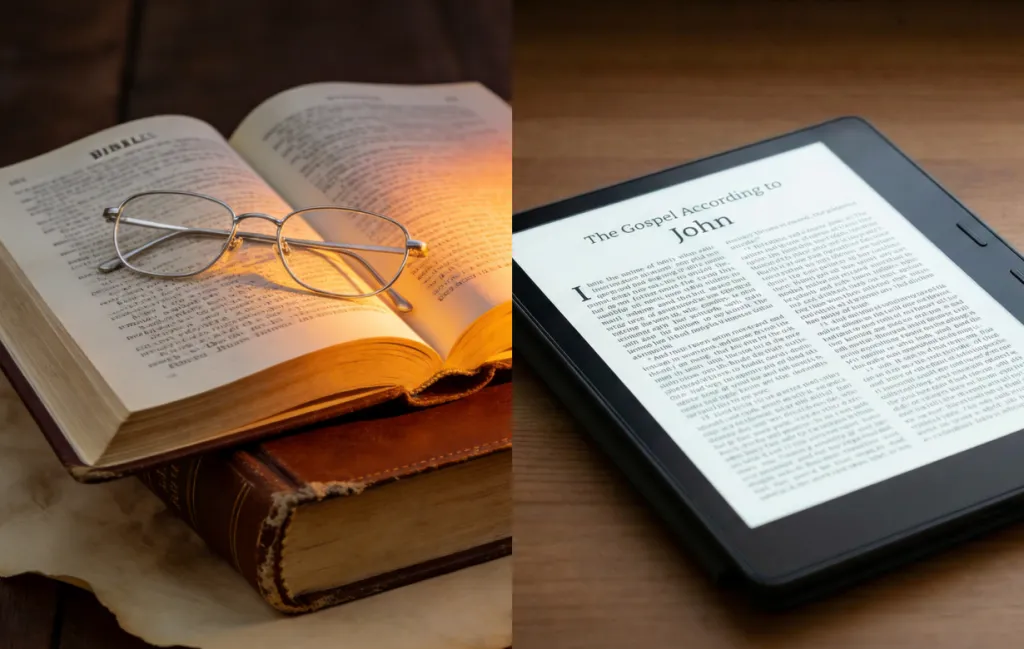
| Feature | Physical Bible | Digital App/Software |
|---|---|---|
| Focus | High (No notifications) | Low (Potential distractions) |
| Searchability | Low (Requires concordance) | High (Instant keyword search) |
| Cross-Referencing | Slow/Manual | Instant/Automatic |
| Note Taking | Limited to margins | Unlimited digital notes |
Recommended Resources
- Study Bibles: Look for ESV or NIV Study Bibles with historical notes.
- Commentaries: Use reputable online commentaries to understand cultural context.
- Original Language Tools: Apps that allow you to see the Greek or Hebrew roots of words.
By mixing these tools, you ensure that your study is well-rounded and historically accurate.
How to Do Bible Study in a Small Group Setting
Community is the heartbeat of spiritual growth. Learning how to do bible study alone is vital, but doing it in a group brings accountability and diverse perspectives. However, leading a group in 2026 requires preparation.
Structuring Your Time
- The "Icebreaker" (15 mins): Use this to decompress from the work day.
- The Text (20 mins): Read the passage aloud in different versions.
- Discussion (40 mins): Use open-ended questions. Avoid "yes/no" questions.
- Prayer (15 mins): Share requests and pray for one another.
The Role of the Environment
Whether you are meeting in a living room or a church hall, the environment dictates the focus. Ensure good lighting, comfortable seating, and minimal distractions. If you are hosting, hospitality goes a long way—coffee and snacks are often the lubricants for good conversation.
Mastering the Hybrid Model: Zoom Bible Study Tips
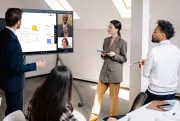
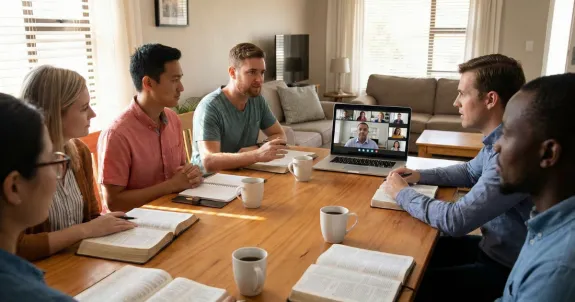
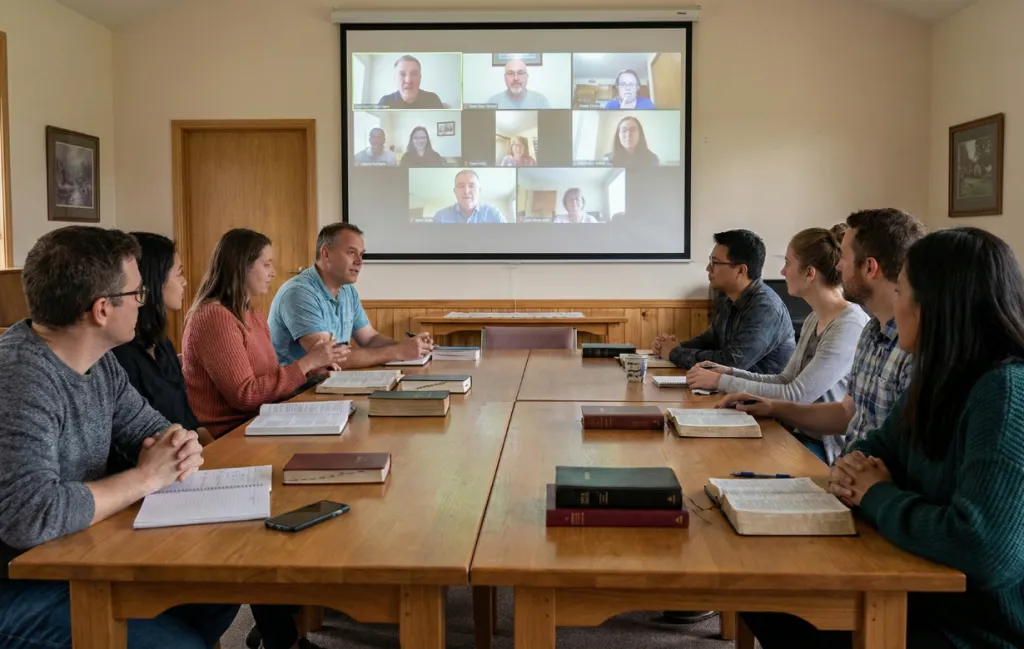
One of the biggest shifts in recent years is the rise of the hybrid meeting. A zoom bible study allows members who are traveling, sick, or living far away to stay connected. However, hybrid meetings (where some people are in the room and others are online) are notoriously difficult to manage without the right tech.
Solving the "Invisible Remote Participant" Problem
The biggest failure in hybrid studies is that remote participants feel like flies on the wall. They can't hear the people in the back of the room, and they can't see who is talking.
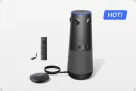
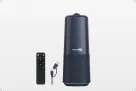
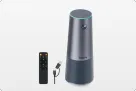
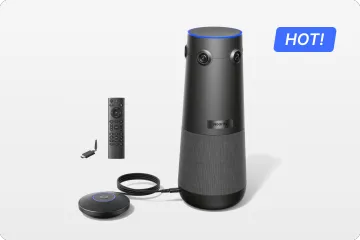
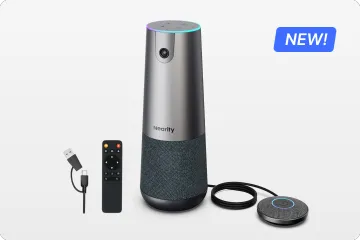
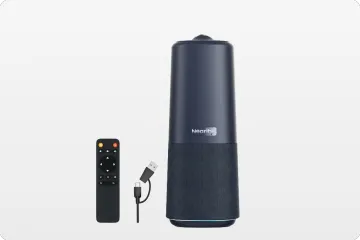
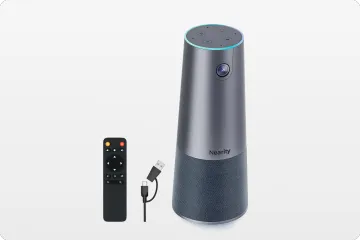
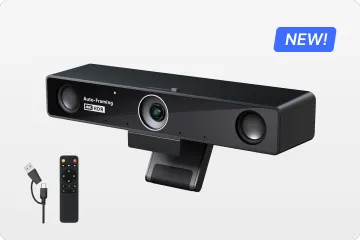
To fix this, you need a high-quality 360 meeting camera. Unlike a standard webcam that only points in one direction, a 360-degree camera sits in the center of your coffee table or conference table. It captures everyone in the room, creating a circle of inclusion that makes remote members feel like they are actually sitting in the circle with you.
Audio is King
Bad video is forgivable; bad audio is not. If your online members hear echoes or can't hear the quiet person in the corner, they will tune out.
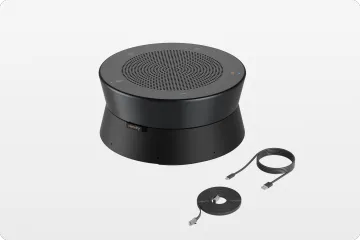
- Microphone Arrays: Use devices with omnidirectional microphones.
- Noise Cancellation: Essential for filtering out HVAC noise or street sounds.
For larger groups meeting in church halls, you need more robust conference room solutions that integrate audio and video seamlessly. These systems ensure that the leader's voice is crisp and that audience participation is captured clearly for those joining via Zoom.
Choosing the Right Gear
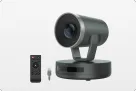
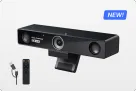
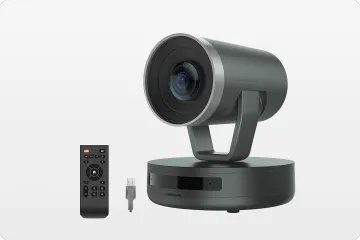
When selecting equipment, look for AI-driven features. The best conference room camera for a bible study is one that automatically focuses on the active speaker. This creates a dynamic viewing experience for remote attendees, mimicking the natural eye movement of being in the room.
Brands like NearHub are leading the way in this space, offering plug-and-play solutions that bridge the gap between physical and digital fellowship. By investing in the right hardware, you remove the friction of technology and allow the focus to return to the scripture.

Free Online Ministry Classes and Advanced Learning
Once you have mastered the basics of how to do bible study, you might crave deeper theological training. In 2026, you don't need to move to a seminary campus to get a high-level education.
Where to Look
There is an explosion of free online ministry classes available from top institutions. These resources allow laypeople to study church history, hermeneutics, and theology at their own pace.
- BiblicalTraining.org: Offers seminars from world-class professors.
- Coursera / EdX: Many universities offer auditing options for religious studies.
- Church-Based Institutes: Many large churches now put their leadership training curriculums online for free.
integrating Academic Study
Take what you learn in these classes and bring it back to your small group. If you take a class on the Gospel of Mark, use those notes to lead your next discussion. This raises the biblical literacy of your entire community.
Creative Small Group Bible Study Ideas to Keep Engagement High
Staleness is the enemy of consistency. If your group feels repetitive, it’s time to inject some creativity. Here are several small group bible study ideas to refresh your gathering in 2026.
1. The "Dinner Party" Study
Instead of the traditional circle of chairs, host a dinner party where the discussion happens over the meal. This replicates the early church model (Acts 2:42) and often leads to more vulnerable conversation.
2. Character Case Studies
Instead of reading a book chapter by chapter, pick a character (e.g., David, Peter, Ruth) and trace their life chronologically through different books of the Bible. This helps people see the "humanity" in the text.
3. Video-Based Curriculum
Sometimes, it helps to bring in an expert. Use video series from renowned teachers to spark discussion.
- Tip: Watch the video before the meeting so you can spend the whole time discussing it, rather than watching it together in silence.
4. Service Projects
Take a break from the books and do a "service study." Read a passage about serving the poor (like Matthew 25), and then go out and actually do it together. Debrief afterwards.
Overcoming Common Obstacles When Learning How to Do Bible Study
Even with the best intentions, you will face hurdles. Here is how to navigate the most common obstacles when learning how to do bible study.
"I Don't Have Time"
- The Fix: Use the "Audio Bible" hack. Listen to the scripture during your commute or while doing chores. This counts! It immerses your mind in the text.
- Micro-Study: Commit to just 5 minutes. Often, the hardest part is starting.
"I Don't Understand It"
- The Fix: Switch translations. If the KJV is confusing, try the NLT or The Message for clarity, then compare it with the ESV for accuracy.
- Ask for Help: Don't be afraid to ask questions in your group or use the [NearHub] blog resources to find better ways to connect and communicate your questions.
"It Feels Boring"
- The Fix: This usually happens when we read passively. Switch to active study (drawing maps, writing out verses, acting it out).
- Change the Scenery: Go outside. Read in a park. A change of environment can often reset your focus.
The Inductive Bible Study Method
For those who want to go deeper than S.O.A.P., the Inductive Method is the gold standard for how to do bible study. It relies on three pillars:
- Observation: What does the text say? (Who, What, Where, When).
- Interpretation: What did the text mean to the original audience? This prevents us from reading 21st-century biases into ancient texts.
- Application: What does it mean for me?
Coding the Text
Many inductive students use colored pencils to mark up their Bibles.
- Circle key words.
- Underline transition words (therefore, but, so).
- Box names of God.
This visual method turns the page into a map of meaning and is highly effective for visual learners.
Leveraging Technology for Accountability
In 2026, your phone doesn't have to be a distraction; it can be an accountability partner.
Apps and Alerts
- Streaks: Use habit-tracking apps to maintain a "Bible Study Streak."
- Group Chats: Create a dedicated WhatsApp or Signal group for your bible study where members share one insight per day.
- Shared Notes: Use a shared Google Doc or Notion page where the whole group can contribute notes throughout the week.
By integrating these digital touchpoints, the study doesn't stop when the meeting ends; it continues throughout the week.
Conclusion
Learning how to do bible study in 2026 is about blending discipline with innovation. It requires a heart willing to learn and the wisdom to use the tools available to us—from ancient commentaries to modern [conference room solutions] that keep us connected.
Whether you are diving into free online ministry classes, hosting a lively zoom bible study, or just sitting quietly with a cup of coffee and the Psalms, the goal remains the same: transformation.
The world is noisy, but your study time doesn't have to be. By structuring your approach, engaging with community, and utilizing the right technology, you can build a spiritual habit that withstands the chaos of modern life.
FAQs
1. What is the best time of day to do Bible study?
There is no "holy" hour. The best time is whenever you are most alert. For some, that is early morning before the house wakes up. For others, it’s a quiet lunch break or late at night. Consistency matters more than the clock.
2. How do I start Bible study for beginners?
Start with the Gospel of John. It is accessible and focuses on the life of Jesus. Use the S.O.A.P. method mentioned above to guide your reading so you don't feel overwhelmed.
3. Can I do Bible study without a physical Bible?
Absolutely. Apps like YouVersion are fantastic. However, many people find that a physical book helps reduce distractions caused by notifications on a phone or tablet.
4. How long should a Bible study session last?
Quality beats quantity. A focused 15-minute session where you truly apply a verse is better than an hour of distracted reading. Aim for 20-30 minutes as a sweet spot.
5. How do I keep my Zoom Bible study from being awkward?
Use a designated moderator to call on people, so everyone isn't talking at once. Crucially, invest in good audio/video tech so remote members feel seen and heard.
6. What if I don't agree with my study group?
Disagreement can be healthy! It forces you to research and understand your own position better. approach differences with curiosity ("Help me understand why you think that...") rather than judgment.
Looking for a reliable how to do bible study? Check out our Nearity 360 Alien here: https://www.nearhub.us/product/true-4k-conference-camera-360-alien.




 sales@nearhub.us
