




















It is 4:45 AM. The streetlights are still buzzing, the world is silent, and you are standing outside your storefront, keys in hand, wondering why your newest hire hasn't shown up. For small business owners in the logistics, hospitality, or healthcare sectors, the "AM scramble" is a recurring nightmare. Managing morning jobs isn't just about finding someone who is awake; it is about finding someone who is reliable, motivated, and capable of performing at peak levels when most people are still hitting snooze.
Welcome to the Ultimate Guide : for small business hiring. In this deep dive, we will explore everything from candidate psychology to high-tech onboarding solutions. Whether you are looking to fill early morning vacancies or transition your team to full time morning jobs, this guide provides the roadmap to success.
Key Takeaways
- Targeted Personas: Successful morning hiring targets students, parents, and "natural early birds" rather than just any job seeker.
- Reliability is Key: Transportation is the #1 hurdle for early shifts; proximity to the workplace should be a top priority in candidate selection.
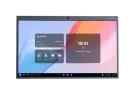
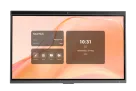
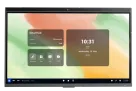
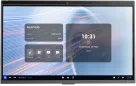
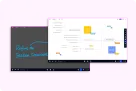
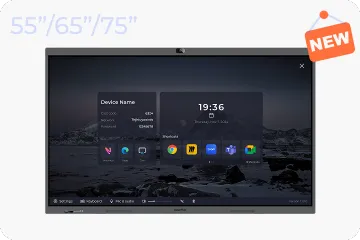
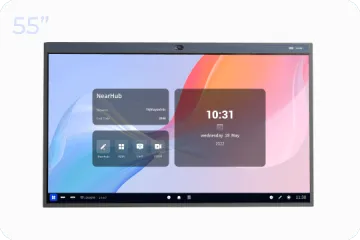
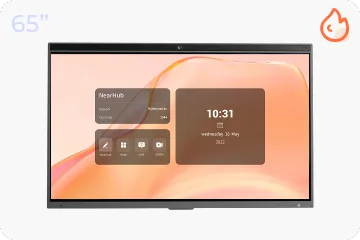
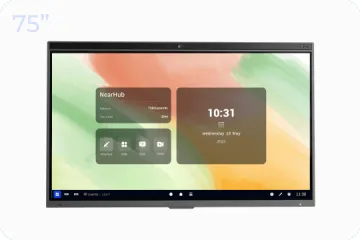
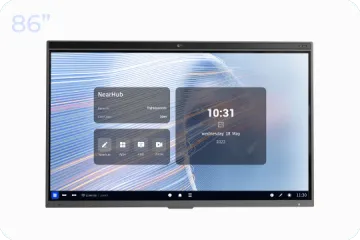
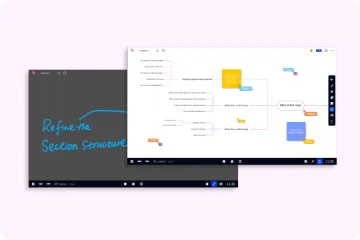
- Tech-Driven Onboarding: Using tools like the NearHub S Pro Smart Whiteboard can standardize training for shifts where managers might not be physically present.
- Incentivization: Shift differentials and "Coffee & Culture" budgets significantly improve retention in the high-turnover "Dawn Economy."
1. Understanding the Market Landscape for Morning Jobs
The "Dawn Economy" is growing. According to the U.S. Bureau of Labor Statistics (BLS), a significant percentage of the American workforce operates outside the standard 9-to-5 window. For small businesses, this presents both a challenge and an opportunity. To hire effectively for morning jobs, you must first understand who is looking for them and why.
The Shift in Workforce Demographics
The modern labor market is no longer monolithic. We are seeing a rise in "poly-employment" (holding multiple jobs) and a shift toward flexible scheduling. People seeking early morning jobs usually fall into four primary categories:
- The Student Hustler: College students who want to finish work by noon to attend afternoon classes.
- The Parent Strategist: Parents who need to be off the clock by 3:00 PM to pick up children from school.
- The Career Moonlighter: Professionals working a second job to reach financial goals faster.
- The Natural Early Bird: Individuals whose biological clocks are naturally wired for high productivity at 5:00 AM.
Why Small Businesses Are the Backbone of the AM Shift
While large corporations have massive HR departments, small businesses have the advantage of agility. You can offer a personal touch that a warehouse giant cannot. However, to compete, you need to leverage tools that make your operation look professional. For instance, knowing how to use a smart board to visualize shift patterns and training modules can give you a competitive edge during the interview process.
2. Why Small Businesses Struggle with Early Morning Vacancies
Hiring for the early shift is notoriously difficult. The turnover rate for shifts starting before 6:00 AM is significantly higher than for midday roles. If you’ve struggled to keep your early morning vacancies filled, you aren't alone.
Common Pain Points
- Reliability Issues: Transportation hurdles at 4:00 AM are real. Public transit is limited, and ride-shares are expensive.
- Burnout: The physical toll of waking up at 3:30 AM every day leads to "social jetlag," where employees are constantly exhausted.
- Lack of Visibility: Many job seekers don't even know these roles exist because they aren't marketed correctly.
The Cost of a Bad Hire
Replacing an employee costs roughly 33% of their annual salary. For a small business, this is a devastating blow. To minimize this, you need a strategy that focuses on retention from day one. Using a smart white board to map out career paths during the onboarding process can help employees see a future with your company, rather than just a temporary gig.
3. Defining the Ideal Candidate for Early Morning Jobs
Not everyone is built for the "Sunrise Shift." If you hire a night owl for a 5:00 AM start, you are setting both of you up for failure. When filling early morning jobs, look for specific psychological markers.
Character Traits of the "Morning Pro"
- Self-Motivation: There is usually less supervision in the early hours. You need a self-starter.
- Consistency: A history of long-term employment in similar shifts is the best predictor of future success.
- Proximity: The closer the candidate lives to the job site, the higher their reliability.
Skill Assessment Checklist
When reviewing applications for full time morning jobs, use this checklist to filter candidates:
| Trait | Importance | Why It Matters |
|---|---|---|
| Transportation | Critical | Lack of reliable transport is the #1 cause of AM no-shows. |
| Previous AM Experience | High | Proves they can handle the circadian rhythm shift. |
| Communication Skills | Medium | Critical for "hand-off" periods between shifts. |
| Tech Literacy | Growing | Ability to use tools like nearhub for digital reporting. |
4. Strategic Recruitment Channels for Filling Morning Jobs Efficiently
To find the best talent for your morning jobs, you have to look where others aren't. Standard job boards like Indeed and LinkedIn are great, but they are crowded.
Niche Sourcing Strategies
- Hyper-Local Advertising: Use Facebook Groups specific to your neighborhood. People living nearby are your best candidates.
- Referral Programs: Offer a "Sunrise Bonus" to current employees who refer a successful hire for an early shift.
- Campus Career Centers: Connect with local community colleges to find students who need morning work.
Writing an SEO-Optimized Job Description
To rank on Google for early morning vacancies, your job description must be clear and keyword-rich.
- Title: Instead of "Store Associate," use "Early Morning Store Associate - 5 AM Start."
- Benefits: Highlight the "afternoon free" aspect. Many people love getting off work at 1:00 PM.
- Visuals: Use images of your team at sunrise. Humanize the shift.

5. Mastering the Interview Process for Full Time Morning Jobs
The interview is your chance to "stress test" the candidate’s commitment to the early hour.
The "Morning Readiness" Interview Questions
- "Walk me through your morning routine. What time do you wake up?"
- "What is your backup plan if your primary transportation fails at 4:30 AM?"
- "What do you enjoy most about having your afternoons free?"
Using Technology in the Interview
Showcasing your tech-savviness can attract higher-quality talent. During the interview, you might use a NearHub S Pro Smart Whiteboard to display the workflow the candidate will be responsible for. This visual clarity reduces anxiety and sets clear expectations. If they see that you invested in a smart white board for team collaboration, they will perceive your small business as a stable, forward-thinking environment.
6. Onboarding and Training for the Early Hours
The first 90 days are the "Danger Zone" for turnover. For morning jobs, the onboarding process needs to be even more structured because the owner or manager might not always be present at the start of the shift.
Creating a Digital Training Hub
Small businesses often rely on "shadowing," which can lead to bad habits being passed down. Instead, create a standardized digital training program.
- Video Tutorials: Record short clips of opening procedures.
- Interactive Checklists: Use tools from nearhub to create checklists that the morning team can check off on a shared screen.
- Safety Protocols: Early mornings often involve lower light and fewer people; ensure safety is part of the digital handbook.
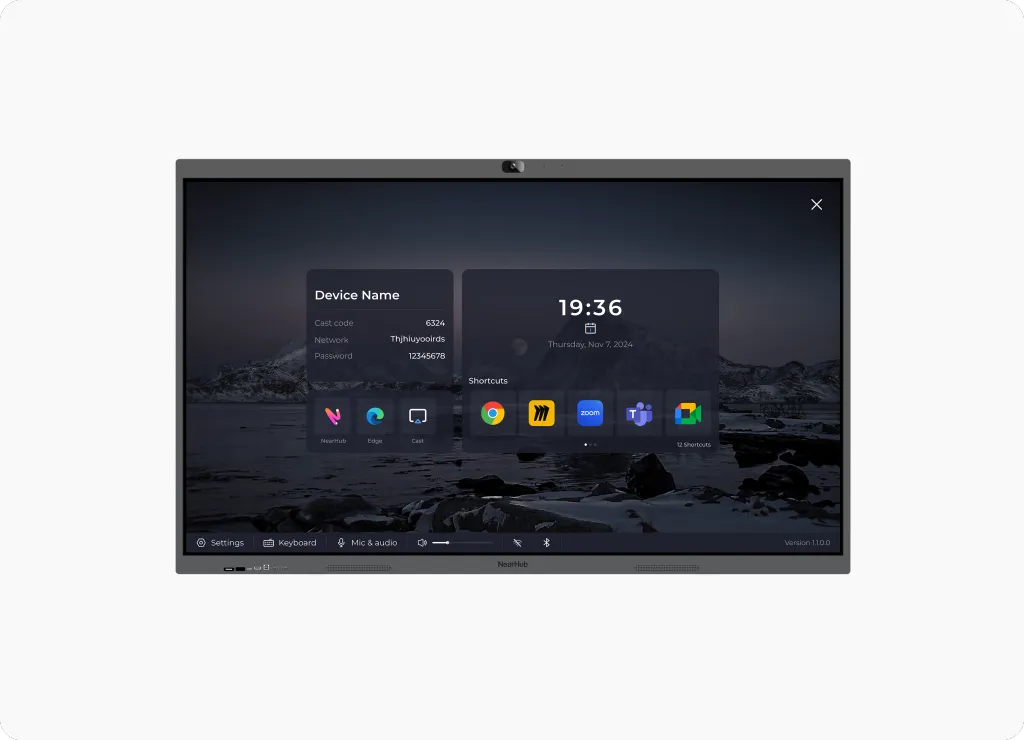
The Role of the NearHub S Pro Smart Whiteboard in Training
Training at 5:00 AM can be a groggy experience. The NearHub S Pro Smart Whiteboard keeps the team engaged. Use it to:
- Brainstorm efficiency improvements for the morning rush.
- Review KPIs (Key Performance Indicators) from the previous day.
- Conduct remote training sessions for employees who might be working from different locations.
7. Improving Retention and Morale in the Early Hours
How do you keep people in early morning jobs for the long haul? It comes down to "Culture over Cash." While a competitive wage is necessary, it is the culture that keeps them from quitting.
High-Impact Retention Strategies
- The "Coffee & Culture" Budget: Provide high-quality coffee and healthy breakfast snacks. It’s a small expense that goes a long way.
- Shift Differential Pay: Offer an extra $1-$2 per hour for shifts that start before 6:00 AM.
- Recognition: When the 9-to-5 crew arrives, they often forget that the morning team has already done 4 hours of work. Make sure the AM team's wins are celebrated company-wide.
Communication Tools
Isolation is a retention killer. Use digital tools to bridge the gap between shifts. A nearhub digital whiteboard in the breakroom can serve as a "digital bulletin board" where the morning team can leave notes, photos, or feedback for the afternoon crew, ensuring a seamless hand-off.
8. Leveraging Technology: How to Use a Smart Board for Training Morning Teams
In a small business, time is literally money. You don't have hours to spend on repetitive training. This is where learning how to use a smart board transforms your operations.
Step-by-Step Integration
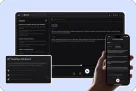
- Step 1: Visual SOPs. Standard Operating Procedures are boring in a binder. On a NearHub S Pro Smart Whiteboard, they become interactive. Employees can drag and drop elements to demonstrate they understand the morning setup.
- Step 2: Real-time Feedback. If a morning shift is struggling with a specific task, they can snap a photo, upload it to the board, and the manager can provide visual feedback remotely.
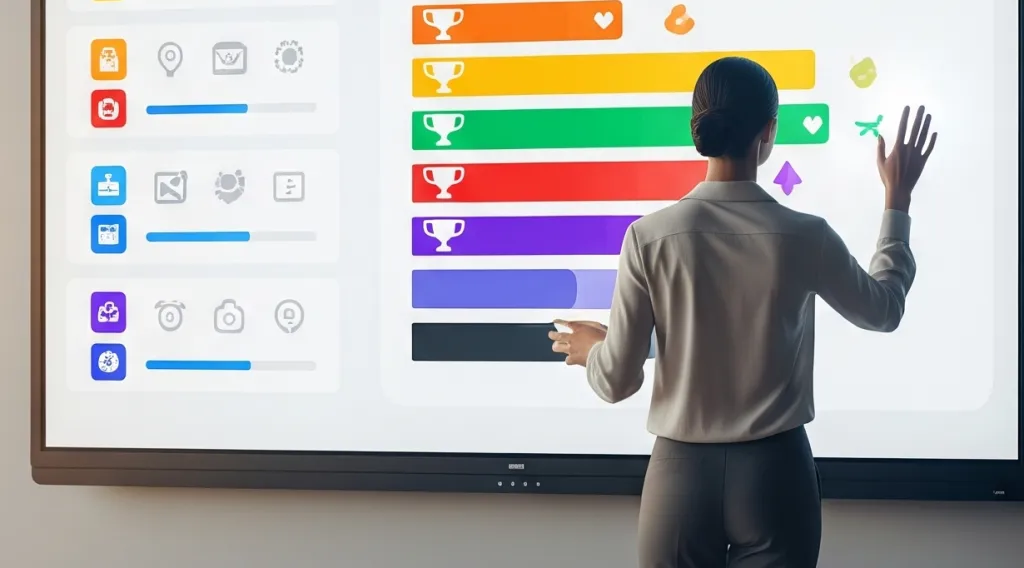
- Step 3: Gamification. Create a morning leaderboard for speed or accuracy. Displaying this on a large screen builds a sense of team competition.
 9. Future Trends in the 5 AM Economy and Morning Jobs
As we look toward 2026 and beyond, the demand for morning jobs will only increase. Why? The "On-Demand" economy requires 24/7 logistics.
What’s Changing?
- Automation: While AI will take over some data entry, the "human touch" in morning hospitality and healthcare is irreplaceable.
- Flex-Scheduling: More businesses will move toward 4-day work weeks, which often involves longer morning shifts.
- Health Focus: Employees are becoming more aware of "Circadian Health." Businesses that provide lighting and environments that support a healthy morning rhythm will win the talent war.
Conclusion & Next Steps
- Hiring for morning jobs is a marathon, not a sprint. It requires a deep understanding of candidate motivations, a strategic approach to recruitment, and the right technology to ensure those hires stick. By focusing on reliability, creating a supportive culture, and using modern tools like the NearHub S Pro Smart Whiteboard, your small business can turn the "AM scramble" into a competitive advantage.
- Filling your early morning vacancies doesn't have to be a struggle. When you prioritize clear communication and provide your team with the tools they need to succeed—like knowing how to use a smart board for better collaboration—you build a loyal, high-performing workforce that thrives while the rest of the world is still asleep.
- Looking for a reliable way to manage your morning jobs? Check out our smart white board here: Best Interactive Smart Whiteboard for Teaching & Business | NearHub Board S Pro | NearHub Official.
FAQs: Common Questions About Morning Jobs
How do I find people for early morning vacancies near me?
The best way is to focus on hyper-local SEO. Ensure your "Google Business Profile" is updated and mention your early hours. Use social media platforms like Nextdoor to find neighbors who are looking for work within walking distance.
What are the best full time morning jobs for parents?
Roles in administrative support, school district logistics, and opening-shift retail are popular. These jobs allow parents to be home when their children return from school.
How can I make morning jobs more attractive to Gen Z?
Highlight the "Lifestyle" aspect. Gen Z values time. If they can work from 5:00 AM to 1:00 PM and have the entire afternoon for hobbies, side hustles, or fitness, they are more likely to apply.
Why is training so difficult for early morning jobs?
The primary reason is the "supervisor gap." Often, the trainer and the trainee are both tired, or the manager isn't present. Using a smart white board to record and replay training sessions ensures consistency regardless of the hour.
What should be included in a "Sunrise Shift" compensation package?
Beyond the hourly wage, consider "Gas Stipends," free meals, and annual "Early Bird" bonuses for employees with 100% attendance records.





 sales@nearhub.us
