

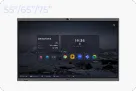
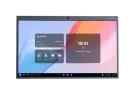
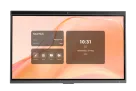
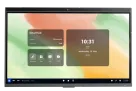













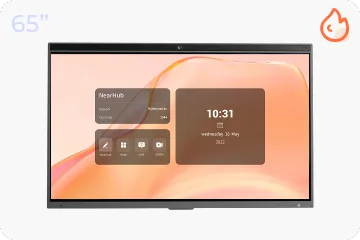
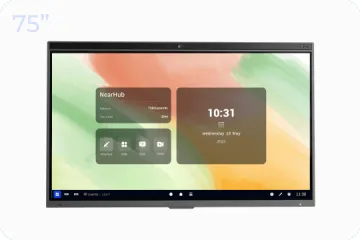
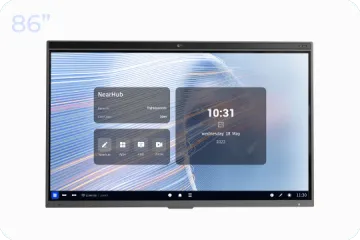
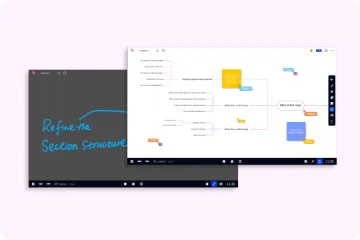
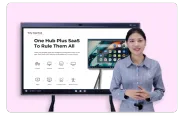

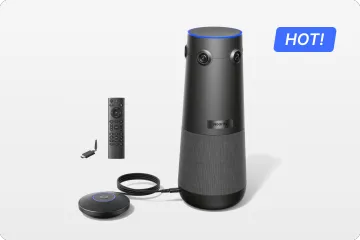
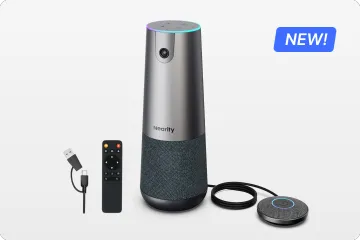
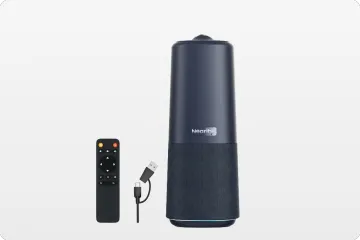



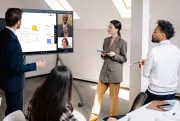

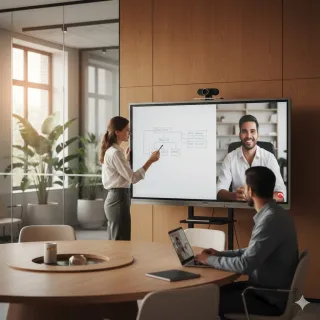
As the workforce moves beyond simple return-to-office mandates, organizations must redefine the physical office as a specialized tool for collaboration rather than a mere warehouse for people. This guide examines the strategic shift toward "Intentional Presence," focusing on five critical pillars: presence equity, frictionless tech integration, activity-based zoning, digital-first documentation, and outcome-based accountability. By leveraging NearHub S Pro technology and seamless room calendar synchronization, leaders can dissolve the digital divide and transform the office into a high-value destination that attracts top-tier talent and fosters high-bandwidth innovation.
Key Takeaways
- Activity-Based Presence: Move away from rigid day counts and allow tasks to dictate location—prioritize deep focus work at home and collaborative sprints in the office.
- Presence Equity: Utilize interactive smart boards to ensure remote participants have the same visual and vocal influence as those in the physical room, eliminating proximity bias.
- Eliminate "Setup Tax": Integrate enterprise room calendars with collaborative hardware to allow one-touch meeting entry, saving 10-15 minutes of technical friction per session.
- Digital-First Documentation: Ensure all brainstorming and visual logic are captured instantly to the cloud to prevent "information black holes" and maintain a single source of truth for distributed teams.
- Real Estate ROI: Optimize office space by reducing total square footage while significantly increasing the quality of collaborative "theaters" and technical infrastructure.
- Outcome-Based Management: Focus on impact and milestones rather than "hours in chair" to build a culture of trust and retain talent in a global, flexible market.
We have all been there: you wake up early, navigate a stressful forty-minute commute, and arrive at the office only to realize you are sitting in a cubicle alone, spending the next eight hours on the exact same Zoom calls you could have taken from your kitchen table. It feels inefficient, outdated, and frankly, a waste of human energy. This "ghost town" office phenomenon is the primary reason why so many organizations are struggling to maintain morale. If your team feels like the office is a chore rather than a tool, your current approach isn't working.
Welcome to the Ultimate Guide to 2026 workforce management. This is a comprehensive deep dive into building a hybrid workplace strategy that bridges the gap between remote freedom and office-based collaboration. In this guide, we will explore why a successful hybrid workplace strategy is no longer about mandatory attendance "day counts" but about creating a "magnet" office that employees actually choose to visit. Whether you are navigating the complexities of federal workers return to office mandates or looking to optimize a private-sector startup, this guide provides the roadmap to high-performance success.
Defining the Hybrid Workplace Strategy and Why the Traditional Model is Failing
To fix a broken office, we must first understand the hybrid workplace meaning in the modern context. A decade ago, work was a place you went. Today, work is an activity you perform. A high-performance hybrid workplace strategy treats the physical office as a specialized piece of equipment—much like a high-end laboratory or a recording studio—rather than a default storage facility for people.
The Shift from "Presence" to "Purpose"
The legacy model of "presence-based management" assumed that if an employee was at their desk, they were productive. We now know this is a fallacy.
- Synchronous Fluidity: The office should be reserved for high-bandwidth, face-to-face interaction.
- Deep Work Buffers: Research shows that deep focus tasks are often better suited for controlled home environments.
- Activity-Based Presence: Choosing the location based on the task is the hallmark of hybrid workplace best practices.
The Cost of "Tech Debt" in the Office
One of the most significant friction points is the technology gap. If an employee's home setup (high-speed fiber, ergonomic chair, quiet room) is superior to the office setup (tangled cables, broken projectors, noisy open plans), they will naturally resist the office. Implementing modern hybrid workplace solutions is the only way to reverse this trend.
Understanding the Hybrid Workplace Meaning: Shifting from Attendance to Intentionality
What is the true hybrid workplace meaning? It is the intentional design of a work ecosystem that prioritizes output over optics. According to a recent report by Gartner, organizations that successfully transition to an "intentional collaboration" model see a 25% increase in innovation and a 15% reduction in employee turnover.
The Three Dimensions of a Modern Strategy
- The Physical Dimension: Designing a collaboration hub that facilitates visual logic and group brainstorming.
- The Digital Dimension: Ensuring your hybrid workplace technology is seamless and frictionless.
- The Cultural Dimension: Eliminating "proximity bias" where office-based workers are favored over remote ones.
Why the "Ghost Town" Office Kills Culture
Culture isn't built by people sitting silently in adjacent cubicles; it is built by shared experiences. A robust hybrid workplace strategy mandates that if people are in the office, they are there to collaborate, not to perform solo tasks in a public space.
The 5 Pillars of a Modern Hybrid Workplace Strategy
To build a strategy that lasts, you must focus on infrastructure and policy simultaneously. Here are the five non-negotiable pillars of a 2026-ready hybrid workplace strategy.
1. Meeting Equity and Presence Equity
If four people are in a room and three are on a screen, the remote workers often feel like second-class citizens.
- The Solution: Utilize a smart electronic whiteboard to ensure everyone has an equal visual voice.
- Proximity Bias Training: Managers must be trained to actively invite remote participants into the conversation first.
2. Frictionless Technology Integration
Technology should be invisible. Every leader should understand how to use a smart board to launch a meeting in under sixty seconds.
- One-Touch Entry: Integration with Microsoft 365 and Google Workspace to eliminate "dongle fumbling."
- High-Fidelity Audio: Ensuring remote participants don't miss the "side-chatter" that often contains critical context.
3. Activity-Based Zoning
The office must be redesigned from a "row of desks" into a series of "theaters."
- Collaboration Theaters: Rooms designed specifically for managing hybrid teams during strategy sprints.
- Focus Pods: Small, soundproof areas for taking private calls.
4. Digital-First Documentation
If a brainstorm happens on a physical whiteboard and isn't captured digitally, it didn't happen.
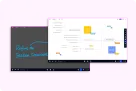
- Instant Exports: Using nearhub boards to export notes as PDFs instantly to the cloud.
- Persistent Canvases: Ensuring that a project roadmap stays "live" and accessible to everyone, regardless of location.
5. Outcome-Based Accountability
Managers must stop tracking "hours in chair" and start tracking "impact on milestones." This is the cornerstone of managing hybrid teams effectively.
Overcoming Resistance: From Federal Workers Return to Office to Private Sector Friction
The headlines are full of stories about federal workers return to office mandates and the subsequent fallout. Why is there so much resistance? It's because the "Why" hasn't been clearly communicated, and the "How" hasn't been optimized.
Lessons from the Public Sector
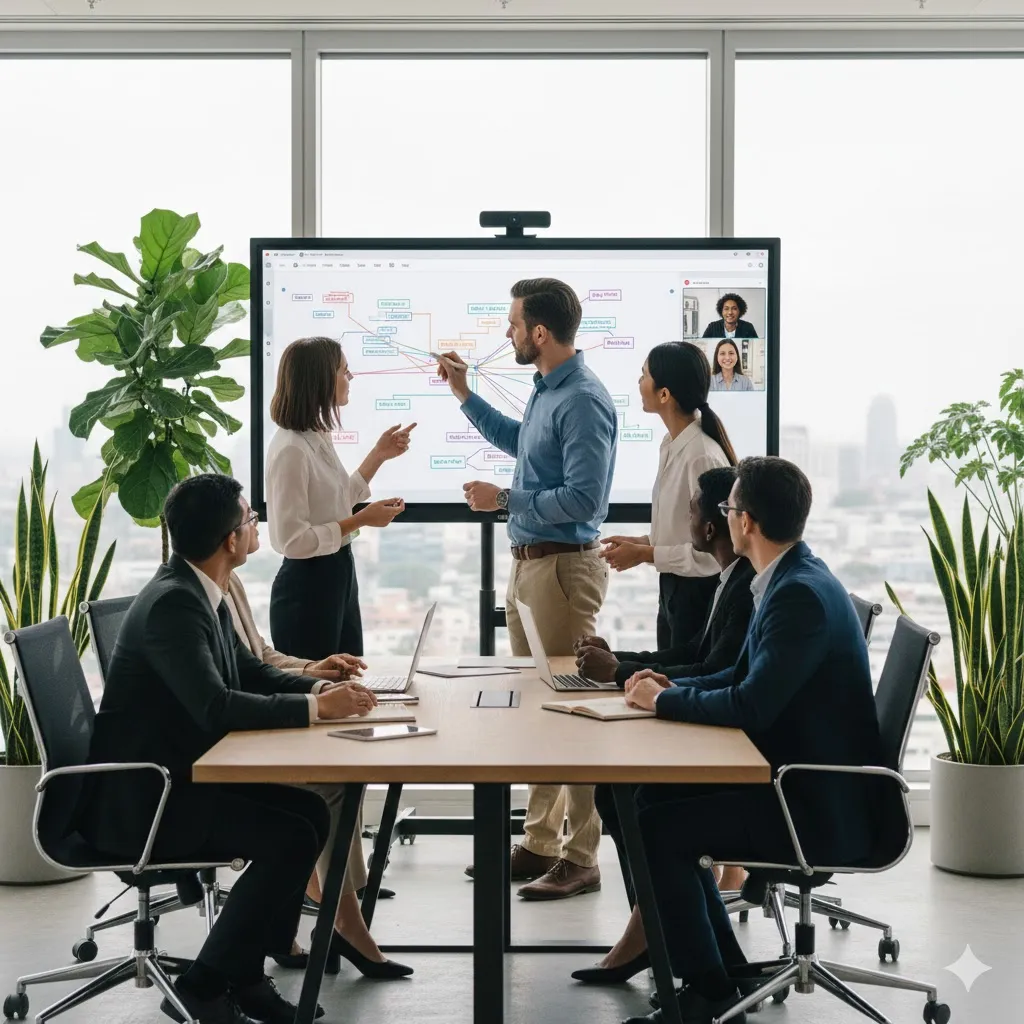
Federal agencies face unique challenges, including secure data handling and large, diverse workforces. However, the core issue remains: if the commute doesn't yield a collaborative surplus, it feels like a tax.
- The Security Gap: Hybrid models require enterprise-grade security.
- The Equity Gap: Ensuring that junior staff receive the mentorship they need, which is often a primary driver for returning to the office.
Making the Office a "Product"
Instead of a "mandate," think of the office as a product. You must offer features that the home office cannot provide. This includes high-performance hybrid workplace technology like interactive surfaces and AI-driven acoustics.
Essential Hybrid Workplace Technology: Infrastructure for Seamless Collaboration
A strategy without the right tools is just a wish list. To support a high-functioning hybrid team, you must invest in the "connective tissue" of the workspace.
The Power of the Smart Whiteboard
The smart white board is the central nervous system of the modern meeting room. It bridges the gap between the person holding the stylus and the person on the Zoom call.
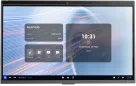
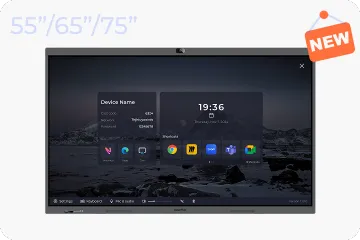
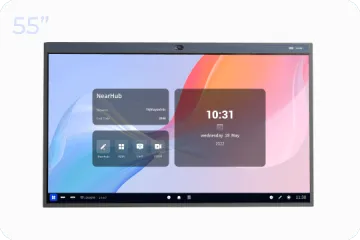
- NearHub S Pro Smart Whiteboard: This device allows for real-time, zero-latency sketching that is visible to everyone globally.
- Visual Logic: Complex problems are easier to solve when the whole hybrid team can see the logic mapped out visually.
Integrated Software Ecosystems
Your hybrid workplace strategy must include a software stack that supports asynchronous excellence.
- Cloud Persistence: Notes from Monday’s office session should be waiting for the remote worker on Tuesday morning.
- Calendar Sync: One of the most important hybrid workplace best practices is syncing room calendars with the hardware to eliminate room poaching.
Designing a High-Performance Hub: Advanced Hybrid Workplace Strategy
To achieve a true collaboration hub, you must move beyond the furniture and think about the "flow" of information. An advanced hybrid workplace strategy treats the office as a destination of choice.
Comparison Table: Legacy vs. 2026 Hybrid Strategy
| Feature | Legacy Office Strategy | 2026 Hybrid Workplace Strategy |
|---|---|---|
| Primary Metric | Attendance / Badge Swipes | Impact / Deliverables |
| Tech Focus | Personal Laptops | Interactive Collaboration Hub |
| Office Layout | Assigned Cubicles | Activity-Based Zoning |
| Documentation | Paper / Manual Meeting Minutes | Instant Cloud Sync / AI Summaries |
| Equity | Proximity Bias | Presence Equity for Remote Workers |
Using NearHub to Drive Office Magnetism
When you provide tools like the NearHub S Pro Smart Whiteboard, you are giving employees a reason to come in. The ability to work on a massive 4K interactive canvas with colleagues provides a level of creative friction and "spatial energy" that a 13-inch laptop screen simply cannot replicate.
Best Practices for Managing Hybrid Teams in a Flexible Ecosystem
Managing hybrid teams is perhaps the most difficult leadership challenge of the current decade. It requires a high level of emotional intelligence and a mastery of hybrid workplace solutions.
Eliminating the "Hidden" Distance
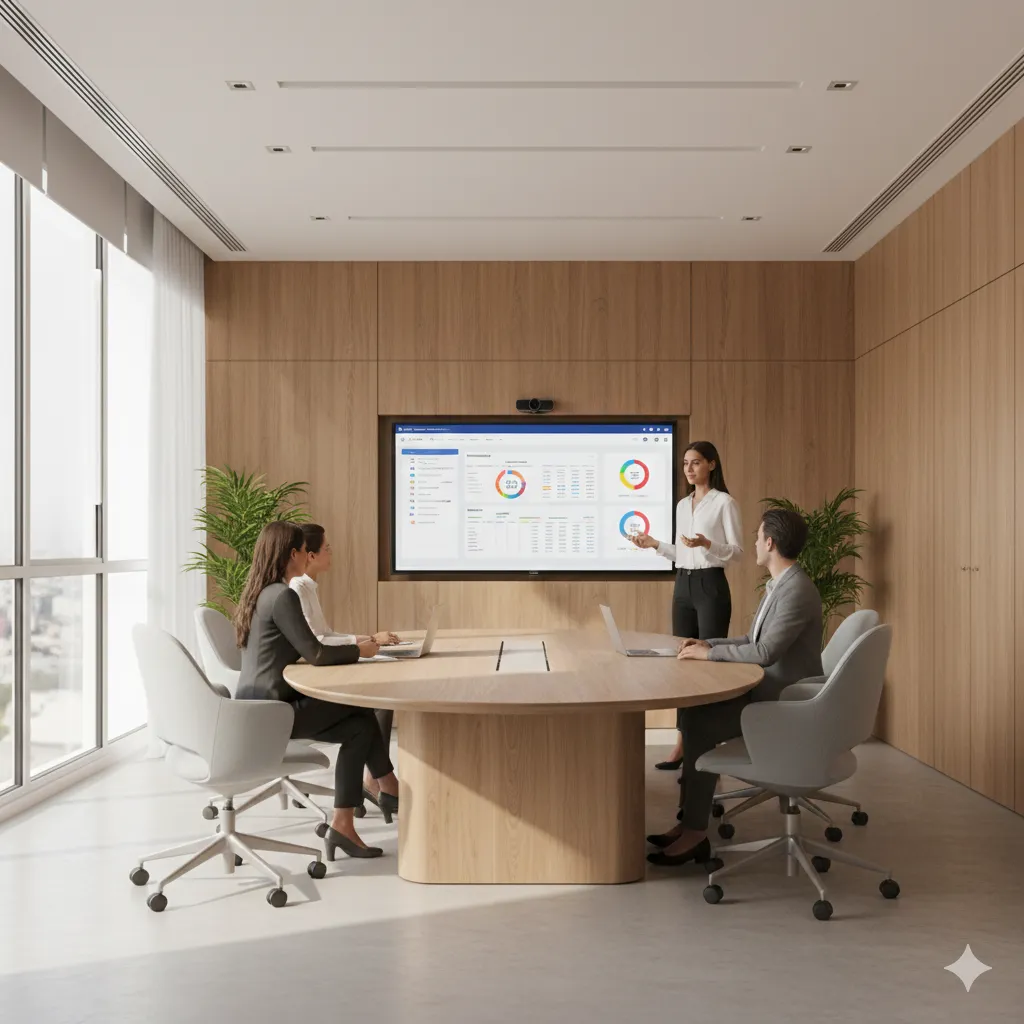
- Remote-First Communication: If one person is remote, the entire meeting is conducted via the digital canvas.
- Scheduled Spontaneity: Use "virtual watercooler" tools to maintain the social capital that is often lost in purely remote setups.
The "Office Magnet" Checklist
- Is the Wi-Fi faster than their home connection?
- Is the nearhub board ready and synced with the calendar?
- Are there designated quiet zones for deep focus?
- Is the commute justified by a high-value collaborative event?
Calculating ROI: The Economic Impact of a Robust Hybrid Strategy
A successful hybrid workplace strategy is not just about keeping employees happy; it is about the bottom line. By optimizing your real estate and increasing productivity, you can achieve a massive return on investment.
Real Estate Optimization
By moving to an activity-based model, many firms are able to reduce their total square footage by 30-40% while simultaneously increasing the quality of the space they keep. This capital is then reinvested into hybrid workplace technology.
Talent Retention and Recruitment
In a global talent market, flexibility is a top-three requirement for employees. A rigid "return to office" mandate without a logical hybrid workplace strategy is an invitation for your best talent to leave for your competitors.
FAQ Section: Optimizing Your Hybrid Workflow
What is a hybrid workplace strategy?
A hybrid workplace strategy is a comprehensive plan that defines how, when, and where employees work. It combines policy, culture, and technology to ensure that work is performed in the location most suitable for the task.
How does "presence equity" affect hybrid teams?
Presence equity ensures that remote workers have the same influence and visibility as those in the room. This is achieved through communication protocols and hybrid workplace technology like interactive smart boards.
Why is federal workers return to office so controversial?
The controversy stems from the conflict between administrative mandates and the proven productivity gains of remote work. A successful transition requires moving toward a hybrid workplace strategy that justifies the office as a high-value collaboration center.
What is the ROI of a smart whiteboard for business?
A [smart white board] reduces "Setup Tax" (the time wasted starting meetings) and eliminates "Documentation Black Holes" by instantly syncing ideas to the cloud. This saves hundreds of hours of administrative re-work per year.
How do you manage a hybrid team effectively?
Effective management requires a "Remote-First" communication mindset, outcome-based performance metrics, and the use of a central collaboration hub to keep all team members aligned on visual project roadmaps.
Conclusion & CTA
The transition to a hybrid-first world is the most significant shift in corporate culture in over a century. Successfully navigating this change requires more than just a memo; it requires a radical commitment to hybrid workplace best practices and a willingness to invest in the right hybrid workplace solutions.
By focusing on intentional collaboration, eliminating tech friction with tools like the NearHub S Pro, and moving toward outcome-based management, you can build a hybrid workplace strategy that doesn't just "work"—it excels. The goal is to make the office a destination that employees want to visit because it empowers them to do their best work, not because a badge swipe says they have to be there.
Looking for a reliable hybrid workplace strategy? Check out our here: Best Interactive Smart Whiteboard for Teaching & Business | NearHub Board S Pro | NearHub Official.



 sales@nearhub.us
