































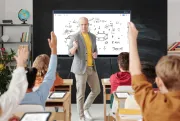
This article explores the definition of kinesthetic learning, a dynamic educational style where movement and physical interaction are central to the learning process. By examining the unique traits of the tactile kinesthetic learner, such as exceptional muscle memory and a preference for "learning by doing," the piece highlights how hands-on activities foster essential skills like creative thinking and problem-solving. Furthermore, it provides actionable kinesthetic tactile learning strategies for both students and educators—ranging from movement breaks to the use of interactive technology like the Nearhub Board—to create a more engaging and effective learning environment.
Key Takeaways
- Definition: Kinesthetic learning (or tactile learning) is one of the three primary learning styles, emphasizing physical sensation and bodily movement to process new information.
- The Learner Profile: A kinesthetic tactile learner typically excels in practical applications, struggles with long passive lectures, and thrives when they can physically manipulate their environment.
- Core Benefits: Beyond academic retention, kinesthetic and tactile learning enhances social collaboration, fine motor coordination, and self-confidence through tangible achievements.
- Effective Strategies:
- For Students: Incorporating "movement breaks," acting out complex concepts, and teaching others using interactive canvases.
- For Teachers: Keeping lectures concise, utilizing outdoor learning, and integrating multimedia tools to encourage active participation.
- The Tech Edge: Modern tools like the Nearhub Board and MagicPad S13 bridge the gap between digital content and physical interaction, making them ideal for modern tactile learners.
What is kinesthetic learning
Before we delve into the definition of kinesthetic learning, let’s look at the word “kinesthetic.” Derived from "kinaesthesia," it refers to the body's ability to sense movement, position, and muscular tension. Essentially, kinesthetic and tactile learning connects the educational process to physical movement.
Also known as hands-on learning, it is a unique style characterized by physical engagement. Alongside visual and aural styles, it is one of the three primary types of learning. A kinesthetic tactile learner absorbs information best when they can actively use their sense of touch and bodily sensations.
Characteristics of kinesthetic learners
A tactile kinesthetic learner often requires practical application and physical interaction with their environment to retain information. This style emphasizes experiential and dynamic approaches to education.
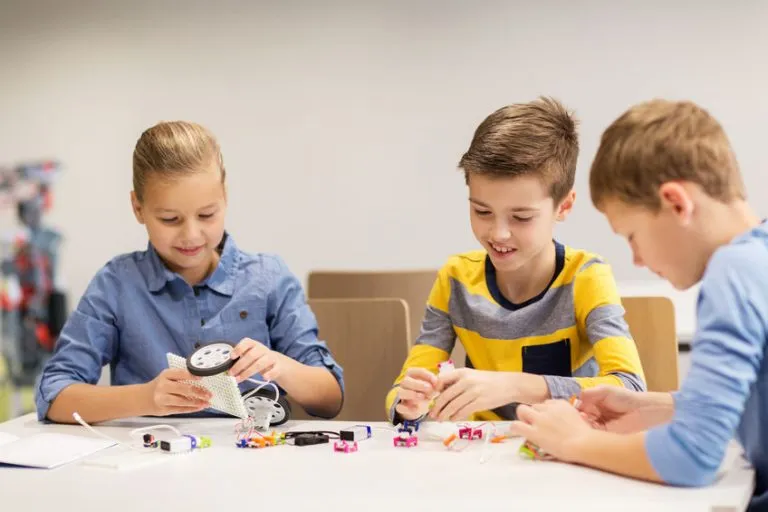
Typical characteristics of kinesthetic learners include the following:
- Excellent muscle memory: Kinesthetic learners perform exceptionally well in sports and musical instrument playing due to their exceptional ability to retain information through physical practice.
- Difficulties with passive learning: Since they need active participation to keep their interest and engagement, traditional, lecture-based learning may be less successful for them.
- Creative and artistic abilities: Kinesthetic learners frequently have a great affinity for the arts, particularly sculpting and performing arts, which require physical expression.
- Active participation: They are excellent in team sports and group activities, contributing actively to debates and group projects.
- Preference for hands-on activities: Kinesthetic learners do best in tactile, interactive settings where they can interact with the material in a hands-on way, like in experiments or real-world projects.
- Engagement through movement: During learning, they frequently use gestures, pacing, or other physical actions to improve understanding and memory.
- Learning by doing: Knowledge is best retained and understood by these learners when it is practically applied in real-world scenarios.
Benefits of kinesthetic learning
Having explored the distinct characteristics of kinaesthetic learners, it's essential to recognize the valuable benefits that this unique learning style offers. Let's delve deeper into the rich array of benefits that kinesthetic learning provides, shedding light on how it empowers individuals in their educational journey and beyond.
- Building social skills Through group activities and interactive projects, kinesthetic learners engage with their peers, learning how to communicate, cooperate, and resolve conflicts effectively. These experiences promote the development of their teamwork, empathy, and leadership skills.
- Enhancing creative thinking Through practical experiences, learners can think outside the box, innovate, and develop novel solutions to challenges. Engaging in creative tasks such as art, design, or problem-solving activities fosters imaginative thinking and the ability to approach problems from different angles.
- Encouraging problem-solving skills By physically manipulating objects and actively participating in challenges, kinesthetic learners develop strong problem-solving abilities. These problem-solving skills are transferable to academic, professional, and personal scenarios, making kinesthetic learners adept at overcoming obstacles and finding effective solutions.
- Improving motor coordination and abilities In addition to cognitive benefits, kinesthetic learning aids in the development of physical skills and coordination. Playing sports or engaging in artistic endeavors improves both fine and gross motor skills, which in turn improves overall dexterity and hand-eye coordination.
- Building confidence in oneself As individuals conquer obstacles and showcase their abilities, they gain a sense of accomplishment, which extends beyond the classroom or learning environment. And these achievements boost self-confidence and self-esteem.
Kinesthetic learning strategies
If you identify as a kinesthetic tactile learner, use these kinesthetic tactile learning strategies to enhance your focus:
Incorporate movement breaks
Incorporating movement breaks during your study sessions is a more than beneficial for kinesthetic learners. Schedule short breaks to engage in physical movement during your study sessions. Standing up, stretching your body, doing a few jumping jacks, or going for a short walk all serve as pause buttons for your brain. They allow you to release pent-up restlessness, revitalize your mind, and improve your ability to focus.
Utilize interactive study tools
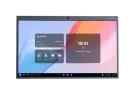
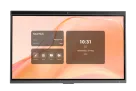
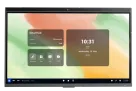
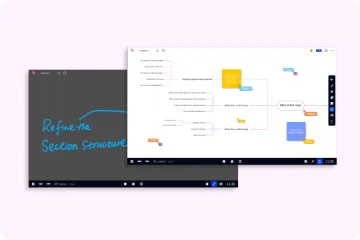
Incorporate tactile study tools such as interactive whiteboards and flashcards. For instance, you can actively interact with the content by underlining, drawing, and annotating key points using Nearhub Board. You can physically engage with the material using this hands-on approach, which helps to increase its memorability and comprehension. These resources support your kinesthetic learning style and provide a hands-on approach to learning, enhancing the effectiveness and interactivity of the learning process.
Acting out concepts
Physically embodying subject matter is a powerful kinesthetic learning strategy, particularly for processes and historical events. Instead of passive learning, this approach turns the educational process into a vivid and memorable experience. For example, when studying the water cycle, physically simulates its stages, from condensation to precipitation. This interactive approach ensures that learning is not just an intellectual exercise but an immersive journey.
Teach others
Teaching others stands as a great kinesthetic learning strategy because it necessitates active participation and a profound understanding of the material. This approach becomes even more impactful when coupled with interactive whiteboards. For instance, you can collaborate with peers to take notes together, discuss topics in real-time, and annotate content on a shared Nearhub Board canvas, which is a vibrant, engaging, and effective learning process.
Kinesthetic learning tips for teachers
Teachers play a crucial role in supporting students who need movement. Here are several learning activities for kinesthetic learners:
- Utilize multimedia tools
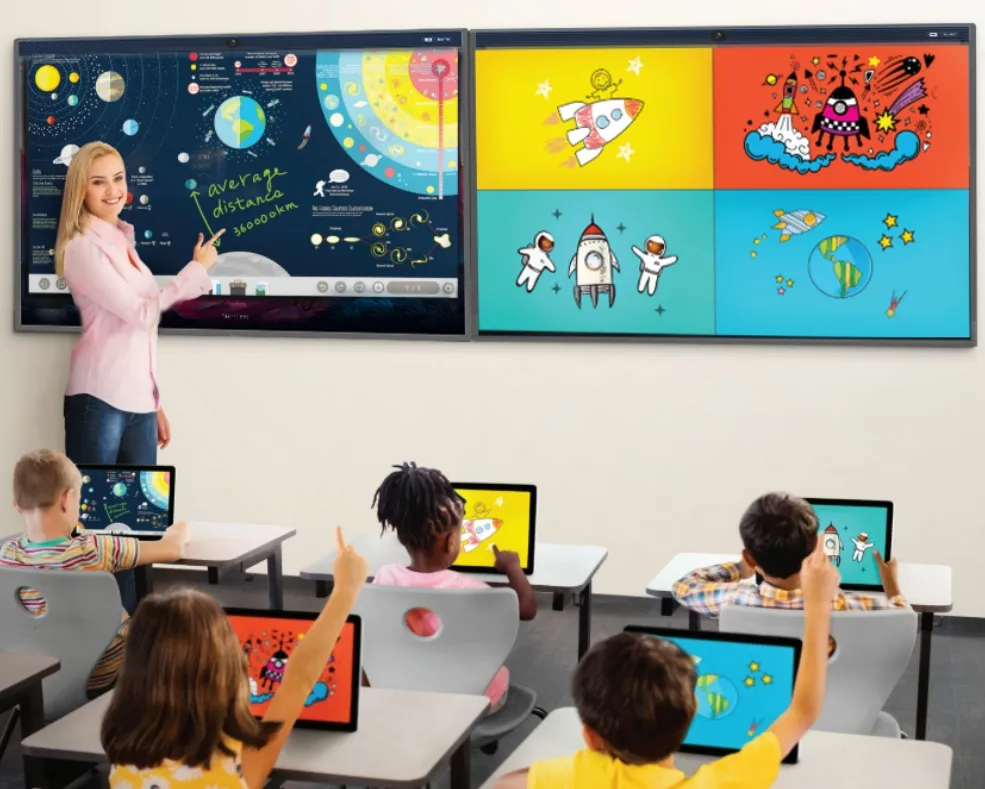
Incorporating multimedia tools allows students to engage with content, such as videos, images and games can make learning more dynamic and memorable. A fine example is using interactive whiteboards to show educational videos or play Geogle games that involve physical demonstrations or experiments related to the curriculum.
- Teach outside
Teach outside of the classroom whenever possible, or whenever you can make a connection to the lesson. Because real-life examples help students understand better, you can take them outside to a park or the schoolyard to learn about plants. They can touch and feel the plants instead of just reading about them and seeing pictures. Take the students outside to play games or simply observe. As an added bonus, they will be actively learning.
- Encourage students to move around
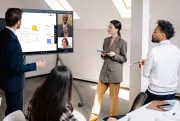
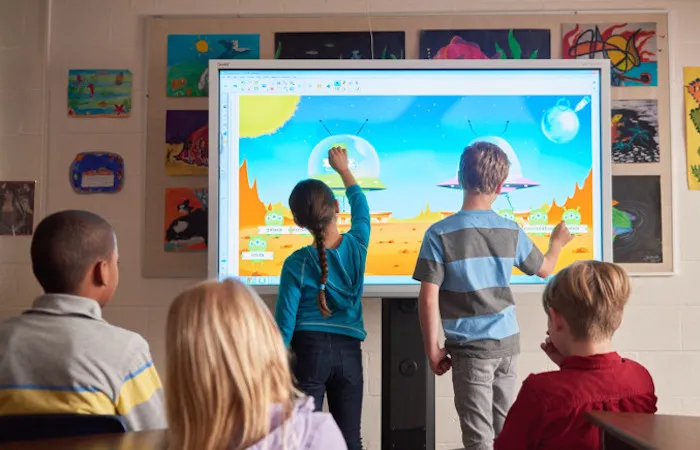
You can encourage students to be more active and physically engaged during class rather than sitting passively. Invite students to step up to the interactive whiteboard and demonstrate their problem-solving strategies or brainstorm ideas as a group. This approach fosters a sense of participation and ensures that students are actively moving and interacting with the material. Moreover, you'll get more out of them in class if they can move around.
- Keep your lectures brief and to the point
Kinesthetic learners thrive on active participation; therefore, extended lectures may result in restlessness and reduced engagement. To optimize the learning experience, it's advisable to break your lessons into shorter, interactive segments. This way, students have the opportunity to physically interact with the content, ensuring that the learning environment remains dynamic, engaging, and tailored to their kinesthetic needs.
I've only given a few examples, and teachers should try out different approaches in the classroom. It is critical for teachers to understand the most effective ways for their students to retain information and understand the concepts they are taught. Make sure to include hands-on experiences, or lessons with a practical component and movement for kinaesthetic students.
Conclusion
In summary, the definition of kinesthetic learning centers on processing information through touch and movement. Using targeted kinesthetic learning activities not only improves academic performance but also builds social and critical thinking skills.
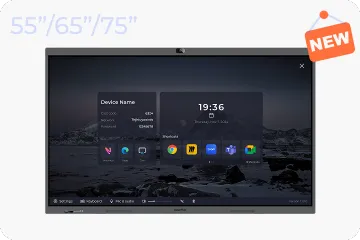
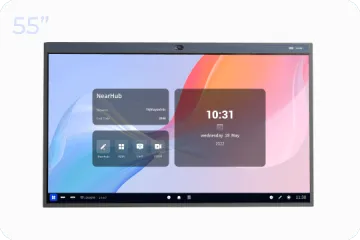
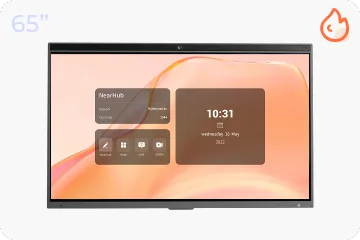
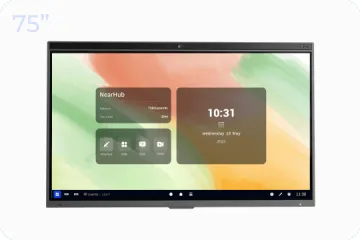
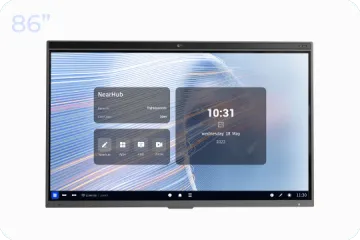
Our product, Nearhub Board, serves as the ultimate companion for kinesthetic tactile learner, enabling them to learn through active participation, sparking their interest, and ultimately achieving the highest level of learning efficiency.
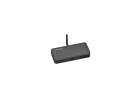
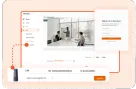
NearHub is an all-in-one solution for meeting rooms and classrooms. NearHub possesses an interactive digital Board with cutting-edge smart software. By combining your favorite programs with mess-free writing canvas and video conferencing, you can improve your interaction and productivity in the online classroom. Besides, NearHub also provides MagicPad S13 to improve digital learning and creativity. Click here to view more on NearHub.
Frequently Asked Questions (FAQ)
Q: What is the simplest definition of kinesthetic learning? A: Kinesthetic learning, also known as tactile or hands-on learning, is a learning style where individuals absorb information best through physical activities, movement, and touch rather than just listening or watching.
Q: What are some common kinesthetic learning examples in the classroom? A: Common kinesthetic learning examples include conducting science experiments, using physical blocks for math (manipulatives), role-playing historical events, or using interactive whiteboards like the Nearhub Board to physically map out ideas.
Q: How can I tell if I am a kinesthetic tactile learner? A: You might be a kinesthetic tactile learner if you find it hard to sit still for long lectures, prefer to "dive right in" to new tasks, use your hands frequently while talking, and have strong coordination or a knack for sports and crafts.
Q: What are the best kinesthetic learning activities for remote students? A: For remote settings, effective learning activities for kinesthetic learners include using digital interactive canvases for brainstorming, taking "walking meetings" while listening to lectures, and using household objects to demonstrate complex concepts during video calls.
Q: What are the most effective kinesthetic tactile learning strategies? A: Top kinesthetic tactile learning strategiesinclude taking frequent movement breaks, converting notes into flashcards, practicing "shadow teaching" (acting out a lesson), and using tactile tools like the MagicPad S13 to sketch or annotate during study sessions.




 sales@nearhub.us
