

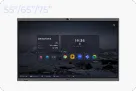
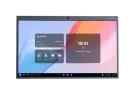
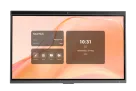
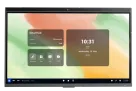






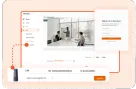
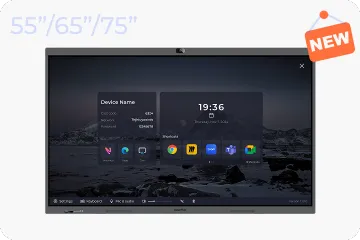
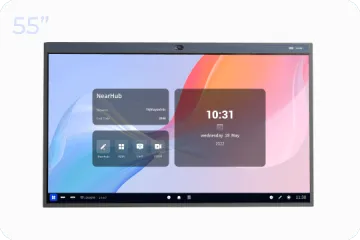
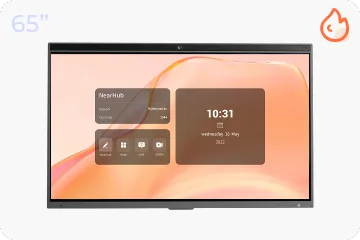
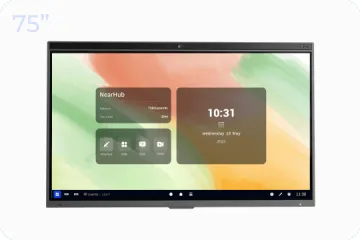
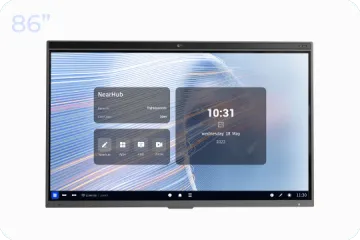
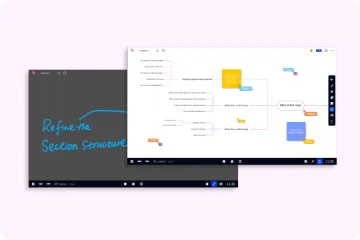





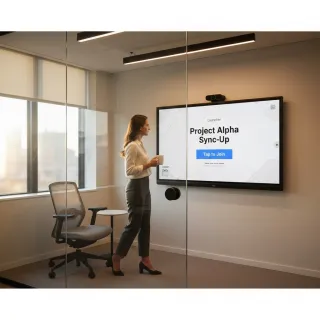
As hybrid work matures into a strategic standard in 2026, the gap between remote policy and office reality remains a significant hurdle for many organizations. This ultimate guide breaks down the multi-dimensional benefits of hybrid working—ranging from global talent acquisition and radical real estate optimization to enhanced employee wellness. It highlights the critical role of "Presence Equity" and illustrates how high-performance tools, such as the NearHub S Pro with Room Calendar integration, eliminate technical friction. By shifting from "presence-based" to "activity-based" management, leaders can build a resilient, high-output workspace that attracts top-tier talent and fosters long-term innovation.
Key Takeaways
- Managing Energy Over Attendance: Shift from rigid "3-2" day counts to "Activity-Based Presence," where teams come to the office only for high-bandwidth, high-value collaborative sprints.
- The "Setup Tax" Elimination: Deep integration between hardware and room calendars (Outlook/Google) allows for one-touch entry, saving an average of 15 minutes of technical friction per meeting.
- Presence Equity as a Mandate: High-fidelity visual tools and AI spatial tracking ensure that remote workers have the same "visual voice" and interactive weight as those physically in the room.
- Real Estate ROI Transformation: By investing in superior technology and reducing physical desk footprints, companies can achieve a higher ROI on smaller, high-tech "Collaborative Theaters."
- Digital-First Documentation: Every brainstorm must be instantly digitized. One-click PDF exports and cloud-persistent canvases ensure that decisions are never lost in "Documentation Black Holes."
- The Office as a "Service": To successfully navigate the return-to-office, leaders must treat the workplace as a product that offers tools (like NearHub interactive boards) superior to what employees have at home.
- Eliminating Proximity Bias: Leadership in 2026 requires active inclusion of remote staff to prevent fragmented cultures and ensure diverse perspectives are always at the center of decision-making.
We’ve all experienced that specific type of workplace friction: you commute for forty-five minutes into a "ghost town" office, only to spend the entire day on Zoom calls with colleagues who are sitting in their own kitchens. It feels inefficient, outdated, and frankly, frustrating. This disconnect between policy and reality is why so many organizations struggle to move past the surface-level implementation of flexible work. To truly thrive, you need a roadmap that bridges the gap between the physical and digital worlds.
Welcome to the Ultimate Guide to Hybrid Work in 2026. This is a comprehensive deep dive into everything your organization needs to know about the benefits of hybrid working, the necessary technological infrastructure, and the cultural shifts required for long-term success. Within the first few pages of this guide, we will explore why the benefits of hybrid working are no longer just "perks" but essential competitive advantages in a global talent market. Whether you are a CEO, an IT director, or a team lead, this guide is designed to help you turn the "hybrid" buzzword into a high-performance reality.
Defining the Hybrid Job Meaning in 2026: Why Location No Longer Limits Talent
Before we can analyze the benefits of hybrid working, we must establish a clear definition of what we are talking about. In the early 2020s, "hybrid" was often a chaotic compromise. By 2026, the hybrid job meaning has evolved into something far more sophisticated: it is a result-oriented model where the location of work is determined by the nature of the task, not the day of the week.
The Shift from "Presence" to "Performance"
In a traditional office, presence was often used as a proxy for productivity. If you were at your desk, you were "working." The modern hybrid job meaning flips this script. Performance is now measured by output, impact, and collaboration quality. This shift allows employees to find their "flow state" at home for deep-focus tasks while utilizing the office as a high-octane hub for brainstorming and social connection.
Key Characteristics of a 2026 Hybrid Role
To understand the benefits of hybrid working, you must recognize the pillars of a successful role:
- Autonomy: Employees have the agency to choose their environment based on their daily goals.
- Synchronous Collaboration: The office is reserved for high-bandwidth, face-to-face interaction.
- Asynchronous Excellence: Digital systems ensure that information flows even when team members are offline.
- Presence Equity: Technology ensures that remote participants have the same "visual voice" as those in the room.
The Strategic Benefits of Hybrid Working for Modern Enterprises
Why are the world’s most successful companies doubling down on this model? The answer lies in the multifaceted benefits of hybrid working that touch every part of the P\&L statement. According to a 2026 study by Forbes Insights, organizations that successfully implement a benefits of hybrid work model see a 22% increase in employee retention and a 15% reduction in overall operational overhead.
Access to a Global Talent Pool
One of the most significant benefits of hybrid working is the ability to hire without geographical constraints. When you remove the requirement for a daily commute, you open your doors to specialized talent in different time zones and demographics. This diversity of thought is a primary driver of innovation.
Radical Cost Optimization
By shifting to a hybrid environment, companies can move away from massive, underutilized real estate holdings. Instead of paying for a desk for every employee, organizations are investing in smaller, high-tech "Collaborative Hubs." This reduces rent, utilities, and maintenance costs while freeing up capital to invest in employee growth and better technology, such as a high-quality smart white board.
Resilience and Agility
A distributed workforce is a resilient workforce. Whether it’s a local power outage, a transit strike, or a global health event, a team that is already comfortable operating in a hybrid environment can pivot instantly without losing a day of productivity.
Maximizing the Benefits of Hybrid Working Through Infrastructure: The Role of the Smart White Board
The biggest mistake a company can make is assuming that a "hybrid policy" is enough. Without the right tools, the benefits of hybrid working quickly evaporate, replaced by "meeting fatigue" and "digital isolation." To support a high-performance team, you need a centralized command center.
The Need for a Physical-Digital Bridge
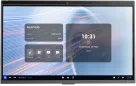
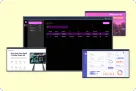
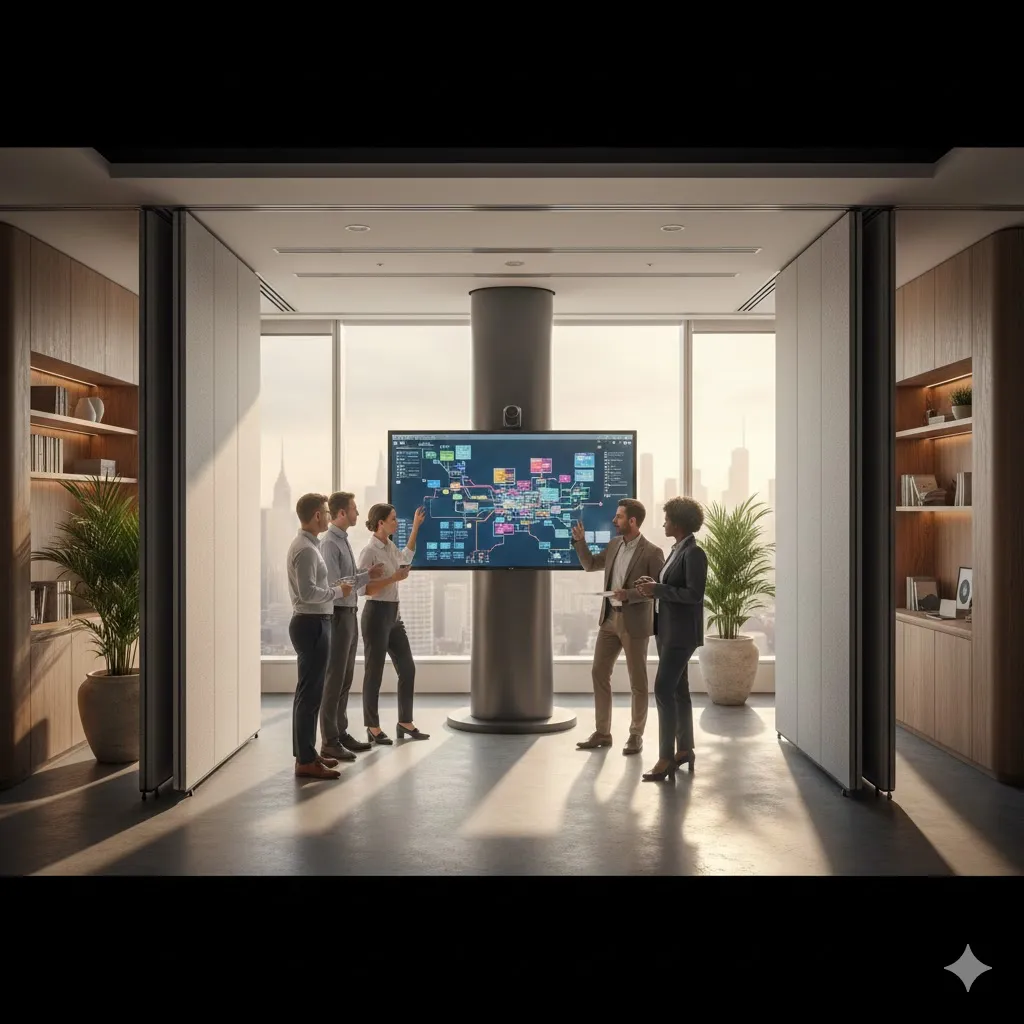
In a hybrid environment, the greatest friction occurs during brainstorming. When three people are at a physical whiteboard and four are on a screen, the remote workers become second-class citizens. This is where the NearHub S Pro Smart Whiteboard becomes a game-changer. It acts as a portal, ensuring that every stroke made in the office is instantly visible and interactive for those at home.
Features that Drive Hybrid Success
To fully realize the benefits of hybrid working, your infrastructure must support:
- Zero-Latency Collaboration: Remote users must see annotations in real-time to stay engaged.
- 4K Visual Fidelity: If remote workers can’t read the "fine print" on the board, they disengage.
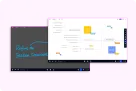
- Cloud Persistence: Brainstorming shouldn't end when the meeting does. Everything should be instantly saved and shareable.
Solving the "Setup Tax"
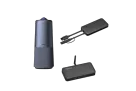
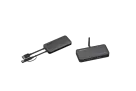
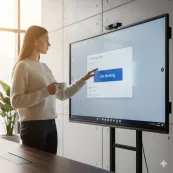
We’ve all wasted the first ten minutes of a meeting trying to find an HDMI cable or a Zoom link. A professional nearhub setup eliminates this "setup tax" by integrating directly with your company’s room calendar. You walk into the room, tap your scheduled meeting on the launcher, and you are live.
Analyzing the Benefits of Hybrid Working and Real Estate ROI
If you are an executive looking at the budget, you are likely asking about the "bottom line." The benefits of hybrid working are most visible when comparing the cost of square footage to the cost of high-performance technology.
The Cost Comparison Table: Legacy vs. Hybrid
To understand the financial benefits of hybrid working, let’s look at the numbers for a 50-person team over a 3-year period.
| Expense Category | Legacy Office Model (100% In-Person) | Hybrid Work Model (60% Remote) | Savings / Value Add |
|---|---|---|---|
| Real Estate Rent | $450,000 / Year | $200,000 / Year | $250,000 Savings |
| Tech Investment | $15,000 (Basic TVs/Cables) | $45,000 (Advanced Smart Boards) | -$30,000 (Investment) |
| Employee Retention | Standard Turnover | 22% Improvement | High Value / Reduced Hiring Costs |
| Meeting Efficiency | 15 min Setup Avg. | 2 min Setup (Calendar Sync) | ~100+ Hours Saved / Month |
Investing in Quality over Quantity
While the smart board price may seem higher than a standard television, the ROI is found in the hours saved and the innovation sparked. When you invest in a smart board price that includes integrated cameras, microphones, and a collaborative OS, you are essentially buying a "Productivity Accelerator" that justifies the reduction in physical office size.
Bridging the "Distance Gap" in a Hybrid Environment: Communication and Cultural Synergy
One of the most cited downsides of remote work is the loss of "watercooler talk." However, the benefits of hybrid working include the ability to engineer these connections more intentionally. A successful hybrid environment doesn't leave culture to chance; it builds it into the workflow.
Presence Equity: The Heart of Inclusion
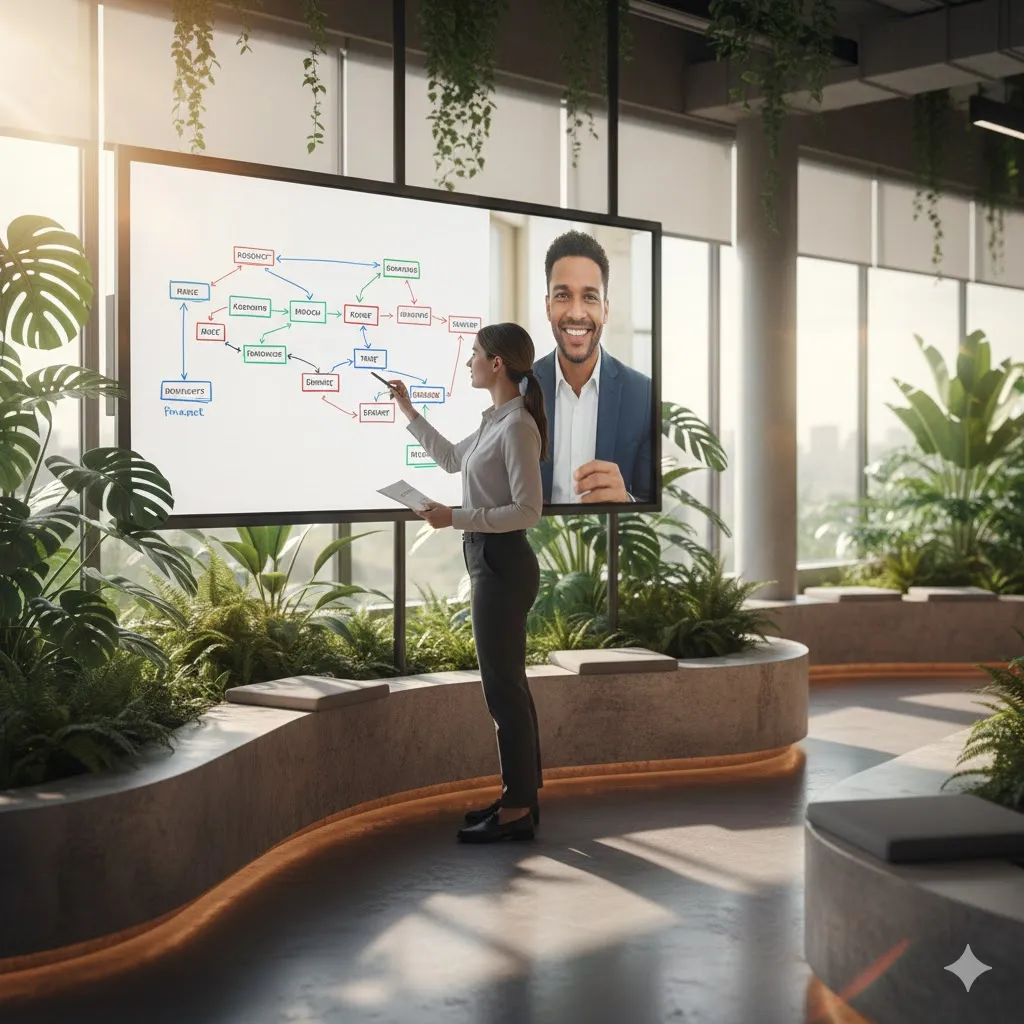
Presence equity is the idea that everyone in a meeting has an equal opportunity to contribute, regardless of their location. Using a smart board for conference room allows for a "Split-View" experience. On one side, you have the collaborative canvas; on the other, you have the high-definition faces of your remote colleagues. This visual balance is essential for preventing "proximity bias."
Strategies for Cultural Synergy
- Virtual "Open Houses": Use your nearhub board to host casual "coffee chats" where anyone can drop in and see what's being sketched out.
- Documentation as Culture: When every meeting is recorded and every board is exported as a PDF, the "hidden knowledge" of the office becomes public and accessible.
- The "One Remote, All Remote" Rule: If even one person is joining via a screen, the entire team should use digital tools to ensure no one is left out of the "in-room" side conversations.
Implementing a Benefits of Hybrid Work Model for Employee Wellness
Beyond the financial and strategic gains, the benefits of hybrid working are deeply personal for your employees. In 2026, work-life integration is the number one priority for the modern workforce. A benefits of hybrid work model is a powerful tool for preventing burnout and fostering a culture of trust.
Reclaiming the Commute
The average US worker spends over 200 hours a year commuting. One of the greatest benefits of hybrid working is giving that time back. This time is often reinvested into sleep, exercise, or family, leading to a much higher "Employee Net Promoter Score" (eNPS).
The Psychological Safety of Choice
When an employee knows they have a smart white board and a robust digital ecosystem waiting for them, they don't feel "guilty" for working from home. They feel empowered. This psychological safety leads to higher risk-taking and more creative problem-solving.
Wellness Checklist for a Hybrid Team
- Ergonomic Support: Ensure employees have high-quality setups both at home and in the office.
- Digital Boundaries: Set "No-Meeting Fridays" to allow for deep-focus work.
- In-Person Anchors: Schedule monthly or quarterly "Collaboration Sprints" to build social capital.
The Future of Productivity: Building a Smart Board for Conference Room Strategy
As we look toward the end of the decade, the benefits of hybrid working will only increase as spatial computing becomes mainstream. To stay ahead, your smart board for conference room strategy must be forward-looking.
The "Command Center" Concept
The conference room of 2026 is no longer a room with a table and chairs; it is a "Command Center." It is a place where data, human intuition, and remote expertise converge. By prioritizing a smart board for conference room that is platform-agnostic, you ensure that your team can collaborate whether they use Zoom, Microsoft Teams, or Google Workspace.
Mastering the Technical Transition: How to Use Room Calendar Sync
One of the specific benefits of hybrid working that often goes overlooked is the "frictionless office." This is achieved through deep software-hardware integration.
One-Touch Entry and Room Awareness
By syncing your nearhub board with your company's room calendar (Outlook/Google), you solve the three biggest hybrid headaches:
- Room Poaching: The board clearly shows if a room is booked, preventing awkward interruptions.
- Meeting Identification: No more "Is this the 10 AM or the 10:30 AM?" confusion. The meeting name is right on the launcher.
- Content Readiness: When you walk in, the board knows who is in the meeting and can have the previous session's notes ready for review.
Asynchronous Follow-Ups
The meeting doesn't end when people leave the room. A high-performance smart white board allows for instant "Session Persistence."
- QR Code Sharing: Participants scan a code to take the notes with them.
- Auto-Emailing: The board automatically sends the exported PDF to everyone on the calendar invite.
- Recording: The entire visual and audio session is saved for those who couldn't attend live.
FAQ Section: Optimized for Voice Search
What are the main benefits of hybrid working for employers?
The primary benefits of hybrid working for employers include access to global talent, significant reductions in real estate and overhead costs, and increased employee retention rates due to improved work-life balance.
How does a hybrid environment improve productivity?
A hybrid environment improves productivity by allowing employees to match their environment to their task. Deep-focus work is often done better at home, while complex collaboration and creative brainstorming are optimized in a high-tech office setting.
What is the average smart board price for a professional office?
The smart board price varies depending on screen size and integrated features. However, for a professional 4K interactive board with a built-in camera and microphones, prices typically range from $2,500 to $5,000. It is important to consider the "total cost of ownership," which includes software updates and support.
What does hybrid job meaning represent in 2026?
The hybrid job meaning in 2026 represents a shift toward "Intentional Presence." It is a work model where the physical office is used as a strategic tool for high-value collaboration, while remote work provides the flexibility for focused execution and personal well-being.
Why should I choose a smart board for conference room use?
Choosing a smart board for conference room use is essential for achieving "Meeting Equity." It allows remote and in-person participants to share a unified visual workspace, ensuring that everyone can contribute equally to brainstorming and decision-making.
Conclusion & CTA
Successfully navigating the modern workplace requires a move beyond the buzzwords and into a world of intentional design. The benefits of hybrid working are immense, ranging from massive financial savings to a more loyal and innovative workforce. However, these benefits are only accessible to organizations that invest in the right "connective tissue"—the technological infrastructure that makes collaboration feel natural, regardless of distance.
By implementing a robust benefits of hybrid work model and equipping your teams with tools like the NearHub S Pro Smart Whiteboard, you are doing more than just "allowing" remote work; you are empowering it. You are turning the office into a high-performance hub and your remote workers into full-fledged participants. The future of work is not about being in the same room; it is about being on the same page.
Looking for a reliable way to unlock the benefits of hybrid working? Check out our here: Best Interactive Smart Whiteboard for Teaching & Business | NearHub Board S Pro | NearHub Official.




 sales@nearhub.us
