













































Have you ever been mid-jog, hitting your stride, only to have one earbud pop out and bounce across the pavement? Or perhaps you’ve finished a long conference call only to find your inner ears throbbing with a dull ache? You aren't alone. Most users struggle with fit, yet they rarely realize that the issue isn't the hardware—it's the technique.
This comprehensive article illustrates how to wear wireless earbuds correctly like a pro. Whether you are using traditional buds or the latest open-ear designs, learning this skill is the secret to unlocking premium sound quality and all-day comfort. In this guide, we will dive deep into the anatomy of the ear, the physics of sound delivery, and the specific mistakes that are likely ruining your listening experience.
Key Takeaways
- Wearing wireless earbuds correctly ensures optimal sound quality comfort and reduces the risk of ear fatigue or discomfort during long use.
- Open-ear earbuds should sit on the outer ear using air or bone conduction rather than being forced into the ear canal to maintain situational awareness and sound clarity.
- Proper ear hook placement prevents slipping pressure and interference with glasses while providing stable support for active movement.
- The pull and twist insertion technique locks earbuds securely in place following the ear’s natural anatomy for a better acoustic seal and comfortable fit.
- Regular cleaning and maintenance of earbuds including silicone tips and speaker grills prevents wax buildup bacteria growth and preserves long-term performance.
Why Wearing Wireless Earbuds Correctly Matters More Than You Think
It’s easy to assume that earbuds are "plug and play" devices. You put them in, you hear music, and that’s it. However, the orientation and seal of your earbuds affect almost every aspect of the device's performance.
The Impact on Audio Fidelity and Acoustic Physics
When you don't wear your earbuds correctly, you aren't just risking them falling out; you are actively degrading the audio.
- Bass Leakage: For in-ear models, a poor seal leads to "bass leak," where the lower frequencies escape before they hit your eardrum.
- Sound Dispersion: For open-ear models, incorrect positioning can lead to sound waves bouncing off the tragus rather than entering the canal, making your music sound thin and distant.
- Active Noise Cancellation (ANC): ANC relies on internal microphones measuring the sound inside your ear. If the fit is loose, external noise leaks in, forcing the ANC to work overtime and often creating a "pressure" feeling.
Hearing Health and Long-term Safety
According to the World Health Organization (WHO), nearly 1.1 billion young adults are at risk of hearing loss due to the unsafe use of personal audio devices. When earbuds don't fit right, users tend to crank the volume to compensate for outside noise or poor clarity.
By learning how to wear wireless earbuds correctly, you can enjoy clear audio at lower, safer volumes.
Physical Comfort and Dermatological Health
The ear is a delicate organ. Constant pressure on the tragus or the anti-helix can cause "chondritis" (inflammation of the cartilage).
The Risks of Improper Fit:
- Bacterial Growth: Improperly seated buds trap sweat, creating a breeding ground for Otitis Externa (Swimmer's Ear).
- Skin Irritation: Constant adjustment of a slipping earbud causes micro-abrasions in the canal.
- Fatigue: A "too tight" fit can cause tension headaches that radiate from the jaw to the temple.
Common Mistake One: Wearing Open Ear Earbuds Like Traditional In-Ear Models
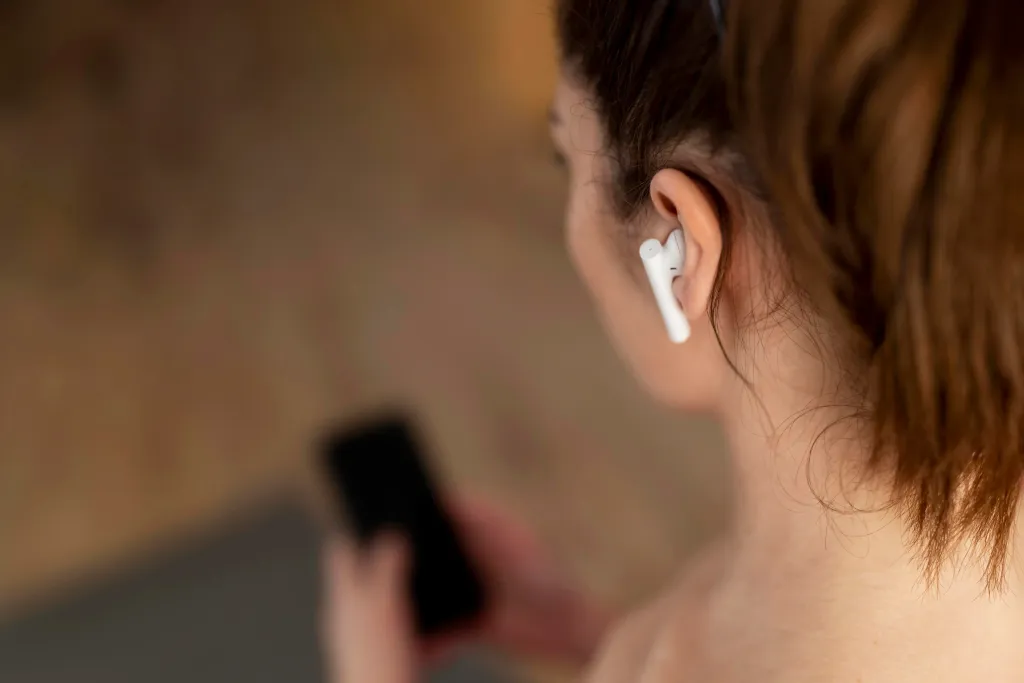
The rise of "Open Ear" technology has revolutionized how we consume media, especially for those seeking bluetooth earbuds for phone calls. However, because we’ve spent decades using in-ear "plugs," many people try to force open-ear models into their ear canals.
The Fundamental Difference in Sound Delivery
Traditional earbuds use a silicone tip to create an airtight seal inside the ear canal. Open-ear earbuds, however, utilize air conduction or bone conduction to deliver sound from outside the canal.
The Mistake: The "Deep Insertion" Habit
Many users try to shove the speaker housing of an open-ear bud as close to the canal as possible. This is a mistake for several reasons:
- Acoustic Distortion: Open-ear drivers are designed to breathe. Blocking them with the folds of your ear actually distorts the frequency response.
- Safety Hazard: The primary benefit of open-ear tech is "situational awareness." If you block the canal, you lose the ability to hear oncoming traffic or ambient warnings.
- Pressure Buildup: Forcing an open-ear device into the canal creates unnatural pressure on the ear's "concha," leading to rapid fatigue.
Why "Earbuds How to Wear" Differs by Technology
To master how to wear open ear earbuds, you must visualize them as "miniature speakers" hovering just outside your ear.
Key Differences at a Glance:
| Feature | In-Ear Earbuds | Open-Ear Earbuds |
|---|---|---|
| Placement | Inside the ear canal | On the outer ear (concha) |
| Seal | Required for bass | None (Air conduction) |
| Awareness | Low (Isolated) | High (Ambient) |
| Comfort | Varies (Can cause pressure) | High (No canal irritation) |
| Microphone Path | Inside the shell | Near the jaw/cheek |
Common Mistake Two: Incorrect Ear Hook Position That Causes Slipping and Pressure

If you use open ear earbuds, you likely prefer models with ear hooks. These are designed for maximum stability, yet they are often the most misunderstood in terms of ergonomics.
The "One-Size-Fits-All" Fallacy
Many people simply "hang" the ear hook over the back of their ear and hope for the best. Because every ear is shaped differently (the "Darwin's tubercle" or the height of the root of the helix), a static placement rarely works for everyone.
Mistake: The "Tight Grip" Trap
Users often pull the ear hook too tight against the back of the ear, thinking it will increase security. In reality, this pinches the skin against the skull, leading to "hot spots" and headaches after just 30 minutes of use.
Mistake: Ignoring Glasses Interference
For those who wear glasses, the ear hook and the temple of the glasses are constantly competing for space.
- Incorrect Order: Placing the ear hook outside the glasses arm usually results in the earbud tilting outward, ruining the sound alignment.
- The Solution: Always place the earbud hook closest to the skin, then rest the glasses arm on top.
Mastering How to Wear Earbuds with Ear Hooks Properly
The Centers for Disease Control and Prevention (CDC) notes that physical discomfort from wearable tech can lead to repetitive strain. Ensuring your hooks don't "pinch" is vital for long-term ear health.
The 3-Step Hook Fix:
- The Tuck: Slide the hook behind the ear first, ensuring it sits in the "groove" where the ear meets the head.
- The Rotation: Once the hook is on, rotate the main body of the earbud into position.
- The Alignment: Ensure the speaker is firing directly toward the canal opening, not pointing at the jawline or the temple.
How to Wear Wireless Earbuds Correctly for a Secure and Comfortable Fit

Achieving the perfect fit is a three-step process: Selection, Insertion, and Adjustment. If you follow these steps, you will significantly improve your experience with any pair of earbuds how to wear.
Step 1: Selection (The "Goldilocks" Rule)
Most wireless earbuds come with multiple sizes of silicone tips or different hook tensions.
- Test all sizes: Don't assume you are a "Medium." Your left and right ear canals might even require different sizes!
- Material Choice: Foam tips provide better isolation, while silicone is easier to clean and better for sweat.
- The "Hum" Test: With in-ear buds, put them in and hum. If your voice sounds resonant and loud in your head, you have a good seal.
Step 2: The "Pull and Twist" Insertion Technique
Don't just push the earbud in.
- Use your opposite hand to gently pull the top of your ear (the helix) upward and backward. This straightens the ear canal.
- Insert the bud and gently twist it forward (clockwise for the right ear, counter-clockwise for the left).
- This "locks" the earbud behind the tragus, using your own anatomy to hold it in place.
Step 3: Finding the "Sweet Spot" for Sound
Once inserted, play a song with a prominent bass line. Gently tilt the earbud up and down. You will find a specific angle where the bass suddenly "opens up." This is your optimal acoustic alignment.
Tips for Specific Activities
- Running: Look for recommended earbuds for running that feature an IP rating for sweat resistance and a "twist-lock" mechanism.
- Office Work: Ensure the microphone is clear of your hair or scarf to maintain call quality.
- Commuting: Ensure your seal is tight enough to block engine drone without needing to max out the volume.
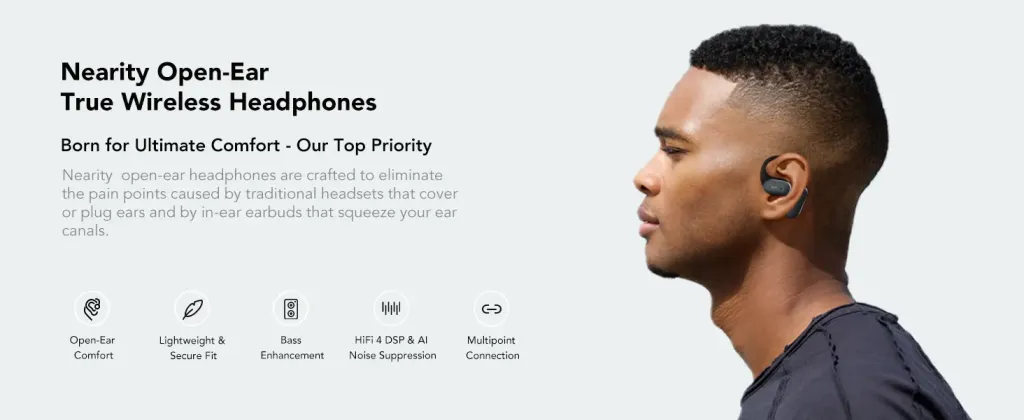
How Open Ear Earbuds Like Nearity MemPod Fit 2 Are Designed to Reduce These Mistakes
Innovative brands are now designing hardware that inherently corrects common user errors. The Nearity MemPod Fit 2 is a prime example of this "user-centric" engineering, specifically designed to solve the issues mentioned in sections 2 and 3.
Ergonomic Stability and Weight Distribution
The Nearity MemPod Fit 2 utilizes a multi-point support system. Instead of relying solely on the ear canal or a single hook point, it distributes weight across the entire outer ear. This prevents the "slipping" mistake common in cheaper models.
Precision Air Conduction and Directed Audio
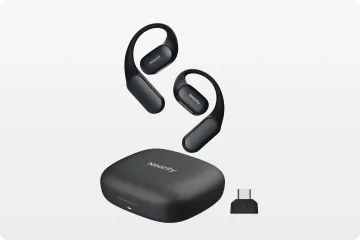
One of the biggest issues with open-ear tech is sound leakage. The ear buds for call, Nearity MemPod Fit 2, feature directed audio technology, which focuses the sound waves directly into the canal while keeping the ear open.
Why this matters for "How to Wear Wireless Earbuds Correctly":
- It reduces the need for "perfect" manual placement.
- It maintains privacy even at higher volumes.
- It allows for a more relaxed fit behind the ear without sacrificing clarity.
Skin-Friendly Materials and Flexible Titanium
To combat the "pressure point" issue, these earbuds use medical-grade, flexible materials that adapt to the unique curvature of your ear. By choosing a high-quality device like the Nearity MemPod Fit 2, you are already halfway to solving the comfort puzzle.
Anatomy and Maintenance: The "Why" Behind the "How"
Understanding Your Ear Topography
To truly master how to wear wireless earbuds correctly, you must understand the landmarks of your ear:
- The Tragus: The small flap that covers the canal. This is your primary anchor.
- The Concha Bowl: The large "valley" where open-ear buds rest.
- The Helix: The outer rim that supports the ear hook.
Hygiene: Keeping the Fit "Fresh"
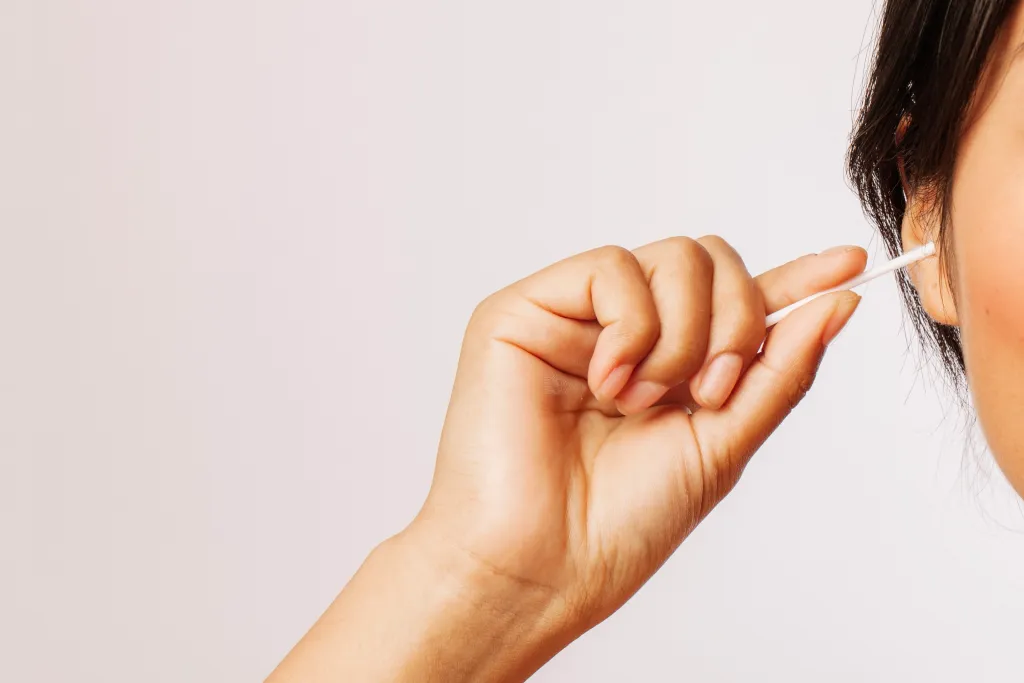
Even if you know how to wear them, a buildup of wax and debris will eventually ruin the fit.
- Weekly Cleaning: Use a soft-bristled brush to remove wax from speaker grills.
- Silicone Care: Soak tips in warm, soapy water monthly.
- Storage: Always return them to their charging case. Leaving them in a gym bag degrades the materials and attracts bacteria.
Conclusion
Learning how to wear wireless earbuds correctly is a journey of trial and error, but the rewards are well worth the effort. By avoiding common mistakes—like treating open-ear buds as in-ear plugs or misplacing your ear hooks—you ensure that your technology works for you, not against you.
In summary, always remember to choose the right tool for the job. If you prioritize comfort and situational awareness, an open-ear design like the Nearity MemPod Fit 2 offers a sophisticated, ergonomic solution that bypasses many traditional fit issues. Take the time to "pull and twist," test your sizes, and keep your gear clean. Your ears—and your music—will thank you.
FAQs
1. How can I tell if my earbuds are in the wrong ear?
Most wireless earbuds are clearly marked with 'L' (Left) and 'R' (Right). Beyond labels, look at the angle of the speaker. The curve should always follow the back of your ear, and the speaker should point slightly forward toward your face, matching the natural angle of your ear canal.
2. Why do my earbuds keep falling out when I talk or chew?
This is usually caused by jaw movement shifting the ear canal's shape. To fix this, use the "Pull and Twist" technique to seat the bud deeper, or switch to an ear-hook model like the Nearity MemPod Fit 2 which stays secure regardless of jaw movement.
3. Can wearing earbuds incorrectly cause permanent ear damage?
Yes, indirectly. If you wear them incorrectly and the sound is faint, you are likely to increase the volume to dangerous levels. This leads to Noise-Induced Hearing Loss (NIHL). Additionally, pushing earbuds too deep can cause "impacted earwax."
4. How do I get a secure fit if I have very small ears?
For small ears, "hook" models are often better than "plug" models. Focus on how to wear earbuds with ear hooks by ensuring the hook is doing the heavy lifting for stability, rather than relying on the earbud body to wedge itself into the small concha space.