

















































In today’s fast-paced business environment, work efficiency is no longer a luxury—it’s a requirement. To streamline complex projects, many organizations are turning to Agile methodology workflows to foster flexibility, collaboration, and rapid delivery.
But what exactly is an Agile project workflow, and how can it transform your team's productivity? In this article, we provide detailed guidance on getting started with Agile workflows to help you achieve true office automation and peak performance.
What is an Agile Workflow?
An Agile workflow refers to a set of iterative principles and practices used in project management and product development to promote adaptability. Unlike traditional linear methods, the workflow Agile approach emphasizes incremental progress, continuous customer feedback, and the ability to pivot quickly.
Most Agile workflows are built upon specific frameworks, such as:
- Scrum: Time-boxed sprints and defined roles.
- Kanban: Visualizing work-in-progress (WIP) to optimize flow.
- Lean: Eliminating waste and focusing on value.
- Extreme Programming (XP): High-quality engineering and frequent releases.
How Does an Agile Project Workflow Work?
To effectively implement Agile workflows, teams must focus on several core pillars that differentiate them from traditional project management:
1. Continuous Delivery of Value
Agile prioritizes features (user stories) based on customer needs. This ensures the most impactful work is delivered early and often.
2. Visual Management
Using tools like Kanban boards allows teams to visualize the Agile workflow, track progress, and identify bottlenecks in real-time.
3. Empowered, Cross-Functional Teams
Agile promotes self-organizing teams. When your team has all the necessary skills internally, you minimize external dependencies and accelerate the workflow agile cycle.
4. Metrics-Driven Decisions
Successful Agile methodology workflows rely on data. By tracking metrics like Velocity, Lead Time, and Cycle Time, teams can make informed adjustments to their processes.
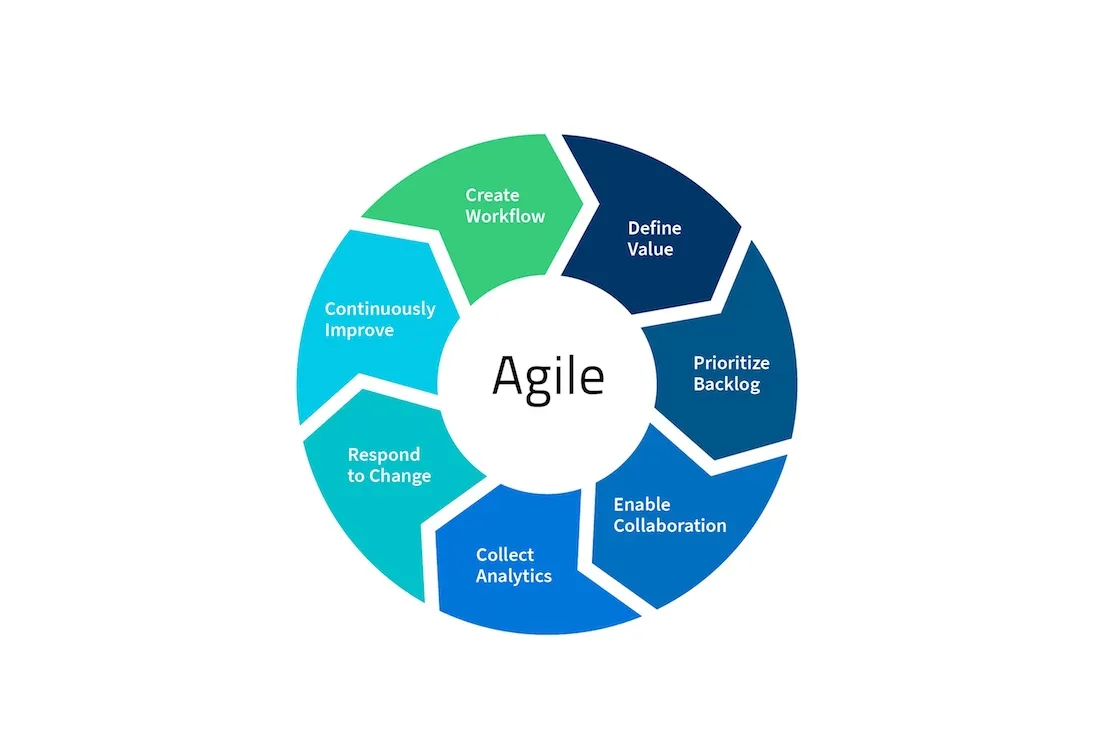
How to use Agile workflow?
Using the Agile workflow effectively involves implementing Agile principles and practices in your project management or product development process. Here's a step-by-step guide on how to use Agile workflow:
Step1: Form cross-functional teams
Assemble cross-functional teams that possess all the skills needed to complete the project. Team members should have a diverse set of skills to minimize dependencies on external teams.
Step2: Educate your team
Start by educating your team about Agile principles and methodologies. Ensure everyone understands the core values of Agile, such as customer collaboration, responding to change, and working individuals and interactions over processes and tools.
Before educating, make sure that you have a solid understanding of Agile principles and methodologies yourself. You should be able to explain the core values and principles of Agile to your team. Here are the 12 principles of the Agile Manifesto:
12 principles of the Agile Manifesto:
- Customer satisfaction through continuous delivery
- Welcome changing requirements, even late in development
- Deliver working software frequently
- Collaboration between business people and developers
- Build projects around motivated individuals
- Use face-to-face communication
- Working software is the primary measure of progress
- Maintain a sustainable pace of work
- Continuous attention to technical excellence and good design
- Simplicity
- Self-organizing teams
- Reflect regularly and adjust behavior
Step3: Plan and prioritize:
Create a product backlog, which is a prioritized list of tasks, features, or user stories that need to be addressed during the project. The backlog serves as your to-do list. Plan your project by selecting a set of tasks from the product backlog to work on during the first iteration (sprint). Prioritize tasks based on business value, complexity, and dependencies.
Step4: Select an Agile framework:
Choose an Agile framework that aligns with your project's requirements. Popular options include Scrum, Kanban, Lean, and Extreme Programming (XP). Each framework has its own set of practices, so select the one that suits your needs. Here are key characteristics of each methodology:
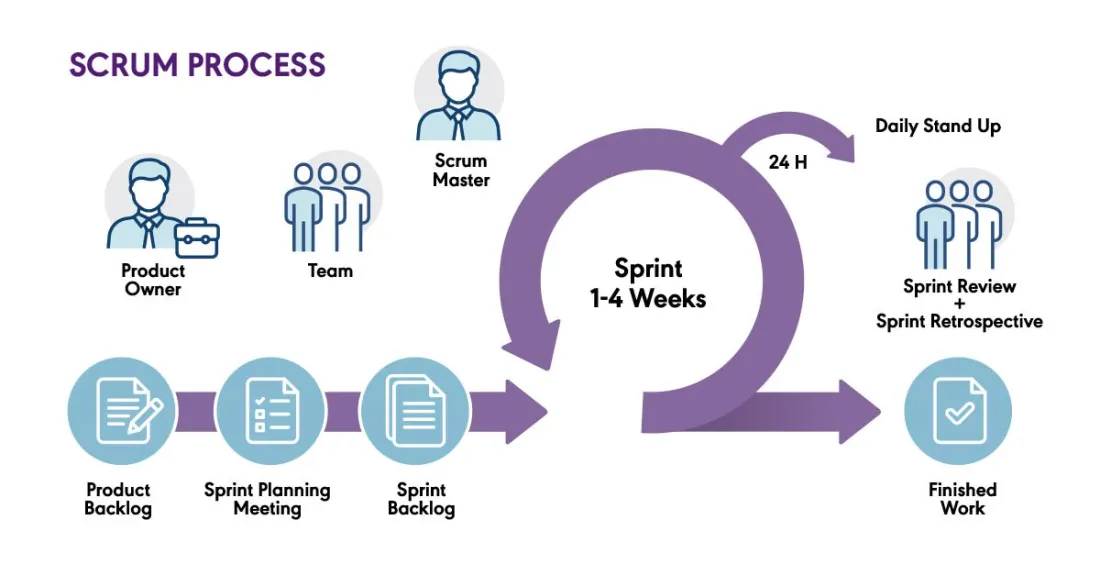
Scrum:
- Roles: Scrum defines specific roles, including Product Owner, Scrum Master, and Development Team.
- Artifacts: Scrum employs essential artifacts like the Product Backlog, Sprint Backlog, and Increment.
- Sprints: Work is organized into time-boxed iterations called sprints, typically lasting 2-4 weeks.
- Ceremonies: Scrum ceremonies include Sprint Planning, Daily Stand-Up (Daily Scrum), Sprint Review, and Sprint Retrospective.
- Work prioritization: The Product Backlog is a prioritized list of tasks, allowing for clear work prioritization.
- Empowered teams: Self-organizing teams make decisions about how to complete tasks.
Fixed Roles and Timeframes: Scrum has fixed roles and timeframes, providing predictability and structure.
Kanban:
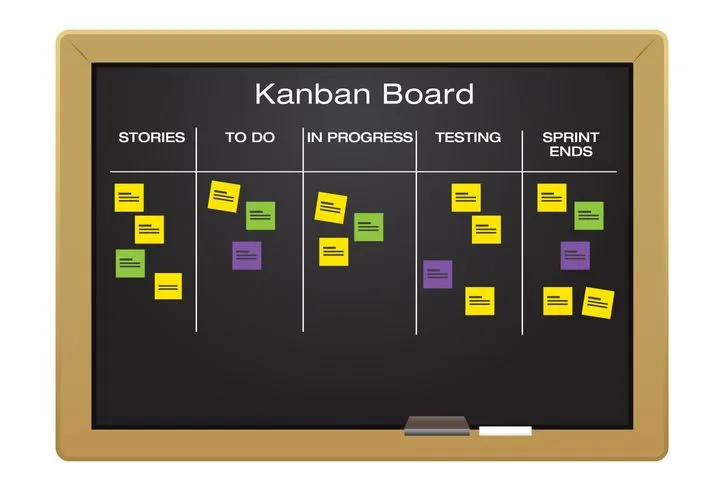
- Visual workflow: Kanban uses visual boards to represent work and its flow through various stages.
- Continuous flow: Work is managed as a continuous flow with no predefined timeboxes like sprints.
- WIP limits: Work-in-progress (WIP) limits are applied to prevent overloading and improve flow.
- Pull System: Work is pulled into the next stage only when capacity allows.
- Flexibility: Kanban is highly adaptable and suitable for various workflows.
- Focus on workflow optimization: Kanban emphasizes optimizing the workflow and reducing bottlenecks.
No fixed roles: Kanban doesn't prescribe specific roles; team structure can be flexible.
Lean:
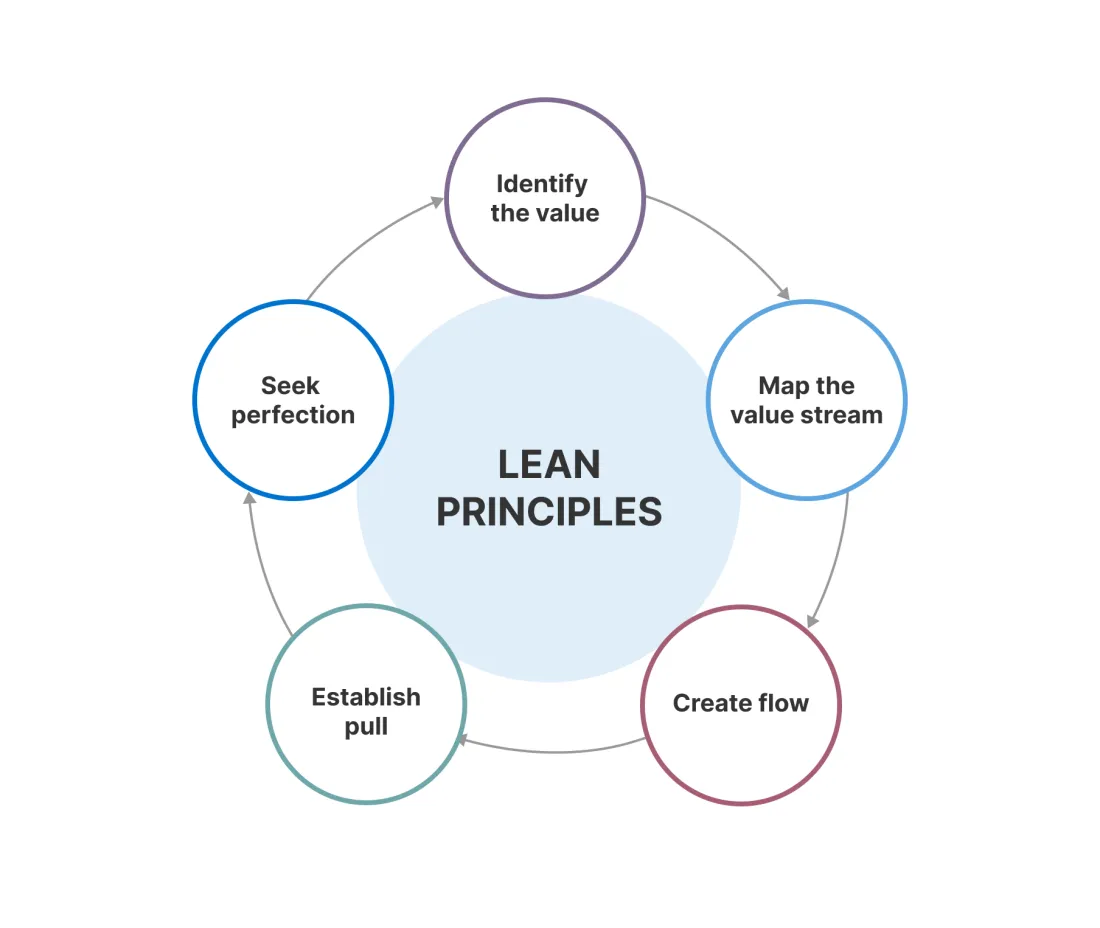
- Waste reduction: Lean focuses on eliminating waste in all forms, including overproduction, defects, and underutilized resources.
- Value stream mapping: Value stream mapping helps identify value-adding activities and non-value-adding waste.
- Customer-centric: Lean is customer-centric, aiming to deliver value while minimizing waste.
- Continuous Improvement (Kaizen): Lean promotes a culture of continuous improvement through small, incremental changes.
- Standardized work: Lean encourages standardizing work processes to enhance consistency and quality.
Empowered teams: Lean encourages teams to take ownership and suggest improvements.
Extreme Programming (XP):
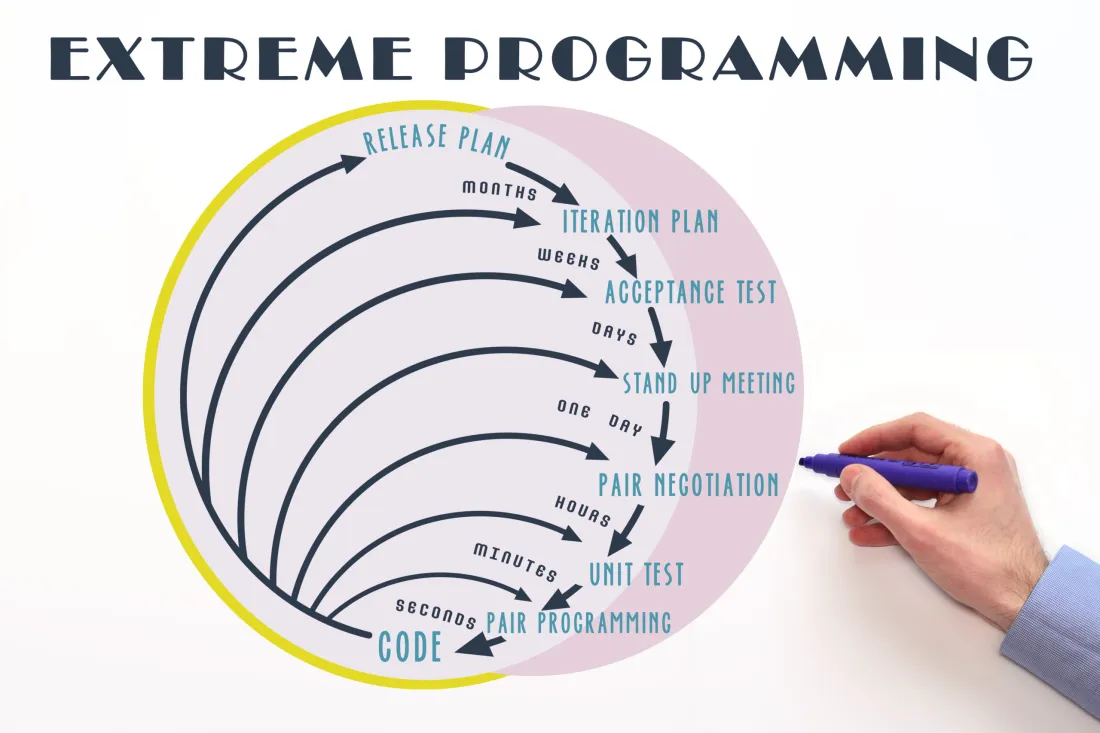
- Quality-centric: XP places a strong emphasis on code quality and practices like Test-Driven Development (TDD).
- Frequent releases: XP advocates frequent, small releases to gain rapid feedback and adapt to changing requirements.
- Customer collaboration: Close collaboration with customers and stakeholders is integral to understand their needs.
- Sustainable pace: XP promotes a sustainable pace of work to prevent burnout and maintain work-life balance.
- Pair programming: Pair programming is a common practice in XP, enhancing code quality and knowledge sharing.
Feedback-driven: Frequent testing, feedback, and adaptation are fundamental aspects of the XP process.
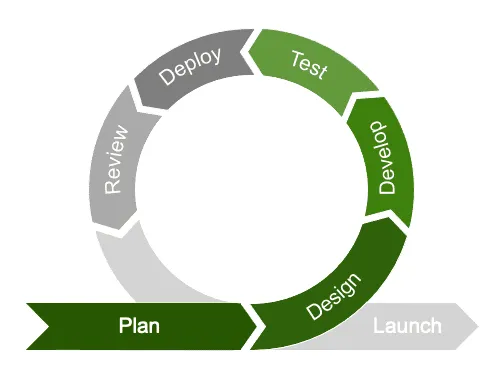
Step5: Iterative development
Iterative development is a software development and project management approach that breaks a project into smaller, repeatable cycles or iterations. In this approach, a product or project is developed incrementally, with each iteration building upon the work of the previous one.
Iterations often involve refining and enhancing features, functionality, or components. The product becomes more polished with each cycle. Work is prioritized based on customer or stakeholder needs, with high-priority items typically addressed in earlier iterations. At the end of each iteration, there is a review or demo where stakeholders and the development team assess the work done. Feedback is collected, and changes or improvements are incorporated into the next iteration. After completing one iteration, the development team repeats the process for the next increment. This repetition continues until the final product is achieved.
Iterative development helps mitigate risk by allowing for early identification and resolution of issues, reducing the likelihood of costly errors in later stages. The project can adapt to changing requirements, as new information or feedback becomes available, which is a key advantage in dynamic environments. In software development, each iteration can potentially result in a release to the end-users or stakeholders. This allows for quicker delivery of functionality.
Step6: Measure progress
Use key performance indicators (KPIs) and metrics to measure the progress and effectiveness of your Agile workflow. Common metrics include velocity, lead time, and cycle time. Actively seek opportunities for improvement and regularly make changes to enhance the workflow and product development process. Encourage a culture that embraces change and values adaptability. Agile workflows are designed to respond to changes in requirements and priorities.
Conclusion:
Using Agile workflow effectively requires a commitment to Agile principles and ongoing collaboration with your team and stakeholders. As you iterate through sprints and gather feedback, you'll be better equipped to adjust and optimize your workflow for improved efficiency and the delivery of high-quality products.
Like any other method, Agile is not very suitable for every project, and it is always recommended to conduct sufficient due diligence to determine the best method suitable for each unique situation. Agile workflow is most effective when the requirements of a project cannot be fully identified from the beginning or may evolve over the duration of the project. It is also very suitable when regular feedback is necessary or helps to align deliverables with customer needs. When time to market is crucial or dealing with highly complex projects, Agile workflow is also a powerful choice, as Agile cross functional and iterative methods enable teams to deliver solutions faster while solving problems when they arise.
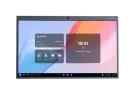
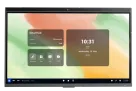
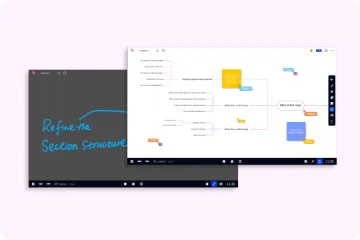
NearHub is an all-in-one solution for meeting rooms and classrooms. NearHub possesses an interactive digital Board with cutting-edge smart software. By combining your favorite programs with mess-free writing canvas and video conferencing, you can improve your interaction and productivity in the online classroom. Besides, NearHub also provides MagicPad S13 to improve digital learning and creativity. Click here to view more on NearHub
Frequently Asked Questions (FAQ)
1. What is the difference between a traditional workflow and an Agile workflow?
Traditional workflows (like Waterfall) are linear and sequential, meaning you must finish one phase before starting the next. In contrast, an Agile methodology workflow is iterative. It allows teams to work on various phases simultaneously and incorporate feedback at every stage, making it much more flexible to changes.
2. Which Agile framework should I choose for my project?
The choice depends on your team's needs. If you need structure and fixed timeframes, Scrum is ideal. If your priority is managing a continuous flow of work and limiting bottlenecks, Kanban is the better workflow Agile choice. For projects focused strictly on efficiency and removing "noise," Lean is highly recommended.
3. Can Agile workflows be used outside of software development?
Absolutely. While it originated in software, the Agile project workflow is now widely used in marketing, HR, education, and general project management. Any industry that requires adaptability and customer-centric results can benefit from Agile workflows.
4. What are the 3 main roles in a Scrum Agile workflow?
In a standard Scrum-based Agile workflow, there are three key roles:
- Product Owner: Defines the vision and prioritizes the backlog.
- Scrum Master: Facilitates the process and removes obstacles.
- Development Team: The cross-functional group that executes the work.
5. How do Agile workflows improve work efficiency?
By breaking down large, daunting projects into smaller "sprints" or iterations, Agile workflows reduce the risk of major failures and ensure that the team is always working on the most valuable tasks. This minimizes wasted time and ensures the final product aligns perfectly with user needs.





 sales@nearhub.us
