


























































You’re a few miles into a hike. Your pace feels good, the trail opens up, and everything clicks—until uncomfortable shoes, shifting layers, or dead earbuds pull you out of the moment.
The right hiking gear keeps small problems from becoming big distractions—including good headphones for workout, especially when your training takes you onto hiking trails. This guide breaks down essential hiking gear and shows how smart choices, from footwear to open-ear headphones, can improve both your training and time on the trail.
Key Takeaways
- Smart hiking gear choices reduce fatigue, improve comfort, and keep training sessions focused on the trail.
- Footwear, layering, and pack fit form the foundation of a reliable hiking setup.
- Good headphones for workout should support long use, outdoor durability, and situational awareness.
- Open-ear headphones balance music and safety, making them practical for both workout training and hiking.
Essential Hiking Gear: What Really Matters

Before selecting specific items, it’s important to understand the mindset behind smart gear choices. Every piece of hiking gear should serve a clear purpose. While lightweight gear is often preferred, safety and reliability should never be compromised.
The well-known “Ten Essentials” framework remains a helpful starting point for hikers of all levels. These categories—navigation, sun protection, insulation, illumination, first aid, fire, tools, nutrition, hydration, and emergency shelter—cover the core needs for most hiking situations and continue to guide modern gear selection.
Footwear: One of the Most Important Hiking Gear Choices
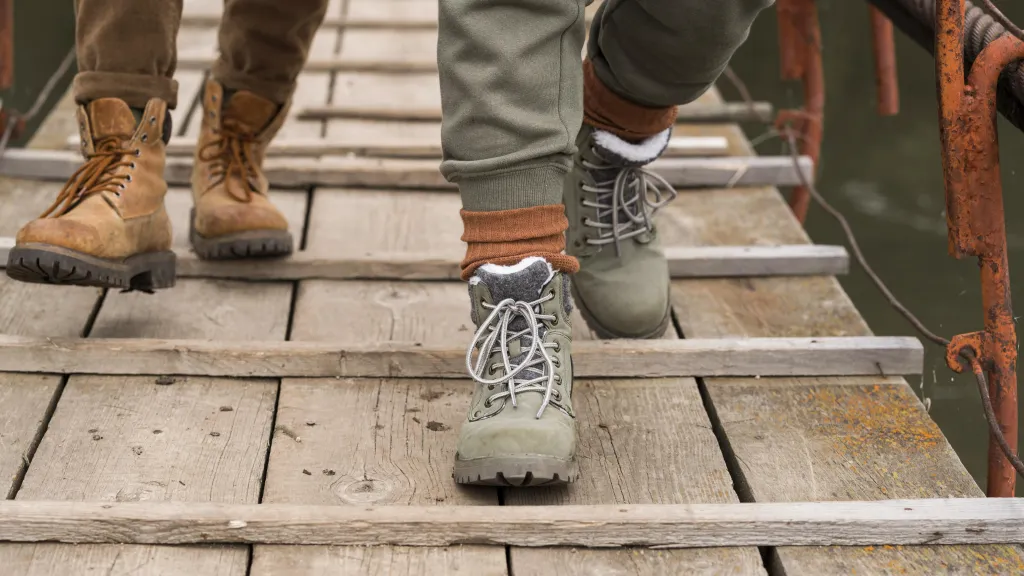
Footwear is one of the most important decisions when building your hiking setup. Comfortable, supportive shoes protect your feet and reduce fatigue over long distances.
1. Hiking Boots vs. Trail Runners
Traditionally, heavy leather boots were the standard. Today, hikers have more options.
- Hiking Boots: Offer ankle support and durability, making them ideal for uneven terrain or carrying heavier packs.
- Trail Runners: Lightweight and breathable, trail runners are popular for day hikes and fast-paced trails. They dry quickly and reduce overall pack weight.
2. Socks Matter More Than You Think
Never underestimate the power of a good pair of socks. Avoid cotton at all costs, as it retains moisture and leads to blisters. Instead, opt for Merino wool or synthetic blends that wick sweat away from your skin.
Clothing: How to Build a Reliable Layering System
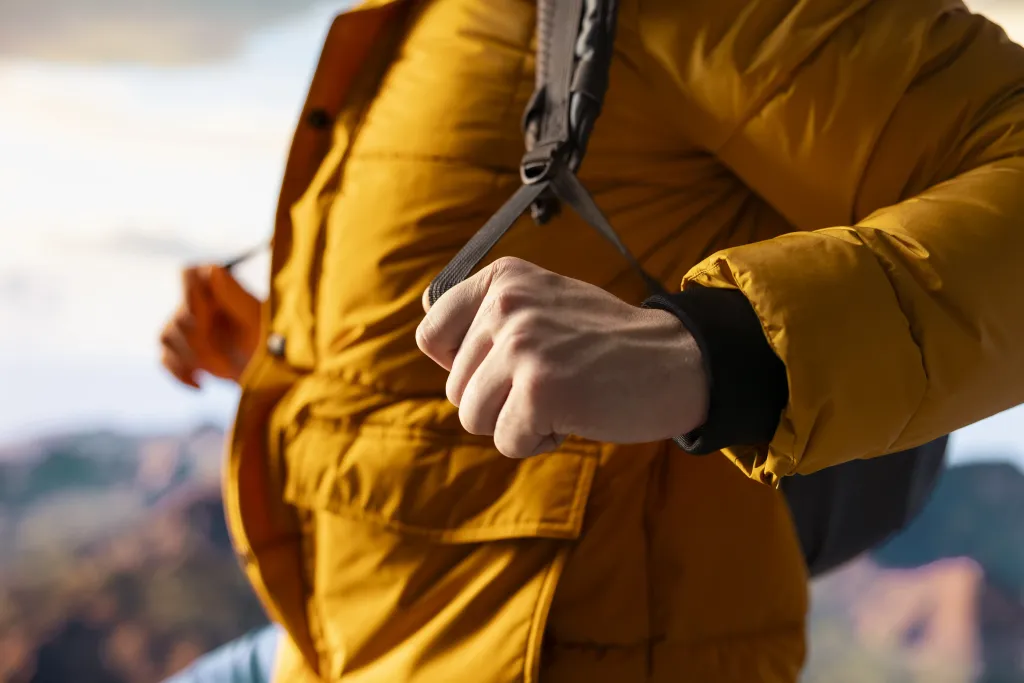
A proper layering system allows hikers to adapt to changing weather conditions.
Base Layer
Wicks moisture away from the skin using synthetic fabrics or merino wool.
Mid Layer
Provides insulation. Lightweight fleece or packable insulated jackets work well for most hikes.
Outer Layer
A waterproof, breathable shell protects against wind and rain and is a non-negotiable piece of hiking gear.
Backpacks: How to Carry Your Hiking Gear Comfortably
Your backpack should match the length and intensity of your hike.
- Day hikes: 20–30L
- Overnight or multi-day hikes: 40–60L
Look for adjustable shoulder straps and a supportive hip belt to distribute weight evenly.
Good Headphones for Workout on the Trail: Balancing Music and Awareness
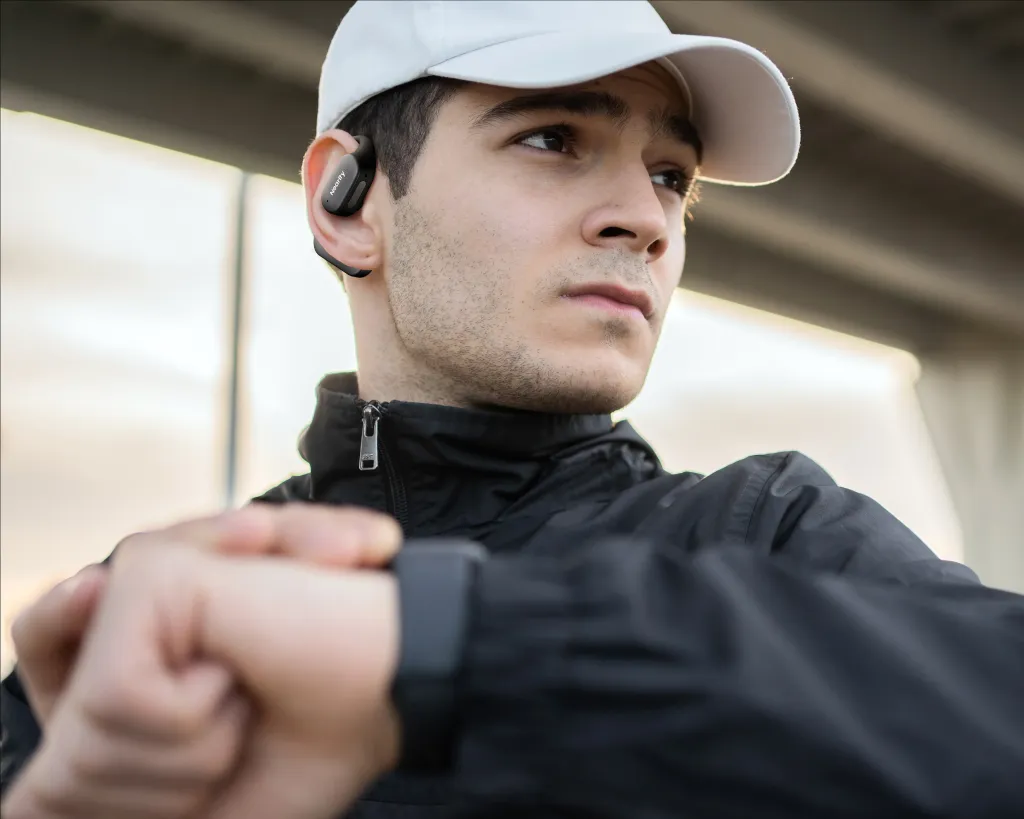
While some hikers prefer silence, others rely on music or podcasts to maintain rhythm and motivation—especially during long ascents or solo hikes.
When choosing good headphones for workout sessions that also work for hiking, three factors matter most:
- Battery life for long days on the trail
- Weather resistance for changing outdoor conditions
- Situational awareness to stay safe and alert
This is where open-ear headphones stand out.
Why Open-Ear Headphones Are Better for Hiking
Out on the trail, hiking gear isn’t just about performance—it’s about safety, awareness, and long-term comfort. Traditional earbuds that block your ear canal can isolate you from your surroundings. While that may work in a gym, it’s far from ideal on shared trails or in nature.
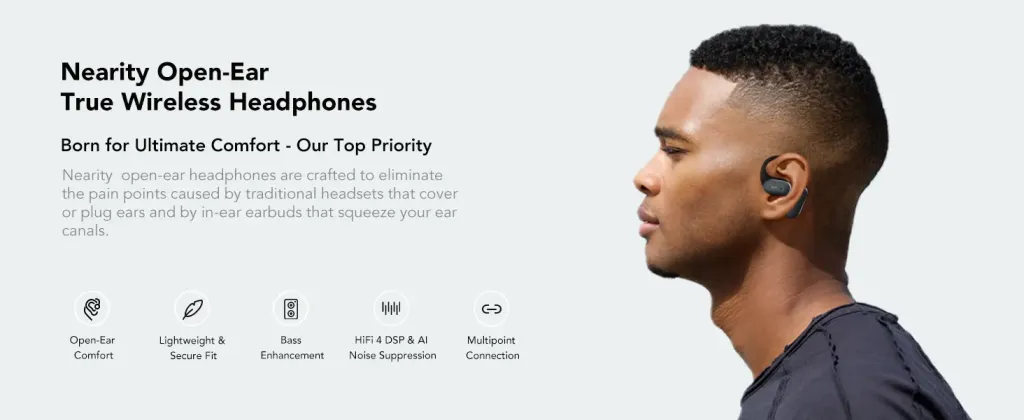
Open-ear headphones—like MemPod Fit 2—are designed specifically to solve this problem. Here’s why they work so well for both hiking and workout training:
🌟Stay Aware of Your Surroundings
Hiking trails are often shared with cyclists, runners, wildlife, and other hikers. Being able to hear what’s happening around you is critical.
According to outdoor safety surveys, over 70% of hikers consider situational awareness a top safety priority, especially on shared or high-traffic trails.
MemPod Fit 2’s open-ear design lets you enjoy music or podcasts without blocking ambient sound, helping you stay alert and aware at all times—a major advantage over traditional in-ear earbuds.
🌟 Comfortable for Long Hours on the Trail
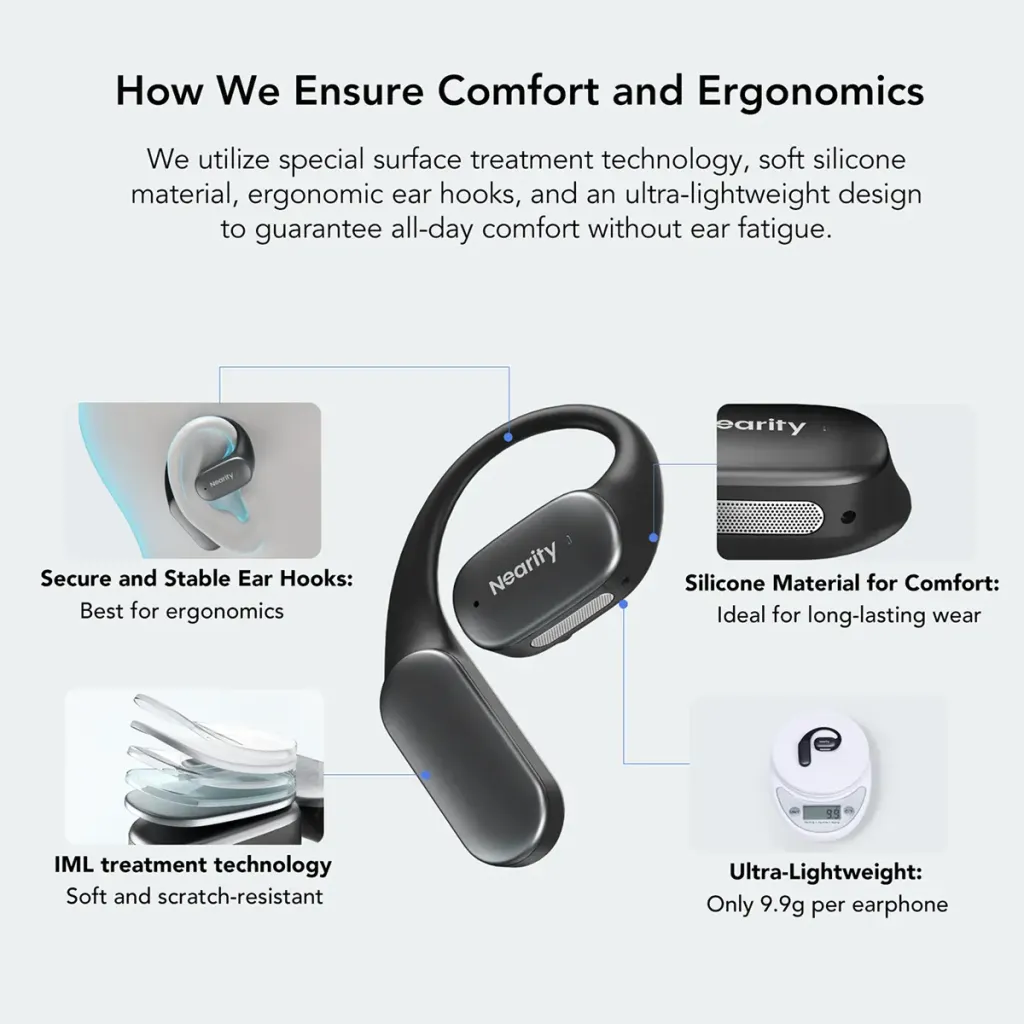
Pressure inside the ear canal or constantly adjusting slipping earbuds can quickly become distracting on longer hikes.
MemPod Fit 2 features a lightweight, ergonomic open-ear design with soft, skin-friendly silicone, allowing it to rest comfortably around the ear instead of inside it. The result is all-day comfort with no ear fatigue—even during extended workouts or full-day hikes.
🌟Built for Real Outdoor Conditions

Hiking isn’t always dry, sunny, or predictable. Sweat, humidity, dust, and light rain are part of the experience.
With IP54 water and dust resistance, MemPod Fit 2 is built to handle outdoor environments, making it far more reliable than standard gym headphones when you take your training outside.
🌟Battery Life That Keeps Up with You
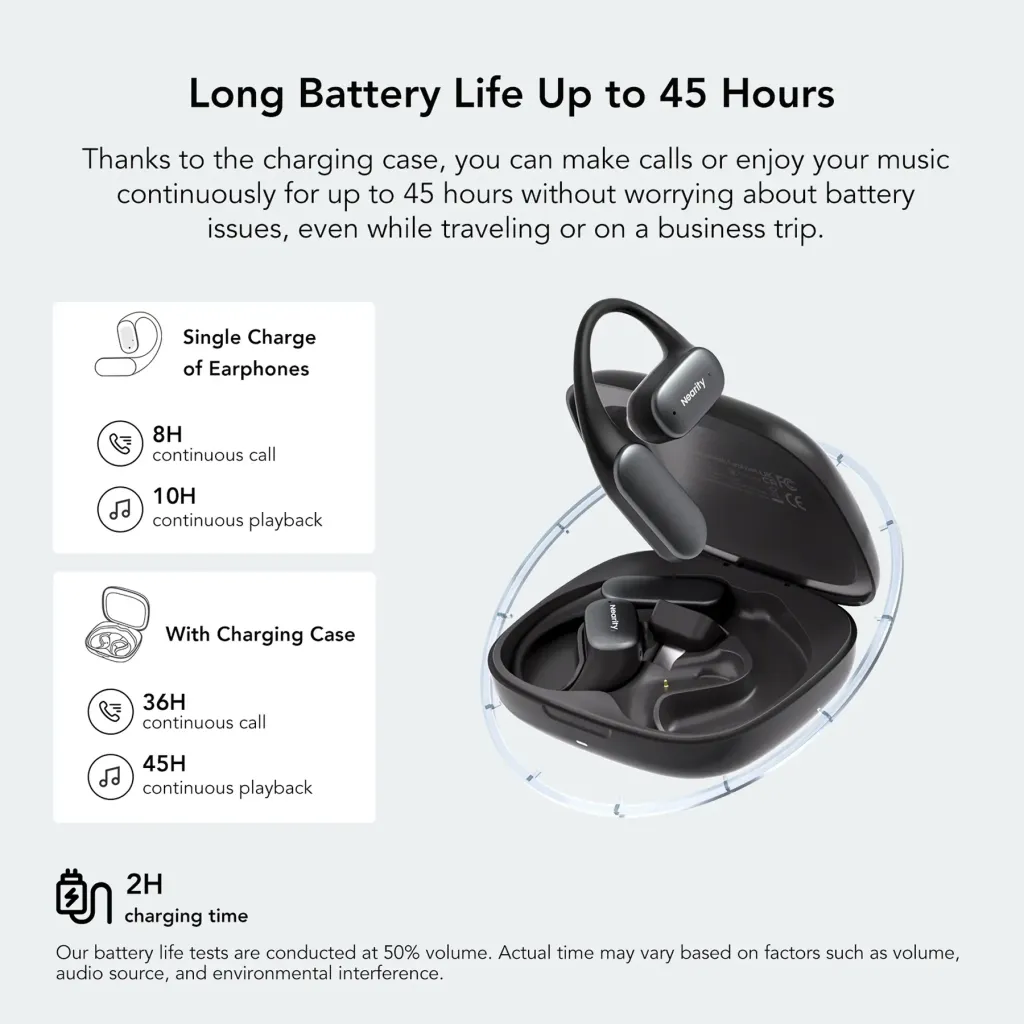
Whether you’re training during the week or spending hours on the trail, battery life matters.
MemPod Fit 2 offers up to 10 hours of playtime on a single charge and up to 45 hours with the charging case, ensuring your audio lasts through long hikes, workouts, and multi-day training routines.
🌟Stable Connectivity on the Move
Hiking often means switching between music, navigation prompts, and phone calls.
Thanks to Bluetooth 5.4, MemPod Fit 2 can maintain a stable, low-latency connection while you're on the move, helping ensure clear audio and fewer dropouts as your route and surroundings change.
🌟Lightweight and Trail-Ready
With a total headset net weight of 94.6 g, MemPod Fit 2 is easy to carry and comfortable for long hikes and extended workouts—without adding bulk to your gear. Combined with its comfort, awareness, durability, and endurance, MemPod Fit 2 isn’t just a pair of good headphones for workout—it’s a smart addition to your hiking gear setup.
Navigation and Safety Essentials
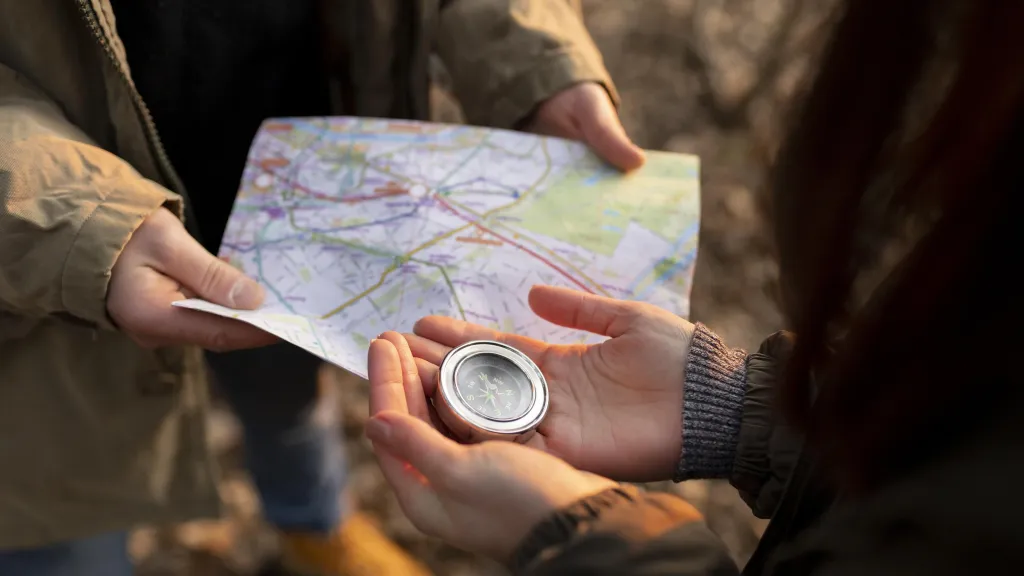
Even on familiar routes, conditions can change quickly.
- Map and Compass: Reliable, battery-free backups
- GPS or Satellite Communicator: Useful in remote areas
- First Aid Kit: Include blister care, bandages, and personal medication
These items remain cornerstones of hiking gear.
Training Before the Trail: Preparing Your Body for Hiking
Preparation doesn't start at the trail-head. Many hikers train with stair climbing, incline walking, and cardio workouts to build endurance.
During these sessions, using good headphones for workout routines can help maintain pace and motivation. The same open-ear design that works on the trail makes devices like MemPod Fit 2 suitable for gym training and outdoor conditioning alike.
Hydration and Nutrition on the Trail
Water Management
Carry enough water for your route and duration. Hydration bladders are convenient for sipping while walking, while bottles offer durability and easy refills. Always bring a purification method for longer hikes.
Trail Nutrition
Choose foods that are lightweight and calorie-dense:
- Complex carbs (wraps, crackers)
- Protein (nuts, jerky, bars)
- Healthy fats (nut butter)
Seasonal Considerations for Hiking Gear
Summer Hiking
Focus on sun protection, breathable clothing, and increased hydration.
Winter Hiking
Add traction devices, insulated footwear, extra layers, and reliable lighting. Seasonal conditions significantly affect what qualifies as essential hiking gear.
FAQs
1. Are open-ear headphones suitable for sweaty workouts or hot-weather hikes?
Yes. MemPod Fit 2 is designed for active use and outdoor conditions. With IP54 water and dust resistance, it can handle sweat, humidity, and light rain—making it reliable for intense workouts, summer hikes, and changing weather on the trail.
2. Will open-ear headphones stay in place during hiking or uneven terrain?
Yes. MemPod Fit 2 features an ergonomic ear-hook design that wraps securely around the ear for active movement. Whether you're hiking uphill, descending uneven trails, or doing training walks, the ear-hook structure helps keep the headphones stable and comfortably in place without constant adjustment.
3. Do open-ear headphones affect sound quality compared to earbuds?
Open-ear headphones prioritize awareness and comfort over total noise isolation. While they don’t block external noise like in-ear earbuds, they provide clear, balanced sound that works well for music, podcasts, and navigation cues during hiking and workouts.
4. How long does the battery last on long hikes?
MemPod Fit 2 delivers up to 10 hours of continuous playback on a single charge, with up to 45 hours total when used with the charging case. This makes it well suited for full-day hikes, extended workouts, and multiple training sessions without frequent recharging.





 sales@nearhub.us
